AS/RS Warehouse ROI

AS/RS Warehouse ROI: How Automated Storage Drives Long-Term Value

Automated Storage and Retrieval Systems (AS/RS) represent a significant capital investment for warehouses and distribution centres. Yet despite the upfront costs, businesses across manufacturing, retail, and logistics continue to adopt these automated storage systems at an accelerating rate. The reason is straightforward: the return on investment for AS/RS warehouses extends far beyond simple cost recovery, delivering sustained operational efficiency and financial advantages that compound over time.

Understanding the true ROI of an automated storage system requires looking beyond initial expenditure to examine how automation in warehouses transforms fundamental aspects of storage, retrieval, and overall facility performance.

The Role of AS/RS in Modern Warehouses


As supply chains evolve to meet the demands of e-commerce and global supply chains, automated systems have become essential to maintaining speed, accuracy, and consistency. By minimising manual processes and improving safety standards, AS/RS technology helps businesses overcome labour shortages and operational bottlenecks associated with traditional storage methods.

From managing inventory patterns and retrieval systems to supporting sustainability goals, these solutions enable warehouses to operate with greater control, flexibility, and precision. The impact reaches every level of the operation, from reducing costs and waste to achieving near-perfect order accuracy and improved customer satisfaction.

Space Utilisation and Property Cost Reduction

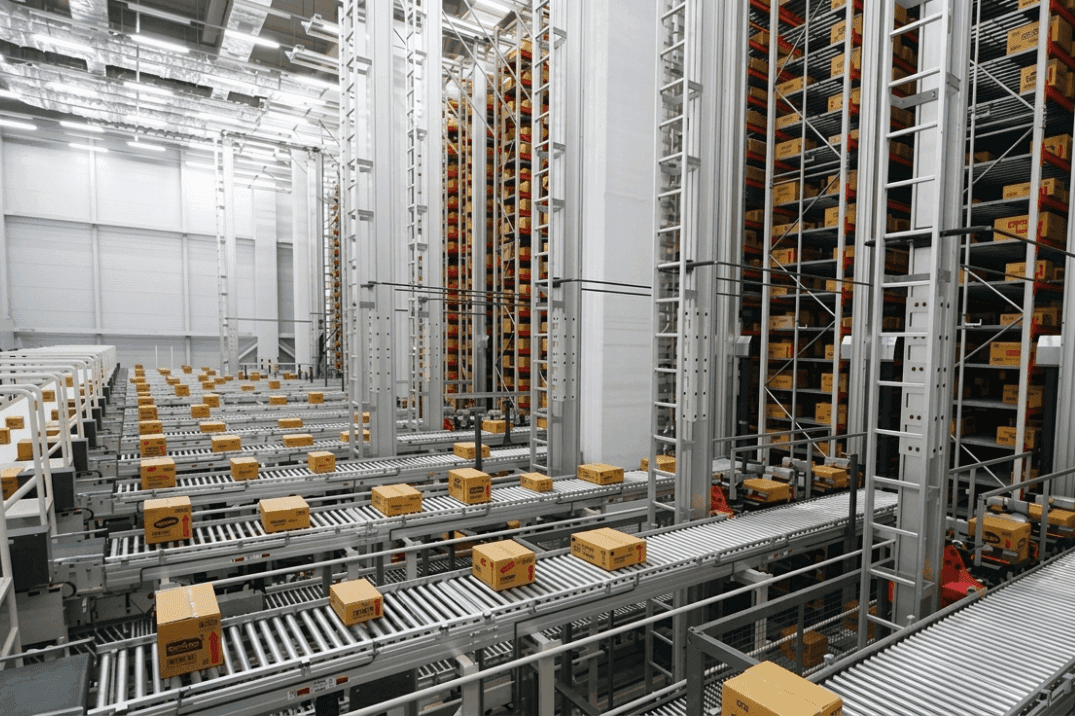
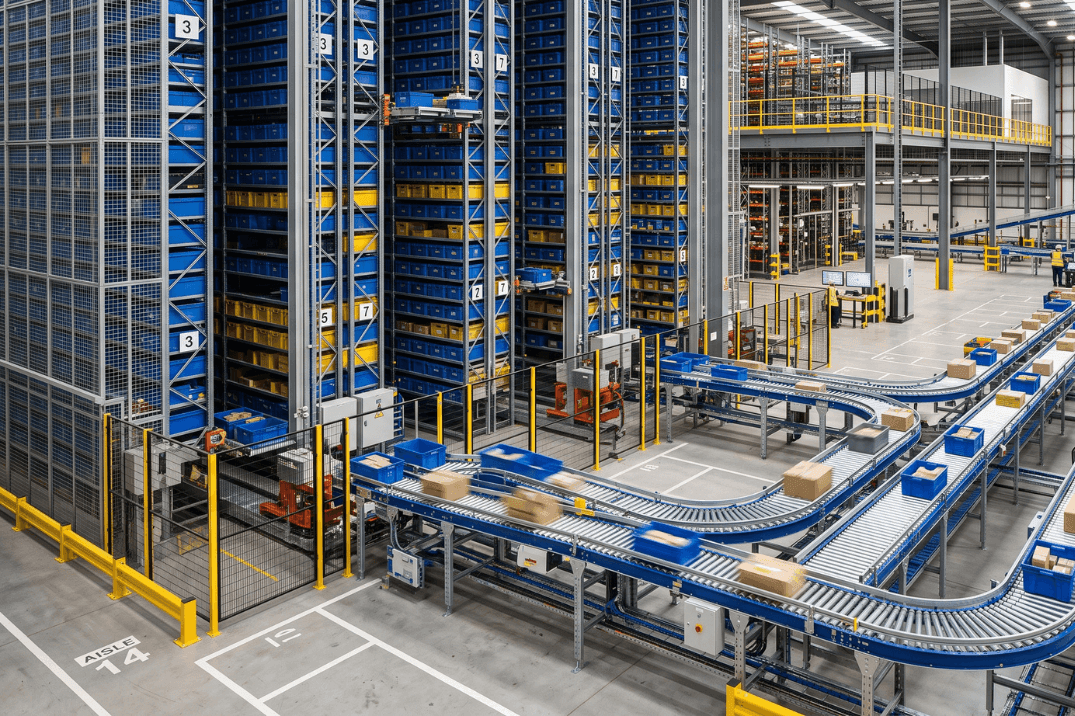
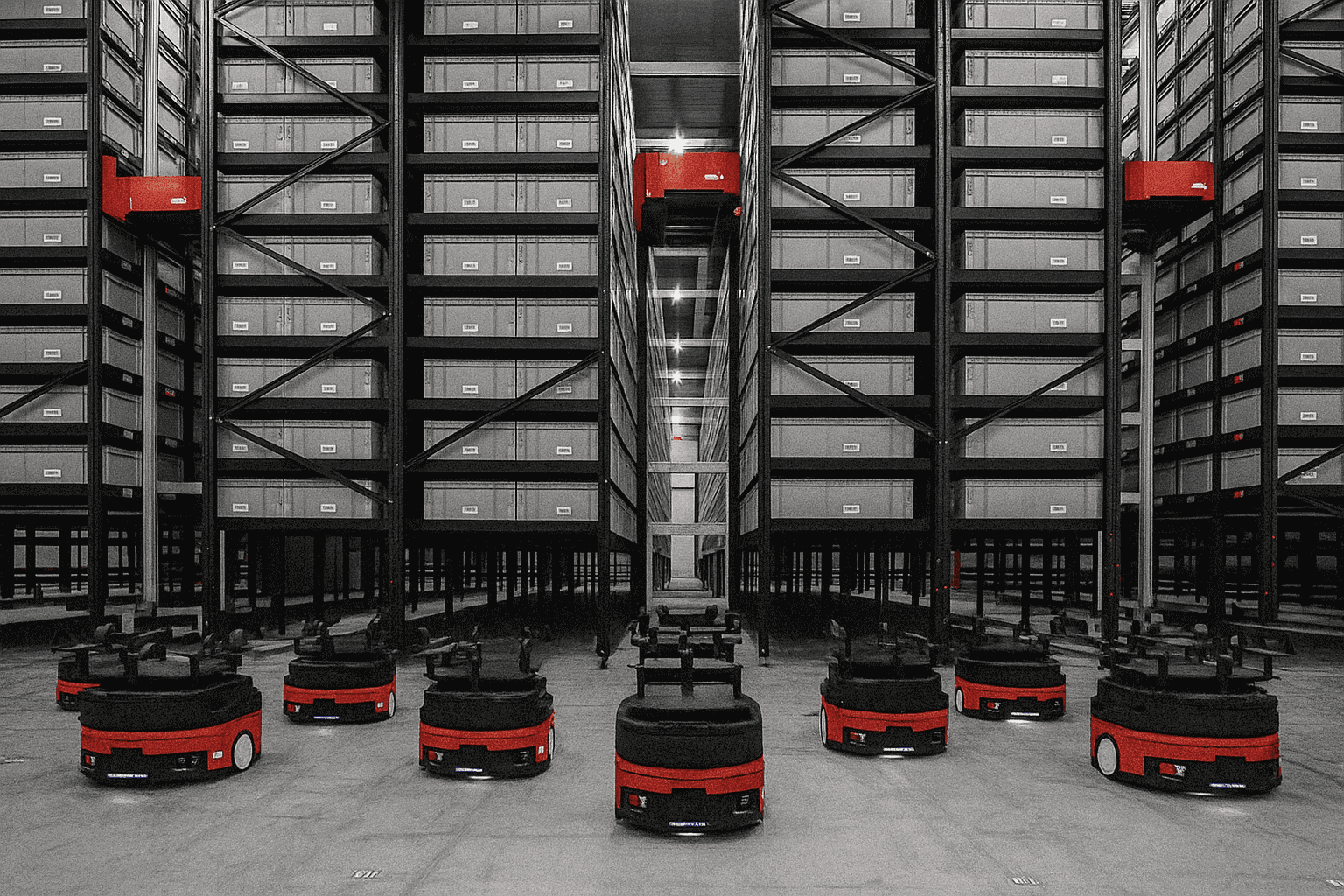
One of the most immediate returns from AS/RS implementation comes through dramatic improvements in space efficiency. Traditional storage systems typically achieve density of 50–60% of available cubic space. Automated systems, by contrast, can utilise 85–95% of the same volume through vertical storage, narrower aisles, and optimised racking configurations.


This enhanced density translates directly to financial value. Facilities can either store significantly more inventory within their existing footprint or achieve the same capacity in a smaller building. For operations facing expansion decisions, the latter option can eliminate the need for property acquisition or lease extensions altogether. In high-cost logistics markets, where industrial property commands premium rates, this reduction in warehouse size alone can justify the automation investment within five to seven years.

asrs

Key advantages of AS/RS for space utilisation include


Reduction in warehouse size requirements

Optimised racking and retrieval patterns

Improved layout planning using artificial intelligence

More efficient energy and climate control management

Greater flexibility for future expansion or reconfiguration

Labour Cost Optimisation

Labour expenses typically represent the largest ongoing operational cost for warehouse facilities. AS/RS systems fundamentally alter this equation by reducing the number of personnel required for storage and retrieval systems tasks whilst simultaneously improving productivity per employee. Industry data suggests that automated warehouses can reduce labour requirements by 40–70% for picking and putaway operations. The remaining workforce shifts to higher-value supervisory, maintenance, and exception-handling roles rather than repetitive manual tasks. This reallocation addresses two concurrent challenges: rising wage costs and persistent labour shortages in the logistics sector.


Beyond headcount reduction, automation delivers ROI through consistency. Automated systems maintain steady throughput regardless of shift, season, or staffing challenges. This reliability eliminates the productivity variations inherent in traditional storage methods and reduces overtime expenses during peak periods.

Automated Storage and Retrieval Systems

How automation helps overcome labour challenges


Addresses ongoing labour shortages across logistics and e-commerce

Reduces reliance on repetitive manual processes

Improves workplace safety by minimising heavy lifting

Reallocates staff toward value-driven, human-supervised roles

Delivers consistent productivity levels independent of shift patterns

How AS/RS Technology Transforms Accuracy, Throughput and Sustainability

Inventory Accuracy and Carrying Cost Benefits


Inventory errors create a cascading series of costs ranging from misplaced stock and emergency replenishment orders to stockouts, customer dissatisfaction, and unnecessary safety stock. AS/RS warehouses typically achieve accuracy rates exceeding 99.5 percent compared to 90 to 95 percent in manual storage systems.


AS/RS improves accuracy and cost control through real time data on inventory patterns and stock movements, automated tracking with near perfect order accuracy, fewer human handling errors and reduced write offs, improved analysis of retrieval patterns and demand forecasting, and greater transparency across e commerce and global supply chains. For operations managing high value products or extensive SKU counts, these accuracy gains alone can generate six figure annual savings that contribute significantly to overall ROI.


Throughput and Service Level Enhancement


AS/RS systems process orders with a level of speed and consistency that manual operations cannot match. Automated cranes and shuttle storages operate continuously with minimal downtime, completing retrieval patterns in minutes that would take human pickers considerably longer in conventional warehouses.


The throughput improvements include faster order fulfilment times and delivery speeds, greater accuracy during picking, packing and dispatch, fewer product returns and customer complaints, increased productivity without expanding labour headcount, and enhanced compliance with modern safety regulations. This advantage supports revenue growth by allowing extended cutoff periods, same day shipping capabilities, and higher order volumes through the same facility, effectively increasing revenue per square metre without equivalent cost increases. Service quality also improves as reduced picking errors lead to fewer returns, replacement shipments, and customer service interventions. Faster, more reliable processing strengthens customer relationships and supports retention, particularly in sectors influenced by e commerce and global supply chains.


Energy Efficiency and Sustainability Returns


Modern AS/RS installations deliver measurable energy savings when compared to traditional warehouse environments. Automated facilities require less lighting in storage areas because workers are not moving through aisles, and climate control becomes more efficient when vertical storage reduces floor space and improved building utilisation supports better insulation strategies.


The sustainability benefits include lower energy consumption per retrieval cycle, reduced emissions through smarter business operations, easier integration with renewable energy infrastructure, stronger support for corporate sustainability goals and ESG reporting, and efficient long term planning for sustainable growth. These operational efficiencies reduce utility spending while supporting wider environmental objectives. As energy prices continue to rise and regulatory pressures increase, these sustainability driven efficiencies will form an even more significant share of long term ROI.

Calculating Your AS/RS ROI Timeline

Most AS/RS implementations achieve positive ROI within three to seven years, though timelines vary based on facility size, throughput requirements, labour costs, and system sophistication. Businesses in high-wage markets, those facing space constraints, or operations managing high-value inventory typically see faster returns. The key to maximising AS/RS warehouse ROI lies in developing a deep understanding of how automation delivers value across multiple dimensions simultaneously. 


Space savings, labour reduction, accuracy improvement, throughput enhancement, and energy efficiency compound together, creating returns that strengthen and expand throughout the system’s operational life. In a market shaped by artificial intelligence, evolving inventory patterns, and sustainable growth demands, automation offers more than efficiency, it provides the foundation for long-term competitiveness and a renewed focus on business operations.

asrs

Typical ROI factors include


Contact Us

Current warehouse layout and load capacity

Expected annual growth rate of product volumes

Labour market conditions and wage levels

Integration with artificial intelligence and robotics

Energy efficiency and sustainability metrics