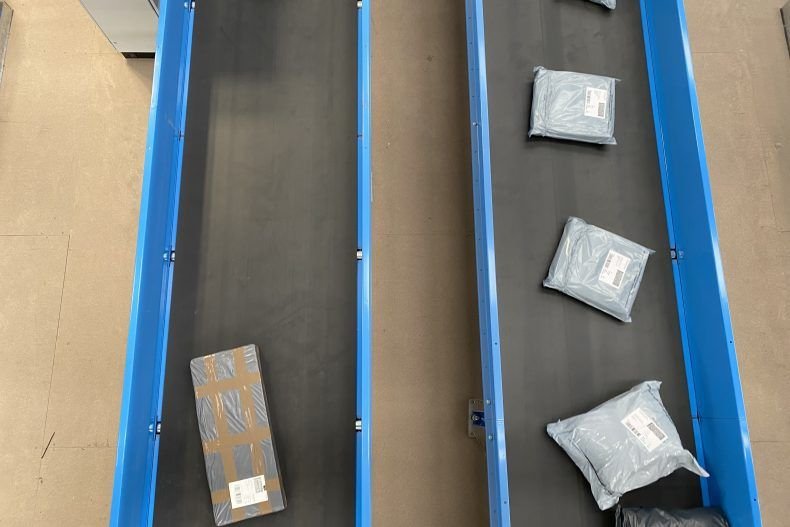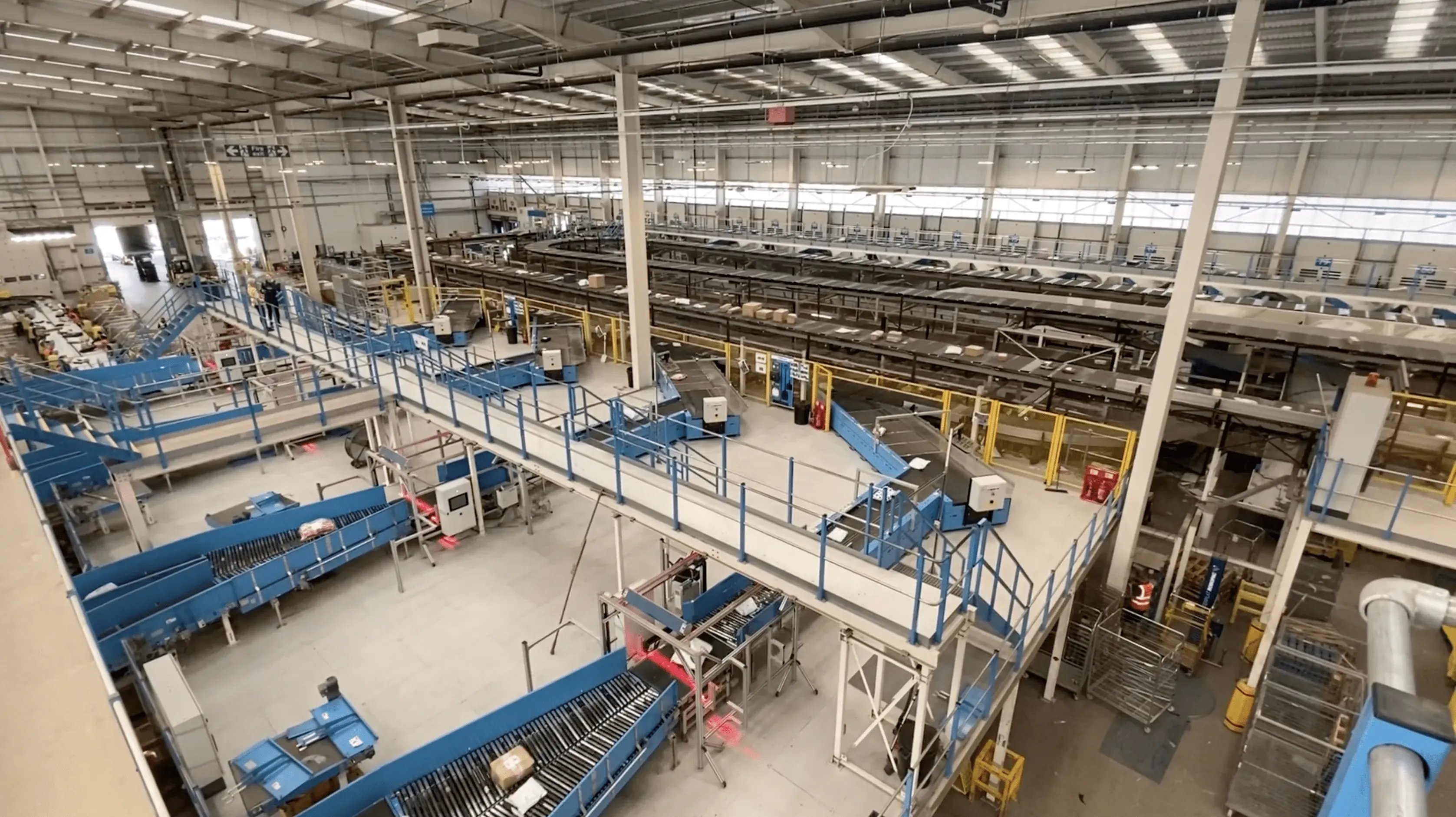
Automated-Ecommerce-Warehouse

Automated Warehouses

Warehouse automation is transforming the logistics industry, driving efficiency, reducing costs, and enhancing customer service. As customer demand for faster and more accurate order processing continues to grow, businesses in the UK and worldwide are turning to advanced technologies in automated warehouse systems to stay ahead of the curve. From small businesses to large-scale distribution centre operations, automated warehouse systems offer an innovative solution to streamline processes such as inventory management systems, picking, conveyor systems, sortation systems, packing processes, sorting, and inventory control processes.

With nearly 30 years of experience, MotionTech has been at the forefront of these advancements, helping businesses optimise their warehouse operations and warehouse performance. By integrating technologies such as robotics, conveyor systems, and intelligent warehouse control software, businesses can create highly efficient automated workflows that improve throughput, accuracy, and scalability. In this guide, we’ll explore how automated warehouses work, the advanced systems powering them, and the future of warehouse automation solutions.

What Are Automated Warehouses?

An automated warehouse uses automation technologies to carry out key logistics functions traditionally performed by human workers. These systems integrate conveyor systems, autonomous vehicles, robotics, artificial intelligence (AI), and machine learning to enhance inventory accuracy, streamline manual tasks, and improve storage capacity. Automated systems help optimise the warehouse layout and increase efficiency, ensuring the entire process runs smoothly from receiving to accurate order fulfilment.


By replacing manual processes with automated systems, these warehouses achieve higher levels of efficient warehouse operations, lower operational costs, and greater scalability. Automation helps businesses streamline the movement of inventory, providing faster, more accurate real-time tracking and ensuring products are available when needed to meet customer expectations.

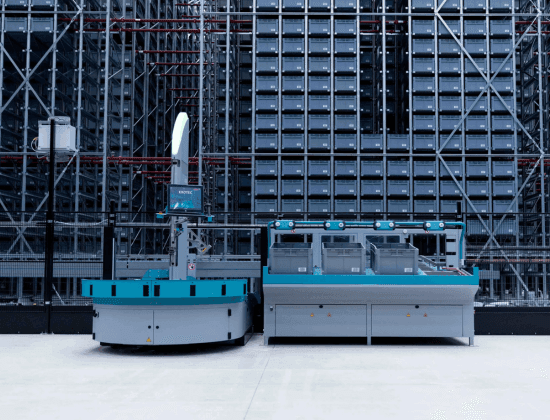
warehouse-automation-solution

Key Technologies Powering Automated Warehouses


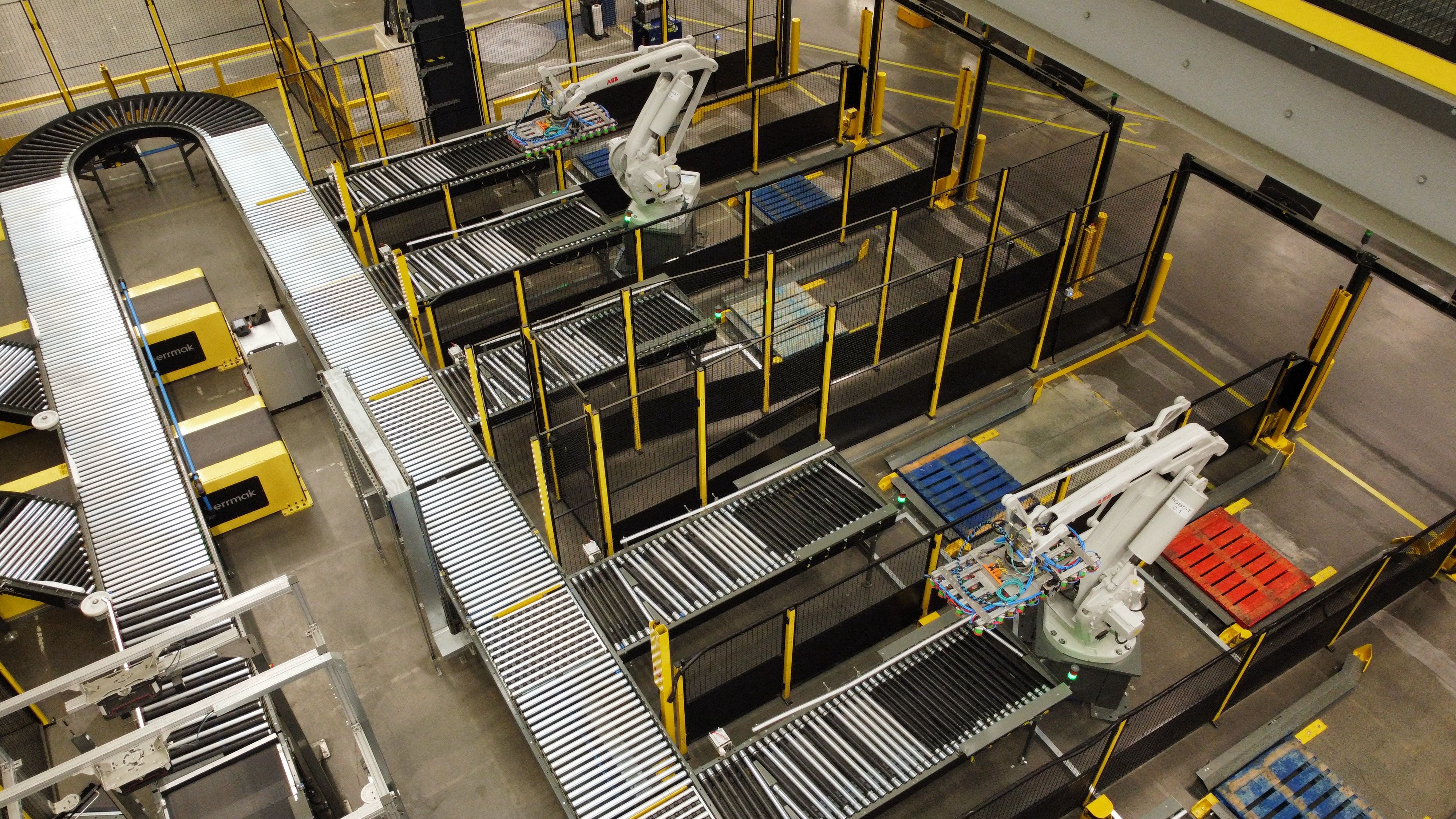
The evolution of warehouse automation now incorporates advanced systems such as Robotic arms, automated robots, and intelligent sortation systems to handle repetitive tasks with speed and accuracy. By combining these technologies with warehouse management software, radio frequency identification, and inventory management systems, businesses can optimise order processing while reducing the reliance on manual handling equipment. 


This approach not only helps address the ongoing labour shortage but also improves system reliability and operational consistency. Supported by robust support systems and continuous monitoring, these solutions enhance warehouse performance and keep logistics operations running efficiently. Integrating automated storage and retrieval systems into an automated warehouse enables precise product retrieval, effective inventory control, and streamlined movement of goods throughout the distribution centre.


asrs warehosue

Automated Guided Vehicles (AGVs) and Autonomous Mobile Robots (AMRs)

AGVs and AMRs are mobile robots designed to move goods around the warehouse floor. These vehicles use advanced algorithms and SLAM (Simultaneous Localisation and Mapping) to navigate autonomously, adjusting to real-time changes in their environment. AGVs and AMRs improve the movement of inventory by eliminating manual transport, reducing congestion, and increasing overall efficiency.

Automated Storage and Retrieval Systems (ASRS)

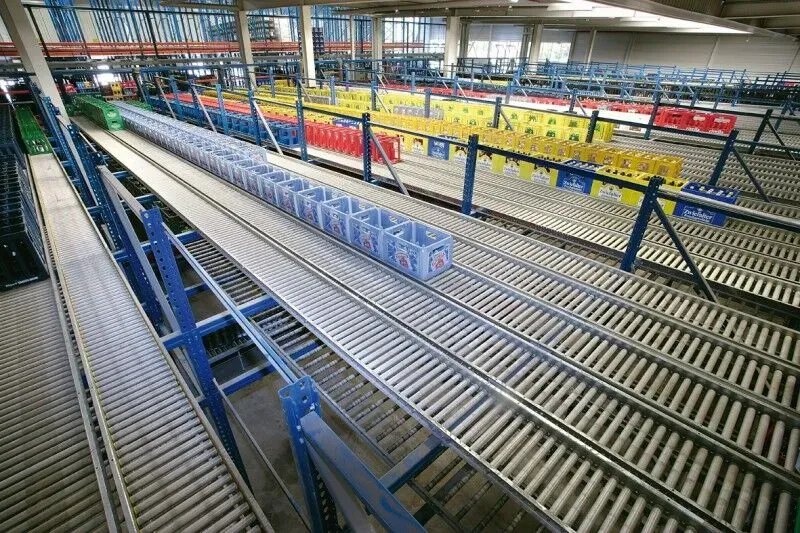
ASRS uses cranes, lifts, and shuttles to move inventory to and from storage locations, helping businesses optimise warehouse layout and improve space utilisation. With predictive maintenance and advanced warehouse automation, ASRS systems can adapt to fluctuating stock levels, ensuring real-time tracking and efficient storage.

Robotic Picking Systems

Robotic picking systems enhance the packing process by using AI and machine vision to pick products with high precision and minimal error. These systems can handle a wide range of products, from fragile items to large goods, making them ideal for modern warehouses that need to meet customer demand efficiently. Industrial robots and robotic picking can handle basic automation tasks and scale up to more advanced automation systems as needed.

IoT Sensors and Smart Shelving

Smart shelves and IoT sensors enable real-time tracking of inventory and trigger automated stock replenishment when products are low. These systems help manage stock levels effectively, reducing the risk of understocking or overstocking and enabling warehouse managers to focus on more strategic tasks.

Warehouse Management Systems (WMS) and Warehouse Control Systems (WCS)

WMS and WCS work together to optimise warehousing operations by integrating automated equipment, managing inventory, and providing data insights. These systems predict demand, helping businesses optimise their inventory control processes and create efficient workflows for modern warehouses.

Key Benefits of Automated Warehouses


Automating warehouse processes offers several significant benefits:


Automated Warehouse Solutions


warehouse automation


Increased Efficiency and Speed

Automation eliminates downtime caused by breaks or shifts, ensuring continuous operations around the clock. Systems like robotic picking, motorised pallet shuttles, and conveyor systems allow warehouses to process orders faster, reducing cycle times and improving accurate order fulfillment.

Cost Reductions

While the upfront costs of automation may be significant, the long-term savings in labor costs, increased productivity, and fewer errors lead to a favourable return on investment (ROI). By eliminating manual labor, businesses save on staffing costs and reduce errors that could lead to costly returns or delays.

Improved Accuracy and Safety

Automated systems reduce human error and improve inventory accuracy, which is essential for businesses with high-volume order fulfillment. Automation technologies can also take over hazardous tasks, such as handling heavy loads or dangerous materials, increasing safety for warehouse workers.

Better Inventory Management

Real-time data from IoT sensors and advanced warehouse automation systems enables businesses to optimise storage capacity and ensure inventory is at the right levels at all times. This improves responsiveness to market fluctuations and customer demand.

Scalability

Automated systems provide the flexibility to scale operations without major infrastructure changes. Whether handling seasonal peaks or expanding product lines, automation systems adapt to demand, making it easier to scale without compromising efficiency.

Sustainability

Automated systems reduce waste, improve energy efficiency, and support sustainable logistics. With digital automation solutions and energy-efficient systems, businesses can optimise energy consumption, reduce emissions, and lower their environmental footprint.

Supply Chain & Customer Outcomes


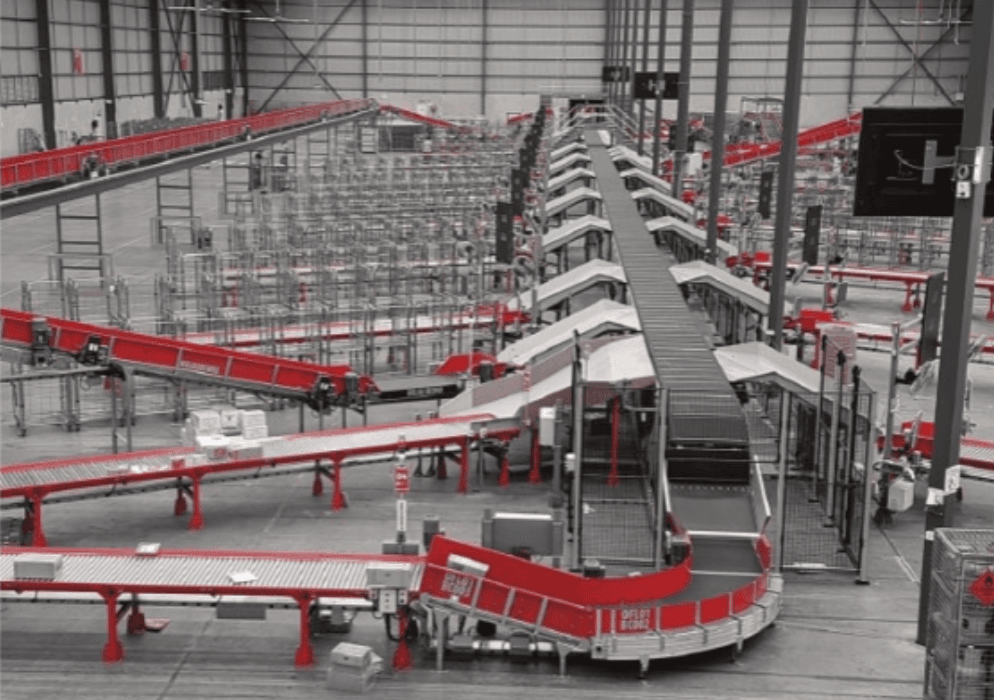
Automated warehouses are not only about technology, but also about strengthening the supply chain and improving customer satisfaction. By integrating conveyor belts, stacker cranes, and intelligent sensor technologies, facilities can achieve smoother order preparation and faster deliveries. The result is an automated warehousing model that ensures real-time visibility of goods, eliminates bottlenecks, and provides the accuracy that customers expect in today’s fast-moving logistics networks. When paired with real-time inventory tracking, these solutions give managers complete oversight of stock levels and movements across the entire supply chain.


Automation Levels & Future Scalability


Modern facilities often combine physical automation with a semi-automated system to balance investment costs with efficiency. Over time, this can be scaled into fully integrated automated logistics solutions that align with broader supply chain solutions. From simple conveyor-based handling to advanced automated storage and retrieval systems, each level of automation improves productivity while reducing dependency on manual labour. By adopting a phased approach, warehouses can implement the right level of technology today while keeping flexibility for future growth, ensuring their automated warehousing investment continues to deliver value long-term.

The Future of Automated Warehouses


As facilities look to the future, many are adopting edge computing and AI and machine learning to drive predictive analytics, demand forecasting, and real-time decision-making. These technologies support innovations like warehouse drones, RS for boxes, and advanced goods-to-person technology, ensuring the entire operation remains agile and adaptable. 


An automated fulfilment system integrated with Fleet management software creates a seamless link between storage, picking, and shipping, while voice-picking systems enhance accuracy and reduce fulfilment times. Whether through a strategic warehouse upgrade or gradual automation adoption, the combined use of these systems delivers faster order turnaround, improved customer service, and greater overall efficiency in modern warehouse operations and logistics operations.

AI and Machine Learning

AI will continue to optimise warehouse layout, enhance robot collaboration, and predict demand, pushing the boundaries of automation. Advanced algorithms will improve the level of automation, making warehouses more efficient and adaptable.

Collaborative Robots (Cobots)

[Cobots](/collaborative-robotics-cobots-manufacturing) will work alongside human workers, handling basic automation tasks while enabling workers to focus on more strategic functions. These robots improve productivity and safety in warehousing operations by complementing human labour.

5G Connectivity

With 5G networks, real-time communication between systems in the warehouse will become more reliable and faster, enabling seamless integration between robots, sensors, and warehouse management systems for even more efficient operations.

Fully Autonomous Warehouses

As technology evolves, fully autonomous warehouses are becoming more feasible. These systems will reduce the need for human intervention, driving down operational costs while increasing operational efficiency.

Conclusion

As the logistics industry continues to evolve, advanced warehouse automation will become increasingly essential. Technologies like autonomous robots, AI, and robotic picking systems enable businesses to create highly efficient and scalable operations that meet customer expectations and improve overall performance.


At MotionTech, we specialise in delivering advanced warehouse automation solutions tailored to meet the unique needs of businesses. Whether you’re looking to implement basic automation or a fully automated warehouse, our team is ready to help you optimise your warehousing operations and stay ahead of the competition.

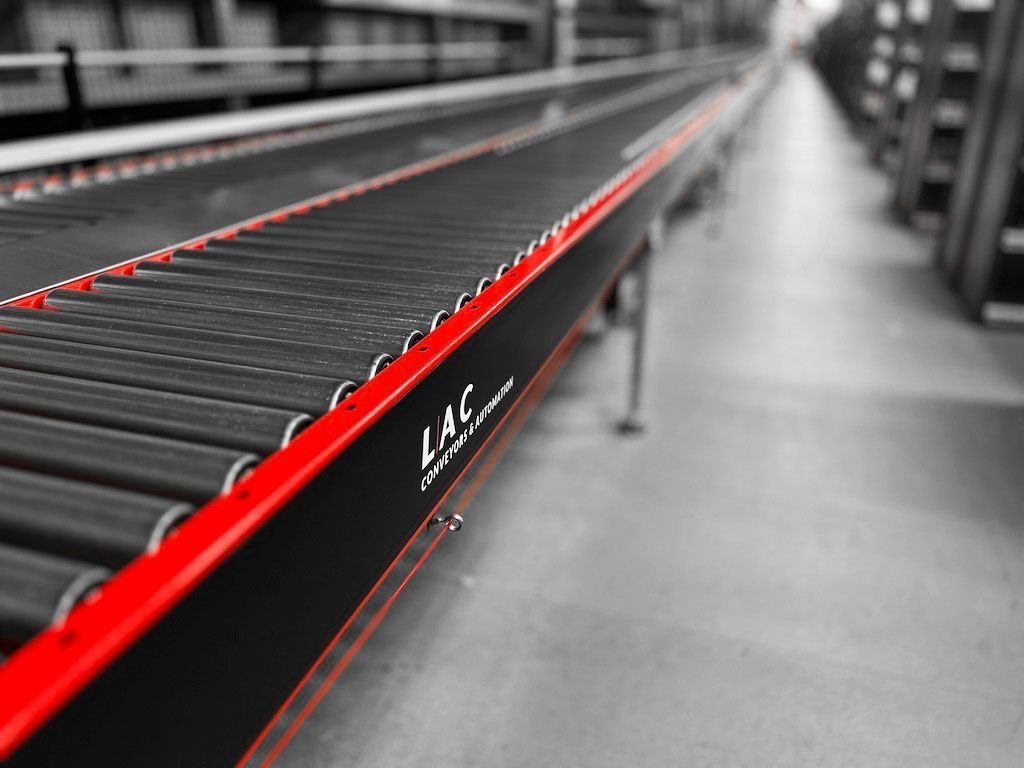
LAC LOGISITICS AUTOMATION

Frequently asked questions

Warehouse automation comes in several forms, ranging from physical automation, such as conveyor belts and RS systems, to cutting-edge technologies like robotics and AI. These systems can automate the picking process, packing stations, and more, streamlining complex tasks that would otherwise require manual labor. The levels of warehouse automation can vary depending on the complexity of operations and the needs of the business.

By integrating cutting-edge technologies like automated conveyors, robotic pickers, and RS systems, businesses can significantly improve warehouse efficiency. These systems can reduce the time spent on repetitive tasks, improve accuracy, and ensure smoother workflows, ultimately increasing the speed and reliability of your operations.

Warehouse automation, through the use of systems like conveyor belts and robotic picking, helps reduce labour costs, improve inventory levels management, and optimise warehouse space. By automating routine tasks, businesses can also minimise human errors, leading to cost savings associated with returns, delays, and rework.

Automated systems with real-time tracking and inventory management capabilities ensure accurate inventory levels by automatically updating stock data. This reduces the risk of stockouts or overstocking, enabling businesses to maintain optimal stock levels and improve the flow of goods through the supply chain.

As businesses expand and experience rapid growth, automation systems, such as RS systems and conveyor belts, can scale with the increased demand. These technologies can handle larger volumes of goods without compromising speed or accuracy, making them ideal for supporting growing supply chains and managing the complexity of larger operations.

Physical automation, including conveyor belts and automated packing stations, helps reduce the manual handling of goods, improving speed and accuracy. By automating repetitive tasks, such as moving inventory from one point to another, physical automation boosts operational efficiency and reduces the likelihood of injuries or strain for warehouse staff.

Automation technologies excel at handling complex tasks that would be time-consuming and error-prone if done manually. For example, automated picking processes using robotics or AI-powered systems can efficiently manage the retrieval of various products, even those with different shapes and sizes. This reduces labor costs and increases overall productivity.

The levels of warehouse automation vary depending on the type of business and its needs. At basic levels, conveyor belts and simple automated systems can handle repetitive tasks, while at higher levels, more advanced systems like robotics, AI, and machine learning come into play to manage more complex tasks and optimise warehouse space. By selecting the right level of automation, businesses can improve warehouse efficiency and ensure they meet the demands of a modern, fast-paced supply chain.

An automated warehouse system combines hardware and software to automate the movement, storage and retrieval of goods inside a warehouse. A typical automated warehouse system brings together automated storage and retrieval systems (ASRS), conveyors, AGVs or AMRs, robotic picking and a warehouse management system (WMS), so stock can be received, stored, picked and dispatched with minimal manual handling. At MotionTech we design each automated warehouse system around the site's throughput, product range and available space.

A fully automated warehouse is a facility where goods are received, stored, retrieved and dispatched almost entirely by automated systems, with very little manual handling. In a fully automated warehouse, technologies such as ASRS, autonomous mobile robots, robotic picking cells and goods-to-person stations are coordinated by warehouse management and control software. Most UK operations reach a fully automated warehouse in stages, automating the highest-volume processes first before scaling up.