industrial-conveyor-belt-types

Understanding the Different Types of Industrial Conveyor Belts and Their Applications

Industrial conveyor belts form the backbone of material handling systems across countless sectors, from manufacturing and mining to food processing and logistics. These essential components enable the efficient movement of products and materials, reducing manual labour whilst increasing throughput and operational consistency.

However, not all conveyor belts are created equal. The diversity of industrial applications demands a wide range of belt types, each engineered to meet specific operational requirements and environmental conditions.

Selecting the appropriate type of conveyor belt is crucial for optimising performance, minimising downtime, and ensuring workplace safety. Understanding the characteristics and applications of different belt varieties enables businesses to make informed decisions that align with their operational needs and budgetary constraints.

Exploring the Key Types of Conveyor Belts in Modern Industry


Conveyors are the heartbeat of modern material handling. From moving food products through hygienic production lines to transporting heavy goods in manufacturing and logistics, they keep operations efficient, consistent, and cost-effective. The right type of conveyor belt can transform a process, improving safety, precision, and throughput while reducing manual handling and downtime.

Understanding how different industrial conveyor belts perform in varied environments helps businesses choose systems that deliver long-term performance and measurable return on investment.

Flat Belt Conveyors

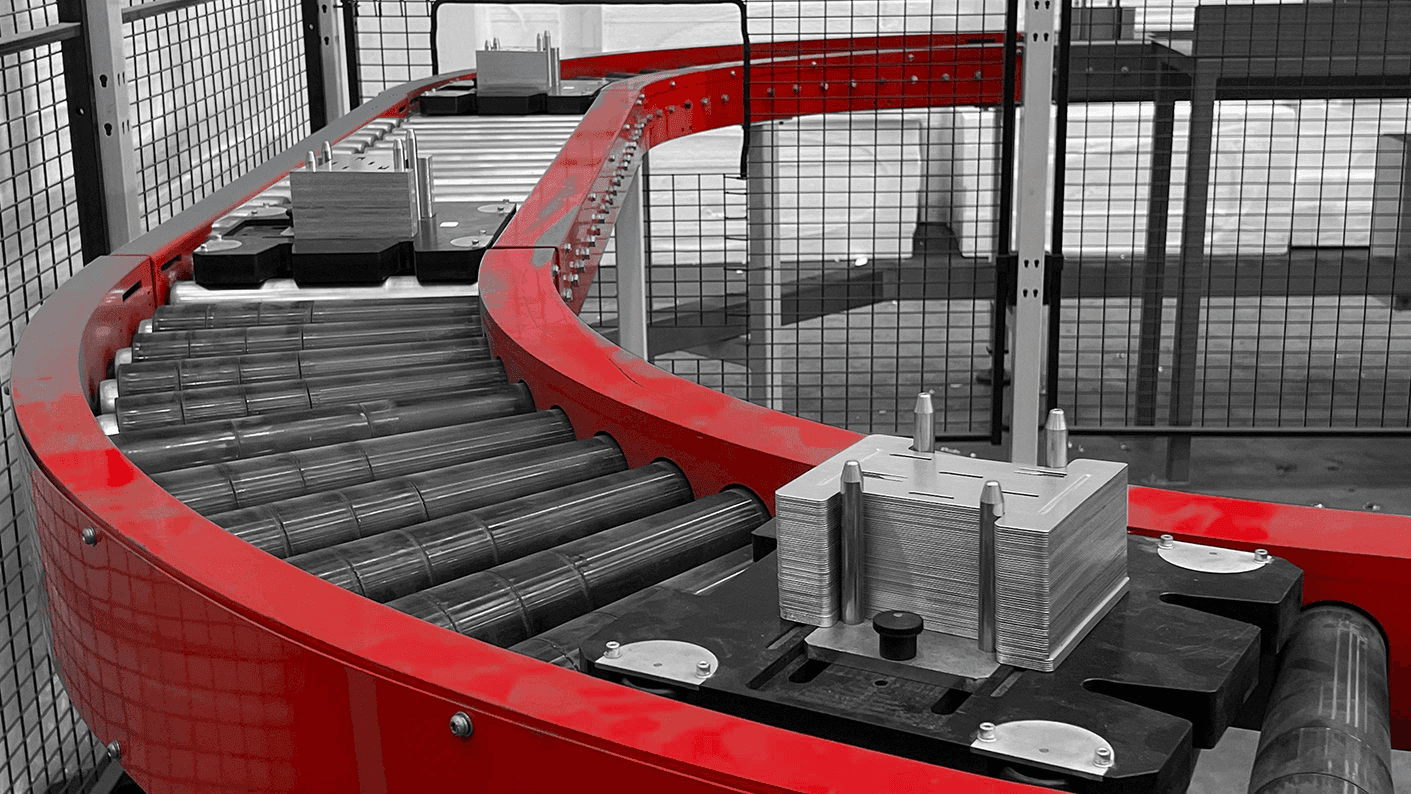
Before exploring advanced designs, it’s worth noting that flat belt systems form the foundation of most industrial conveyor solutions. These flat belt counterparts offer simplicity, versatility, and smooth material transfer for a wide range of industries. Flat belt conveyors represent the most common and versatile category of conveyor systems. These belts feature a smooth, level surface ideal for transporting lightweight to medium-weight items across horizontal or slightly inclined paths. Their simplicity makes them particularly popular in packaging facilities, assembly lines, and distribution centres. The construction of flat belts varies considerably depending on the intended application. 


Materials range from PVC and polyurethane to rubber compounds, each offering distinct advantages in terms of durability, friction, and resistance to environmental factors. Food products and hygienic environments often require food-grade materials that meet strict hygiene standards and resist bacterial growth. Flat belts excel in applications requiring gentle handling of products, such as electronics assembly or pharmaceutical packaging. Their smooth surface minimises product damage whilst maintaining consistent transport speeds. Additionally, these belts can be easily configured with accessories like side guides, cleats, and belt tracking systems to enhance functionality.

flat belt conveyors

Advantages of flat belt conveyors


Smooth transport for delicate or packaged goods

Simple maintenance and cost efficiency

Adaptable roller bed setup for heavier loads

Reliable belt with gravity return for even tension distribution

Modular Plastic Belts

Modular belt conveyors are a modern solution designed for easy maintenance, strength, and flexibility. Built from interlocked pieces of plastic, they can handle varied materials and process conditions, especially where extreme temperatures and sanitation requirements are present. Modular plastic belts have gained significant traction in recent decades, particularly within industries demanding superior hygiene standards and easy maintenance. Unlike traditional belts manufactured from single continuous materials, modular belts comprise interlocking plastic modules that form a flexible yet robust conveying surface.


These belts offer exceptional advantages in food products, beverage production, and pharmaceutical manufacturing. The open hinge design facilitates thorough cleaning, preventing contamination and bacterial accumulation. When damage occurs, individual modules can be replaced without dismantling the entire belt system, significantly reducing maintenance costs and downtime. The material composition of modular belts, typically polypropylene or acetal, provides excellent resistance to chemicals, oils, and temperature extremes. This resilience makes them suitable for washdown environments and applications involving direct product contact. Furthermore, the variety of available module designs allows customisation for specific conveying requirements, whether transporting small components or large containers.

modular plastic conveyor belt

Why modular conveyor belt systems stand out


Hygienic design for washdown environments

Easy replacement of damaged modules

Excellent chemical and temperature resistance

Suitable for both curved layouts and straight runs

Advanced Conveyor Belt Options for Heat, Airflow, and Incline Control

Wire Mesh Belts


Wire mesh and flat wire belts represent specialised categories designed for extreme temperatures, airflow, and drainage. Constructed from interwoven metal wires, these belts provide unmatched durability and allow integration of metal nubs for better grip and consistent spacing. Wire mesh belts represent a specialised category designed for extreme temperature applications and processes requiring airflow or liquid drainage. Constructed from interwoven metal wires, these belts demonstrate remarkable strength and heat resistance, making them indispensable in industries such as heat treatment, baking, and parts washing.


The open mesh structure allows hot air, steam, or cleaning solutions to pass through freely, enabling processes like drying, cooling, or coating. Stainless steel variants offer superior corrosion resistance, essential for food products involving high temperatures or acidic environments. Alternative materials, including carbon steel and specialised alloys, cater to specific industrial requirements. Wire mesh belts find extensive use in industrial ovens, furnaces, and freezing tunnels. Their ability to withstand temperatures exceeding 1,000 degrees Celsius makes them invaluable for metallurgical processes and glass manufacturing. The mesh design also prevents product accumulation, maintaining consistent airflow and heat distribution throughout processing cycles.


Cleated and Patterned Belts


In certain industries, materials must travel on inclines, declines, or under irregular flow conditions. To manage loose materials and avoid rollback, cleated and patterned belts offer the right balance of traction and containment. When conveying operations involve inclines, declines, or materials prone to slippage, cleated and patterned belts provide essential solutions. These belts feature raised profiles, ridges, or attachments that prevent product rollback and enable steeper incline angles than standard flat belts permit.


Cleats come in various configurations, including straight, angled, and curved designs, each suited to different product types and conveying angles. Agricultural applications frequently employ cleated belts for grain handling, whilst airports utilise them in baggage handling systems to navigate elevation changes efficiently.Patterned belts incorporate surface textures such as diamond, herringbone, or chevron patterns. These designs increase friction between the belt and transported materials, proving particularly valuable when handling loose items, agricultural products, or materials in dusty or wet conditions. The enhanced grip reduces slippage whilst maintaining gentle product handling characteristics.

Timing and Synchronous Belts for Precision Motion

Where precision and alignment are critical, timing belts ensure accurate product movement and synchronisation. Industries such as automotive manufacturing, robotics, and electronics rely on these belts for repeatable, consistent performance.


Their flat belt systems and toothed profiles ensure no slippage, making them ideal for processes requiring absolute accuracy. Timing belts are also quieter and require less maintenance compared to chain-driven systems.


Modern timing and synchronous belts are vital when coordinating multiple drives within a process, ensuring consistent spacing and uniform motion across machinery. They are used extensively in modular conveyor belt systems for quality control, packaging lines, and robotic applications that demand precision.

Hachette LAC CONVEYORS

Key features of Timing and Synchronous Belts


Accurate speed ratios with minimal variation

Durable materials for long-term use in high-load environments

Resistance to extreme temperatures and operational wear

Compatibility with automation and light fixture integration setups

Making the Right Choice

Selecting appropriate industrial conveyor belt types requires careful consideration of multiple factors, including load characteristics, environmental conditions, speed requirements, and maintenance capabilities. Understanding the strengths and limitations of each belt category enables businesses to optimise their material handling systems for maximum efficiency and longevity. Choosing the right type of conveyor belt also depends on how it integrates into your wider automation setup. MotionTech’s engineers provide professional advice on everything from belt tracking systems and component selection to upgrades that align with operational needs.


Before making a decision, consider:


  • Load weight and frequency of use
  • Ambient or extreme temperature environments
  • The need for modular belt conveyors, vacuum conveyors, or magnetic systems
  • Maintenance access and replacement cycles
  • Integration with robotics or inspection systems for enhanced quality control
LAC Conveyor