Cobots in Manufacturing

Cobots in Manufacturing: Enhancing Productivity and Workforce Safety Through Collaboration

The manufacturing industry has long relied on automation to increase efficiency and output. Traditional industrial robots have been a cornerstone of this transformation, taking on repetitive or physically demanding tasks at scale. However, their need for fixed cages and separation from the workforce has created operational limitations across busy factory floors. Today, advanced robotics is entering a new era. Collaborative robots, or cobots, are reshaping automation in manufacturing by working safely alongside human employees, enabling shared workflows that combine robotic precision with human adaptability. This shift toward integrated robotics supports smarter, more flexible production lines capable of meeting modern demand.

What Are Cobots?


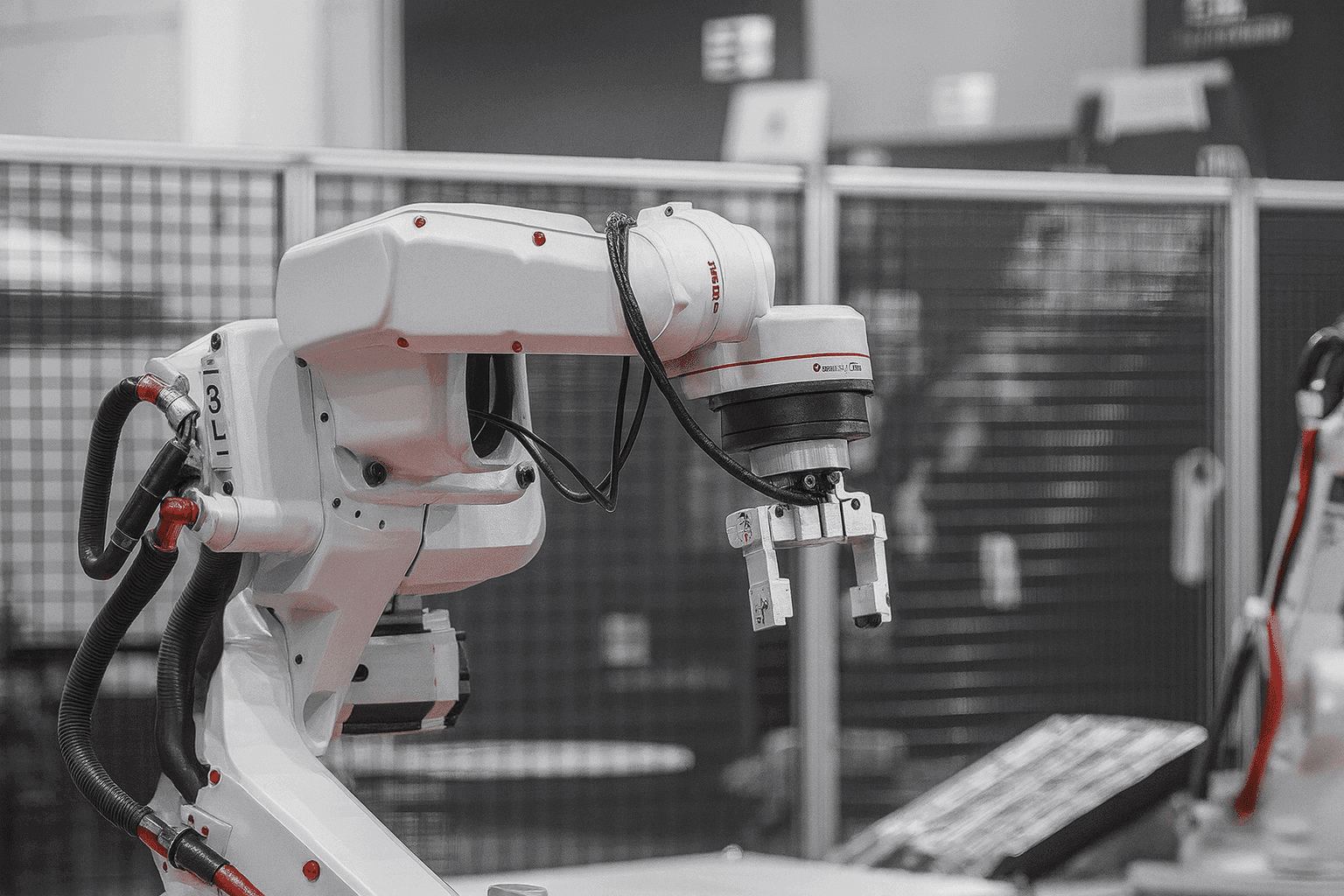
Collaborative robots are designed to operate in shared workspaces with human workers, unlike their standard robots counterparts which typically require safety cages and dedicated zones. These machines are equipped with advanced sensors, force sensors, and intuitive programming interfaces that enable them to detect human presence and adjust their behaviour accordingly.

The key difference lies in their operational philosophy. Whilst conventional industrial robots excel at high-speed, repetitive jobs in isolated environments, cobots prioritise flexibility and human-robot interaction. They can be easily reprogrammed, moved between workstations, and adapted to various tasks without extensive retooling or additional safety protocols.

Key features of collaborative robots include


Built-in vision systems for precise object detection and part alignment

Force sensors to detect contact and prevent accidents

Simple user interfaces for easy programming

Adaptability for multiple manufacturing process tasks

Compliance with modern safety protocols and standards

Transforming Manufacturing Productivity

Cobots in the manufacturing industry are proving their worth across diverse applications. Assembly lines benefit from their precision in tasks such as pick-and-place operations, vision-guided quality inspections, and component fitting. In machine tending, cobots can load and unload CNC machines, presses, and injection moulding equipment, maintaining consistent operation during shift changes and breaks.


The automotive manufacturing sector has embraced cobots for tasks including screw driving, polishing, and parts testing. Electronics manufacturers deploy them for delicate assembly work that requires both precision and adaptability. Even smaller operations, previously unable to justify the investment in traditional automation, are finding prominent cobots economically viable due to their lower installation costs and minimal infrastructure requirements.

cobots in warehouse setting

Applications where collaborative robots add value


One significant advantage is their contribution to continuous operation. Cobots can handle monotonous, repetitive motions that would otherwise lead to worker fatigue and errors, particularly during extended shifts. This allows human employees to focus on higher-value activities such as problem-solving, quality control, and process optimisation.

Metal fabrication and welding support for heavy duty tasks

Automotive manufacturing assembly, testing, and component handling

Repetitive inspection processes using vision-based robot guidance systems

Material transfer and manufacturing process assistance under tight tolerances

End-of-line quality control and packaging

Advancing Workplace Safety

Safety improvements represent one of the most compelling benefits of cobots in automation in manufacturing environments. Traditional industrial robots, whilst powerful and efficient, pose significant risks when humans enter their operational zones. The safety measures required, including physical barriers, light curtains, and emergency stop systems, create rigid boundaries between automated and manual work areas.


Cobots address these concerns through built-in safety features. Force sensors and torque monitoring enable them to detect unexpected resistance or contact, triggering immediate or reduced-speed operation. Vision systems and proximity sensors maintain safe distances from workers, slowing down or pausing when humans approach.

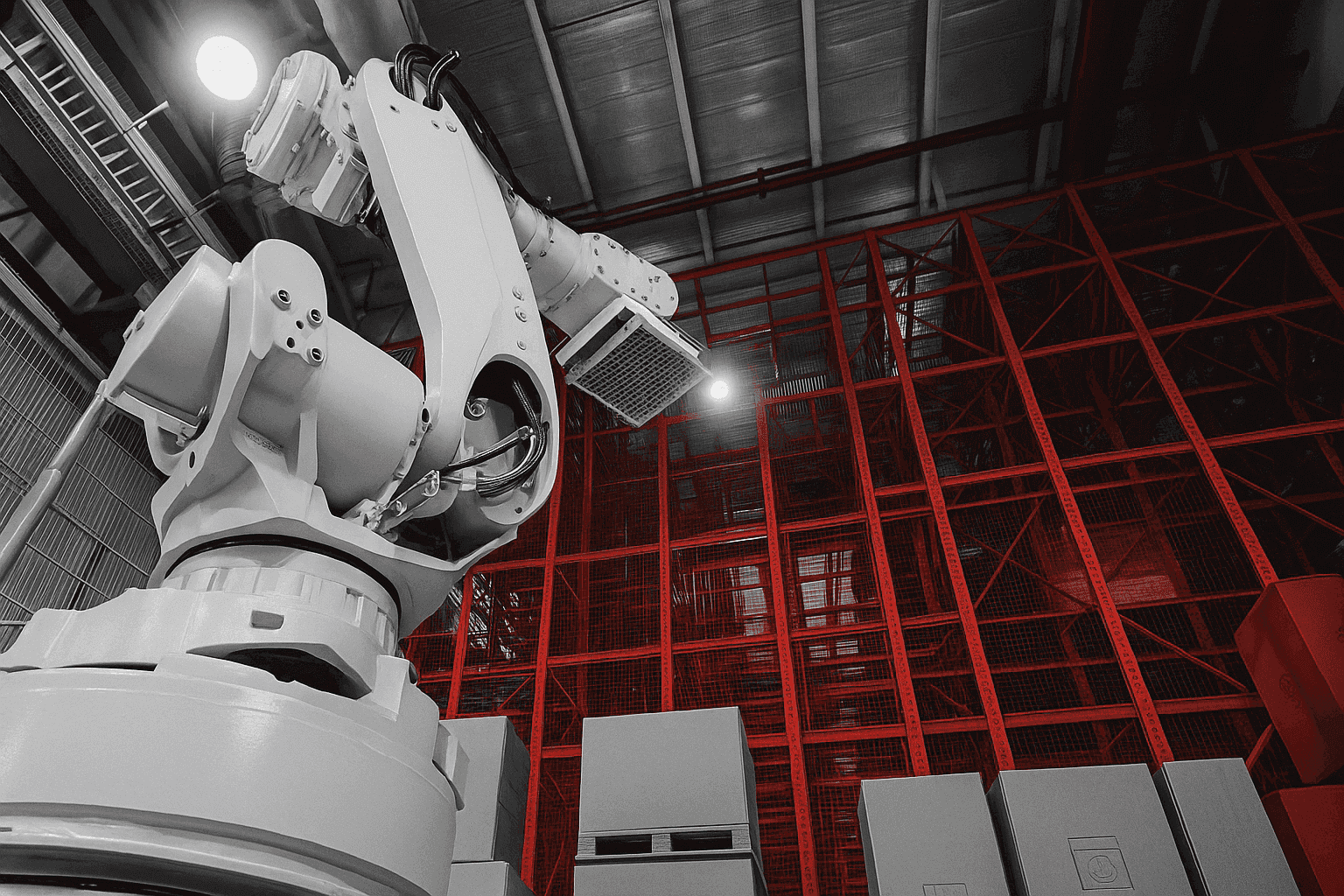
Collaborative robotic in industrial setting

Safety benefits of collaborative robots include


This collaborative approach reduces the risk of repetitive strain injuries by taking over physically demanding tasks. Workers no longer need to perform thousands of identical movements daily, decreasing the likelihood of injuries. Cobots also handle materials in hazardous conditions, such as extreme temperatures or exposure to harmful substances, protecting human health.


The psychological impact shouldn’t be overlooked. When workers feel safer and less physically strained, job satisfaction typically increases. The fear of injury diminishes, and employees can concentrate on their tasks with greater confidence.

Reduced risk of workplace accidents and collisions

Lower strain from heavy loads and repetitive lifting

Minimised musculoskeletal disorders from repetitive handling

Enhanced trust and communication between humans and machines

Improved adherence to safety protocols in shared environments

Integration Challenges and Considerations

Despite their advantages, successful cobot implementation requires careful planning. Manufacturers must assess which processes genuinely benefit from collaborative robots rather than applying the technology indiscriminately. Not every task suits cobot capabilities; some applications remain better suited to either standard robots or human workers alone.


Training represents another critical factor. Employees need proper instruction on working alongside cobots, understanding their capabilities and limitations. This includes learning to programme and reprogramme units for different tasks, a skill that empowers workers rather than displacing them.

Cobots in Manufacturing

Key considerations for integration


Initial investment, whilst lower than traditional automation, still requires justification. Companies must evaluate ROI based on productivity gains, safety improvements, and workforce optimisation. The payback period varies depending on application, production volume, and labour costs.

Evaluating current manufacturing processes and identifying repetitive workflows

Reviewing compliance with existing safety protocols

Assessing skills shortages and opportunities for workforce reskilling

Determining demand for maintenance and technical support

Selecting cobots compatible with current automation in manufacturing setups

The Future of Human-Robot Collaboration

As technological advancements continue, cobots are becoming more sophisticated. Artificial intelligence and machine learning are enhancing their ability to adapt to variations in production, whilst improved vision systems provide finer control and safer interaction. The market for cobots in manufacturing continues to expand, with projections indicating substantial growth over the coming years.


Future trends shaping the cobot landscape:


  • Integration of vision-based robot guidance systems for improved inspection
     
  • Development of stronger cobots capable of handling heavy duty tasks
     
  • Simplified programming interfaces reducing the skills shortage barrier
     
  • Smarter sensors and automation in manufacturing analytics for predictive maintenance
     
  • Broader use across metal fabrication, electronics, and automotive manufacturing
Cobots in Manufacturing

The evolution of manufacturing lies not in choosing between human workers and automation, but in finding the optimal balance between the two. Cobots represent a practical approach to this challenge, combining the precision and consistency of machines with the creativity and problem-solving abilities of people.


For manufacturers seeking to enhance both productivity and safety, collaborative robots offer a proven pathway forward, strengthening the workforce, supporting continuous improvement, and advancing the next generation of automation solutions.