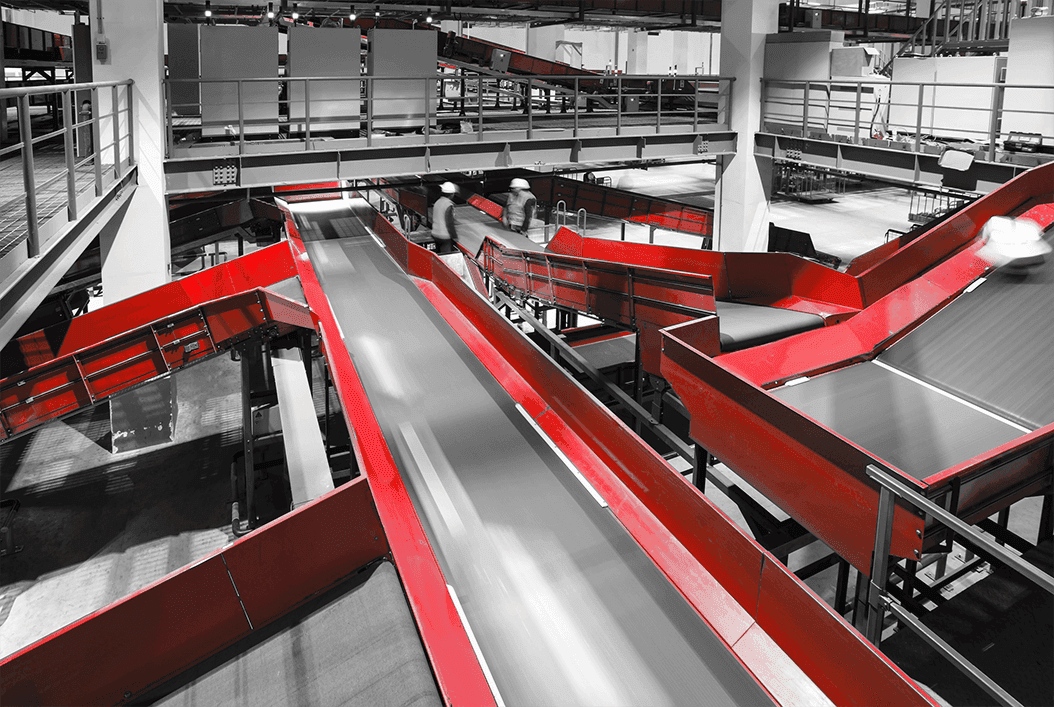























Decorative Image

High Speed Conveyor Systems Increasing Throughput in Fast Moving Production Lines

In modern manufacturing and distribution environments, speed matters. As consumer demand accelerates and production schedules tighten, facilities face mounting pressure to move goods faster without compromising quality or safety. High-speed conveyor systems have emerged as a critical solution for businesses looking to maximise throughput whilst maintaining operational efficiency within broader warehouse automation strategies.

These advanced material handling conveyors represent a significant evolution from traditional conveyor technology. By combining enhanced mechanical design with intelligent control systems, automated conveyors enable facilities to process substantially higher volumes in shorter timeframes. Understanding how these systems work and where they deliver the most value can help organisations make informed decisions about their production line investments.

What Defines a High-Speed Conveyor System?


High-speed conveyor systems typically operate at velocities exceeding 100 metres per minute, though some specialised applications reach speeds of 300 metres per minute or more. The distinction goes beyond simple speed, however. These systems incorporate precision engineering to handle rapid product movement whilst maintaining accurate positioning, gentle handling, and reliable operation.

The construction of high-speed conveyors differs markedly from standard systems. Manufacturers employ lightweight yet durable materials to reduce inertia, allowing for quicker acceleration and deceleration. Drive systems feature high-performance motors with advanced control capabilities, whilst belt or chain conveyors are selected for their ability to withstand the stresses of continuous high-velocity operation.

Common conveyor types used in high-speed lines include


Belt conveyors for smooth product transfer and continuous flow

Roller conveyors for heavy-duty applications and pallet transport

Modular conveyors for flexible layouts and quick reconfiguration

Curved belt conveyors for space-saving directional changes

Sortation conveyors for precise, high-volume product sorting

Key Industries Benefiting from High-Speed Conveyors

Food and beverage production represents one of the largest adopters of high-speed conveyor technology. Bottling lines, packaging operations, and processing facilities routinely handle thousands of units per hour. A modern beverage bottling plant, for example, may process upwards of 50,000 bottles hourly, requiring sorting belt conveyors and pallet conveyors capable of maintaining consistent flow rates whilst coordinating with filling, capping, and labelling equipment.


E-commerce fulfilment centres have similarly embraced conveyor automation systems to meet escalating delivery expectations. With consumers increasingly demanding next-day or same-day delivery, distribution facilities must sort and route thousands of parcels per hour. Automated sortation conveyors equipped with scanning and diverting mechanisms enable this level of throughput while improving warehouse logistics and customer satisfaction.
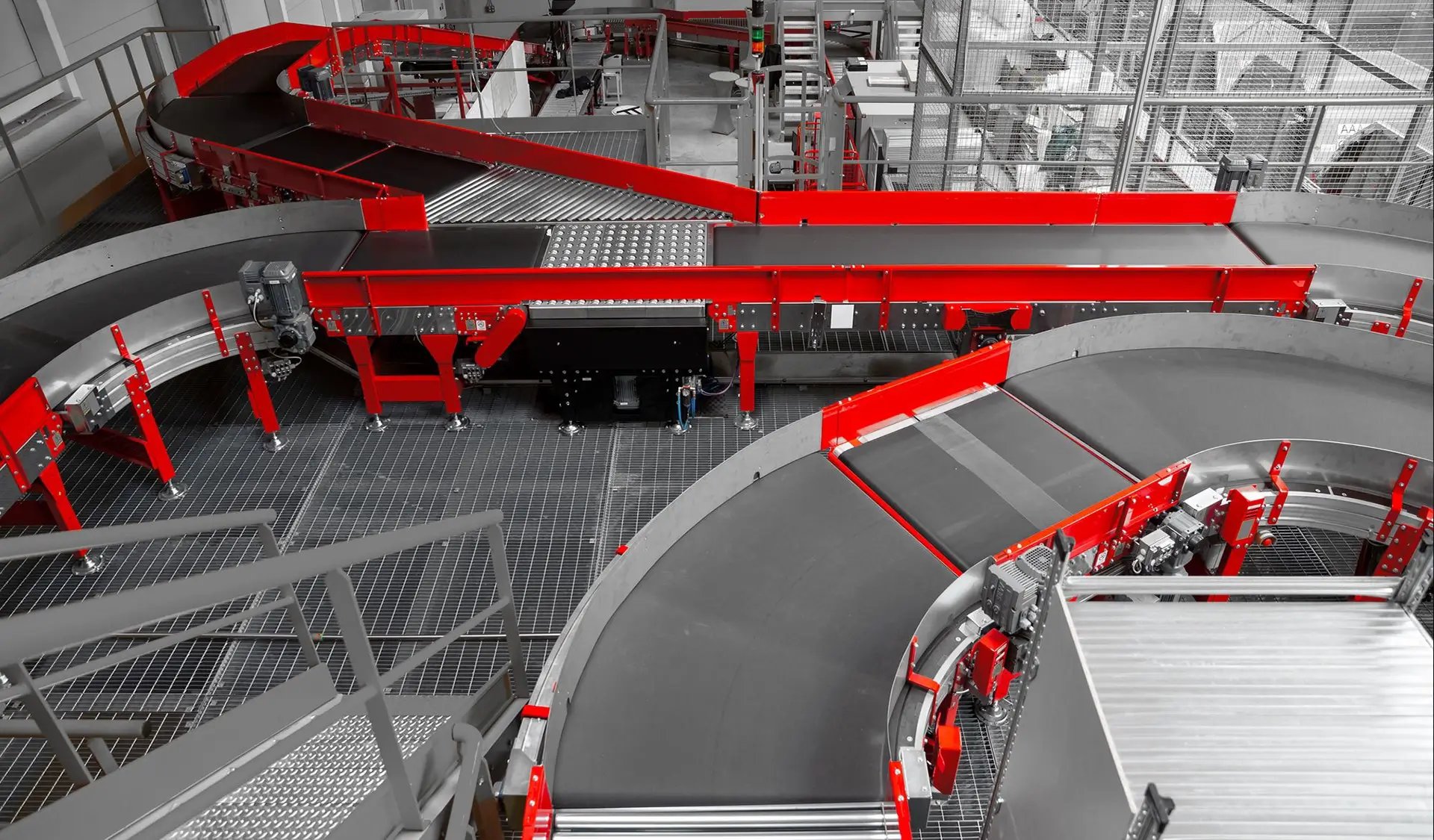
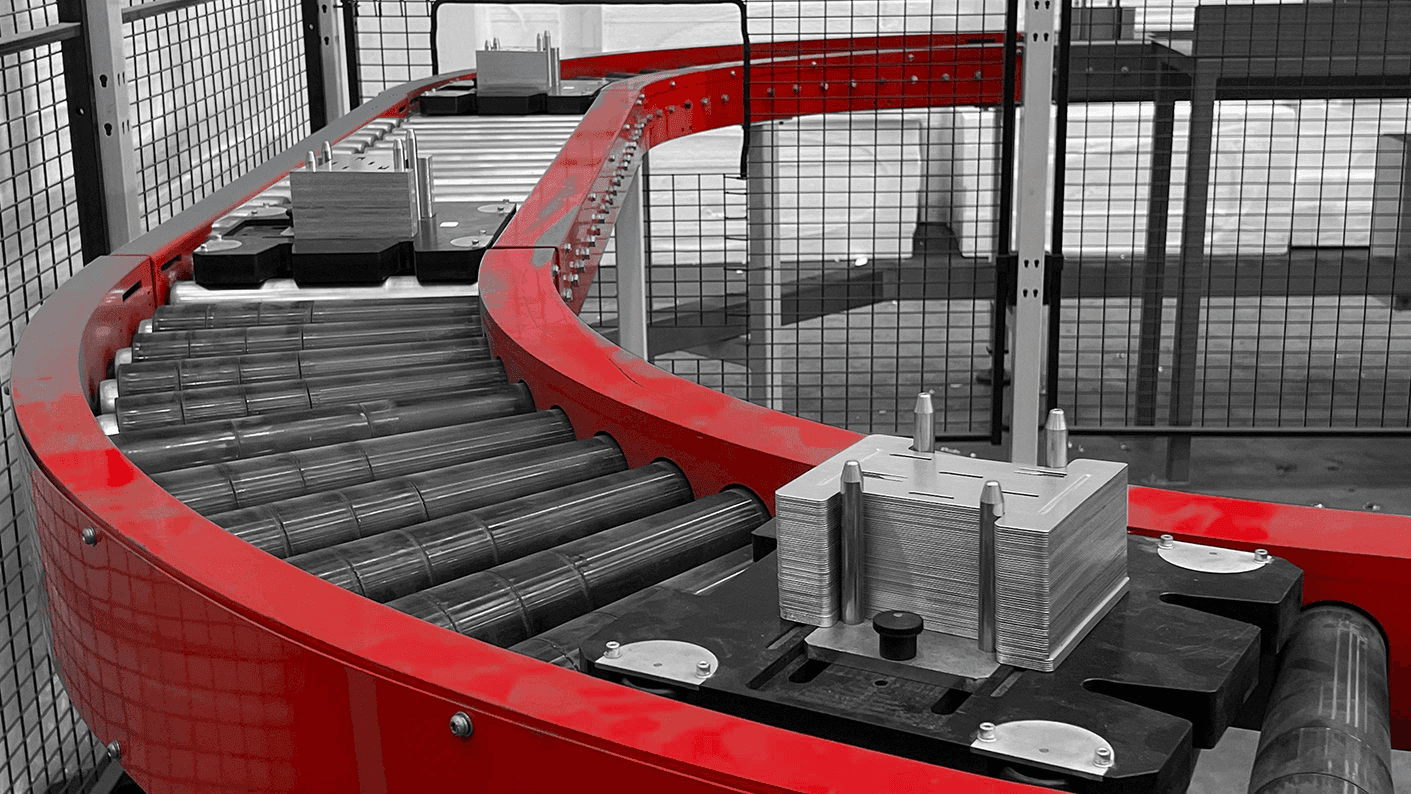
A large-scale automated conveyor system with a red belt, used for logistics and comprehensive material handling.

Pharmaceutical manufacturing also relies heavily on high-speed conveyor units, particularly for tablet and capsule packaging. These applications demand not only speed but also exceptional precision, as packaging must meet strict regulatory requirements whilst maintaining production rates that support commercial viability.

Technical Considerations for Implementation

Implementing high-speed conveyor systems requires careful attention to several technical factors. Product characteristics play a crucial role in system design. Lightweight items may require side guides or vacuum assistance to prevent displacement at high velocities, whilst fragile products need cushioned transitions and controlled acceleration zones.


Integration with upstream and downstream equipment presents another critical consideration. High-speed Belt Conveyors must synchronise seamlessly with filling machines, labellers, case packers, and other production line components. Modern systems employ sophisticated controls that communicate continuously with peripheral equipment, adjusting speeds dynamically to prevent bottlenecks or product accumulation.

conveyor systems uk based

Key design and integration considerations include


Maintenance accessibility cannot be overlooked. High-speed systems experience greater wear on components such as bearings, belts, and drive mechanisms. Facilities must ensure that maintenance personnel can quickly access critical components for inspection and replacement without extended production stoppages.

Ensuring a suitable conveyor surface for product stability

Integrating with upstream and downstream material handling systems

Selecting compatible pallet conveyors or vertical conveyors for multi-level operations

Accounting for product size, weight, and handling characteristics

Maintaining easy access for ongoing inspection and maintenance

Operational Benefits Beyond Raw Speed

Whilst increased throughput remains the primary driver for high-speed conveyor adoption, these systems deliver additional operational advantages that strengthen overall warehouse automation efficiency.


Floor space utilisation frequently improves as well. High-speed modular conveyors can process equivalent volumes using shorter runs compared to slower systems, potentially freeing valuable production floor space for other uses. This compact footprint proves particularly valuable in facilities where expansion possibilities are limited.

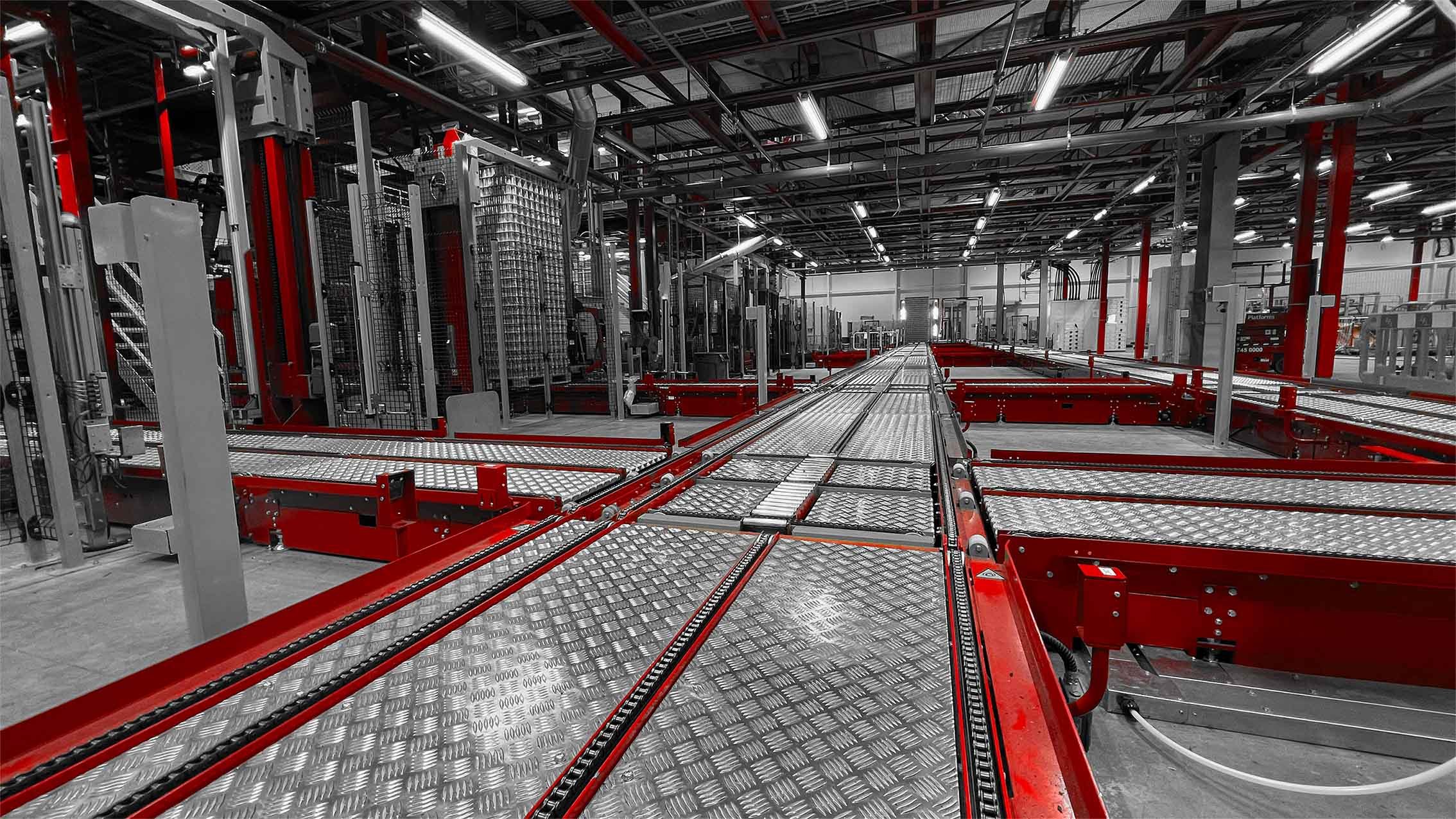
Automated conveyor systems in a large-scale industrial warehouse

Core performance benefits include


Energy efficiency may seem counterintuitive given the higher operating speeds, but modern Belt Conveyors and Roller Conveyors often consume less energy per unit processed than older, slower systems. Variable frequency drives, optimised motor sizing, and reduced idle time contribute to lower overall energy consumption when calculated on a per-product basis.

Reduced labour requirements and improved staff utilisation

Enhanced safety through fewer manual handling tasks

Compact designs that optimise floor space and material flow

Integration options with custom conveyor systems tailored to specific applications

Greater adaptability for future expansion and throughput growth

Challenges and Mitigation Strategies


High-speed material handling conveyors do present certain challenges that require proactive management. Noise levels tend to increase with operating velocity, potentially creating uncomfortable working conditions. Acoustic enclosures, vibration dampening, and strategic equipment placement can mitigate noise concerns whilst maintaining performance.


Product stability during high-speed transport demands attention to detail. Items may tip, slide, or become misaligned if conveyor design doesn’t account for the forces involved. Proper lane width selection, guide rail configuration, and transition design prevent these issues. Initial investment costs for automated conveyor systems typically exceed those of conventional conveyors.


However, organisations should evaluate these investments based on total cost of ownership, factoring in increased production capacity, reduced labour costs, and improved operational efficiency over the system’s lifespan.

Making the Business Case


For facilities considering high-speed conveyor system implementation, the decision hinges on quantifiable throughput requirements and growth projections. Operations already running near capacity with existing material handling conveyors represent ideal candidates for upgrades. Similarly, facilities planning expansion or facing increasing demand can future-proof their operations by specifying high-speed capabilities from the outset.


High-speed conveyor systems have transformed from specialised equipment into mainstream solutions for production-intensive environments. Whether integrating pallet conveyors, Curved Belt Conveyors, or custom conveyor systems, these technologies support sustainable scalability, improved safety, and seamless warehouse logistics.


As technology continues advancing and competitive pressures intensify, these systems will remain essential tools for organisations committed to operational excellence and customer satisfaction.