Automated Material Flow Systems

Automated Material Flow Systems: Integrating AS/RS with Conveyors and Robotics for Seamless Operations

Modern fulfilment centres are under more pressure than ever. Rapid shifts in supply chain demand, rising order volumes, and the need for tighter delivery windows mean that businesses must rethink how they design warehouse layouts, allocate storage spaces, and manage daily warehouse workflows.

Today’s operations teams increasingly rely on advanced automation technologies, including conveyor technology, Shuttle System modules, stacker cranes, Automated Guided Vehicles, and AGV & AMR fleets, to replace repetitive warehouse tasks and improve the reliability of material flow control across the site. These combined technologies are forming a new generation of automated equipment capable of addressing today’s most persistent logistics challenges.

Understanding Automated Material Flow Systems


Automated material flow systems orchestrate the movement of inventory throughout a facility without relying on manual handling. Rather than workers walking aisles to retrieve items or transporting goods between workstations, automated solutions handle these tasks with precision and consistency.

These systems rely on sophisticated software to coordinate multiple pieces of equipment simultaneously. Warehouse Control Systems (WCS) act as the operational brain, directing individual machines and ensuring smooth handoffs between different zones. Above this sits the Warehouse Management System (WMS), which manages inventory levels, order priorities, and overall facility strategy.

The result is a connected ecosystem where materials move efficiently from point to point, reducing idle time and eliminating bottlenecks that plague manual operations.

Additional benefits delivered by modern material flow systems


Streamlined warehouse orders across receiving, picking, and dispatch

Intelligent task allocation to both automation and humans

Stronger coordination between conveyor belts, AMRs, and AS/RS equipment

Predictable performance even during peak supply chain surges

The Role of AS/RS in Material Flow

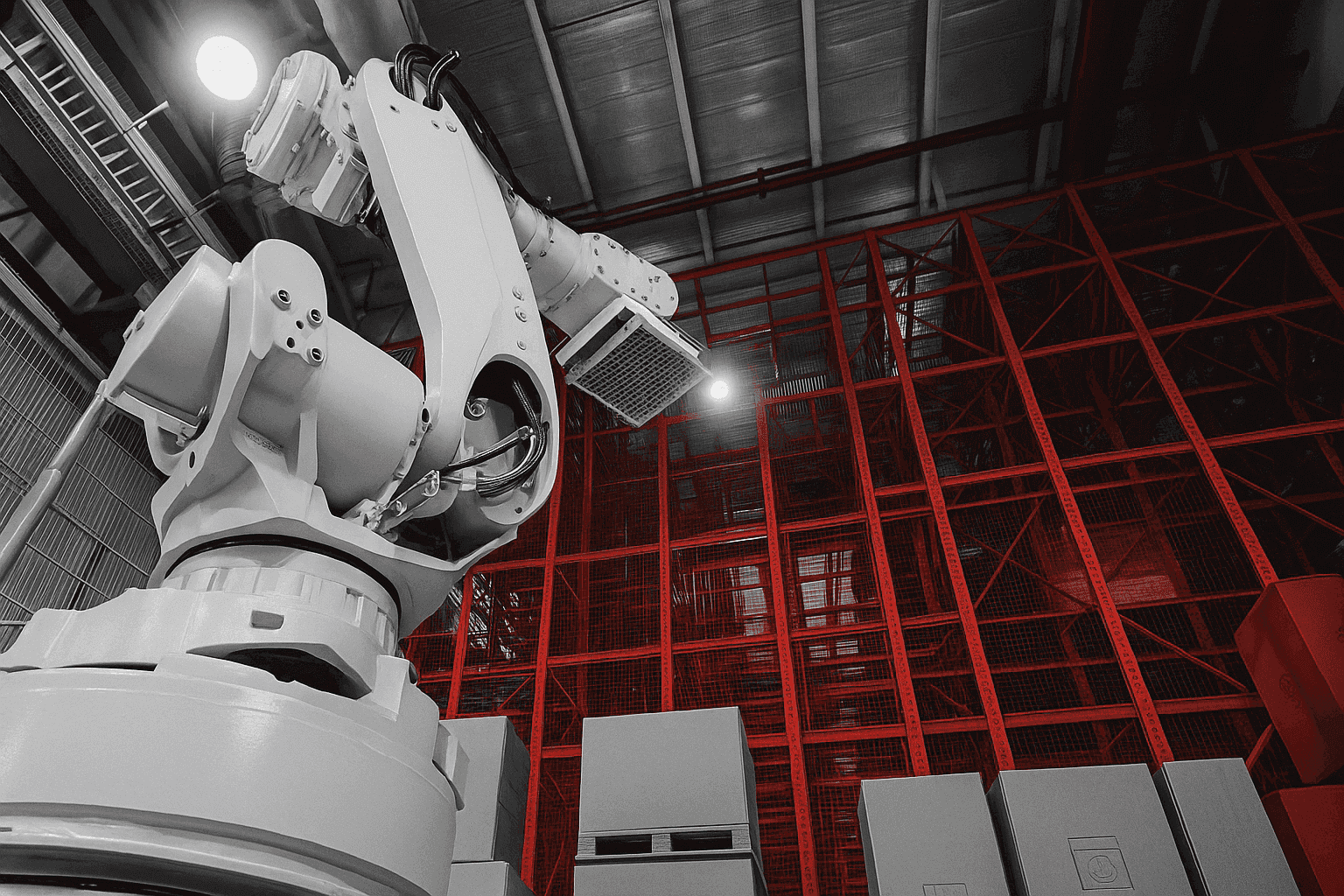
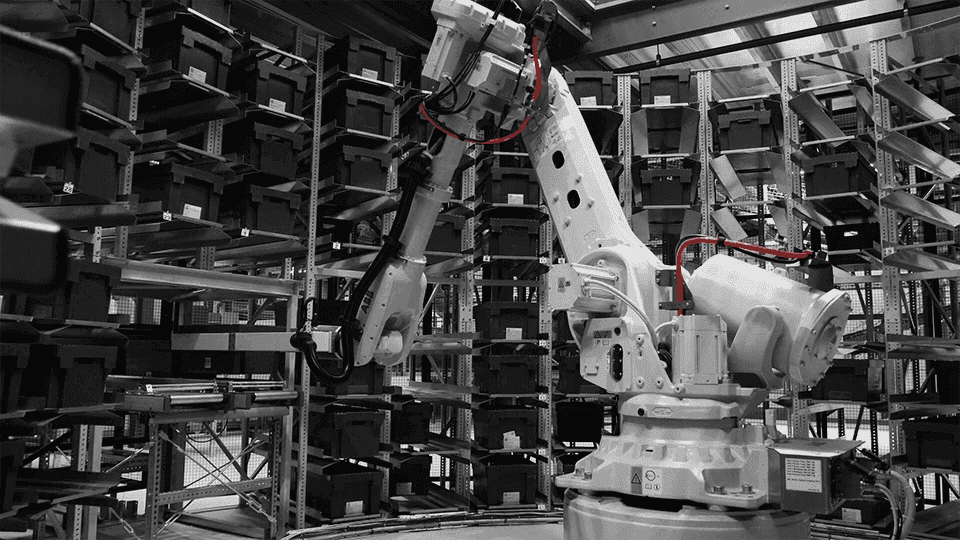
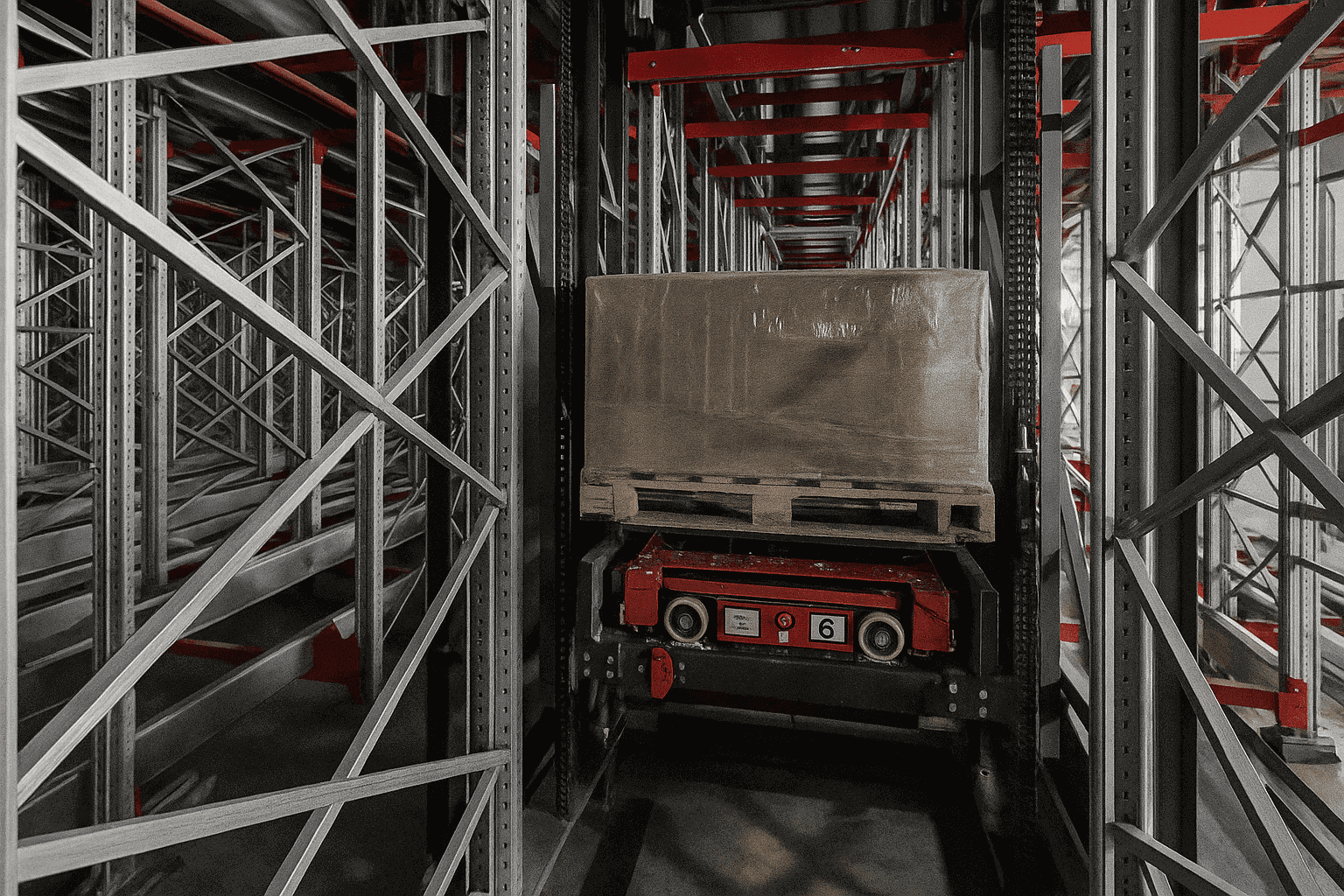
Automated Storage and Retrieval Systems form the storage backbone of integrated material flow. These systems use automated cranes, shuttles, or vertical lift modules to place items into designated storage locations and retrieve them on demand.


AS/RS technology excels at high-density storage, often achieving space utilisation rates 40–50% better than traditional racking systems. By building upwards and eliminating wide aisles required for forklifts, facilities can store significantly more inventory within the same footprint.

Automated Storage and Retrieval Systems

More importantly, AS/RS provides predictable retrieval times and exceptional accuracy. Unlike human pickers who may experience fatigue or make selection errors, automated systems consistently deliver the correct item to the right location. Many installations report accuracy rates exceeding 99.9%, virtually eliminating costly picking mistakes.


Modern AS/RS solutions also offer flexibility. Mini-load systems handle totes and cartons, whilst unit-load systems manage pallets. Some facilities deploy multiple AS/RS types within a single operation, each optimised for specific product profiles or throughput requirements.

Where AS/RS technologies excel


Pallet warehouse operations requiring predictable storage and retrieval

High throughput operations requiring consistent material handling

Facilities using stacker cranes or high-speed Shuttle System modules

Sites integrating AS/RS with broader automation technologies

Conveyor Integration: The Circulatory System

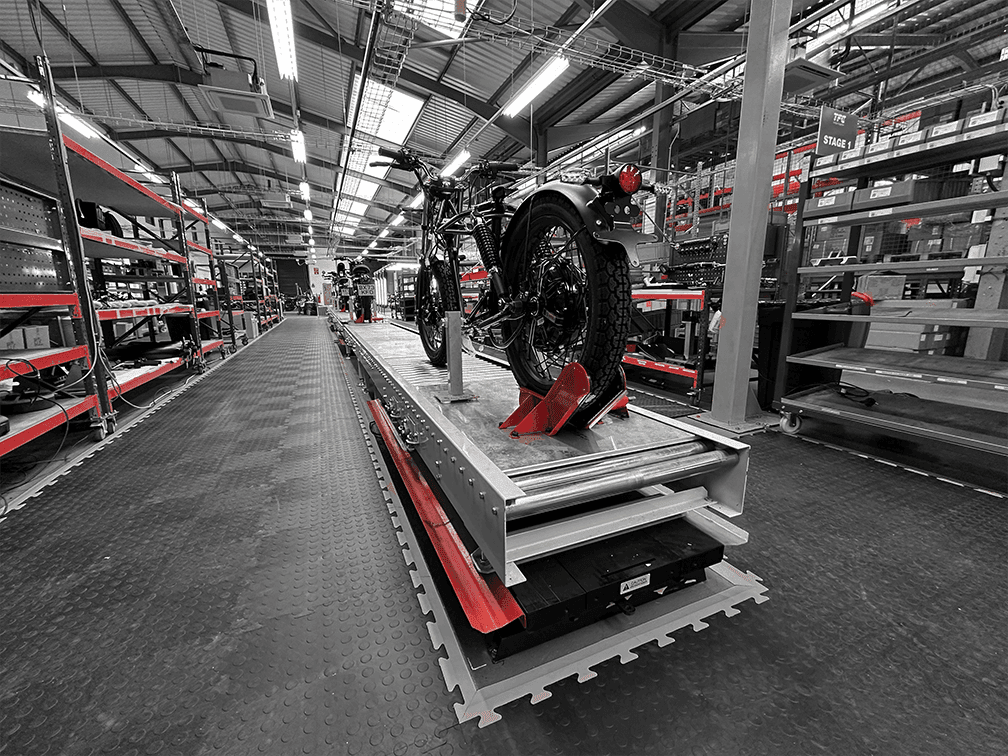
Conveyors serve as the arteries connecting different zones within an automated facility. These systems transport goods between receiving docks, storage areas, picking stations, packing zones, and shipping lanes without manual carrying or forklift traffic.


Contemporary conveyor systems go far beyond simple belt systems. Roller conveyors, sortation systems, and vertical lifts create three-dimensional pathways that efficiently navigate complex facility layouts. Advanced sortation technology can redirect items to hundreds of different destinations based on order requirements, shipping methods, or downstream capacity.


The integration between conveyors and AS/RS creates particularly powerful synergies. When an AS/RS crane retrieves an item, it places the container onto a conveyor that automatically routes it to the appropriate picking station. After order completion, conveyors transport finished orders to packing areas and eventually to the correct shipping door.


This continuous flow eliminates the start-stop inefficiency of batch processing. Rather than waiting for a picker to complete an entire pick list before moving to the next task, automated systems keep materials constantly moving towards their destination.

How conveyors elevate warehouse performance


Smooth transfers between AS/RS, robotics, and packaging systems

Reduction in unnecessary travel across the warehouse layout

Greater reliability than manual pallet trucks in a manual storage area

Key enabler of faster throughput times

Robotics: Adding Intelligence and Dexterity

Whilst AS/RS and conveyors excel at moving and storing items, robotics brings manipulation capabilities to automated material flow. Robotic systems perform tasks requiring dexterity, decision-making, or adaptability that fixed automation cannot easily accomplish.


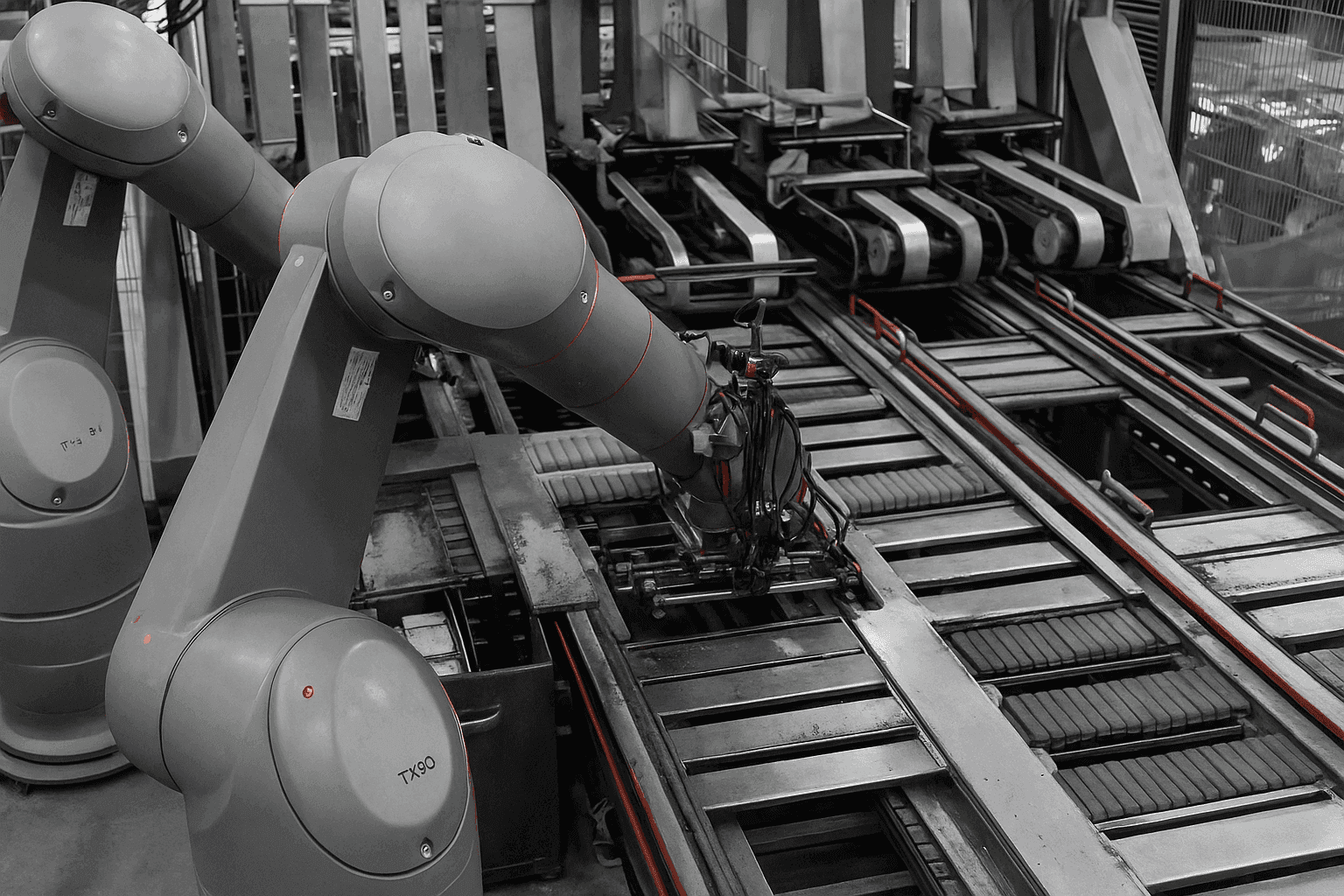
Articulated robots handle picking tasks, selecting individual items from storage containers and placing them into order totes. Vision systems enable these robots to identify products regardless of orientation, whilst sophisticated grippers adapt to different shapes, sizes, and packaging types.

food production robotics

Autonomous mobile robots (AMRs) add dynamic flexibility to material transport. Unlike fixed conveyors, AMRs navigate freely throughout facilities, delivering materials precisely where needed. These robots particularly excel in environments with changing layouts or variable demand patterns.


Collaborative robots work alongside human employees during tasks requiring both automated consistency and human judgement. In goods-to-person stations, robots might handle repetitive lifting whilst workers perform quality checks or manage exception handling. Robotics strengthen automated material flow by taking on complex warehouse tasks that require greater dexterity and consistency, while also supporting AGV and AMR traffic where non linear movement is essential. They remove the strain of repetitive or high volume picking and give workers the freedom to focus on exception cases, quality checks and process improvements.

Creating Seamless Integration

The true power of automated material flow emerges when these technologies function as a unified system rather than isolated components. Successful integration requires careful attention to several factors.


Control system architecture must enable real-time communication between different equipment types. When an AS/RS completes a retrieval, the conveyor system needs immediate notification to position itself for transfer. Robots require continuous updates on incoming work and available capacity at downstream processes.

Automated Material Flow Systems

Physical interfaces between systems demand precision engineering. Transfer points between AS/RS and conveyors must align perfectly to prevent jams or misfeeds. Conveyor speeds need coordination with robotic cycle times to maintain smooth flow without creating backlogs. Capacity balancing across the entire system prevents bottlenecks from undermining overall performance. Even if individual components perform optimally, throughput suffers when one area cannot keep pace with upstream supply or downstream demand.

Integration priorities for warehouse managers


Contact Us

Clear communication between WMS, WCS, and robotic systems

Cycle time alignment between stacker cranes, conveyors, and AMRs

Thorough mapping of the warehouse layout to optimise paths

Protecting uptime across all automated equipment

Operational Benefits

Operational benefits are substantial for facilities adopting integrated automated material flow systems. Many report labour requirements dropping by 50 to 70 percent for routine handling tasks, which allows staff to redirect their time toward value added activities that rely on human judgement.


Throughput increases of 100 to 300 percent are also common because automation removes walking time, searching, and manual transport delays. This enables orders to move through the facility in hours rather than days, supporting faster delivery commitments and reducing inventory holding costs. Space efficiency improves as well, not only through higher storage density but also by removing the need for wide aisles, staging areas, and safety clearances associated with manual equipment. These reclaimed areas can be converted into more productive operational space.

Hachette LAC CONVEYORS

Most importantly, automated systems bring a level of consistency that manual operations rarely achieve. Performance stays stable across shifts, seasonal peaks, and fluctuating volumes, supporting predictable service levels that strengthen customer relationships and create confidence in planning.