Reducing Waste Through Robotic Precision and Quality Control
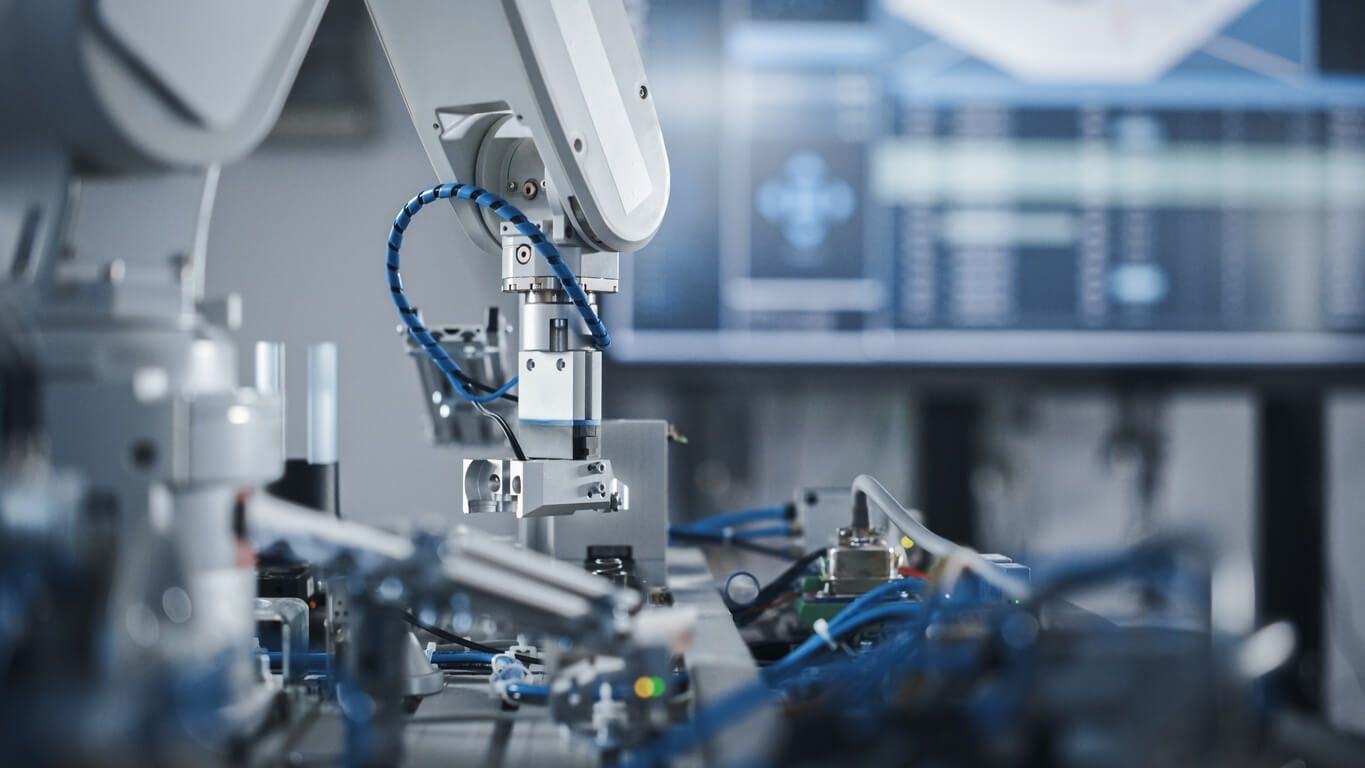
Waste reduction is a cornerstone of sustainable development, and robotics plays a critical role in minimising material loss throughout production processes. Vision-guided robotic systems using smart sensors and automated sorting systems can inspect products in real time, identifying defects the moment they occur. Immediate feedback enables manufacturers to correct issues quickly, preventing large quantities of unusable products from entering the supply chain.
In sectors including food and beverage, pharmaceuticals, packaging, and electronics, real-time inspection and robotic quality control ensure that only compliant products continue through manufacturing operations. This reduces spoilage, material usage, and the environmental cost of production errors. Robotic precision also strengthens inventory management by improving accuracy in picking, assembly, and component placement. Micron-level precision helps reduce offcuts, preserve raw materials, and support environmentally responsible production processes.
Optimising Space and Resource Utilisation
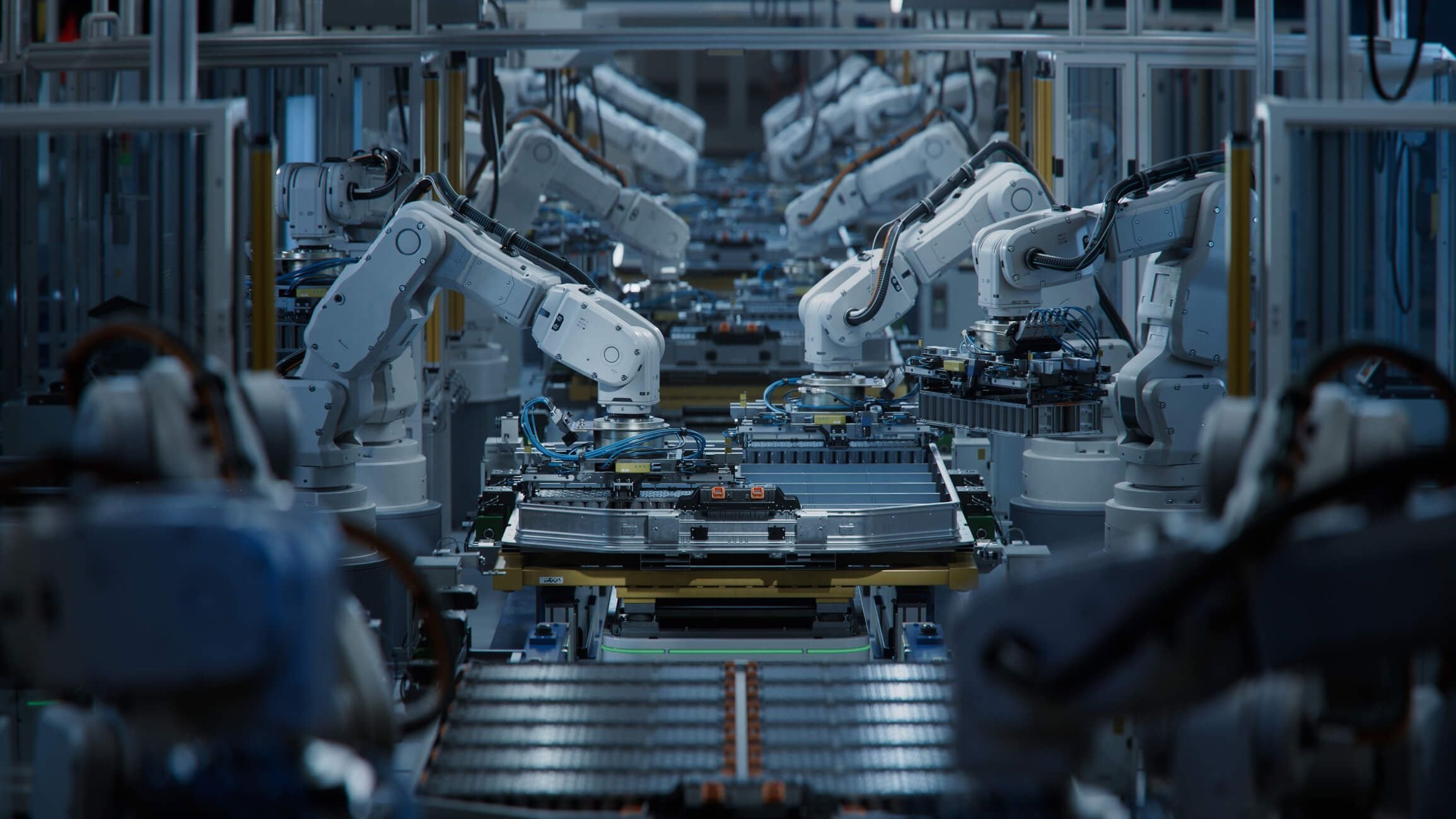
Sustainability is not only about reducing inputs but also about making smarter use of available resources. Industrial automation enables manufacturers to rethink factory layouts, reduce energy usage, and streamline space consumption.
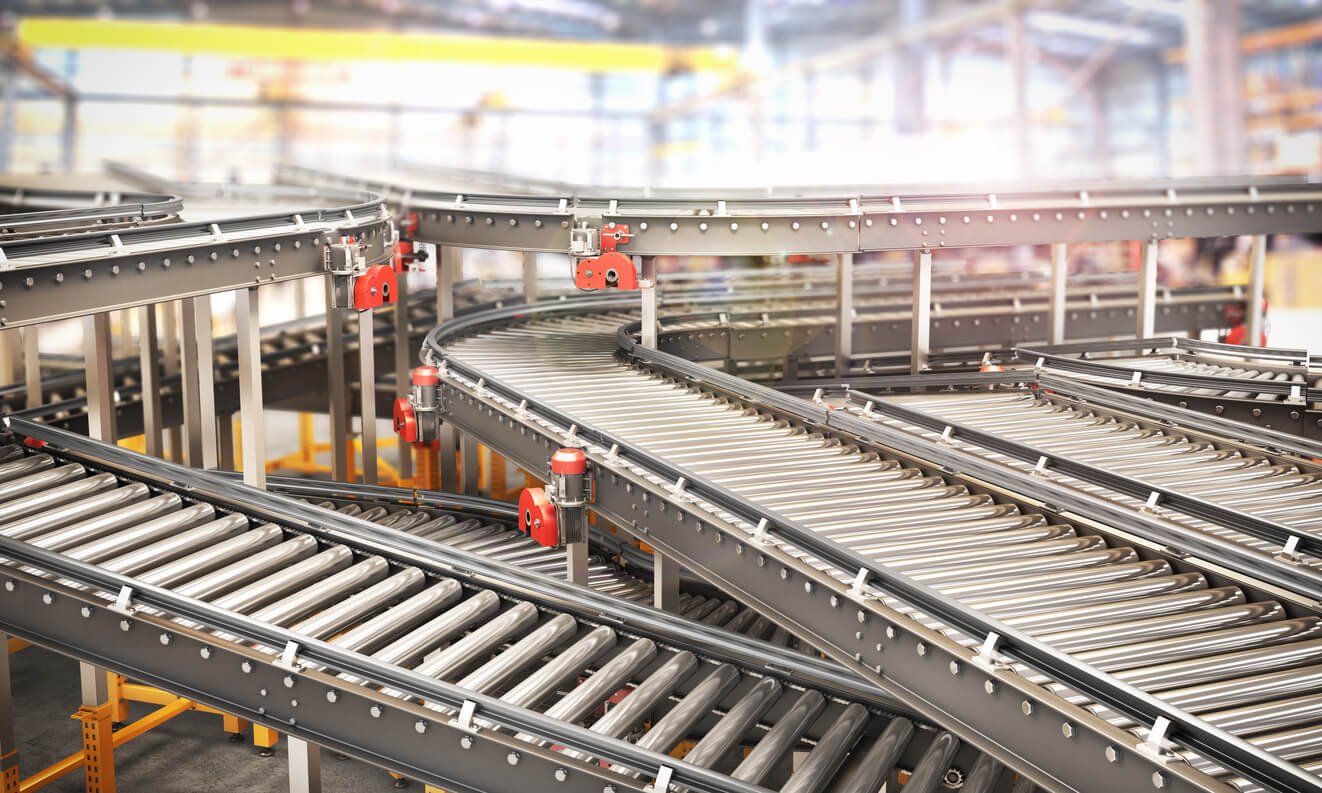
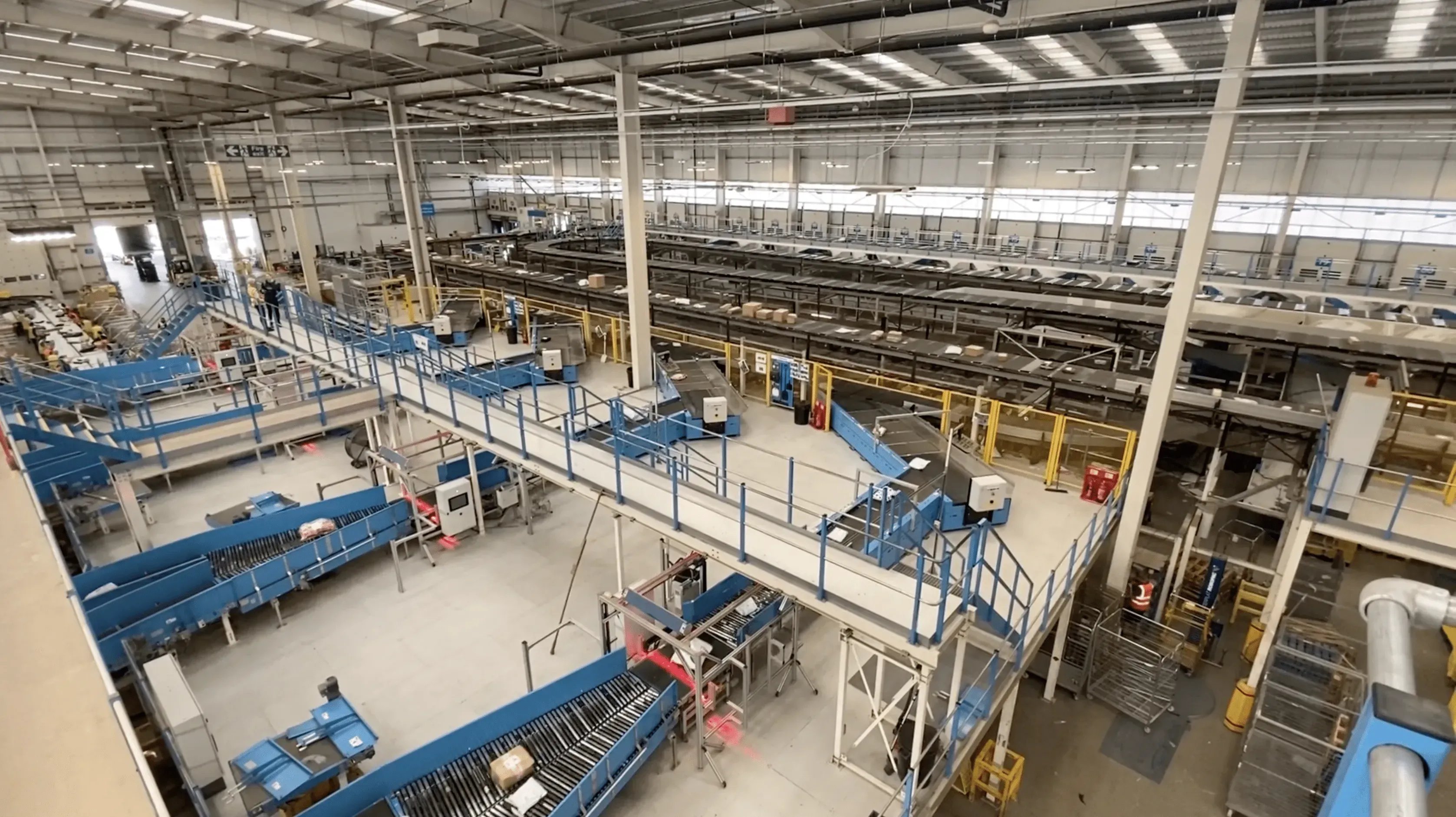
Automated storage systems, robotic palletisers, and autonomous material handling systems support high-density layouts that reduce the physical footprint required for manufacturing environments. For UK facilities where space is limited and costly, reducing operational footprint delivers both environmental and economic benefits. Automation systems also support a reduction in resource-related overheads. By automating repetitive and labour-intensive processes, manufacturers can reduce heating, lighting, and supplementary infrastructure demands, strengthening both operational efficiency and sustainable development objectives.
AI, Data Analysis, and Machine Learning in Sustainable Operations
Artificial intelligence and machine learning are accelerating digital transformation across manufacturing operations, providing deeper visibility into sustainability performance. AI-powered robotics generate real-time data that supports decisions on energy usage, material efficiency, and production optimisation. Predictive maintenance, powered by machine learning, prevents failures that lead to wasteful downtime, excessive energy consumption, and unnecessary spare-part usage.
Data analysis also helps manufacturers identify patterns in material waste, energy inefficiencies, and production bottlenecks. These insights support proactive improvements that contribute to long-term sustainable development and resource optimisation.