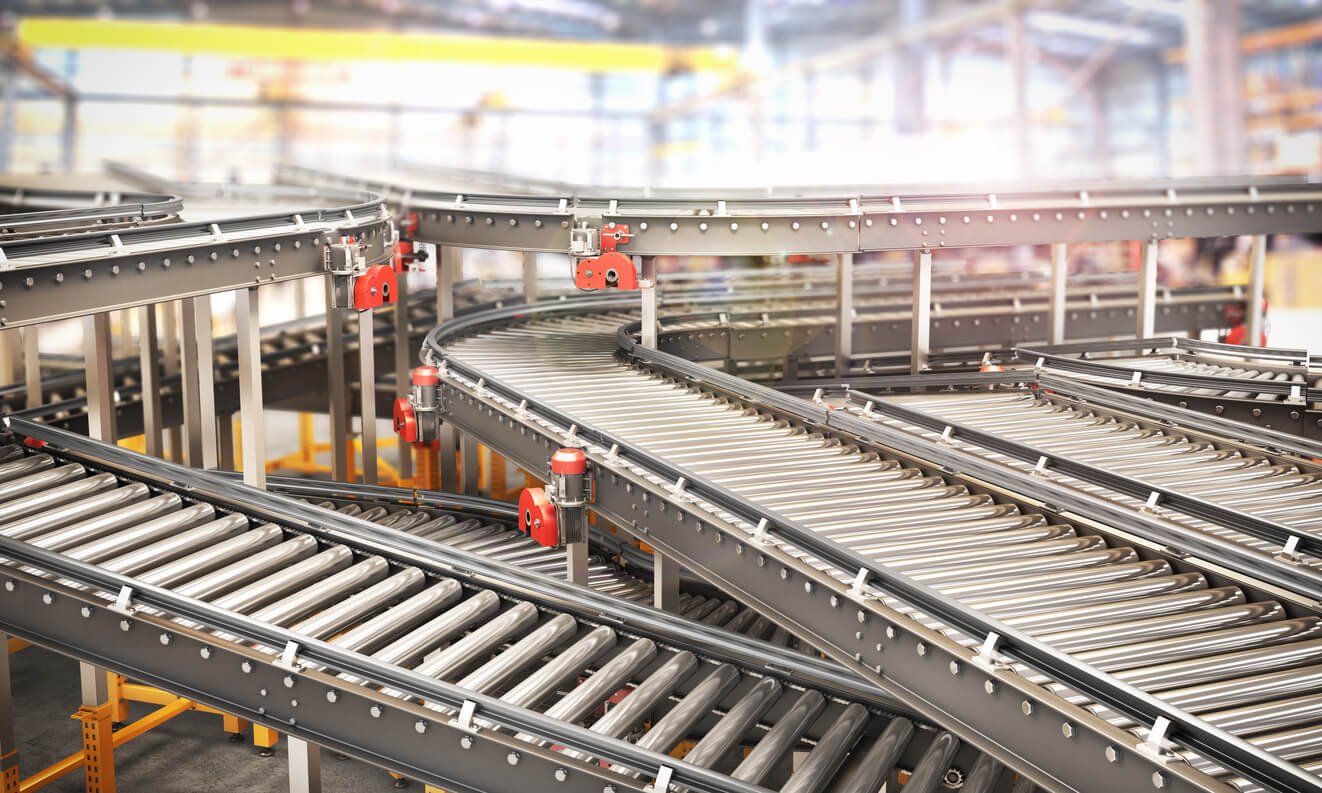
industrial automation suppliers

Partnering with the Right Industrial Automation Supplier for End-to-End Conveyor Solutions

Selecting an industrial automation supplier represents one of the most consequential decisions manufacturers face when implementing or upgrading conveyor systems. The right partnership extends far beyond simple equipment provision, encompassing system design, integration expertise, ongoing support, and strategic alignment with operational goals. As production environments grow increasingly complex and interconnected, the importance of choosing a supplier capable of delivering comprehensive end-to-end solutions cannot be overstated.

Automation as the Backbone of Modern Conveyor Projects


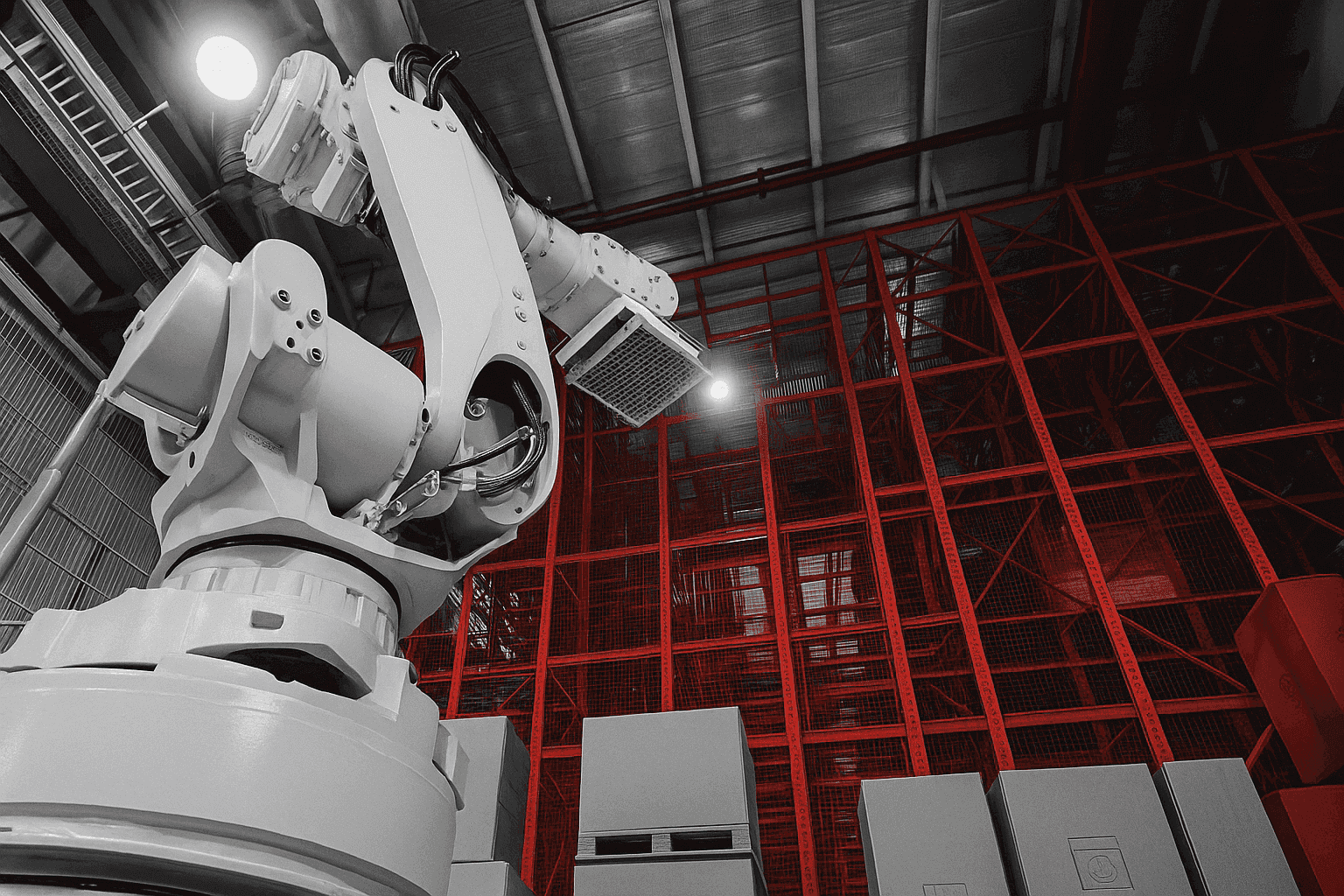
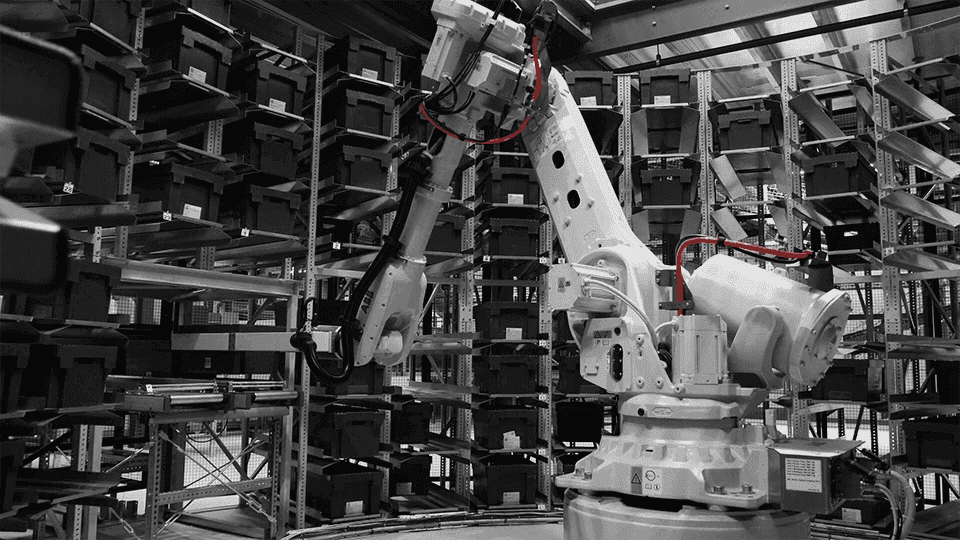
As factories embrace factory automation and digital-first manufacturing, suppliers must now deliver integrated automation solutions that incorporate automation technology, automation control systems, and robotic automation systems alongside mechanical components. From automated packaging lines to high-speed conveyor networks, modern facilities depend on automation products that enable long-term scalability and sustainable performance. These systems increasingly support goals relating to Energy efficiency, reduced downtime, improved output stability, and full lifecycle support from automation experts equipped to design, build and maintain highly complex automated systems.

Understanding End-to-End Conveyor Solutions

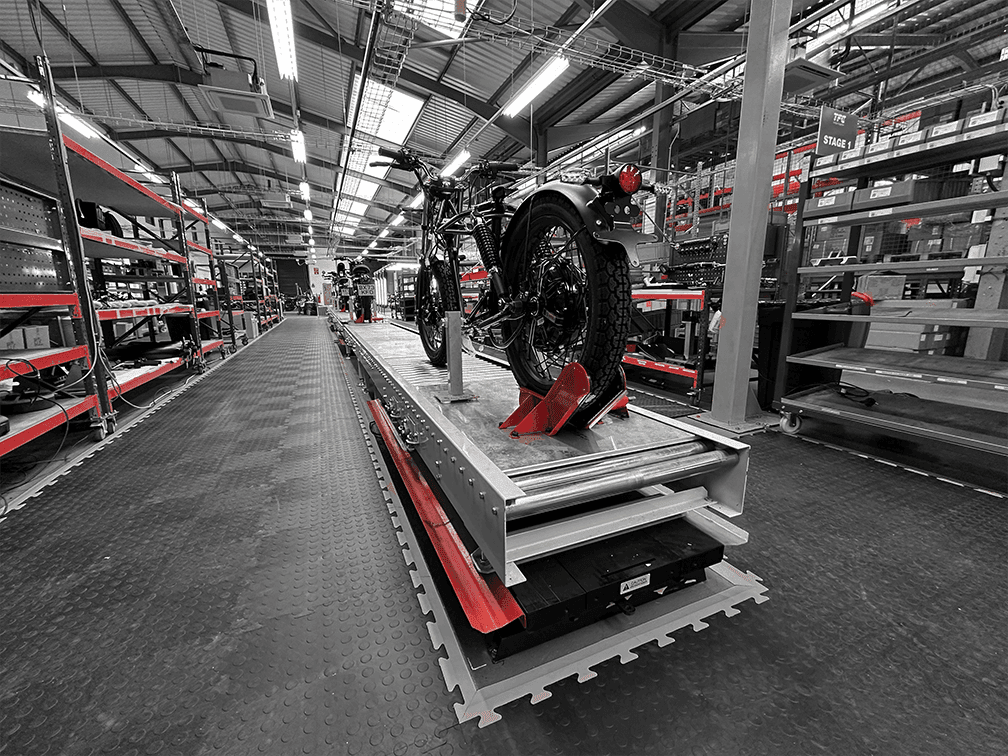
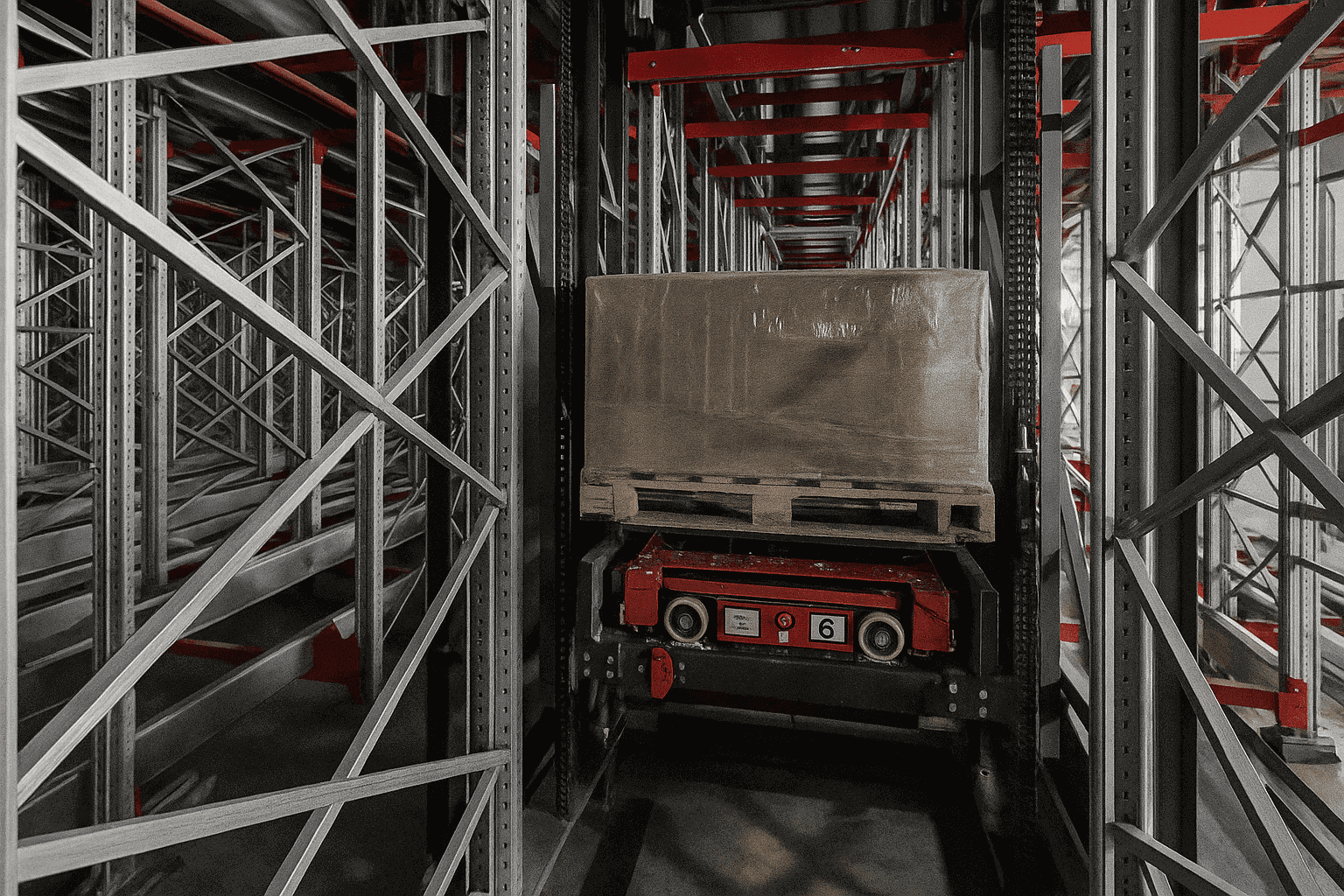
End-to-end conveyor solutions involve complete system lifecycle management, from initial consultation and design through installation, commissioning, and long-term maintenance. This holistic approach ensures seamless integration between conveyor hardware, control systems, and existing production infrastructure. Industrial automation suppliers offering true end-to-end capabilities take responsibility for entire project outcomes rather than merely supplying individual components.


The distinction matters considerably. Fragmented procurement approaches, where different suppliers provide motors, controls, sensors, and mechanical components, often result in integration challenges, unclear accountability, and extended implementation timelines. Conversely, unified solutions from a single supplier streamline project execution whilst reducing coordination overhead and technical risk.

End-to-End Conveyor Solutions

Why End-to-End Automation Matters in Conveyor Projects


Full connectivity between conveyors, robotics, and Process Automation platforms

Standardised integration across automated systems and factory IT architecture

Better alignment with digital transformation and sustainable automation goals

Faster response and optimisation through a single accountable supplier

These benefits help ensure that conveyor and automation systems operate as a cohesive unit rather than isolated assets.

Key Capabilities of Comprehensive Industrial Automation Suppliers

Manufacturing operations require suppliers with specific competencies that extend beyond product catalogues. Technical expertise in conveyor design remains fundamental, but equally important are capabilities in programmable logic controllers, variable frequency drives, industrial networking protocols, and safety systems integration. Suppliers should demonstrate proficiency across multiple automation platforms rather than limiting themselves to single-manufacturer ecosystems.


System integration capabilities warrant particular scrutiny. Modern conveyor systems rarely operate in isolation, instead connecting with warehouse management systems, manufacturing execution systems, and enterprise resource planning platforms. Suppliers must possess the software engineering expertise necessary to facilitate these connections whilst maintaining data integrity and system reliability.


Project management experience provides another critical differentiator. Complex conveyor installations involve coordinating multiple trades, managing installation schedules around production constraints, and navigating facility-specific challenges. Suppliers with established project management methodologies bring structure to implementation processes, reducing disruption and accelerating return on investment.

Typical Automation Technologies Used in End-to-End Conveyor Builds


Collaborative robots working alongside staff during palletising or packaging

Bespoke Automation & Robotics designed to match production requirements

Pharmacy automation and high-precision handling for regulated sectors

Automation products supporting energy generation and efficiency optimisation

Suppliers able to offer these technologies provide stronger long-term value to production environments undergoing change.

Evaluating Technical Competence and Industry Experience

Assessing supplier capabilities requires examining both breadth and depth of experience. Industry-specific knowledge proves particularly valuable, as conveyor requirements vary substantially between food processing, automotive manufacturing, distribution warehousing, and pharmaceutical production. Suppliers with relevant sector experience understand regulatory requirements, contamination control protocols, and operational constraints specific to particular industries. 


Technical certifications and manufacturer partnerships offer tangible evidence of competence. Authorised system integrator status with major automation vendors demonstrates technical proficiency and access to advanced support resources. Similarly, quality management certifications indicate commitment to systematic processes and continuous improvement. Reference installations provide concrete examples of capability. Prospective partners should readily share case studies demonstrating similar project scope, complexity, and operational requirements. Site visits to existing installations allow direct observation of system performance and build confidence in supplier capabilities.

conveyor system transportation system

The Value of Local Presence and Responsive Support

Geographical proximity influences both project execution and ongoing support effectiveness. Local suppliers bring familiarity with regional industrial ecosystems, established relationships with specialist subcontractors, and reduced mobilisation costs for site activities. Response times for troubleshooting and emergency support improve dramatically when technical personnel can reach facilities within hours rather than days.

Support infrastructure encompasses more than physical location. Suppliers should maintain adequate spare parts inventory, employ sufficient technical staff to manage multiple concurrent projects, and offer flexible service agreements aligned with operational requirements. The availability of remote diagnostics capabilities increasingly complements on-site support, enabling faster issue resolution and preventive maintenance.


Flexibility and Scalability Considerations

Manufacturing environments evolve continuously, driven by demand fluctuations, product mix changes, and efficiency improvement initiatives. Industrial automation suppliers should design conveyor systems with inherent flexibility, incorporating modular architectures that accommodate future modifications without wholesale replacement. Scalability proves equally important, ensuring systems can expand capacity through incremental additions rather than complete redesign.

Technology roadmaps reveal supplier commitment to innovation and ongoing development. Partners investing in emerging technologies such as artificial intelligence for predictive maintenance, advanced vision systems for quality control, and collaborative robotics for flexible automation position clients advantageously for future competitiveness.

Financial Stability and Long-Term Partnership Potential

Conveyor systems represent multi-decade investments requiring ongoing supplier engagement for optimisation, upgrades, and support. Financial stability ensures suppliers remain viable partners throughout system lifecycles. Beyond balance sheet strength, cultural alignment and shared commitment to continuous improvement foster productive long-term relationships.


Transparent communication, collaborative problem-solving approaches, and mutual respect characterise successful partnerships. The right industrial automation supplier functions as an extension of internal engineering teams, contributing expertise whilst respecting operational knowledge and business objectives. Choosing comprehensive partners for end-to-end conveyor solutions ultimately determines not only system performance but also implementation efficiency, operational reliability, and competitive positioning in increasingly automated manufacturing landscapes.

end to end conveyor solution