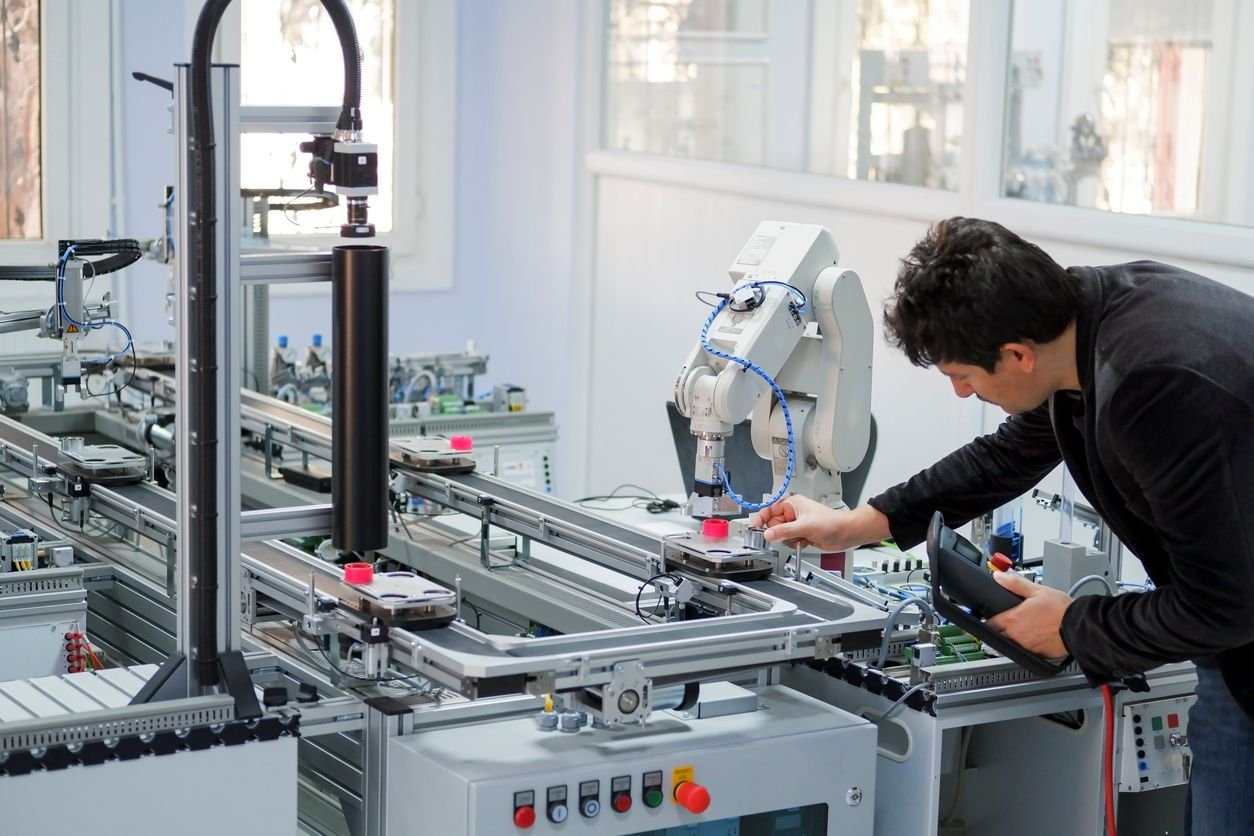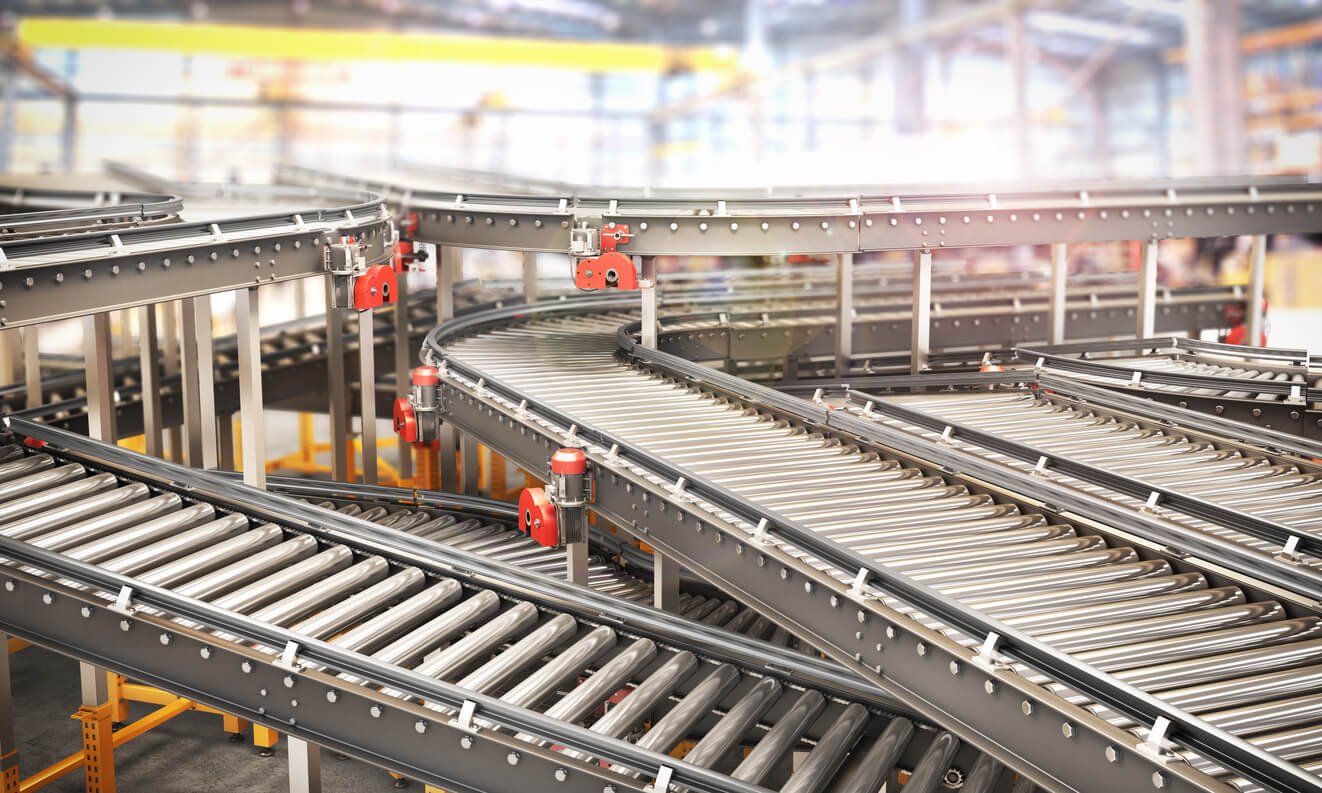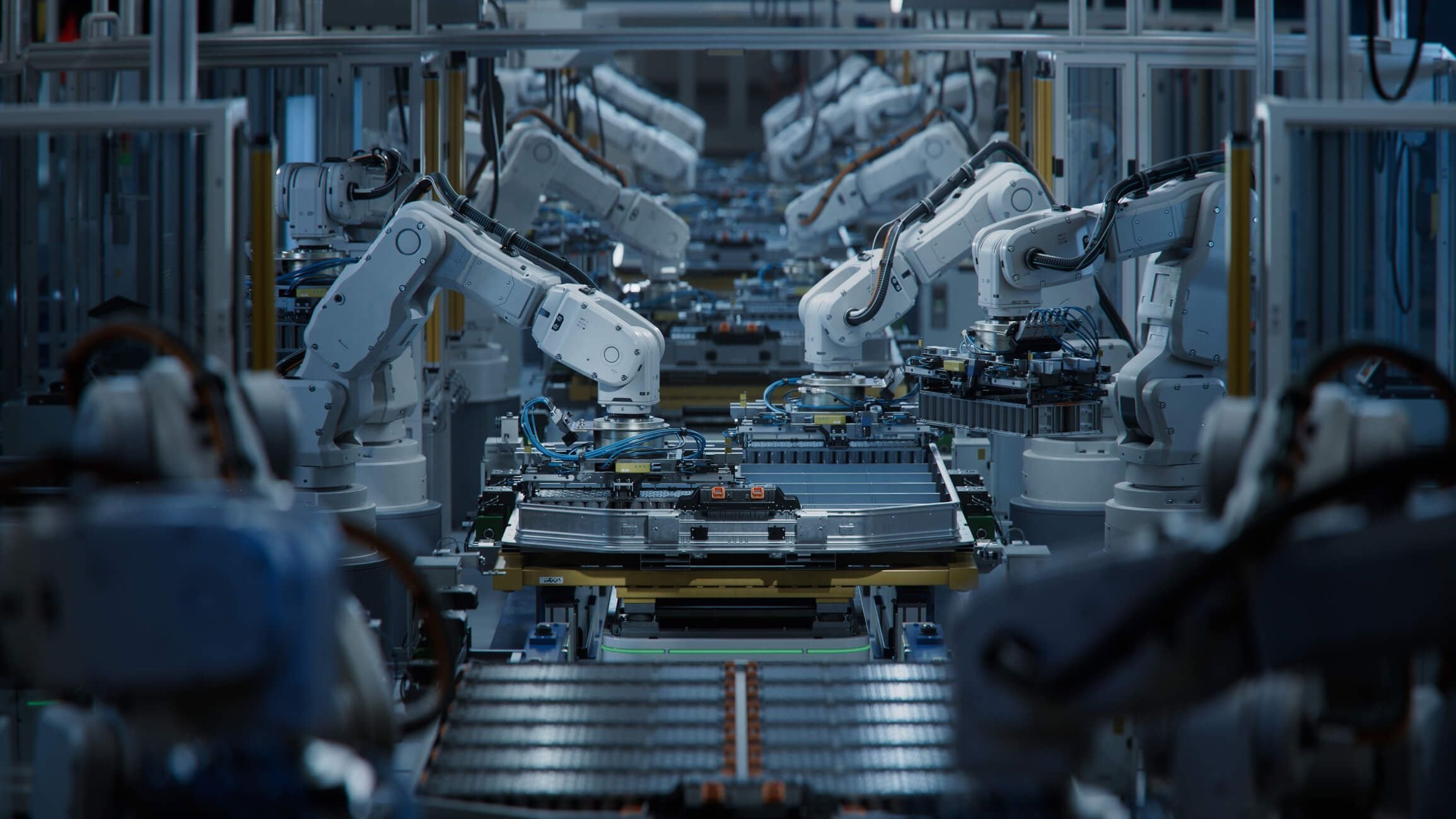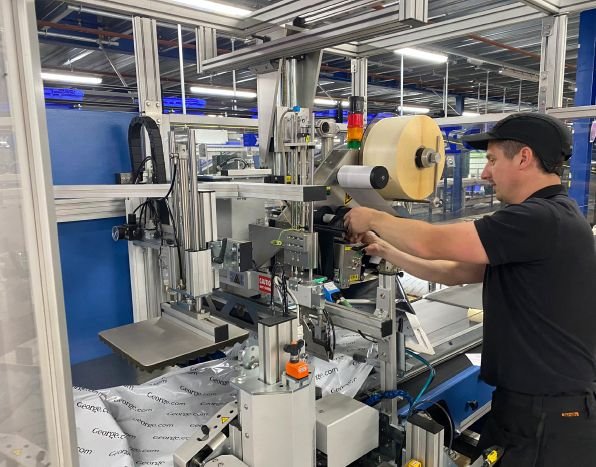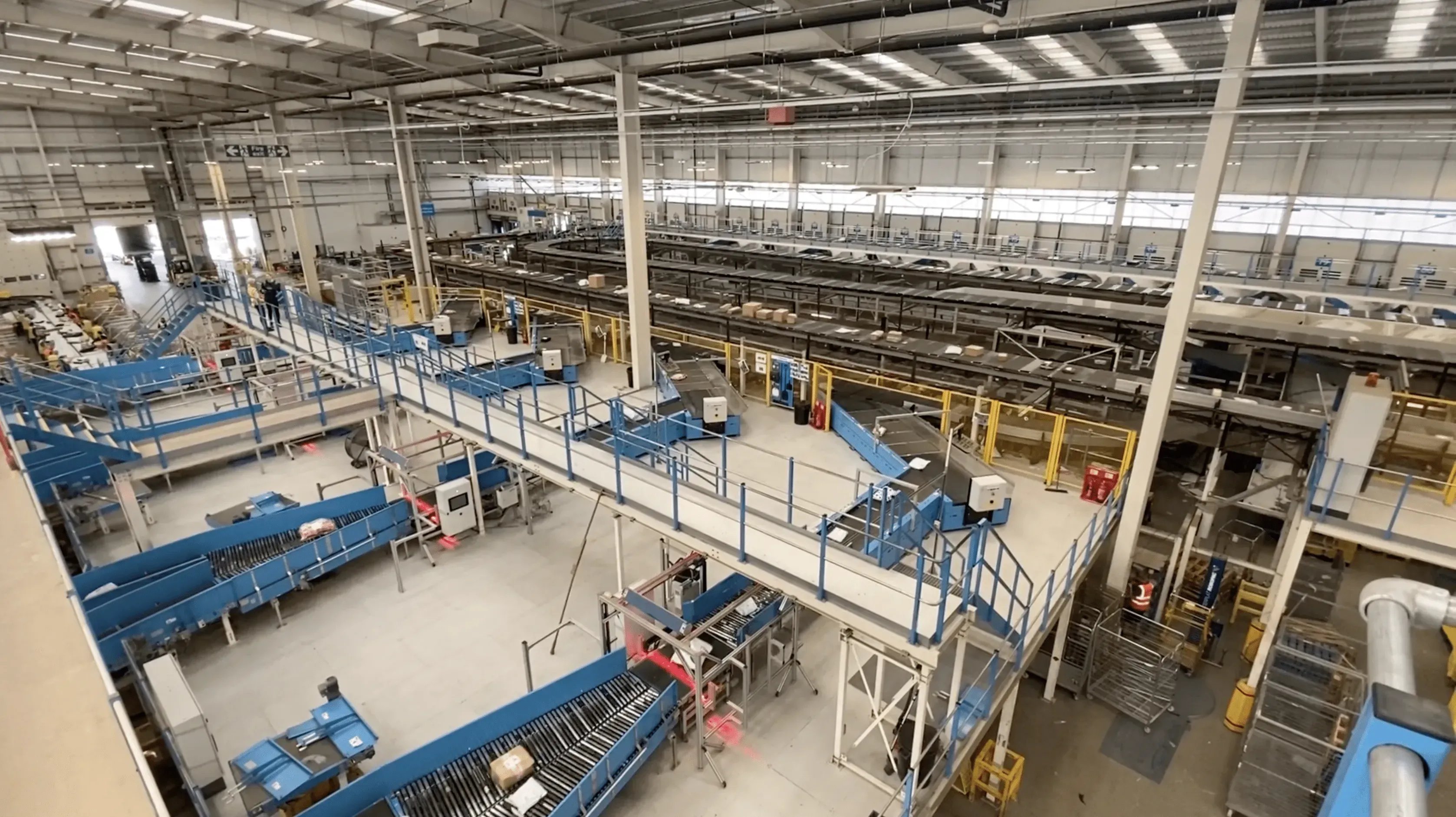
Smart conveyor technology in a manufacturing facility using sensors and data analytics to improve operational intelligence and production efficiency

Smart Manufacturing Solutions: How Conveyor Technology Drives Operational Intelligence

Modern manufacturing facilities face mounting pressure to increase output whilst simultaneously reducing costs and minimising waste. Smart manufacturing solutions have emerged as the answer to this challenge, transforming traditional production environments into data driven operations that respond intelligently to real time conditions. At the heart of this transformation lies an often overlooked component: conveyor technology. As production lines evolve to include artificial intelligence, machine learning, and predictive analytics, conveyors now play a pivotal role in supporting product quality, process efficiency, and performance across the entire product life cycle.

The Evolution of Conveyor Systems in Smart Manufacturing


Conveyor systems have always served as the circulatory network of manufacturing, transporting materials between stages of production. Today’s systems extend far beyond mechanical transport. Modern conveyor technology integrates smart sensors, adaptive controls, and connectivity features that feed real time data into manufacturing execution systems. This continuous data stream enhances visibility across the production line and allows manufacturers to pinpoint bottlenecks, improve throughput, and ensure consistent performance.

Key capabilities in modern conveyor technology include:

Real time monitoring of belt speed, load, and alignment

Smart sensor feedback improving handling accuracy

Integration with software development platforms for automated workflows

Data analytics supporting decisions across the supply chain

Real Time Monitoring and Predictive Maintenance

Smart conveyor technology enables a shift from reactive fixes to predictive maintenance. Sensors monitor heat, vibration, and component fatigue, allowing systems to identify early signs of wear before they result in breakdowns. Predictive analytics strengthens this model by learning from historic conveyor data, improving failure prediction accuracy over time. This leads to fewer interruptions, reduced downtime, and better alignment with lean manufacturing principles. Manufacturers benefit through scheduled maintenance that is aligned with real operating conditions rather than fixed service intervals. This ensures maintenance activity is timely, targeted, and directly related to actual equipment performance.


Lower spare parts usage and reduced raw material waste are also key advantages, as components are replaced only when necessary. This not only reduces operational costs but also supports sustainability objectives by minimising unnecessary consumption. Higher equipment uptime across the production line further strengthens operational continuity. By preventing unplanned stoppages, manufacturers can maintain consistent throughput, improve production planning accuracy, and maximise overall equipment effectiveness (OEE).
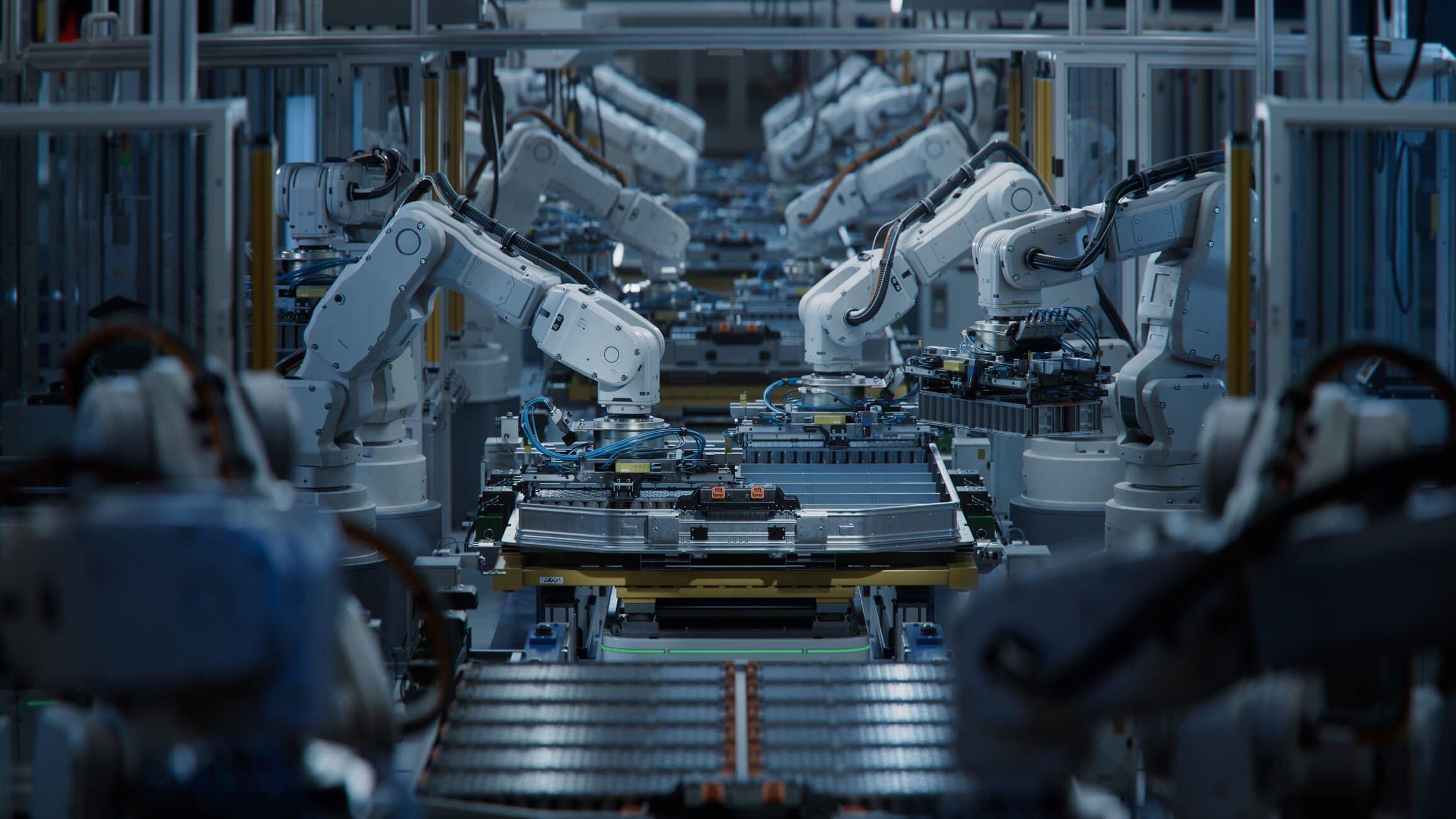
smart conveyor systems

Enhancing Production Visibility Through Data Integration


When conveyors integrate with supply chain systems, warehouse management applications, and quality assurance tools, manufacturers gain complete visibility across the operation. This real time insight supports accurate inventory management, tracking, and workflow sequencing.


Product movement becomes fully traceable. If a quality concern arises, teams can review conveyor handling history to identify possible causes. AI driven automation strengthens these insights by recognising patterns and highlighting improvement opportunities across the production cycle.


Optimising Throughput With Adaptive Control Systems


Adaptive conveyor controls adjust belt speeds and routing based on changing production demands. When downstream workstations slow down, conveyors automatically regulate flow to avoid congestion. When demand increases, belts accelerate to maintain throughput.


This dynamic system allows production lines to respond intelligently without manual intervention, improving utilisation of robotics, assembly equipment, and automated stations.

Adaptive controls support:


Faster recovery from bottlenecks

Stable production flow across multi machine environments

Real time integration with robotic systems and automated warehouses

Technological Innovations Driving Progress

Energy Efficiency Through Intelligent Operation


Smart conveyors use energy far more efficiently than traditional systems. They operate only when required and adjust motor output based on load conditions. Energy efficient motors, zone based activation, and automatic shutoff features all play a role in reducing environmental impact.


These enhancements help manufacturers reduce their carbon footprint whilst improving long term operational costs.


Quality Assurance and Traceability


Conveyors equipped with advanced vision technologies, image processing systems, and visual inspection systems improve quality control by capturing detailed data as products move through the line. AI driven inspection can detect defects faster than manual checks and support continuous improvement by highlighting recurring quality issues.


This capability is invaluable for industries requiring full traceability across the supply chain.

Supporting Continuous Improvement Initiatives

The intelligence generated by conveyor technology supports continuous improvement by revealing inefficiencies that would otherwise go unnoticed. Manufacturers can analyse throughput patterns, spot hidden delays, and optimise labour allocation. Machine learning and predictive analytics transform these insights into actionable strategies, helping facilities refine processes and unlock significant production efficiency gains.


Smart manufacturing solutions built around modern conveyor technology do far more than move products between stations. They generate operational intelligence that shapes decision making, supports quality improvements, and strengthens process efficiency across the entire supply chain. By integrating artificial intelligence, adaptive controls, predictive analytics, and real time data visibility, conveyors are becoming central to how manufacturers design future ready production environments.

Industry 4.0 Conveyors