Operator using a handheld device to monitor conveyor system performance on a food and beverage production line, supporting real-time analysis and bottleneck identification

How to Improve Conveyor Throughput Without Increasing Line Speed

The instinctive response to a conveyor throughput problem is to run the line faster. In many cases, this is the wrong answer. Increasing belt speed raises wear rates, increases the risk of product damage, creates instability at transfers and merges, and frequently moves the bottleneck downstream rather than eliminating it. For operations looking to improve conveyor throughput on belt conveyors and wider production lines, the more effective approach is to address the system design factors that are preventing the existing line speed from delivering its theoretical capacity. The financial case for getting this right is significant: IDS-INDATA modelling projects that UK and European manufacturers will lose between £124 billion and £157 billion to unplanned downtime in 2026, with throughput-limiting issues at conveyors and transfer points contributing a meaningful share of that loss.¹

Why Line Speed Is Rarely the Limiting Factor


A conveyor system's theoretical throughput is determined by belt speed and product pitch. But actual throughput in a live operation is almost always lower than the theoretical figure, and the gap is caused by design or operational factors that faster belt speeds cannot resolve. UK OEE specialists Seiki Systems note that most manufacturers measuring overall equipment effectiveness for the first time score between 40% and 60%, meaning that 40% to 60% of theoretical productive capacity is being lost to availability, speed, and quality losses rather than to an inability to run faster.²

The most common limiting factors on a conveyor are:

Accumulation gaps

Where product gaps form on the conveyor due to inconsistent induction rates, the belt is running but not carrying product. Increasing speed widens these gaps rather than filling them.

Merge and divert inefficiency

At points where conveyors join or product is diverted, the control logic determines how effectively throughput is maintained. Poorly configured logic creates unnecessary gaps and rejects, and is often the single biggest target for bottleneck analysis.

Transfer point losses

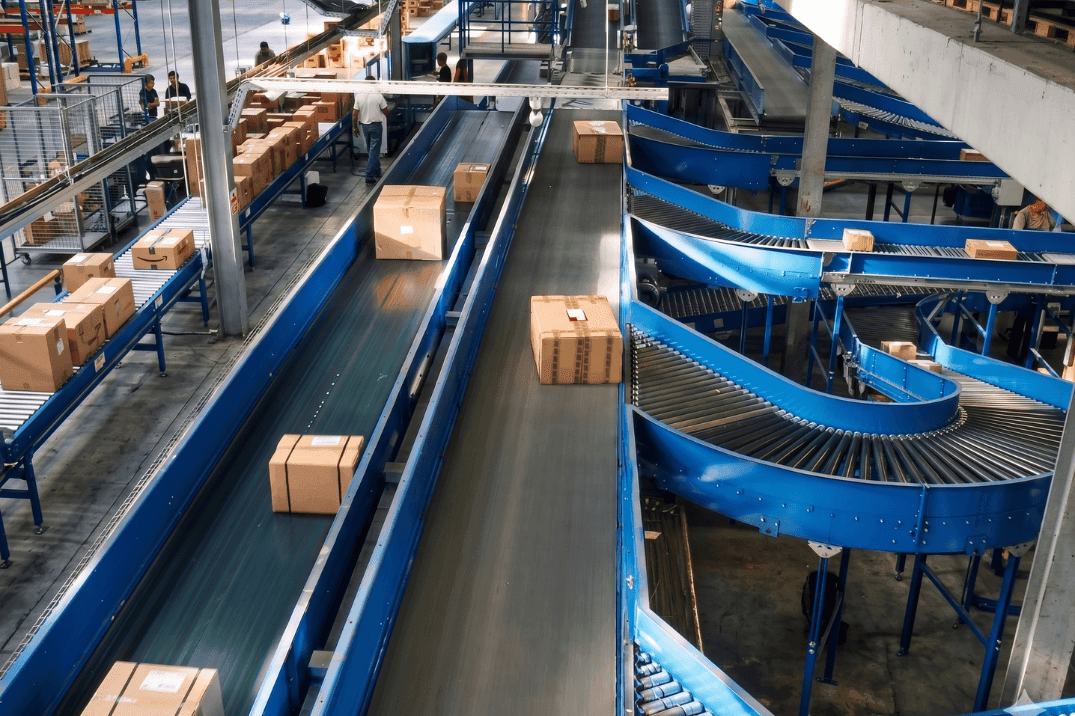
Transitions between conveyor sections, particularly right-angle transfers, pop-up wheels, gravity sections, and segmented transfer plates, reduce line speed to protect product integrity. These points frequently limit overall system throughput.

Unbalanced induction

Where product is inducted onto the conveyor manually or from multiple upstream sources, variation in induction rate creates downstream imbalance that speed alone cannot compensate for.

Optimising Accumulation and Induction

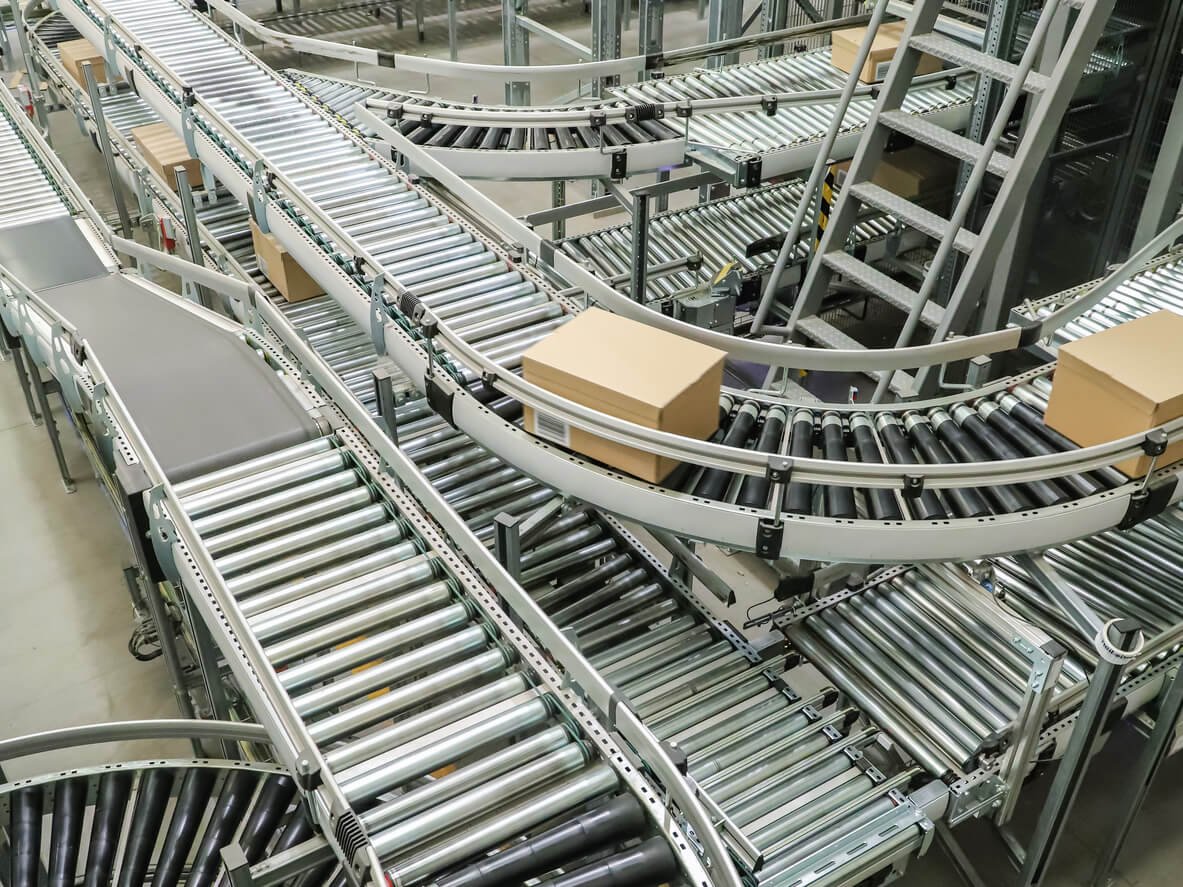
Improving conveyor throughput without increasing speed typically begins with accumulation and induction. Zero-pressure accumulation conveyor belts, which zone-release product at controlled intervals, allow a higher density of product on the line without contact damage. Combined with a consistent induction rate, either automated or tightly managed, this approach increases the volume of product the existing line speed can carry.

The induction point is the upstream constraint for the entire system. If product arrives at the conveyor in bursts rather than at a consistent rate, the system will always underperform against its theoretical capacity. Automated induction systems, which present product to the belt at a fixed pitch and spacing, address this directly, and are particularly valuable on production lines where belt width, belt material, belt type, and material density are already correctly specified for the product but throughput is still lagging.
Control System Configuration

The control system governing conveyor logic has a significant impact on achievable throughput. Zone speeds, gap settings, divert timing, merge priority logic, and speed control across each drive are all configurable, and all affect whether the line operates at close to its mechanical capacity or substantially below it.

A modern warehouse control system, with real-time visibility of product density across each conveyor zone, can dynamically adjust induction rates and zone speeds to maintain consistent throughput without manual intervention. Modern control systems also handle quality control checkpoints, weight checks, and barcode reads inline, allowing rejects to be diverted at speed without disrupting the main flow. Systems running legacy programmable logic controllers with fixed parameters cannot respond to operational variability in the same way, and typically carry significant untapped throughput capacity as a result.

Addressing Bottleneck Points

In most conveyor systems, a small number of points account for the majority of throughput loss. These are typically high-volume merge points, sortation induction areas, or sections of the line where product type or packaging causes handling difficulties. Identifying these points through throughput monitoring and addressing them with targeted mechanical or control modifications delivers a disproportionate impact on overall system performance.

Modifications might include adding a pre-merge accumulation zone to smooth product flow before a high-speed sorter, replacing a fixed-speed transfer with a variable-speed unit, adjusting the system layout around a known pinch point, or adding a barcode scan and reject station upstream of a divert to reduce exception handling in the main flow. Safety features such as guarding, e-stops, and pull-cords should be reviewed at the same time, since modifications to a live conveyor often present an opportunity to bring older sections up to current standards.

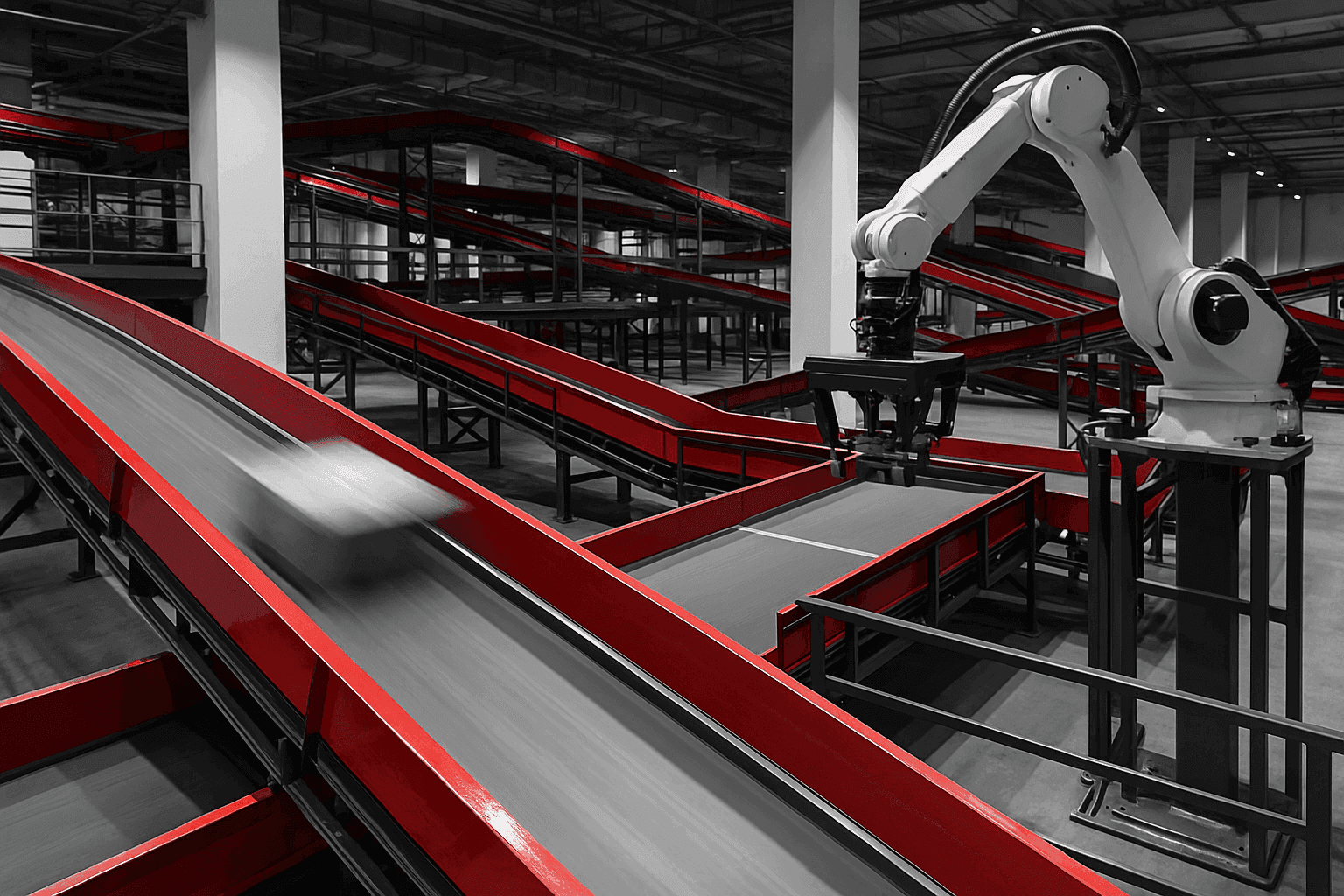
High-speed conveyor sortation system with multiple divert lanes, illustrating how upstream changes can impact downstream routing and accuracy

Preventive Maintenance as a Throughput Factor

Conveyor throughput degrades over time as mechanical components wear. Belt tracking issues, worn rollers, slipping drives, and mis-aligned transfers all reduce the effective throughput the system can sustain. A structured preventative maintenance programme, with a defined maintenance routine for each critical section of belt and drive, is a lower-cost route to maintaining system performance than reactive repair after a stoppage. Done well, it also reduces the environmental impact of the operation, since well-maintained drives consume less energy per unit moved and fewer components end up in the waste stream.

Extracting More from What Is Already There

For most operations, the modern conveyor belt and material handling system already in place has more throughput capacity than it is currently delivering. Addressing accumulation design, control system configuration, induction consistency, and bottleneck points systematically will improve conveyor throughput without the cost or disruption of increasing line speed or investing in additional equipment.

At MotionTech, our integrated approach to conveyor systems and material handling covers belt conveyors, controls, accumulation design, and the throughput analysis needed to identify where the capacity is hiding. Speak to our team to scope a throughput review and unlock the capacity already in your line.

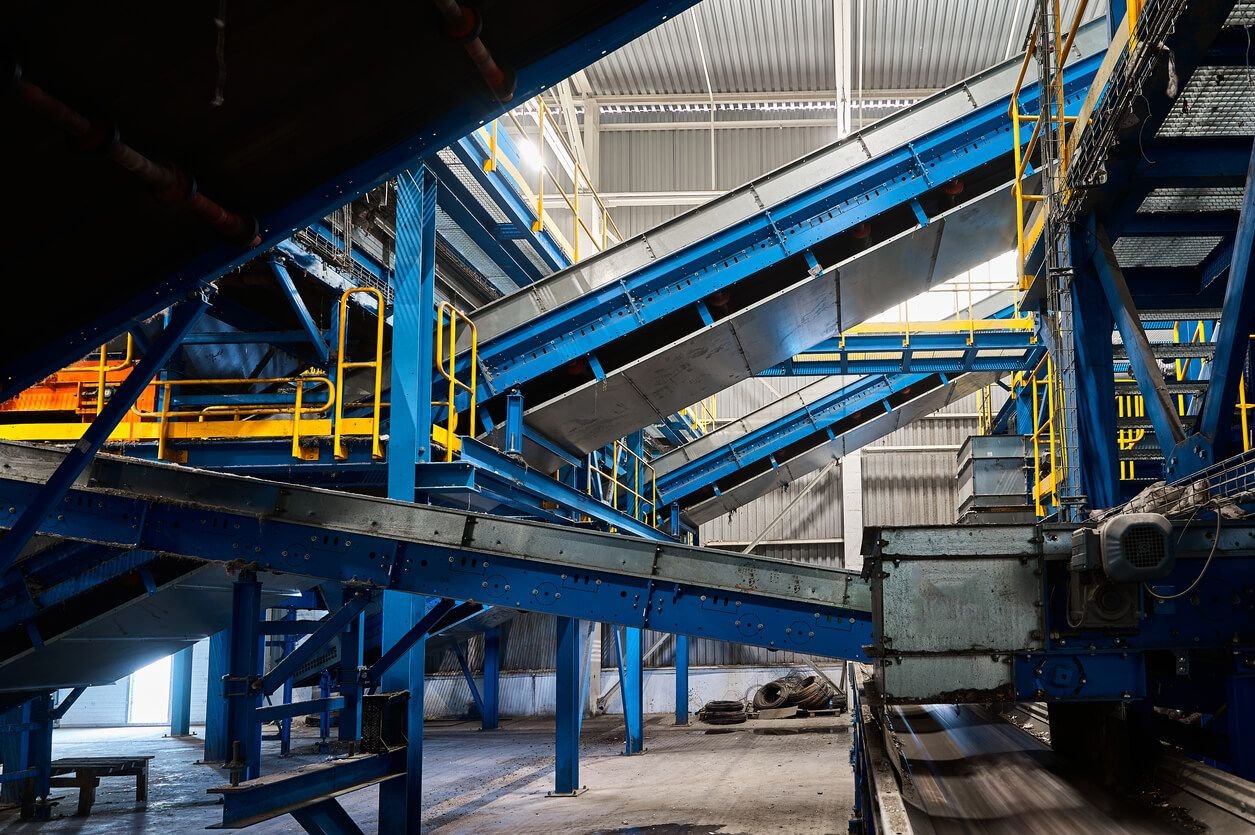
Multiple integrated conveyor belt systems in an industrial facility designed to streamline material flow and minimise operational waste.

References

  1. IDS-INDATA, The Real Cost of Manufacturing Downtime (2026): Sector Impact & Resilience Outlook, on projected UK and European manufacturing downtime losses. idsindata.co.uk
  2. Seiki Systems, Overall Equipment Effectiveness (OEE), on typical UK manufacturing OEE benchmarks and the gap between theoretical and actual throughput. seikisystems.co.uk