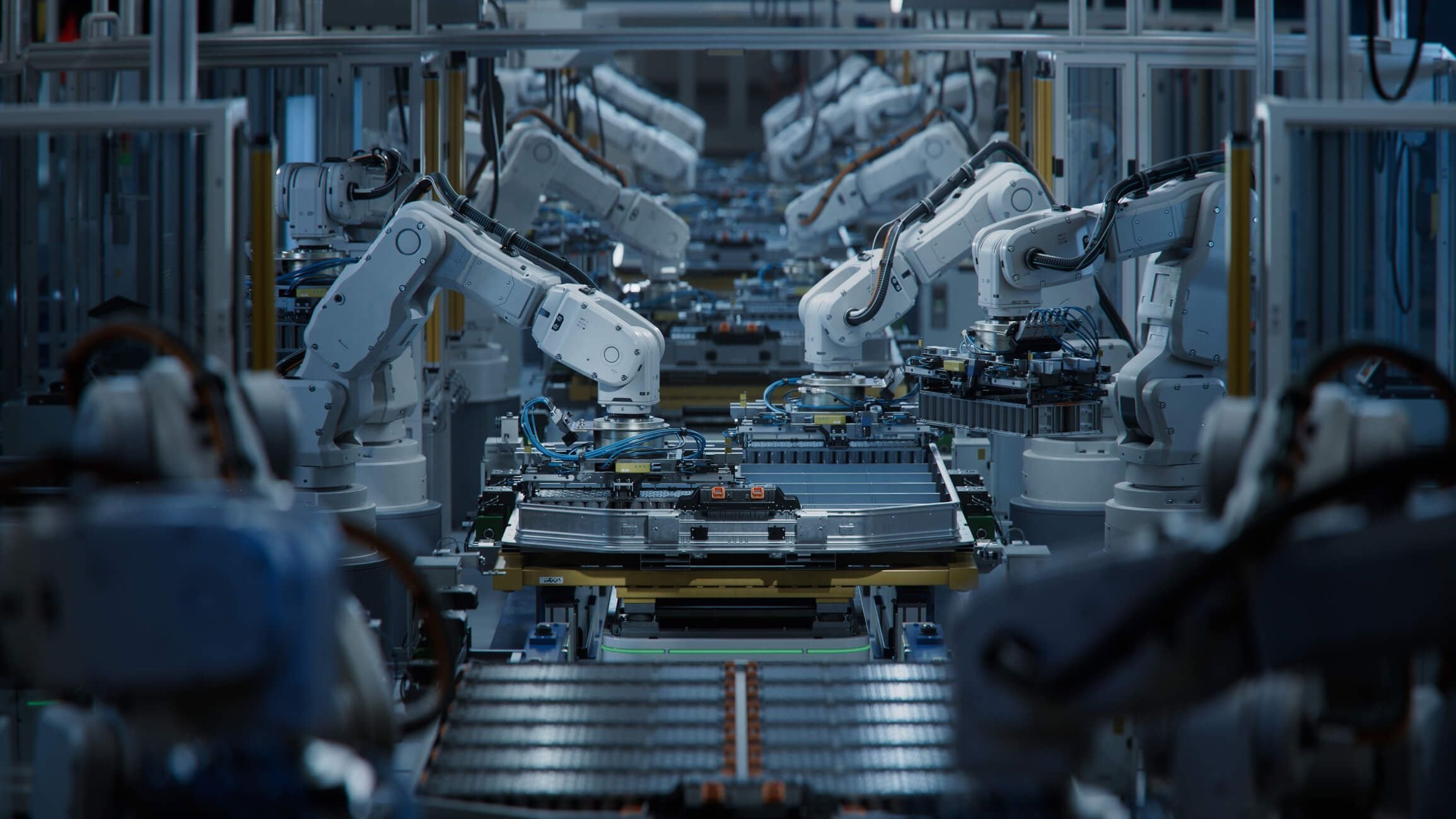
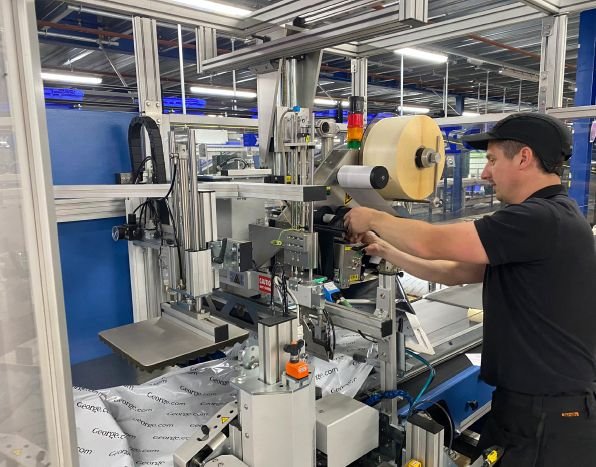
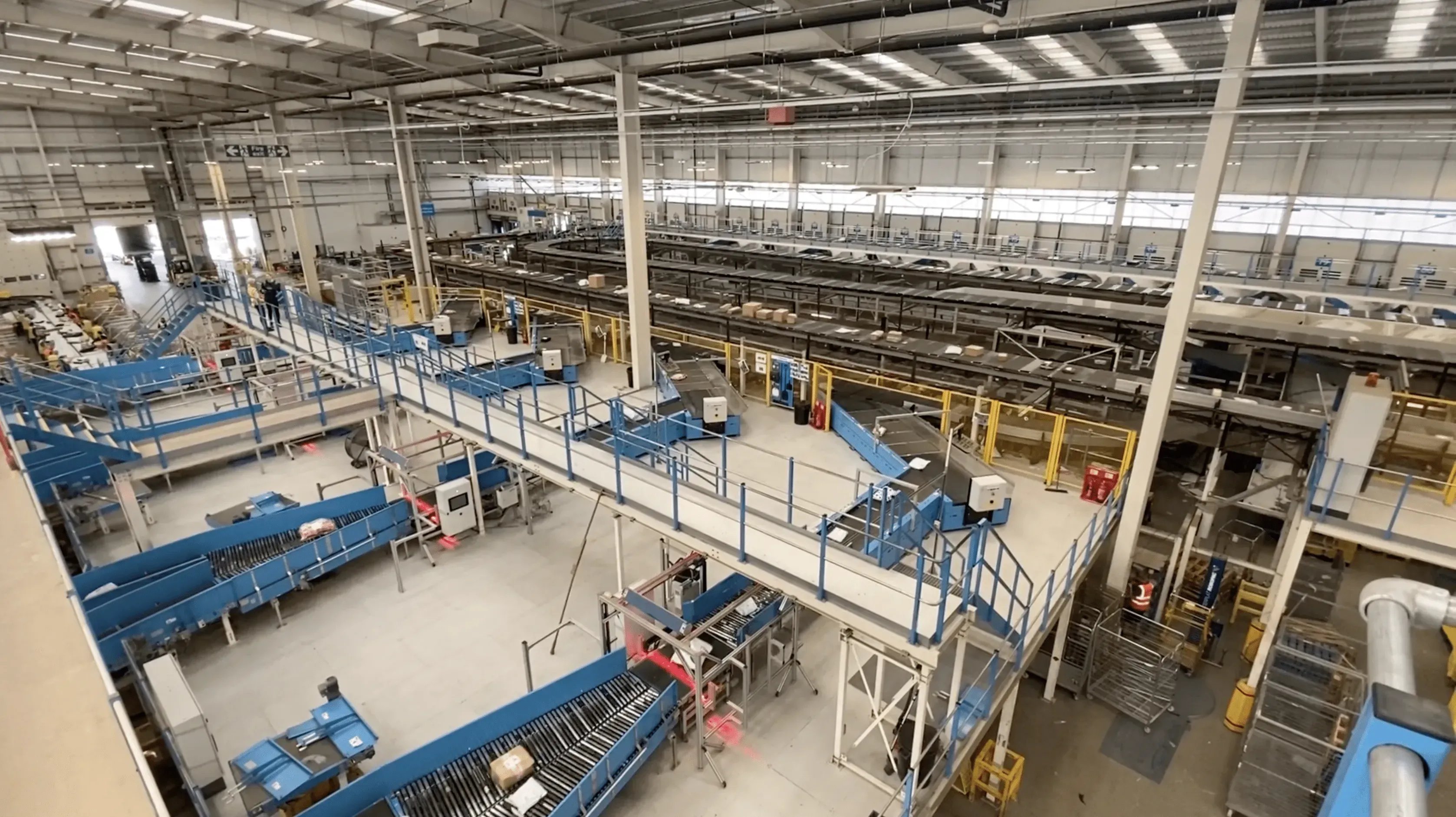
Although robotic automation requires an initial capital investment, the long-term return is significant. Automated systems reduce reliance on manual labour, minimise losses caused by errors, and improve overall energy efficiency across operations. As robots take on high-volume, repetitive tasks with greater speed and accuracy, the operational cost per unit decreases, delivering measurable financial benefits over time.
At the same time, workforce roles evolve rather than disappear. Employees transition from manual handling into higher-value positions focused on system monitoring, programming, and continuous optimisation, aligning skillsets with intelligent automation environments. Cost efficiency is further enhanced through optimised labour allocation, reduced downtime enabled by predictive analytics, lower waste and rework levels, and energy optimisation driven by AI-powered control systems.
Flexibility and Adaptability for Changing Market Demands
Modern automation no longer represents rigid, single-purpose machinery. Today’s robotic systems are engineered for flexibility, enabling manufacturers to adjust and reconfigure tasks quickly as products evolve. Articulated robots, pick and place arms, and robotic packing machines can be reprogrammed rapidly, supporting shorter product cycles and frequent format changes across both primary packaging and broader production environments. This adaptability is particularly valuable in packaging operations that require fast changeovers, assembly lines producing multiple product variants, and production settings responding to fluctuating market demands. By implementing automation solutions that evolve alongside product requirements, businesses can expand their automation potential gradually and cost effectively without disrupting existing processes.
Data Collection and Continuous Process Optimisation
One of the most significant advantages of robotic process automation is the real-time data it generates across business processes. Smart sensors and monitoring tools capture cycle times, error frequencies, load patterns, and machine health indicators, creating a powerful dataset for operational intelligence.
Machine learning and predictive analytics transform this data into actionable insights, helping manufacturers improve performance, prevent breakdowns, and refine workflows.