Robot-Human Collaboration

Robot-Human Collaboration: Building Safer, More Efficient Industrial Workspaces

The industrial landscape is undergoing a fundamental transformation. Where once robots operated behind safety cages, separated from their human counterparts, a new era of collaborative robotics is reshaping manufacturing floors across the globe. This shift towards robot-human collaboration represents more than a technological advancement; it signals a reimagining of how work gets done in industrial environments.

Human–Robot Collaboration in Modern Industrial Applications


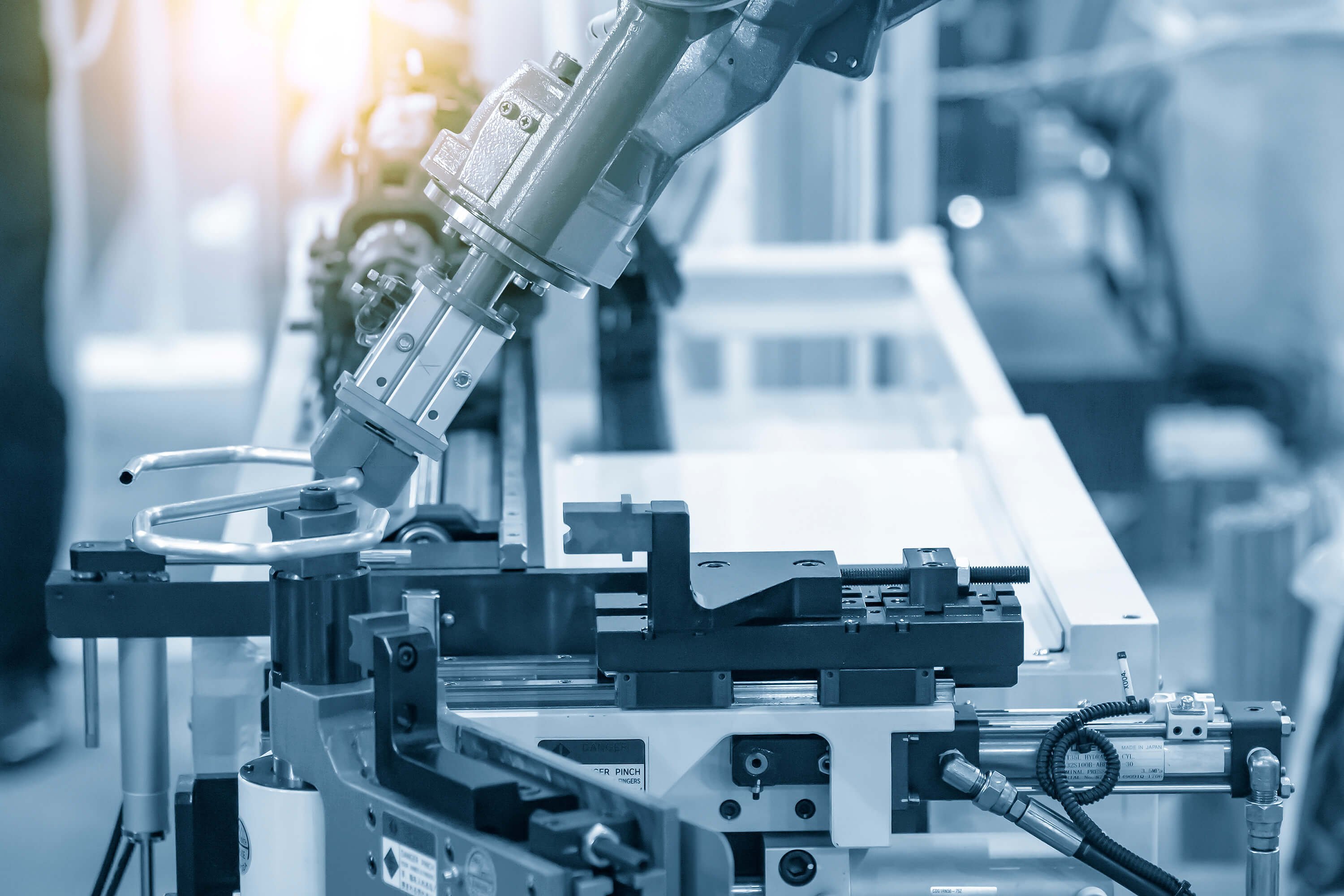
Across global manufacturing, human–robot collaboration now enables production lines to combine human cognitive strengths with the repeatability and endurance of autonomous systems. New forms of robot design, including emerging humanoid robots and multi-purpose collaborative platforms, are being developed to support tasks once considered too variable for automation. These advancements are increasingly being deployed in automotive assembly, electronics manufacturing, and precision industrial applications where safe, shared workspaces offer measurable productivity gains.

Facilities adopting these technologies view them as part of a wider shift toward hybrid automation environments, where humans and robots operate as a combined workforce rather than competing labour streams.

The Evolution of Industrial Robotics

Traditional industrial robots have served manufacturing well for decades, performing repetitive tasks with precision and speed. However, their operation required complete isolation from human workers due to safety concerns. These machines moved with considerable force and speed, making any human contact potentially dangerous.


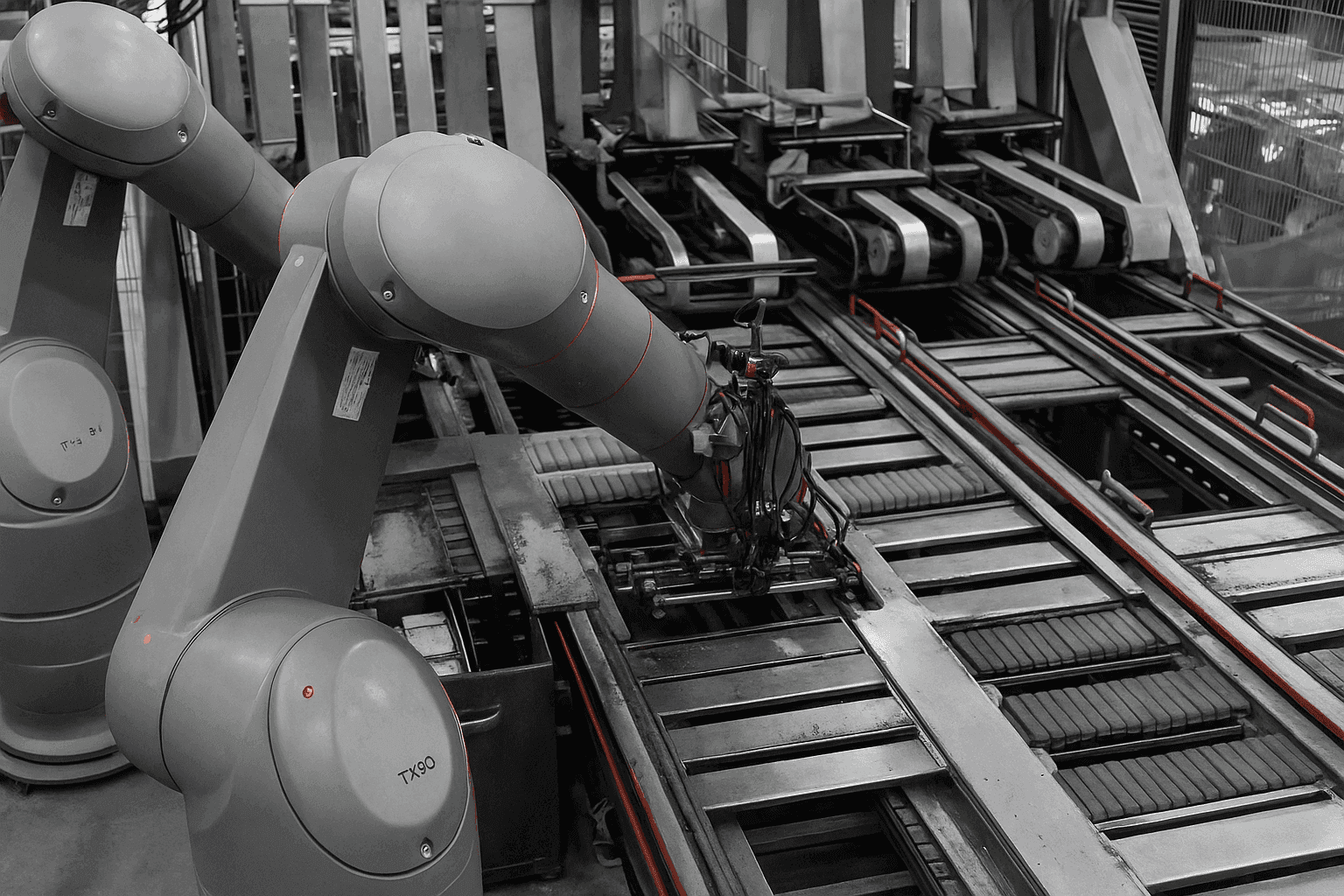
The emergence of collaborative robots, or cobots, has changed this dynamic entirely. Designed with advanced sensors, force-limiting capabilities, and sophisticated programming, these machines can work alongside humans without the need for protective barriers. According to the International Federation of Robotics, the collaborative robot market has grown significantly in recent years, with installations increasing as manufacturers recognise the benefits of this technology.

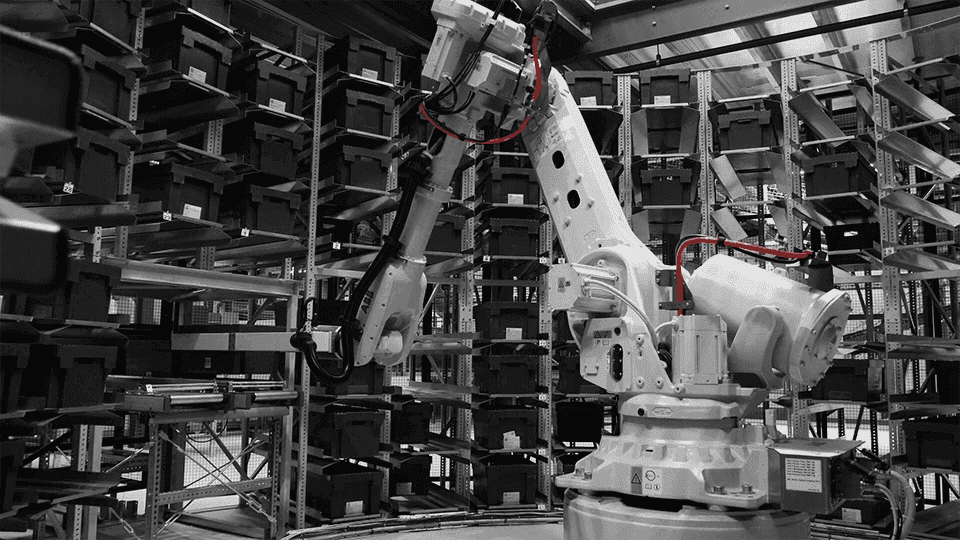
robotic automation

Key Features Supporting Human–Robot Interaction


Sensor-driven human safety systems that reduce risk in shared work zones

AI techniques enabling robots to respond intelligently to changing conditions

Deep learning models allowing autonomous refinement of robotic movement

Robot learning methods to support consistent improvements in task execution

These innovations form the backbone of next-generation collaborative robotics.

Safety as the Foundation

Safety remains the primary consideration in any robot-human collaborative workspace. Modern collaborative systems incorporate multiple layers of protection to ensure worker wellbeing. Force and torque sensors enable robots to detect unexpected contact and stop immediately, typically within milliseconds. Speed monitoring systems ensure that robots slow down or halt when humans enter their working envelope.


Beyond the technology itself, comprehensive risk assessments form the backbone of safe collaborative operations. Each application requires careful evaluation of potential hazards, implementation of appropriate safeguards, and thorough worker training. Organisations must consider factors such as task complexity, workspace layout, and the nature of materials being handled.


Standards bodies have developed specific guidelines for collaborative robotics. ISO/TS 15066, for instance, provides detailed requirements for collaborative robot system design and deployment, including maximum allowable contact forces for different body regions. Adherence to these standards ensures that collaboration remains both productive and safe.

Safety Principles in Human–Robot Collaboration


Clearly defined interaction zones and controlled robot motion profiles

Continuous monitoring of human proximity within robot work envelopes

Risk-based robot design that limits force, speed and operational range

Validation procedures ensuring compliance with international safety standards

These practices ensure safe integration across robotic assembly tasks, pick-and-place operations and general industrial applications.

Efficiency Gains Through Collaboration

The efficiency benefits of robot-human collaboration extend beyond simple productivity metrics. By combining human cognitive abilities and adaptability with robotic precision and endurance, manufacturers can optimise operations in ways neither could achieve alone. Humans excel at tasks requiring judgment, problem-solving, and fine motor skills in unpredictable situations. Robots, meanwhile, handle repetitive precision work, heavy lifting, and operations in uncomfortable positions without fatigue. This division of labour allows each to operate at peak effectiveness.


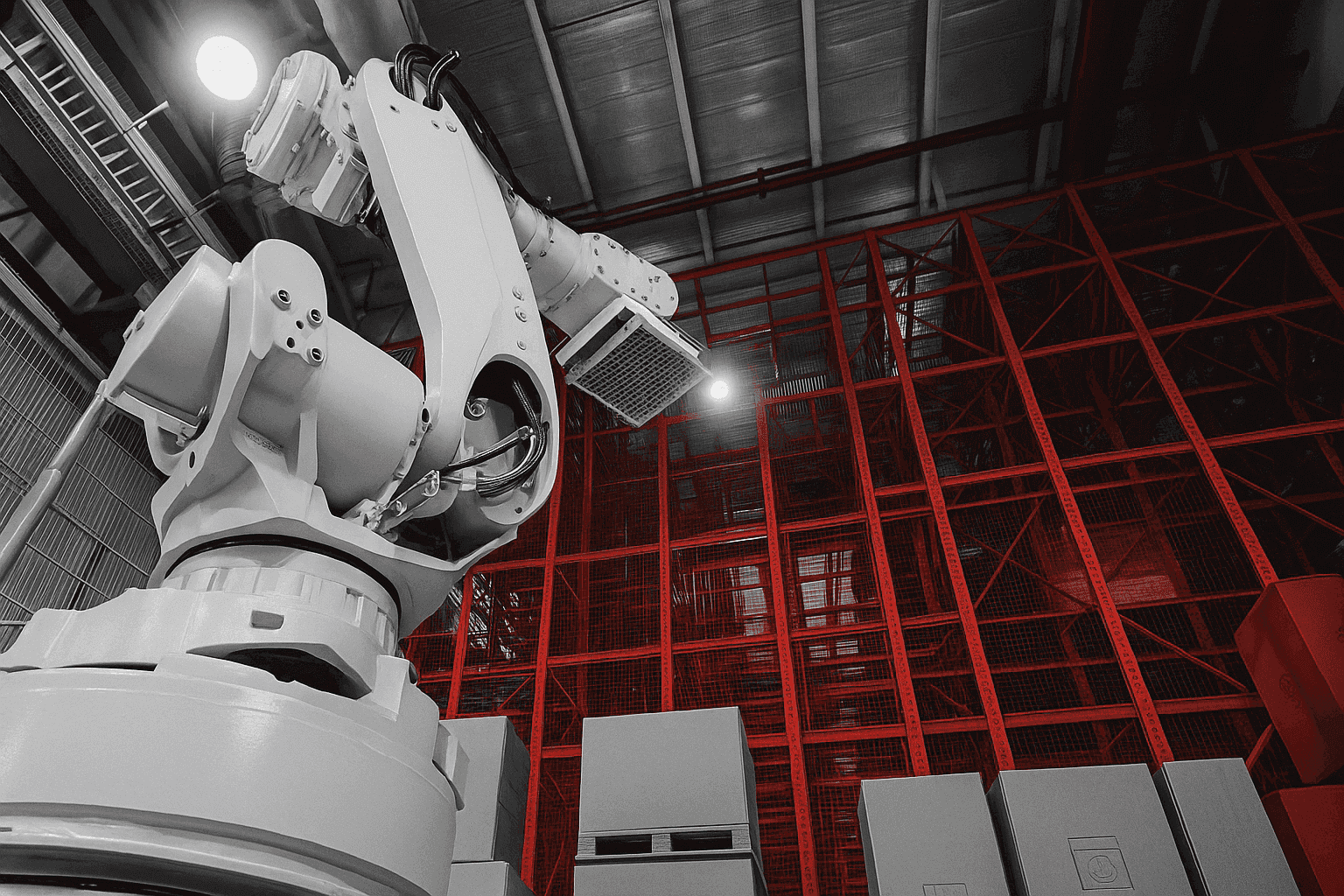
Material handling provides a clear example. Whilst a robot might retrieve and position heavy components with exact precision, a human worker can perform the delicate assembly operations that require tactile feedback and decision-making. This partnership reduces cycle times whilst minimising physical strain on workers. Quality control processes also benefit from collaborative approaches. Automated inspection systems can conduct high-speed visual checks, flagging potential issues for human verification. This combination leverages the speed of automated systems with human expertise in contextual judgment.

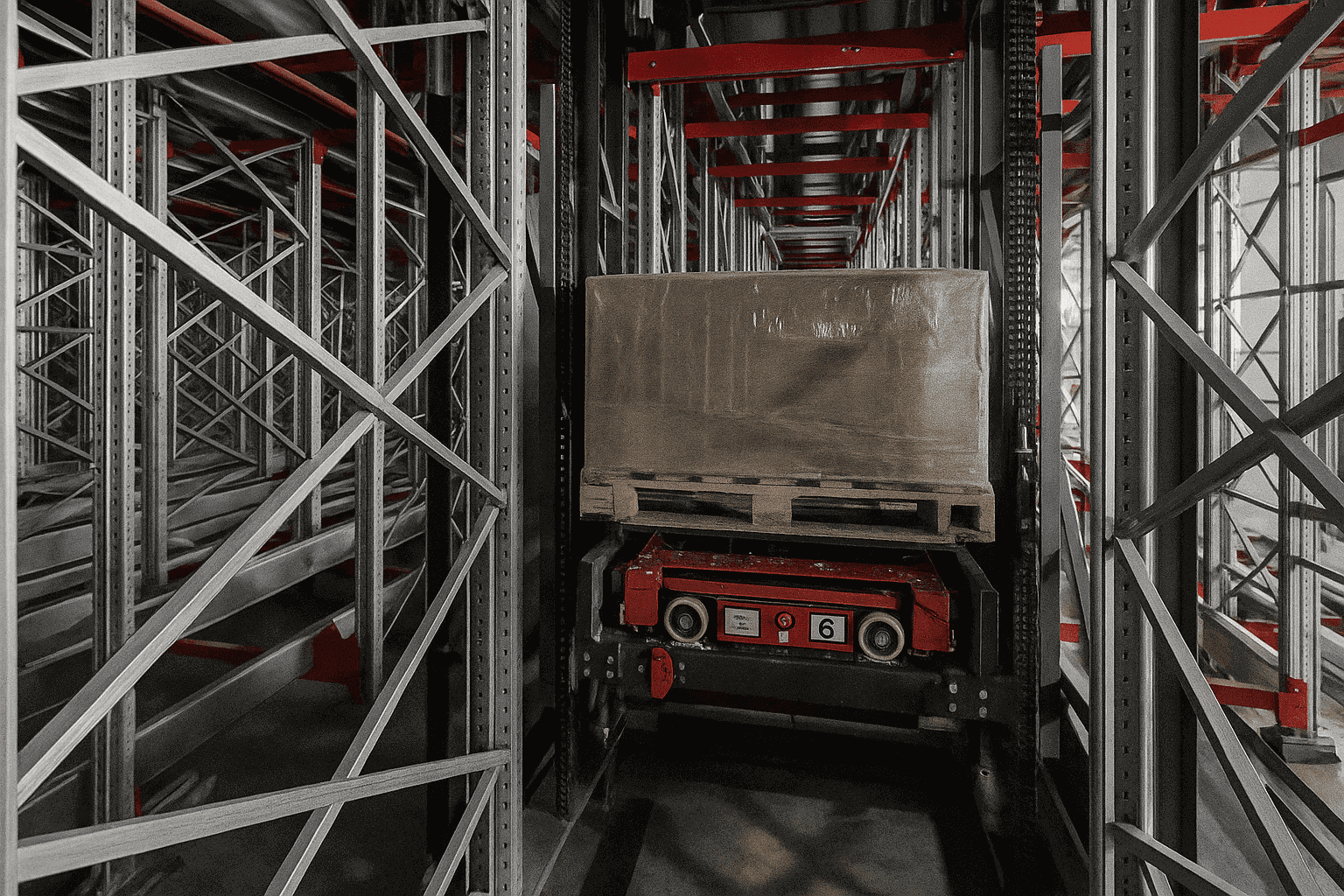
robotics for supply chain efficiency

Industrial Workflows Benefiting Most From Collaboration


Industrial workflows benefit most from robot-human collaboration where automation and human judgement are combined in real time. Robotic assembly cells, for example, are significantly enhanced when supported by human decision-making. While robots deliver speed, repeatability, and precision, human operators provide contextual awareness and problem-solving capabilities that allow production to adapt quickly to changes or unexpected conditions.Multi-purpose robots are particularly valuable in variable production environments where product types, batch sizes, or workflows frequently change. In these settings, collaborative systems allow robots to handle repetitive or physically demanding tasks while human workers manage setup changes, fine adjustments, and process optimisation, ensuring flexibility without sacrificing efficiency.


Autonomous systems also play a critical role in improving consistency, particularly in component positioning and handling. When combined with human supervision, these systems can maintain high levels of accuracy while allowing operators to intervene when tolerances, materials, or environmental conditions vary beyond predefined parameters.


AI-driven quality inspection workflows further demonstrate the strengths of collaboration. Advanced vision systems and machine learning algorithms can rapidly identify defects and deviations at scale, while human oversight validates decisions, manages edge cases, and continuously improves system learning. Together, these examples demonstrate how collaborative workflows deliver outcomes that neither humans nor robots could achieve independently, creating safer, more efficient, and more resilient industrial operations.


Transforming the Workforce


The introduction of collaborative robots necessitates a shift in workforce skills and roles. Rather than replacing workers, these systems typically augment human capabilities, allowing employees to focus on higher-value activities. This transition requires investment in training and development.


Workers must understand how to program, operate, and maintain collaborative systems. Many modern cobots feature intuitive interfaces that allow operators with minimal technical background to teach new tasks through hand-guiding or simple programming interfaces. This accessibility democratises automation, enabling broader workforce participation in robotic operations.


New Workforce Capabilities Emerging


As collaborative robots continue to evolve, manufacturers are increasingly seeking a workforce equipped with a broader and more hybrid skill set. A key requirement is an understanding of human–robot interaction principles, ensuring that operators can work safely and efficiently alongside automated systems while maximising productivity and minimising risk. Basic robot programming and troubleshooting skills are also becoming essential. Rather than relying solely on specialist engineers, operators are now expected to make minor adjustments, respond to faults, and support day-to-day optimisation of collaborative robotic systems, reducing downtime and improving system responsiveness.


Safety knowledge remains critical in hybrid automation environments where humans and robots share the same workspace. Employees must be familiar with collaborative safety standards, risk assessments, and safe operating procedures to maintain compliance while supporting flexible, high-performance production. In addition, the ability to coordinate autonomous systems across wider production workflows is increasingly valued. As robots, conveyors, and digital control systems become more interconnected, workers play a vital role in overseeing system integration and ensuring smooth material and information flow.


This evolution in workforce capabilities is expanding career pathways within manufacturing, creating more technical, future-focused roles while strengthening overall operational resilience.


Flexibility for Modern Manufacturing


Modern manufacturing demands flexibility. Product lifecycles shorten, customisation increases, and production volumes fluctuate. Collaborative robots address these challenges through their inherent adaptability. Unlike traditional automation requiring extensive reconfiguration for new tasks, collaborative systems can be reprogrammed and redeployed relatively quickly. This agility proves particularly valuable for small and medium-sized enterprises that may lack the resources for fixed automation infrastructure.

The Future of Robot-Human Collaboration in Industry

Robot-human collaboration continues to evolve rapidly. Advances in artificial intelligence, machine learning, and sensor technology promise even more sophisticated collaborative capabilities. Future systems may anticipate human needs, adapt to individual working styles, and learn from observation.


As these technologies mature, the focus must remain on creating workspaces that genuinely enhance both safety and efficiency. Success requires thoughtful integration that considers technical capabilities alongside human factors, organisational culture, and operational requirements. 


The future of industrial work lies not in choosing between human workers and robots, but in thoughtfully combining their complementary strengths to create safer, more efficient, and more adaptable production environments.

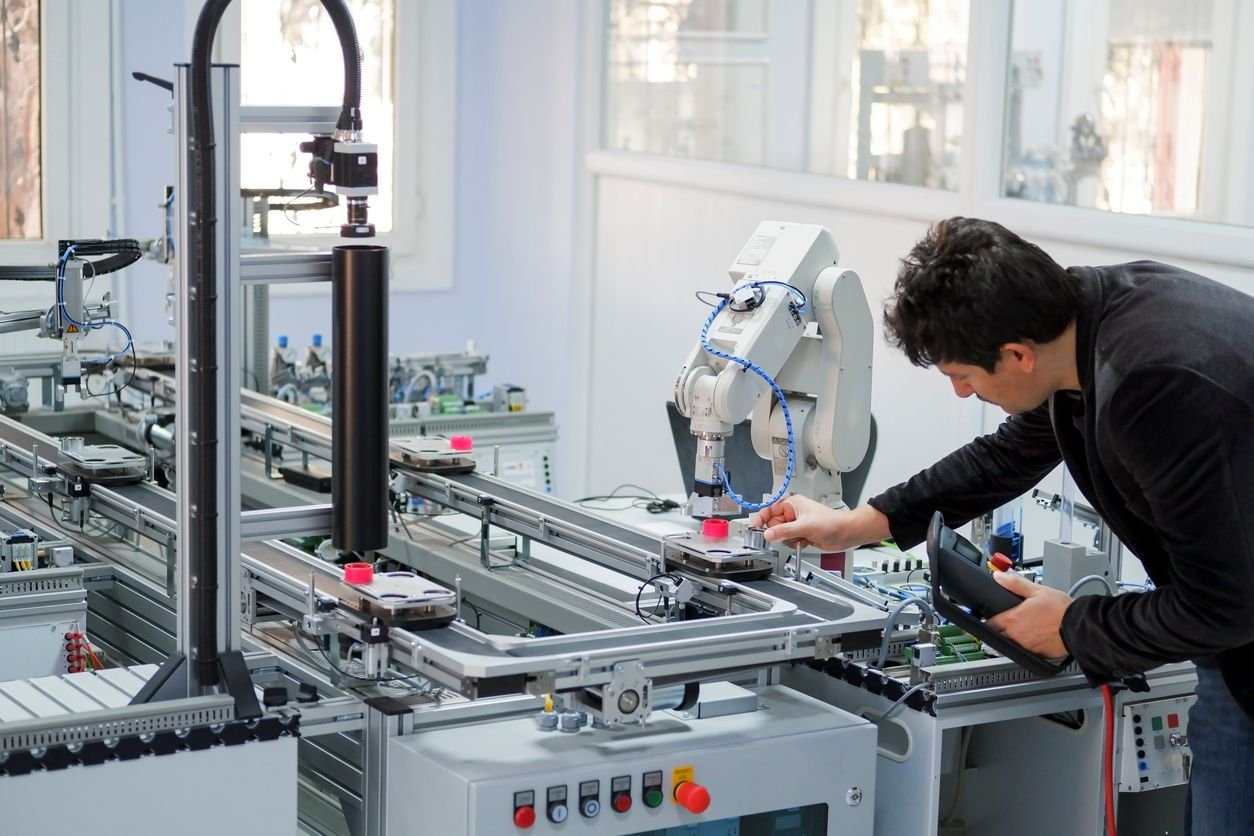
robotic automation setting