robotic automation

How to Transition from Manual Handling to Automation: A UK Warehouse Guide

Most warehouse operators already know automation is coming; where they get stuck is the how.

Most warehouse operators already know automation is coming; where they get stuck is the how. The instinct is to picture a fully automated facility and then balk at the cost, scale, and disruption of reaching it in one leap. But moving away from manual handling rarely looks like a single switch being flipped, it looks like a deliberate, staged transition.

In short: the most successful transitions start small, targeting high-volume, repetitive tasks first, prove the return with a pilot, then scale into a hybrid model where automation and people each do what they do best.
What Is Robotic Automation in Material Handling?

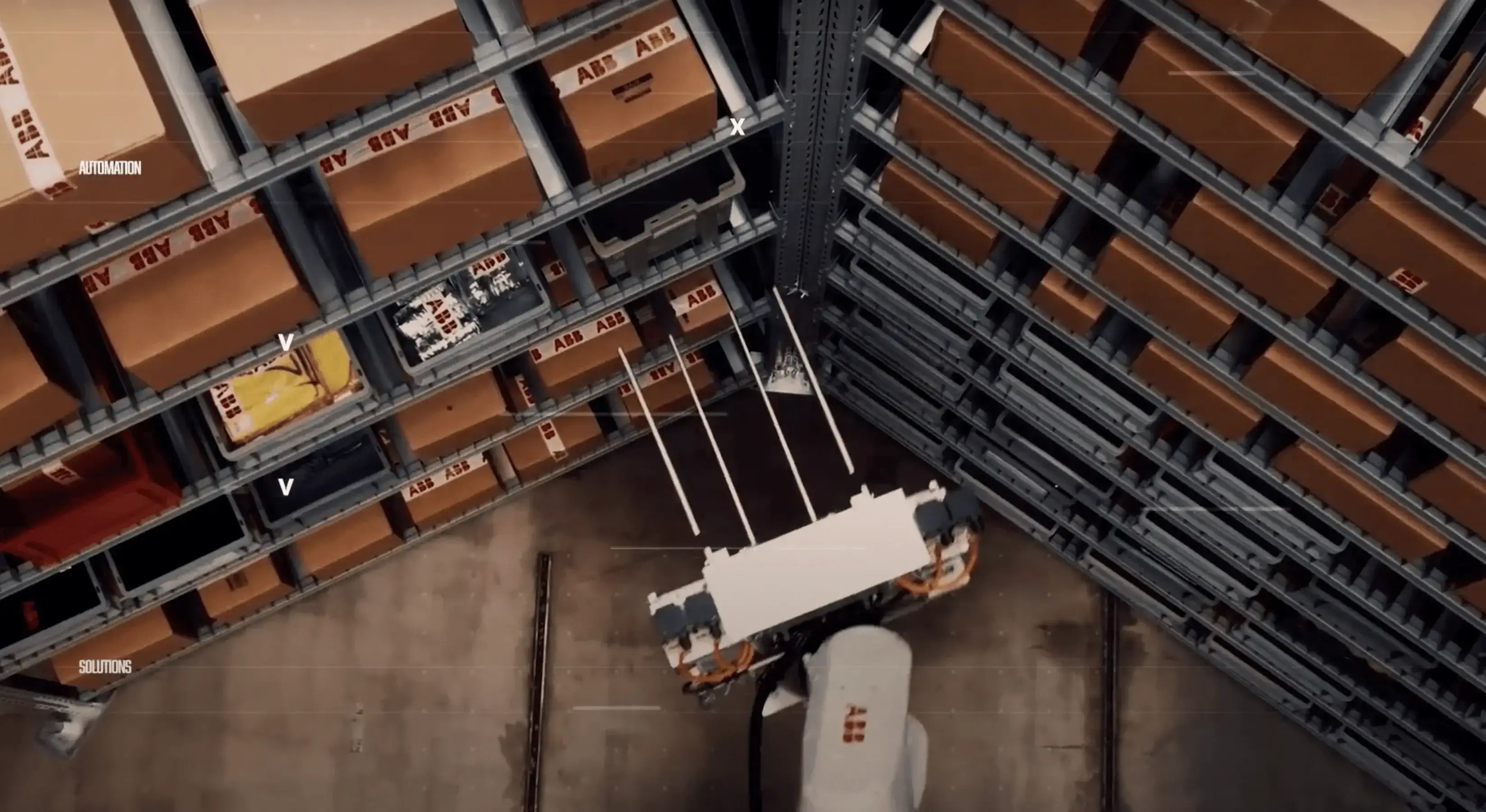
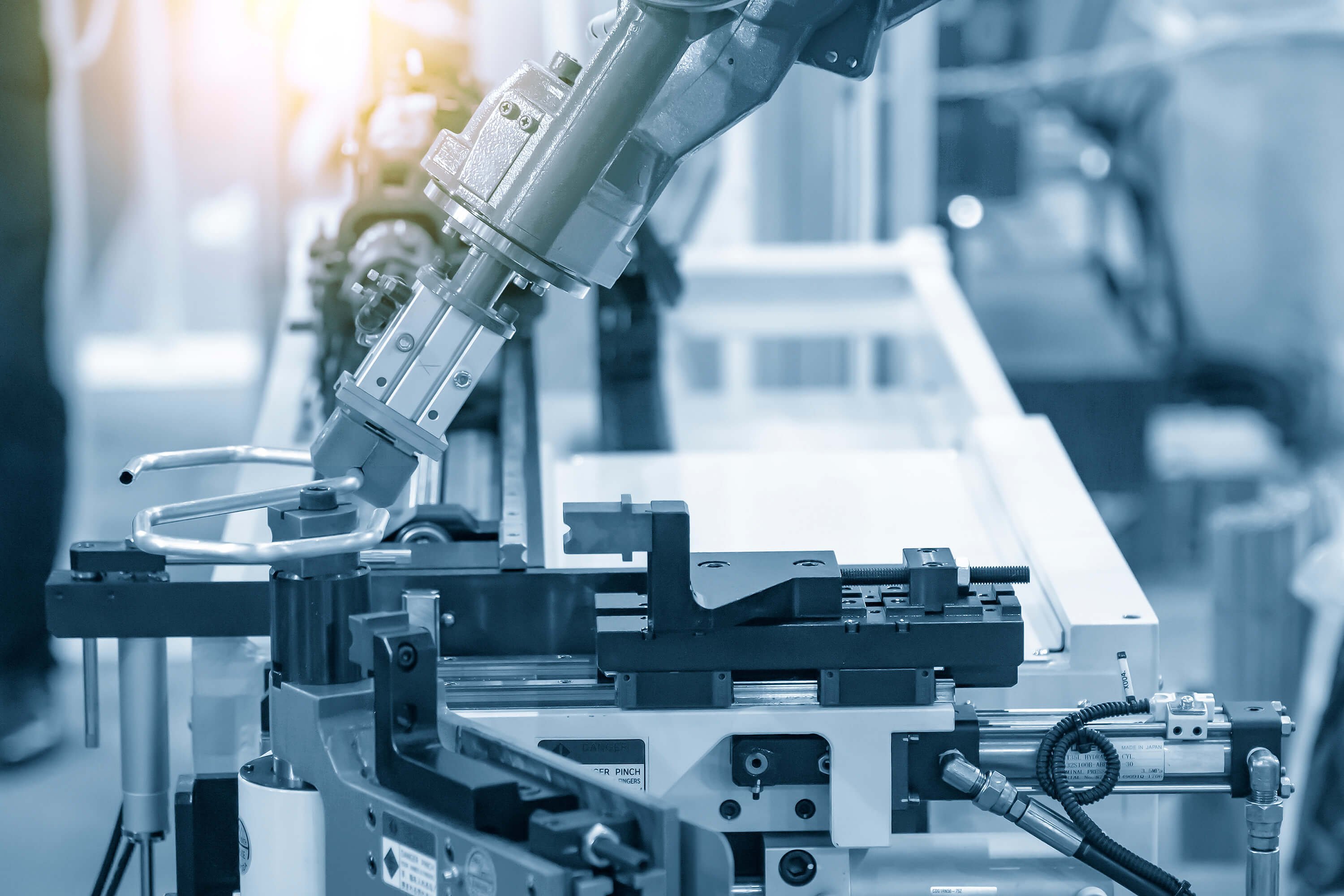
Robotic automation in material handling refers to the use of programmable machines and automated systems to perform tasks that would otherwise be carried out by human operatives. This covers a wide range of applications: from autonomous mobile robots (AMRs) transporting goods across a warehouse floor to robotic arms conducting pick-and-place operations at high speed. These systems are designed to operate continuously, with consistent output and minimal downtime.

Why Move Away From Manual Handling?

Manual handling remains common across UK distribution and manufacturing facilities. However, its limitations are well-documented. Labour shortages continue to affect the logistics sector, with persistent recruitment difficulties across the industry. Physical strain, human error, and inconsistent throughput are structural challenges that no amount of workforce management fully resolves. For operations scaling to meet growing demand, these constraints become increasingly costly.

Where Automation Delivers the Biggest Gains

Robotic automation excels where speed, repeatability, and volume are the primary performance drivers. The benefits are substantial:


Consistency

Robotic systems perform tasks with the same precision and accuracy across every cycle, eliminating the variability inherent in manual operations.

Throughput

Automated systems sustain output rates manual handling cannot match, particularly across extended operating hours or multi-shift environments.

Safety

By removing operatives from repetitive or physically demanding tasks, automation reduces the risk of musculoskeletal injury and workplace accidents.

Labour efficiency

With automation handling repetitive workflows, human operatives can be redeployed to tasks requiring judgement, flexibility, or customer interaction.

Scalability

Robotic systems can be expanded or reconfigured to accommodate changes in throughput, SKU range, or operational layout.

How to Transition From Manual to Automated Handling

A successful transition is phased, not all-at-once. The following sequence keeps risk low and builds an evidence-backed case as you go:


Audit your material flows

Map where goods move and identify high-volume, repetitive, or physically demanding tasks. These are your first automation candidates.

Quantify the cost of the status quo

Capture current labour, error, rework, injury, and downtime costs for each target process, so the business case rests on data rather than intuition.

Start with a targeted pilot

Automate a single bottleneck or one repetitive task first, such as pallet transport with an AMR or a pick-and-place cell, and measure the result.

Integrate and adopt a hybrid model

Connect the new system to your warehouse control software so automated and manual steps work in coordination, not isolation.

Scale and reconfigure

Extend automation to further tasks as volumes and SKU ranges evolve, using the pilot data to justify each phase.

The Hybrid Model: Automation and People Together

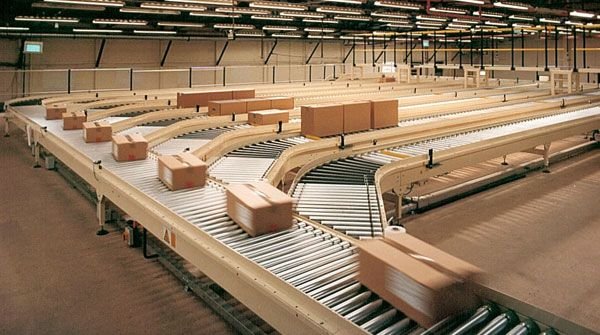
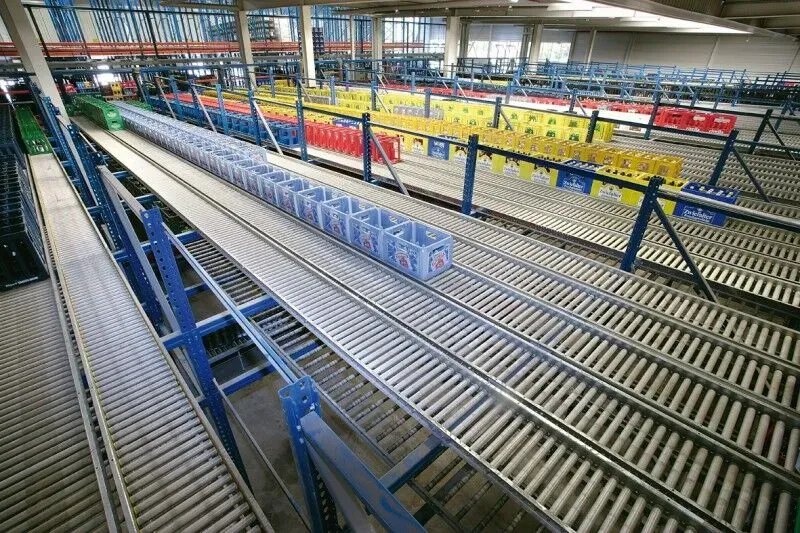
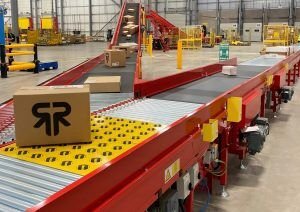
Many of the most effective operations do not choose between automation and manual handling; they integrate both. Conveyor systems, AMRs, and robotic picking stations handle the predictable, high-volume elements of a workflow, while human operatives manage exceptions, quality checks, and tasks requiring physical adaptability. Seamless integration between robotic systems and warehouse control software ensures both elements work in coordination rather than isolation.

Frequently Asked Questions