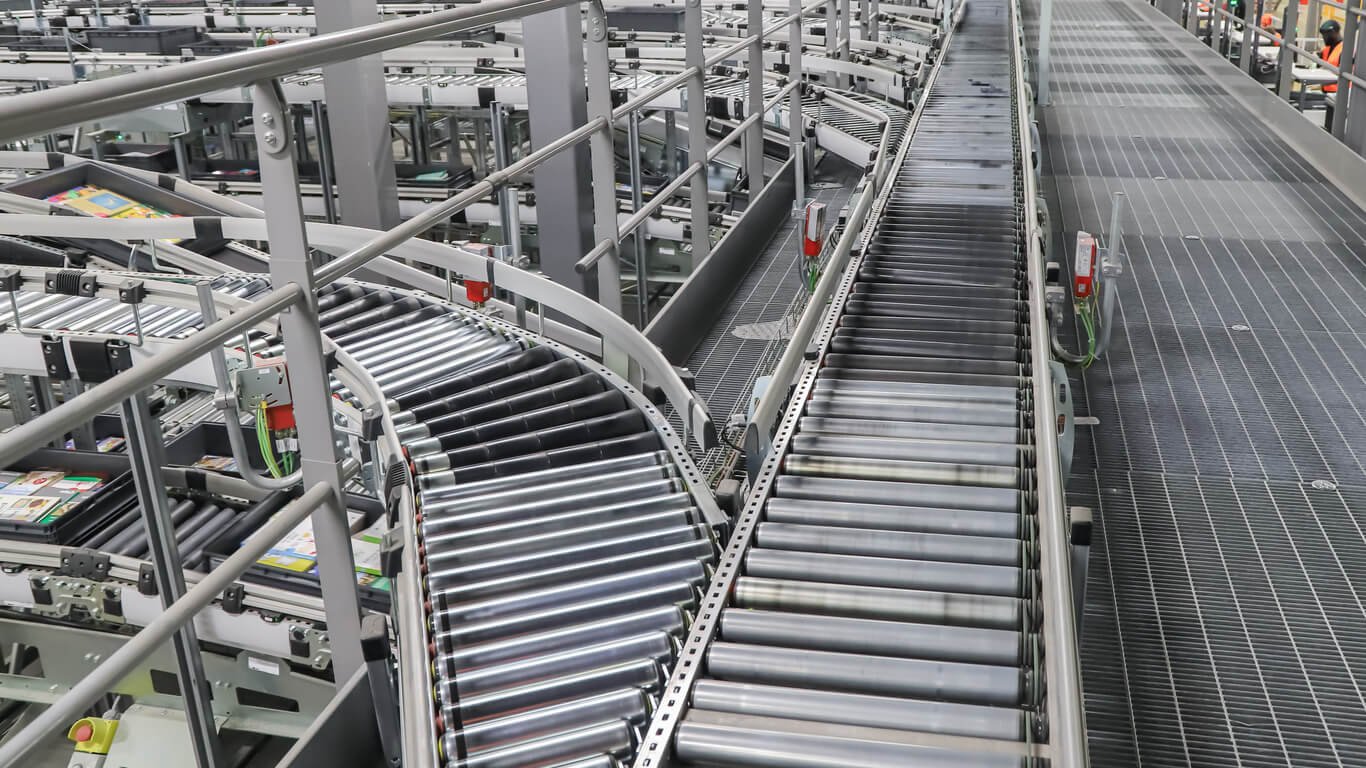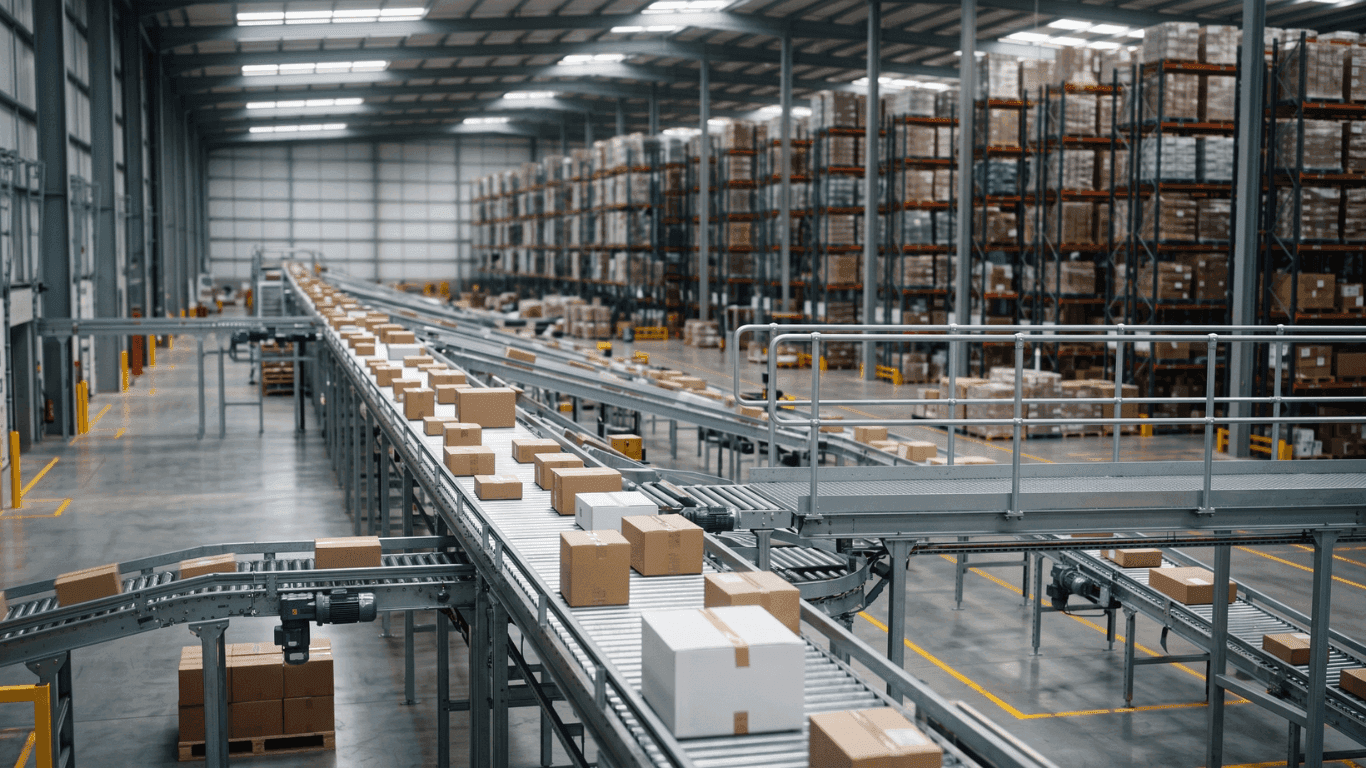
assessing a large conveyor system in a UK distribution centre, weighing an upgrade against full replacement

When to Upgrade an Existing Conveyor System Instead of Replacing It

For operations managers running ageing material handling infrastructure, the decision to upgrade an existing conveyor system or replace it entirely is rarely straightforward. Full replacement delivers a clean slate: new equipment, new warranties, and the opportunity to redesign the material flow from scratch. But it also means capital expenditure at a scale that many businesses cannot justify when the existing system is still functional. Understanding when an upgrade delivers the same operational outcome at a fraction of the cost is a critical skill for any operations leader managing a long-lived installation.

Key takeaways
  • Most ageing conveyor problems are fixable with targeted upgrades, not full replacement.
  • Upgrade when the mechanical base is sound but controls, a bottleneck, product range or energy use limit performance.
  • Replace when the layout or infrastructure is fundamentally mismatched, or a redesign delivers a step-change in throughput.
  • Decide with a structured assessment: remaining useful life, performance target, and total cost including downtime.

Why This Decision Matters More Than It Used to

The average conveyor system in a UK distribution centre was installed more than ten years ago. Over that period, throughput demands have grown, product profiles have changed, and control technology has advanced significantly. IDS-INDATA research projects that UK and European manufacturers will lose more than £80 billion to unplanned downtime in 2025, with ageing machinery and legacy infrastructure named as one of the central drivers across sectors including food processing, packaging, and heavy industry.¹ A system designed for one set of operational requirements is now being asked to perform under very different conditions. The question is not whether the system needs attention, it is whether targeted investment in the right components will restore performance, or whether the fundamental design is so mismatched with current requirements that only a full replacement will resolve it.

£80bn
lost to unplanned downtime by UK & European manufacturers in 2025
+10yrs
added life from upgrading legacy controls and software
20-40%
longer asset lifespan from planned preventive maintenance
~⅓
fewer unplanned breakdowns with a maintenance programme

Signs That an Upgrade Is the Right Call


An upgrade to an existing conveyor system is typically the right decision when the mechanical infrastructure is sound but specific components or control systems are limiting performance. Indicators include:

Ageing controls and software

Conveyor systems running legacy PLCs or proprietary control software that is no longer supported represent a significant maintenance risk. Upgrading to modern controls, including integration with a warehouse control system, can extend the operational life of otherwise well-performing mechanical equipment by ten or more years and reduce the maintenance requirements that come with unsupported legacy software.

Bottlenecks at specific points

If throughput is constrained by a single conveyor section, divert, or merge, targeted modification of that element is often sufficient to unlock the capacity of the wider system.

Increased product range

Where the product profile has changed since the original installation, for example the introduction of smaller cases or new packaging formats, modifications to belt widths, accumulation zones, or divert equipment can accommodate the new range without replacing the entire line.

Energy inefficiency

Older conveyor systems frequently run fixed-speed drives that consume full power regardless of load. Retrofitting variable speed drives, replacing worn parts with high-quality components, and adding zone-control technology reduces energy consumption and extends belt and motor life. According to industry analysis on preventive maintenance, planned upkeep of conveyors and similar manufacturing equipment can extend asset lifespan by 20% to 40% and reduce unplanned breakdowns by around a quarter to a third.²

Upgrade or replace: how the signs compare

It comes down to whether the mechanical infrastructure is fundamentally sound. This is how the signs typically split:

Upgrade is the right call when
  • The mechanical infrastructure is sound
  • Ageing controls or unsupported software limit performance
  • A single section, divert or merge is the bottleneck
  • The product range has changed but the line can be modified
  • Energy waste comes from fixed-speed drives
Replacement is necessary when
  • The layout is incompatible with current material flow
  • Infrastructure has degraded beyond economic repair
  • Equipment is too integrated with obsolete machinery
  • A redesign would deliver a step-change in throughput
  • You need to design for requirements ten years ahead

How to assess the decision

Structure the upgrade-versus-replace decision around three questions, each answered with real data rather than assumption:

1

Remaining useful life

What is the remaining life of the mechanical infrastructure if well maintained? A condition survey by an experienced integrator provides the data.

2

Performance target

What throughput must the system meet, and can the existing layout achieve it with targeted modification? Answered by a throughput analysis.

3

Total cost

What is the full cost of upgrade versus replacement, including production downtime during installation for each option?

Making the Investment Work for Longer

Upgrading an existing conveyor system, where the infrastructure supports it, is a financially sound alternative to full replacement that many operations underutilise. A targeted upgrade extends the life of equipment that still has years of service left in it, avoids the capital outlay of a full rebuild, and keeps disruption to the operation to a minimum, all while lifting throughput, energy efficiency, or reliability where it is actually needed.

The businesses that get the most from this approach are the ones that resist the instinct to rip and replace, or to patch indefinitely, and instead let the evidence decide. Investing in a structured assessment before committing to either path consistently produces better capital decisions: it identifies exactly where targeted investment will restore performance, and it makes the case for full replacement clear and defensible on the occasions when that genuinely is the right answer.

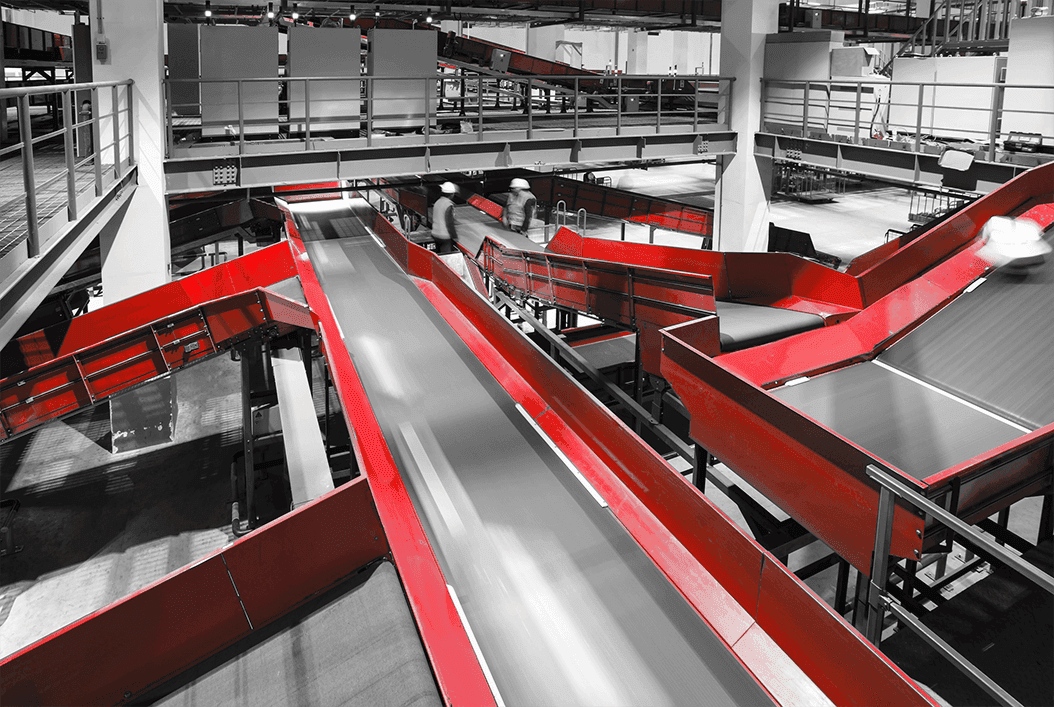
Operations team overseeing a smoothly running upgraded conveyor system, illustrating long-term value from targeted investment

Not sure whether to upgrade or replace?

We combine the engineering to specify upgrades or full replacements with the delivery experience to keep production running through the works.

Speak to our team

References

1
IDS-INDATA, The Real Cost of Downtime in Manufacturing: Sector-by-Sector Breakdown and 2025 Forecasting, on UK and European manufacturing downtime losses and the role of ageing infrastructure. idsindata.co.uk ↗
2
Preventive Maintenance: The Complete Guide for 2026, on the impact of preventive maintenance programmes on equipment lifespan and breakdown frequency. getmaintainx.com ↗