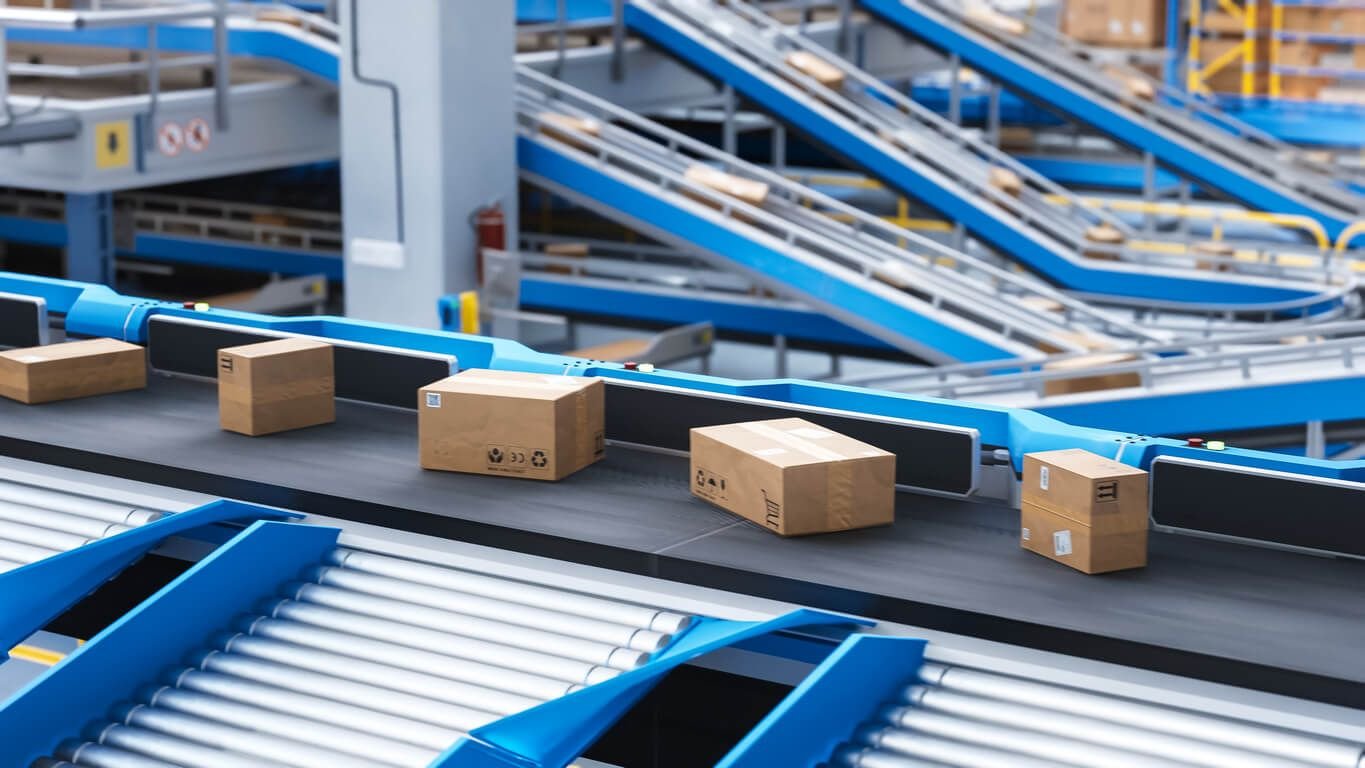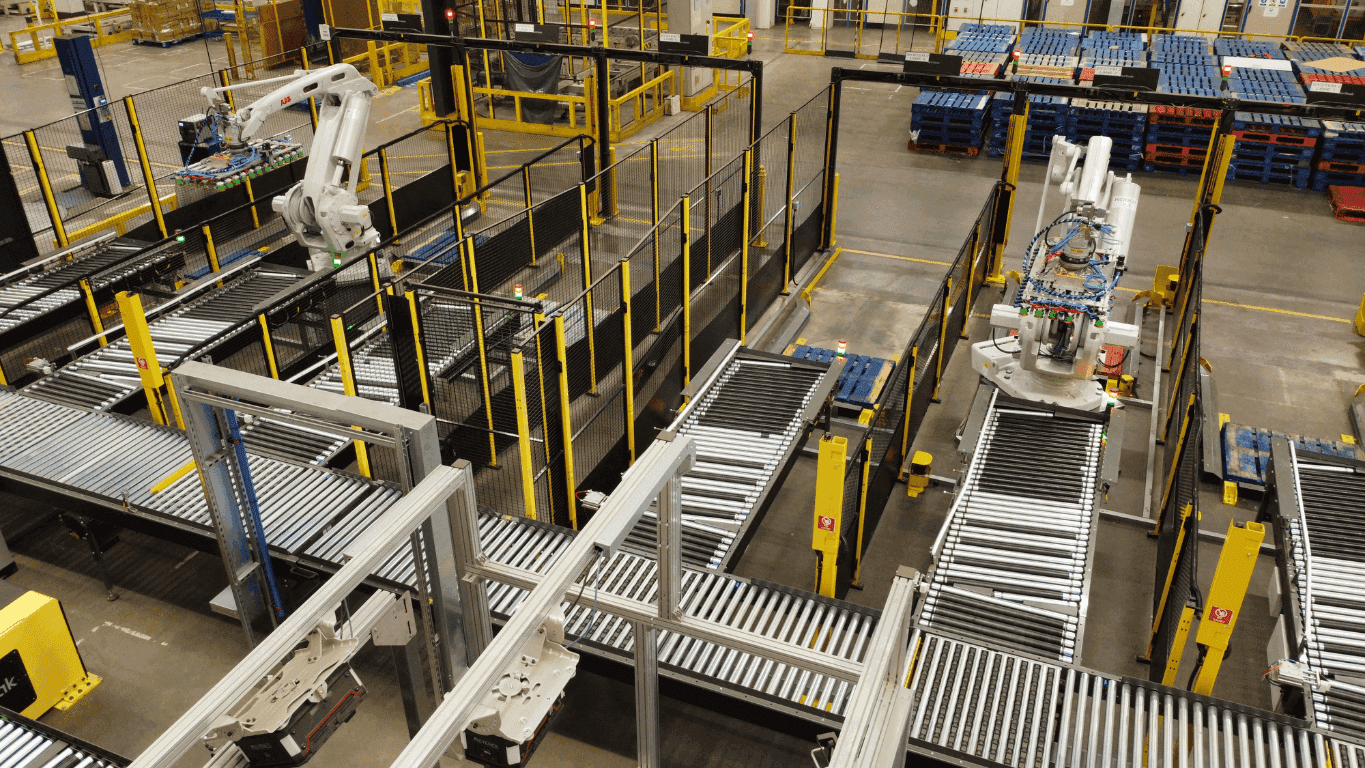
Industrial conveyor system handling fluctuating parcel volumes across multiple belt lines in a warehouse

How Conveyor Systems Behave Under Variable Demand

Manufacturing environments rarely operate at constant capacity. Production lines experience fluctuations in throughput, seasonal peaks impose additional strain on material handling equipment, and unexpected surges in orders test the limits of existing infrastructure.

Conveyor systems, which form the backbone of countless industrial operations, must accommodate these variations whilst maintaining efficiency and reliability. Understanding how these systems respond to changing demand levels enables facility managers to optimise performance, assess conveyor system performance under load, and prevent costly disruptions.

The Mechanics of Load Response

Conveyor systems exhibit distinct behavioural patterns when subjected to varying load conditions. At baseline operation, motors run at designed speeds, belts maintain consistent tension, and components operate within nominal parameters. As throughput increases, however, mechanical stresses intensify across multiple system elements simultaneously.


Belt tension rises proportionally with load weight, creating additional strain on drive motors and requiring greater torque to maintain belt speed. In conveyor belt systems, this directly affects load capacity and the stability of the material being transported. Bearing assemblies experience elevated friction levels, generating increased heat that can accelerate component wear if cooling mechanisms prove insufficient. Support rollers encounter higher contact forces, which may lead to deflection in inadequately specified structures.

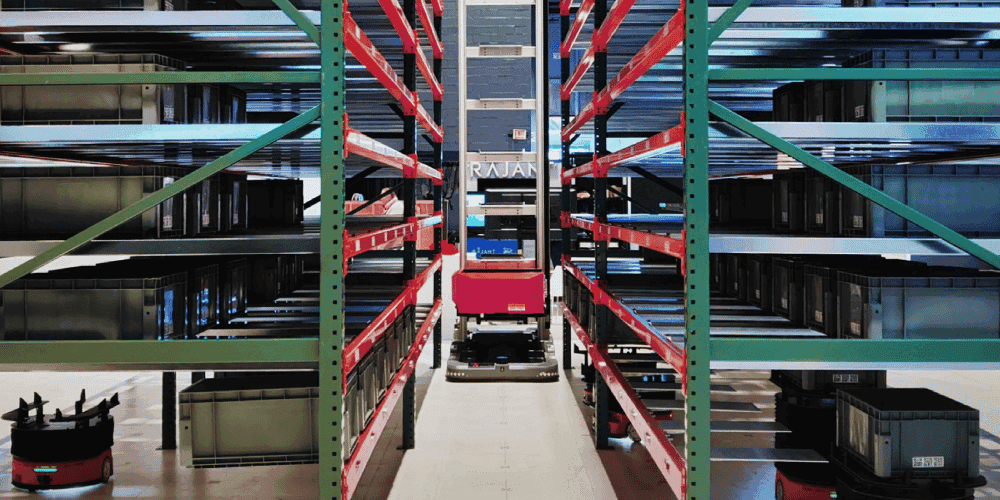
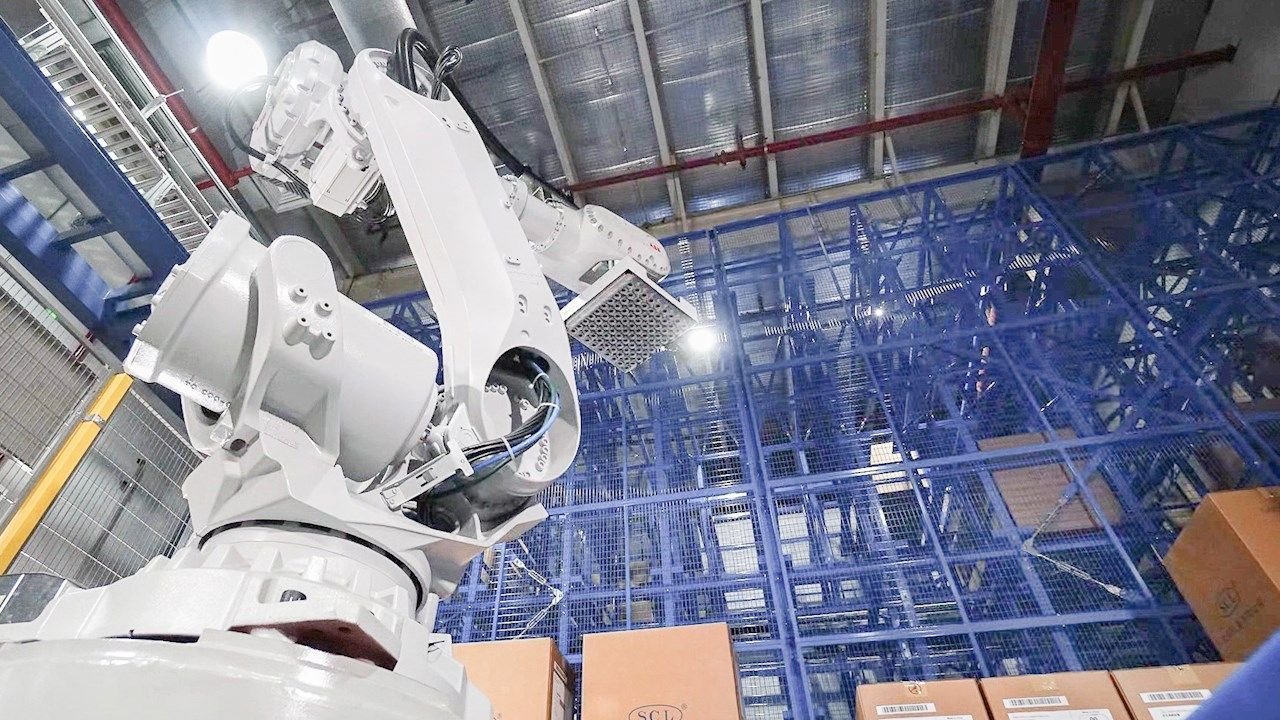
Precision conveyor system transporting storage totes in an automated warehouse supporting waste reduction and green manufacturing.

The relationship between load and power consumption follows a predictable but non-linear trajectory. Empty conveyors consume baseline power primarily to overcome internal friction and belt weight. As material volume increases, power requirements rise to accommodate both the additional mass and the corresponding increase in mechanical resistance throughout the system. This becomes even more pronounced where load distribution across the conveyor belt is inconsistent.


Capacity Thresholds and Performance Degradation


Every conveyor system possesses a theoretical maximum capacity determined by belt width, speed, and material characteristics. Operating consistently near this threshold introduces several performance complications that extend beyond simple throughput limitations.


Material spillage becomes increasingly probable as load approaches capacity limits. Products positioned at the belt edges may shift or fall, particularly during transitions between horizontal and inclined sections. This phenomenon intensifies when handling granular materials or irregularly shaped items that lack inherent stability.


Tracking issues emerge more frequently under heavy loads. Belts tend to drift laterally when weight distribution across the width becomes uneven, necessitating constant adjustment through tracking mechanisms. Persistent belt misalignment accelerates edge wear and can damage guide rails or containment structures positioned alongside the belt path.


Component fatigue accumulates at accelerated rates when systems operate near maximum capacity for extended periods. Bearings, motors, and drive components designed with appropriate safety factors may nonetheless experience shortened service lives if demand consistently pushes operational parameters toward upper limits. This is particularly relevant in belt conveyors, pallet conveyors, and modular conveyors, where system geometry and conveyed load profiles vary considerably.


Dynamic Response to Demand Fluctuations

The transition between different load states presents unique challenges distinct from steady-state operation at any single capacity level. Rapid changes in material volume create transient conditions that test system responsiveness and control capabilities.


Sudden load increases trigger immediate torque demands on drive motors. Variable frequency drives can accommodate these surges within design parameters, but systems lacking such controls may experience momentary speed reductions or motor strain. The inertia of belt mass combined with material weight creates resistance that motors must overcome to restore target operating speeds.

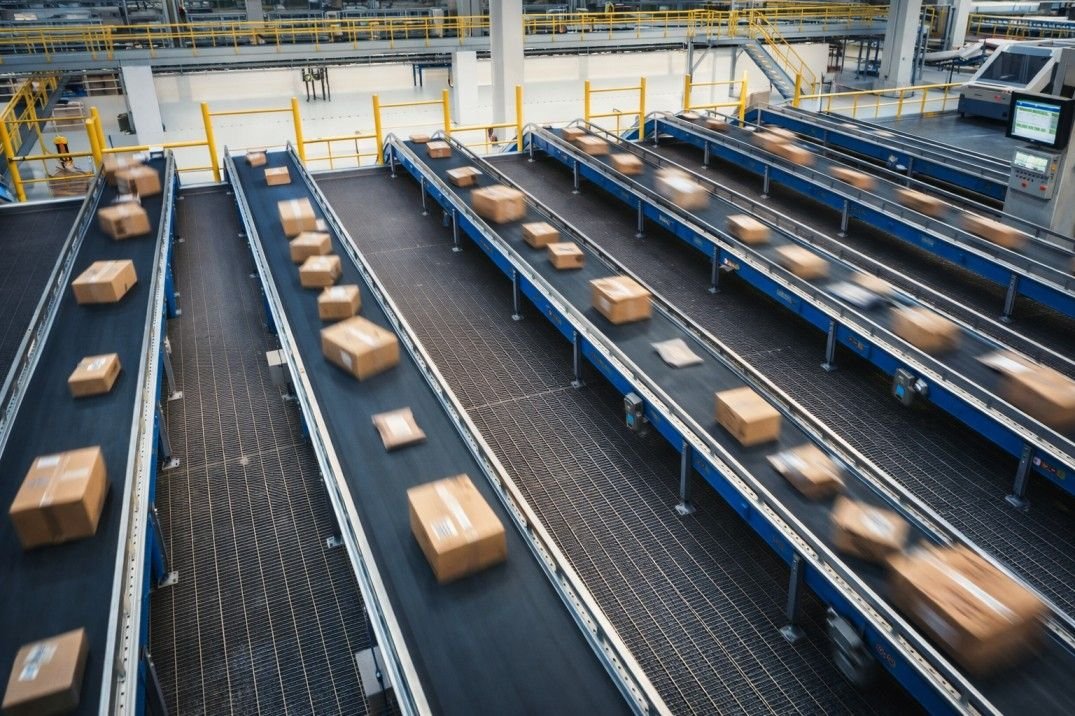
High-throughput conveyor system moving parcels in a smart factory environment focused on sustainable manufacturing and energy efficiency.

Conversely, abrupt load decreases can cause temporary speed increases if software fails to respond proportionally. This acceleration may dislodge materials or disrupt spacing between items, particularly problematic in applications requiring precise product positioning for downstream processes.


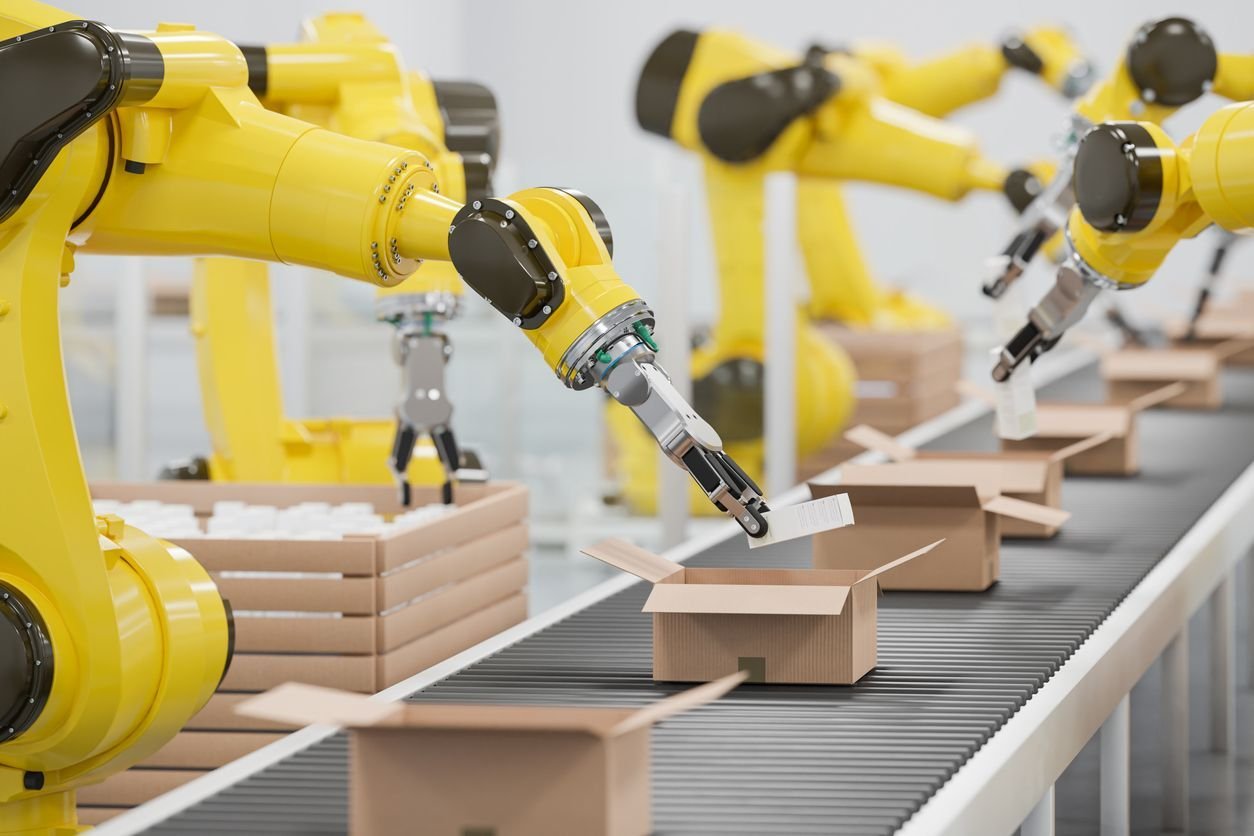
Uneven material distribution creates localised stress concentrations that affect overall system behaviour. Clustered loads impose point stresses on belt surfaces and support structures, whilst gaps in material flow result in cyclic loading patterns that promote fatigue. These irregularities prove especially challenging for systems designed assuming uniform material distribution. In integrated environments, the effects can also carry downstream into automated sorting systems and cells using robotic arms for picking or handling.


Thermal Considerations Under Variable Operation


Temperature fluctuations within conveyor systems correlate directly with operational intensity. Components generate heat through friction, electrical resistance, and mechanical work, with dissipation rates dependent on ambient conditions and cooling provisions.


Motors operating under increased load generate elevated heat levels within windings and casings. Whilst most industrial motors incorporate thermal protection, sustained operation near thermal limits reduces efficiency and accelerates insulation degradation. Cooling fans and ventilation systems must maintain adequate airflow to prevent temperature excursions beyond acceptable ranges.


Belt materials themselves exhibit temperature sensitivity. Elastomeric compounds used in many conveyor modules experience changes in mechanical properties across temperature ranges. Elevated temperatures reduce tensile strength and increase elongation, potentially affecting tracking and tension characteristics. Conversely, cold environments may stiffen belt materials, increasing power requirements and reducing flexibility around pulleys.


Bearing temperatures provide valuable diagnostic information regarding system health under varying loads. Excessive heat generation indicates inadequate lubrication, misalignment, or bearing degradation requiring intervention before catastrophic failure occurs.

Optimising Performance Across Demand Ranges

Effective conveyor system management requires strategies that accommodate operational variability whilst preserving component longevity and maintaining throughput consistency.


Variable speed controls enable systems to adjust belt velocity in proportion to material volume, reducing unnecessary wear during low-demand periods whilst maintaining capacity during peaks. This approach conserves energy and extends component service life by eliminating constant operation at maximum design speeds regardless of actual requirements. When combined with modern control systems, these adjustments become more precise and better aligned with overall system integration requirements.

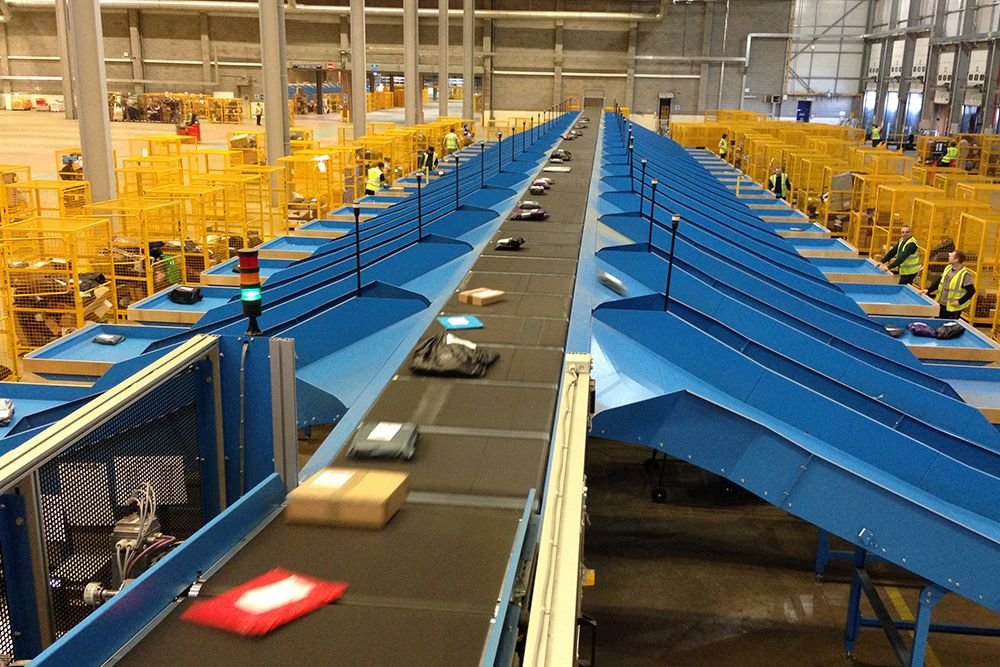
sorter conveyor system uk

Predictive maintenance programmes utilising vibration analysis, thermal imaging, and other diagnostic techniques identify developing issues before they cause failures. These interventions prove particularly valuable in variable-demand environments where component stresses fluctuate and traditional time-based maintenance schedules may prove inadequate. A robust preventive maintenance plan can also incorporate load testing, routine safety inspection, and periodic system audit procedures to verify continued performance under expected operating conditions.


Properly specified systems incorporate appropriate safety factors that account for expected demand variations. Understanding peak load patterns during design phases ensures adequate motor sizing, belt strength, and structural support to accommodate operational extremes without compromising reliability or requiring premature upgrades. It also supports better warehouse safety, stronger safety measures around moving equipment, and more reliable interaction with connected systems across the wider production environment.