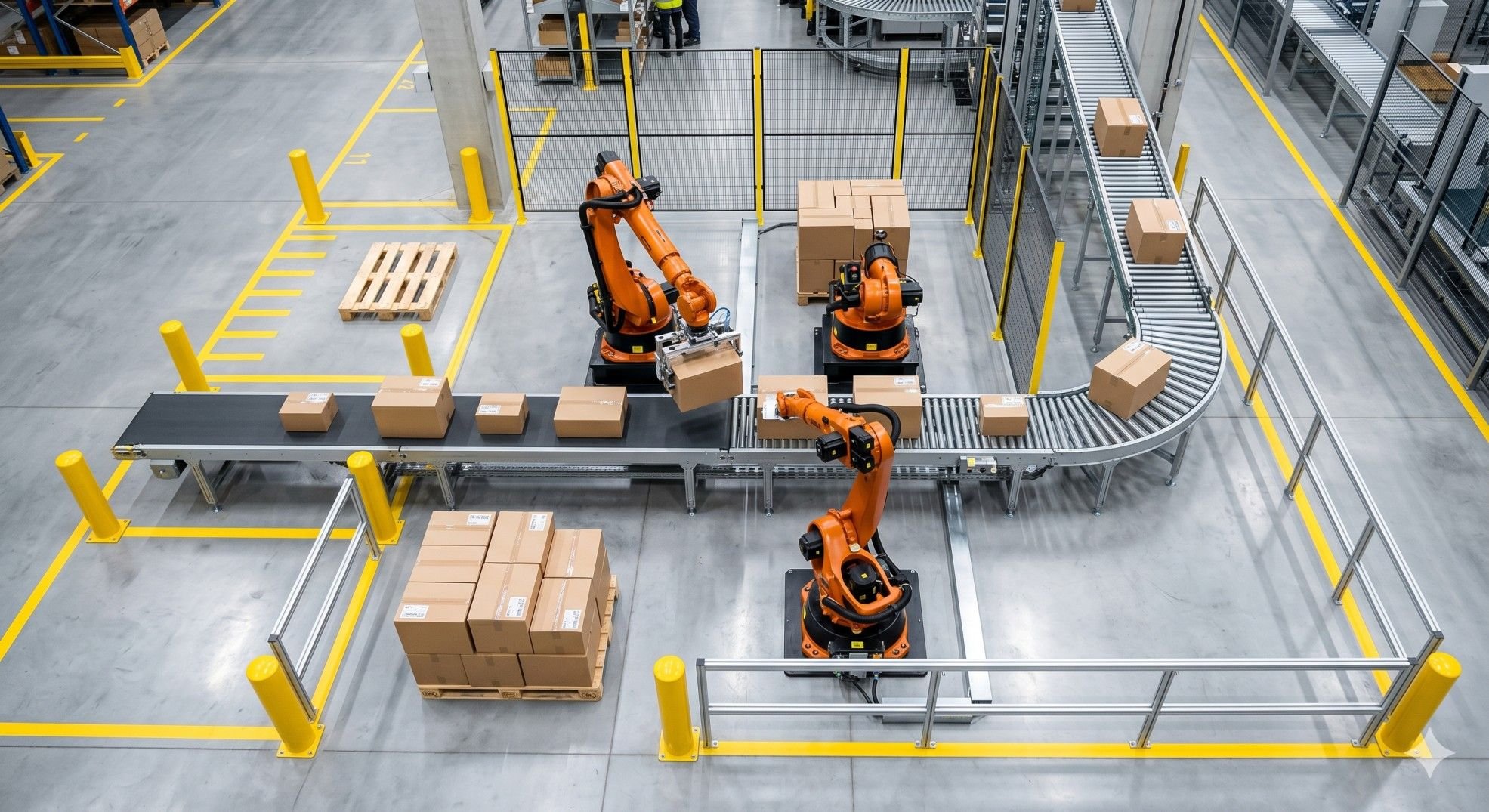
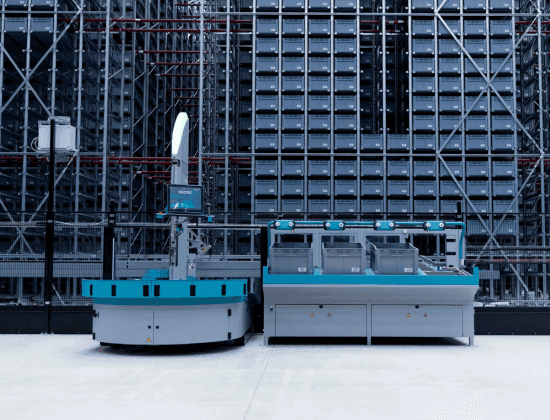
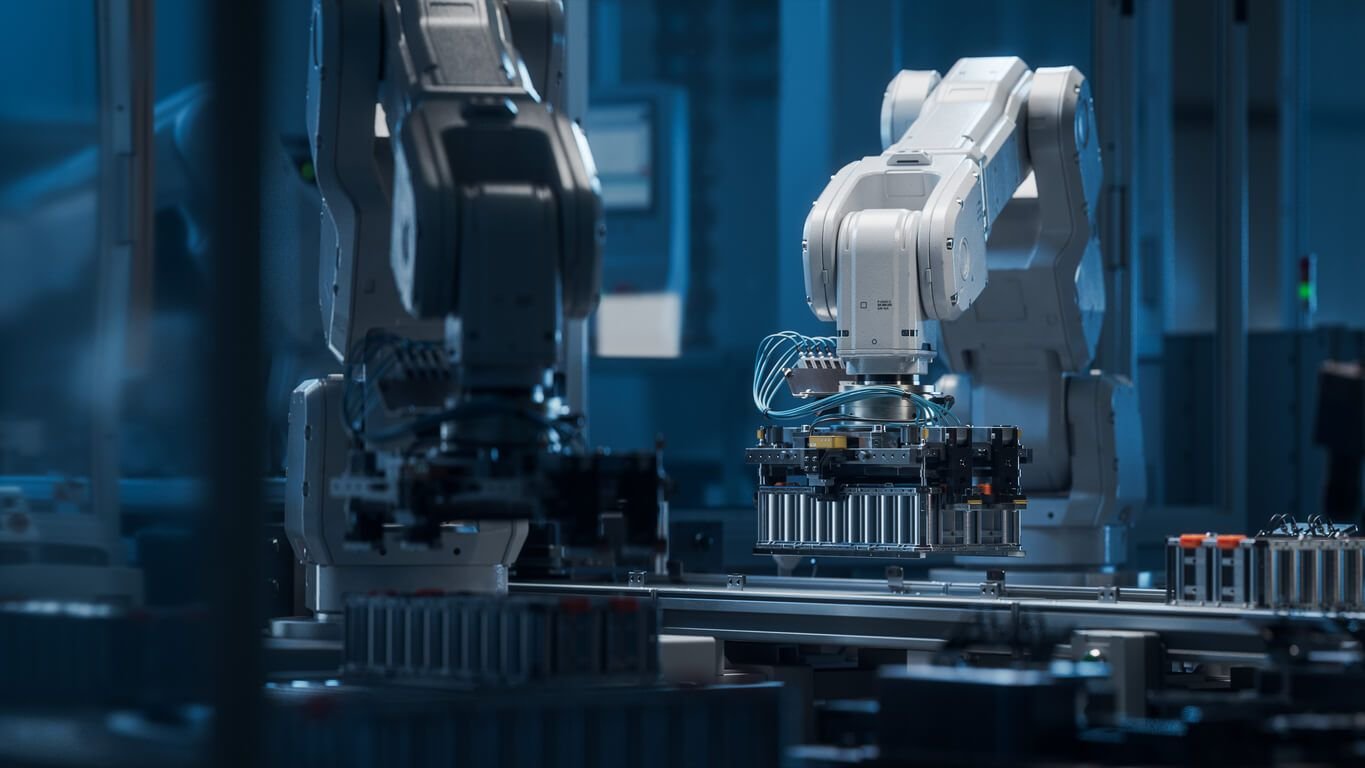
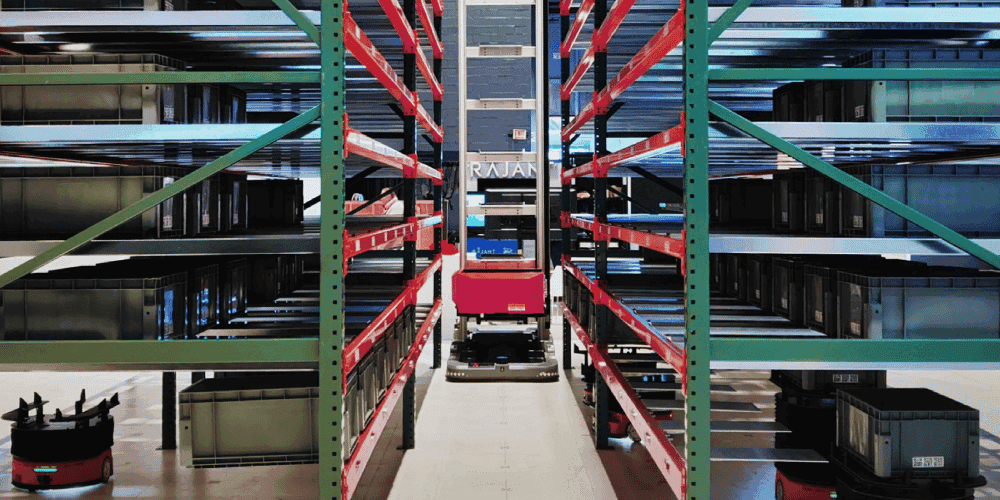
conveyor systems in a warehouse distribution environment

Why Conveyor Systems Degrade Long Before They Fail

In today's competitive landscape, businesses across the UK depend on conveyor systems to maintain the pace of their warehousing, distribution, and manufacturing operations. Conveyor system reliability is typically measured by uptime and catastrophic failure rates, but this approach misses a critical reality. Conveyors do not simply work until they break; they gradually lose performance over time, often without triggering any alarm or alert.

This is one of the most important but least understood reliability problems in modern industrial conveyor systems. A conveyor may remain operational, yet still deliver less consistent production flow, more frequent interruptions, and lower effective throughput than its original system design intended.

The Gap Between Failure and Degradation in Conveyor System Reliability

Most maintenance strategies focus on preventing outright failure: a snapped belt, a seized motor, a collapsed roller. These events are visible, immediate, and disruptive. Degradation, however, is far more insidious. It manifests as slower zone transitions, inconsistent product spacing, increased jam frequency, and declining throughput that accumulates so gradually it becomes normalised by operators and supervisors alike.


Operations that measure conveyor system reliability solely by whether the line is running or not are missing the larger picture.

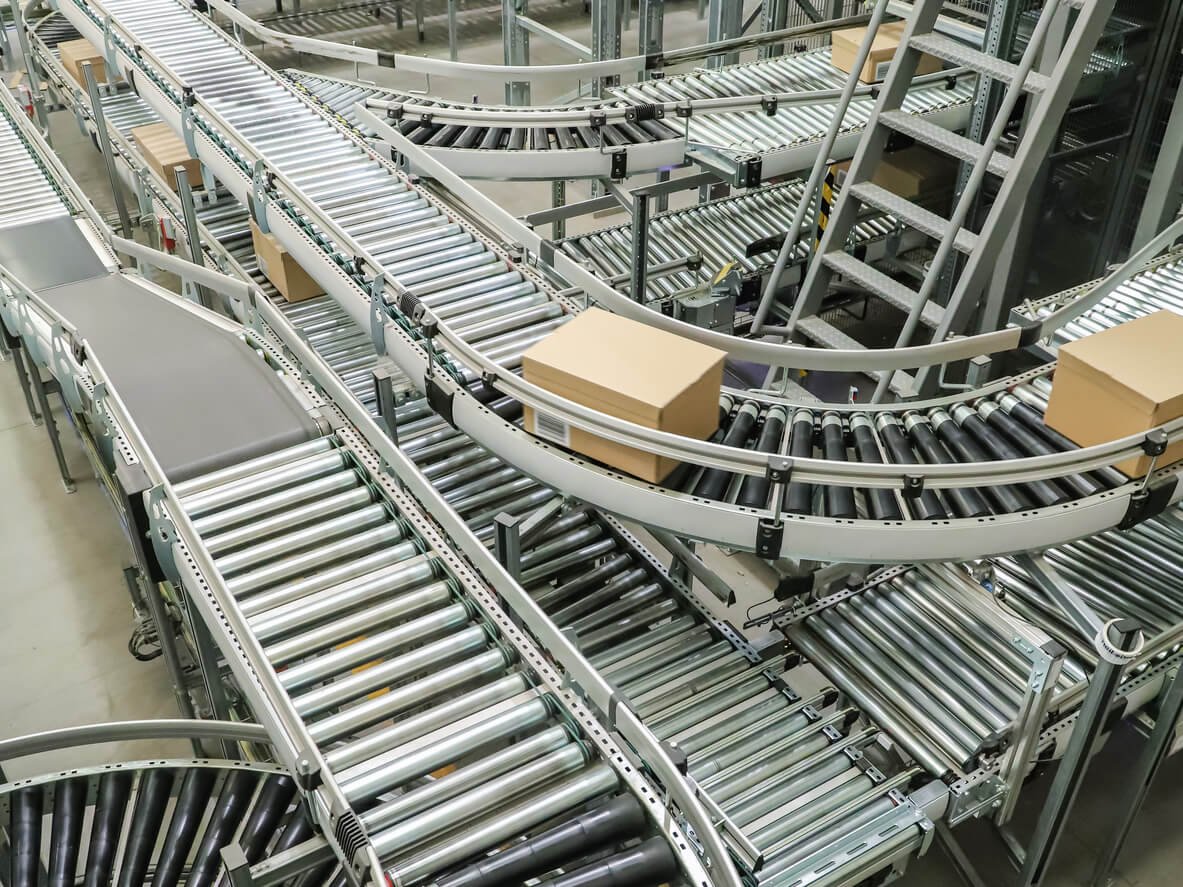
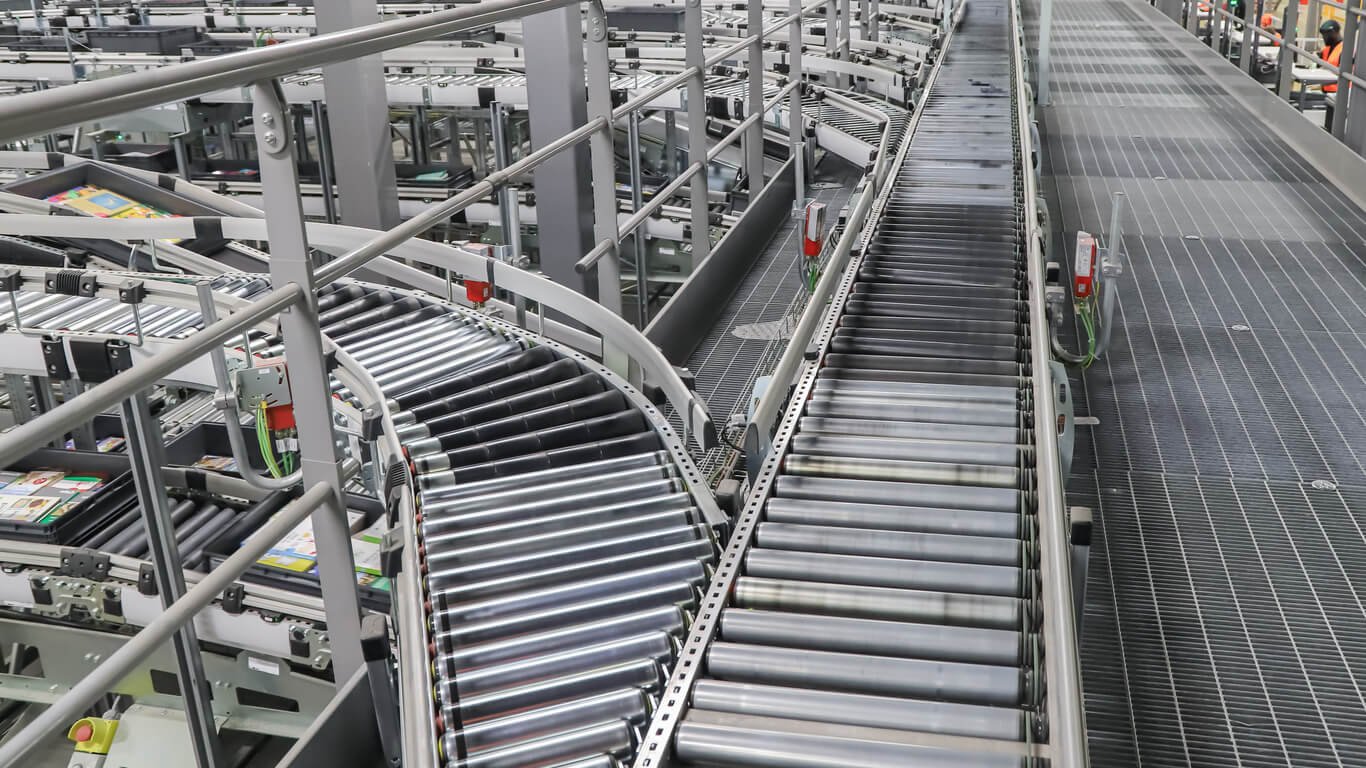
Multi-level roller conveyor system transporting cartons through an automated warehouse packaging and sortation network

A conveyor can be technically operational while delivering significantly less than its designed capacity.


This distinction matters across a wide range of applications, from parcel handling to bulk material handling, and from simple belt conveyor layouts to more complex drive system and zone-controlled conveyor arrangements.

Common Sources of Gradual Performance Loss


Belt and chain wear

Stretched conveyor belts and worn chains alter product speed and spacing, reducing the precision of accumulation and release timing.

Roller degradation

Worn or contaminated rollers increase friction, slow product movement, and create inconsistent zone behaviour.

Sensor drift

Photo eyes, Load sensors, and proximity sensors accumulate dust, shift alignment, or degrade in sensitivity over time, leading to missed or false detections.

Drive component wear

Motors, gearboxes, clutches, and the wider Conveyor Drive arrangement lose efficiency gradually, reducing the torque and speed available to each zone.

Tracking and tension issues

Poor belt tracking and incorrect belt tensioning can create drift, uneven wear, and instability that reduces overall reliability without causing immediate stoppage.

None of these issues will necessarily stop the conveyor. All of them will reduce its effectiveness.

How Degradation Impacts Conveyor System Reliability Metrics

When degradation is not tracked, the visible symptoms are often misattributed. Increased jam rates may be blamed on product quality or operator handling. Declining throughput may be attributed to upstream or downstream issues rather than the conveyor itself. Operators compensate by running longer shifts or adding manual intervention, masking the true cause and delaying corrective action.


Over time, the gap between designed performance and actual performance widens. By the time a component fails outright, the system may have been underperforming by ten to twenty per cent for months.

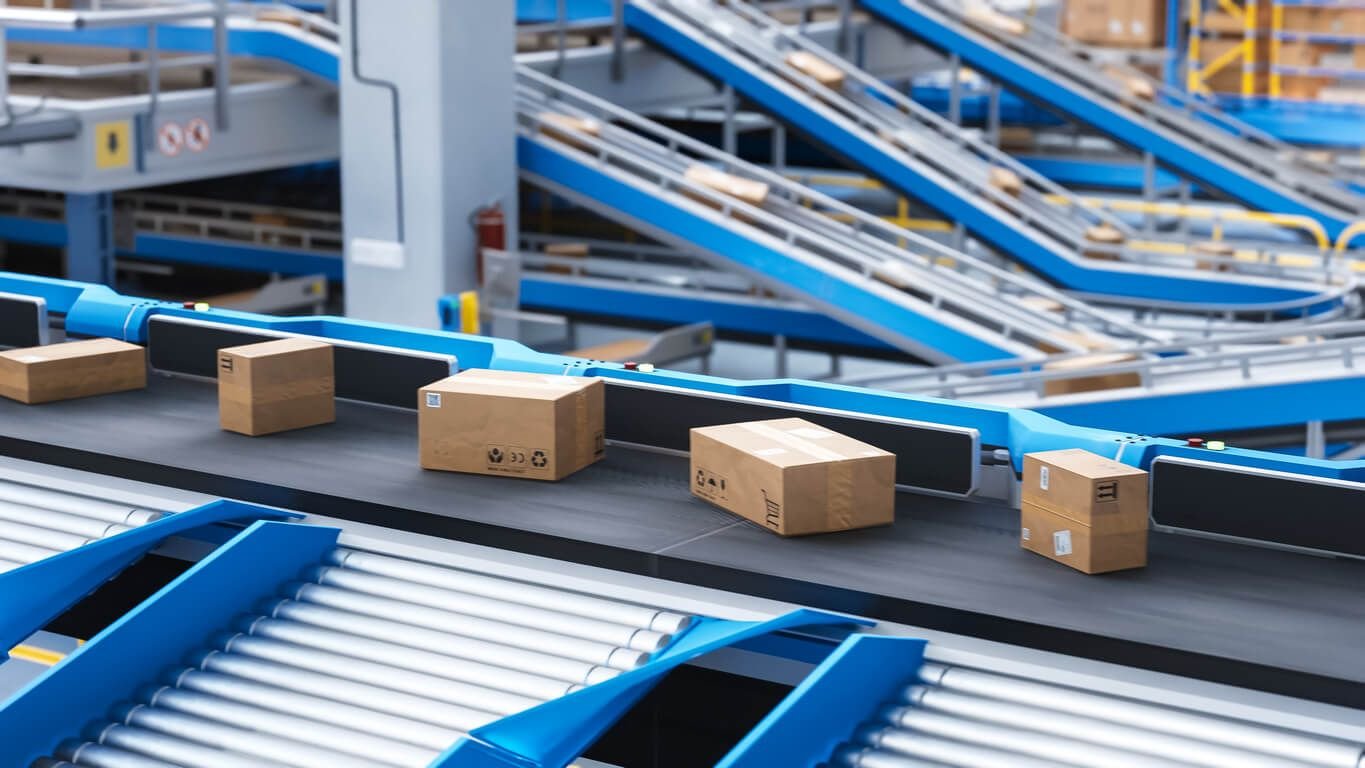
Automated warehouse conveyor system moving parcels through sortation lines illustrating material flow and system capacity balance

The cost of that hidden underperformance, measured in lost throughput, increased labour, and missed service targets, often exceeds the cost of the eventual repair by a significant margin.


This is why conveyor system reliability should be measured not only in failure events, but in sustained performance quality. For reliable conveyor systems, the real benchmark is not simply whether the line runs, but whether it continues to support the required production flow at the expected standard.

The Role of Condition Monitoring and Predictive Maintenance

Addressing degradation requires a shift from reactive maintenance to condition-based monitoring. Technologies such as vibration analysis, thermal imaging, current monitoring, and real-time throughput tracking can identify performance decline long before it results in failure. These tools provide objective data that replaces subjective assessments and anecdotal reporting.


Modern conveyor control systems can be configured to log zone cycle times, motor current draw, jam frequency, and sensor performance over time. Analysing these trends reveals degradation patterns that allow maintenance to be scheduled proactively, targeting the components that are drifting out of specification rather than waiting for them to fail. This approach not only improves conveyor system reliability but also supports minimising downtime and reduces the total cost of maintenance by eliminating unnecessary scheduled replacements and preventing costly emergency repairs.


In more advanced installations, Load sensors and data from the conveyor drive system can also help identify hidden inefficiencies before they become visible operational failures.


Why Preventive Schedules Alone Are Not Enough


Calendar-based preventive maintenance addresses wear on a fixed schedule, but it cannot account for the variable conditions that drive degradation in practice. A conveyor running two shifts of lightweight parcels will degrade at a very different rate from one running three shifts of heavy cases. A line in a dusty environment will experience sensor degradation far faster than one in a clean facility.


Effective maintenance combines scheduled servicing with continuous performance monitoring. This approach ensures that conveyor system reliability is measured not just by uptime, but by the quality and consistency of the throughput being delivered. The goal is to maintain the system at its designed performance level, not simply to keep it running.


This is also where good system design and modular designs offer an advantage. Systems that are easier to inspect, isolate, and service make it easier to address emerging issues before they escalate into full failures.

Protecting Long-Term Conveyor Performance

As UK operations increasingly depend on conveyor infrastructure to meet rising demand, the ability to detect and address degradation before it becomes failure is a significant competitive advantage. Investing in monitoring, analytics, and proactive maintenance strategies ensures that conveyor systems continue to deliver the performance they were designed for, supporting operational efficiency and long-term growth.


Whether the application uses conveyor belts for parcel flow, belt conveyor arrangements for bulk material handling, or more complex industrial conveyor systems with integrated drive and sensor architecture, the principle remains the same: the best way to improve reliability is to identify decline before failure makes it impossible to ignore.

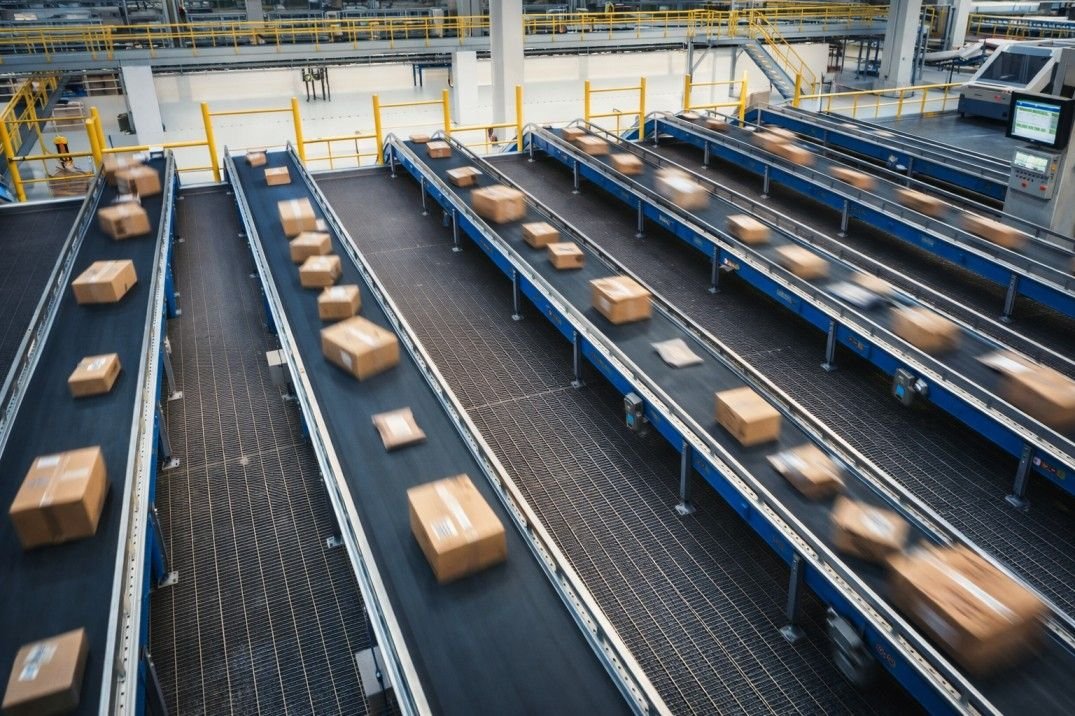
High-throughput conveyor system moving parcels in a smart factory environment focused on sustainable manufacturing and energy efficiency.

Is Your System Losing 20% of its Potential?

Conveyors often degrade long before they fail, masking hidden losses in throughput and efficiency. Stop normalising performance drift and speak to our engineers about a proactive health audit to restore your system's designed capacity.