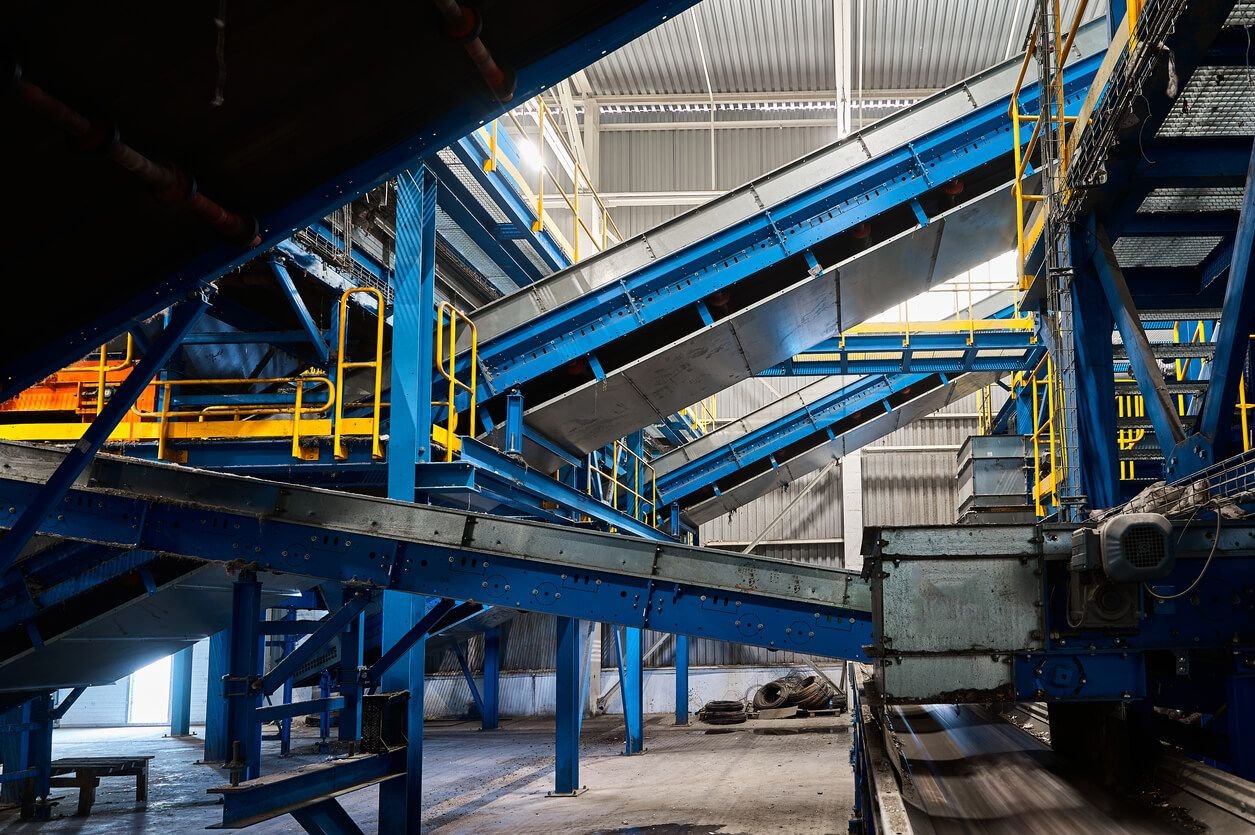
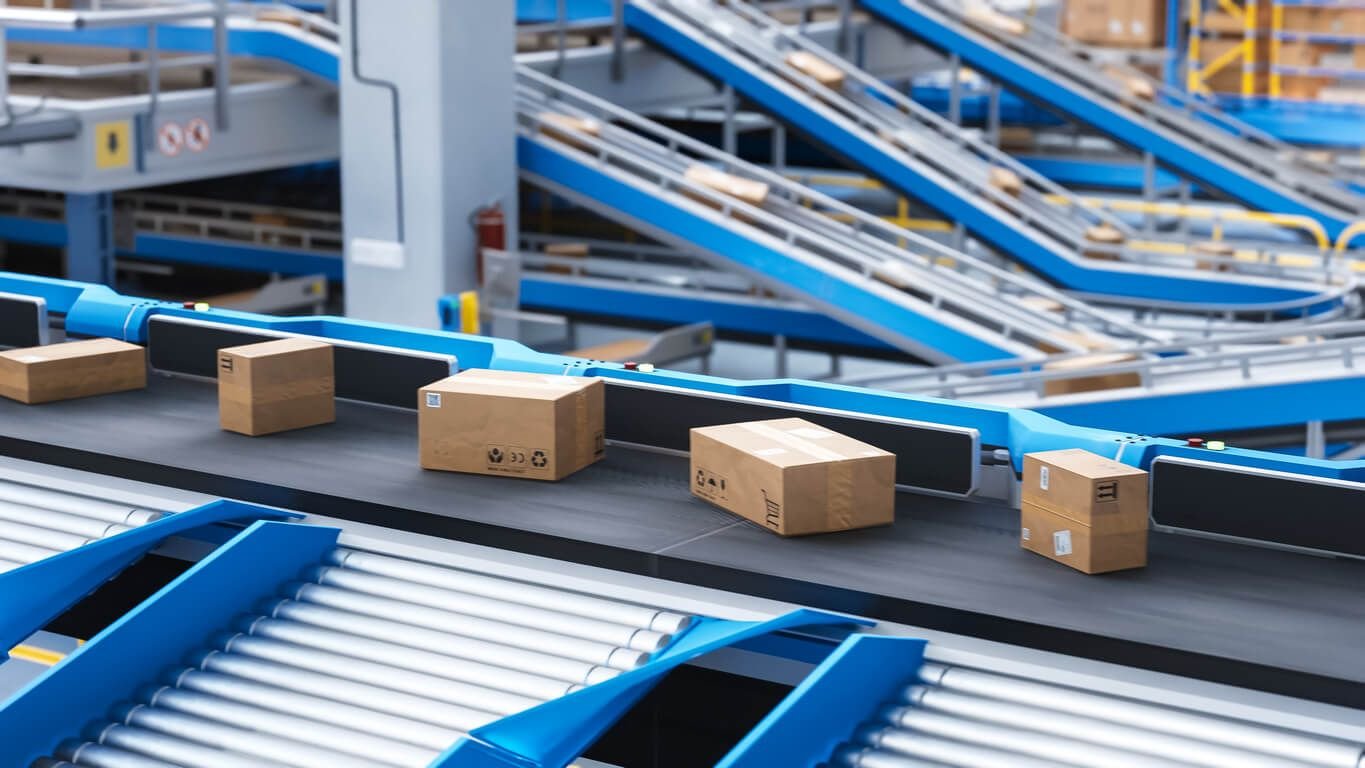
High-throughput conveyor system moving parcels in a smart factory environment focused on sustainable manufacturing and energy efficiency.

Sustainable Manufacturing Automation: The Role of Conveyors in Greener Production

As the manufacturing industry evolves in response to mounting environmental pressures, sustainability has shifted from an optional consideration to a strategic imperative. With net zero targets, rising energy costs, and increasing regulatory requirements shaping business decisions, UK manufacturers are seeking innovative ways to reduce their carbon footprint while maintaining operational efficiency across the supply chain.

At the heart of this shift lies sustainable manufacturing automation. This combines advanced automation systems with eco conscious engineering to improve energy performance, reduce material waste, and support greener manufacturing operations. While robotic systems, industrial automation, and artificial intelligence drive much of the sustainability conversation, conveyor systems play an equally vital yet often overlooked role in enabling greener production environments.

The Sustainability Challenge in Manufacturing


UK manufacturers face significant pressures that make sustainability essential for long term competitiveness.

Environmental regulations are tightening, requiring measurable reductions in emissions and Waste Reduction across production lines. Energy costs continue to climb, affecting profitability across manufacturing operations. Net zero commitments demand greater control of carbon footprint and resource efficiency. Meanwhile, consumer expectations are shifting toward sustainable practices, responsible sourcing, and low waste product design.

Automation solutions including conveyors provide the foundation for addressing these challenges. They increase consistency, reduce material waste, optimise movement of raw materials, and support greener, leaner production environments.

What Makes Conveyor Systems Sustainable

Conveyor systems consider the full lifecycle from sourcing to operation to end of life recyclability. They integrate green technologies, durable belt materials, resource efficient layouts, and automation systems that reduce ongoing environmental impact.

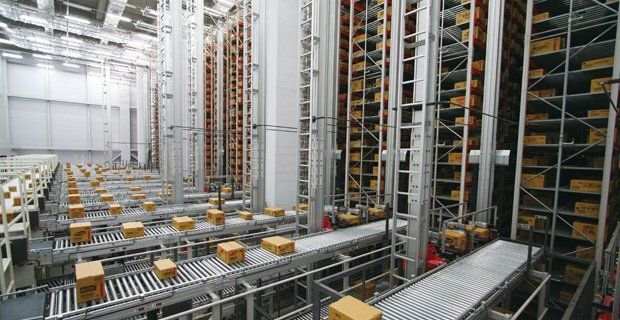
Multi-level roller conveyor system supporting sustainable manufacturing automation and energy-efficient material handling in a modern warehouse.

Key Elements of Sustainable Conveyor Design


Energy Efficiency

Energy efficient conveyors support greener production by reducing daily energy consumption.

High efficiency motors use less electrical input

Variable speed drives optimise power based on demand

Smart sensors and control systems reduce idle running

On demand activation reduces unnecessary energy use during quiet periods

Durable, Recyclable Materials

Choosing sustainable materials supports long term Environmental Impact reduction.

Recycled plastics and lightweight alloys improve resource efficiency

Steel belt conveyor designs offer long life durability

Belt materials selected for wear resistance and recyclability

Components designed for simple end of life recovery

Modular Construction

Modular engineering supports sustainable practices throughout the production lifecycle.

Flexible layouts that adapt to changes in manufacturing operations

Targeted upgrades instead of full system replacement

Reduced material waste through reconfigurable designs

Long term adaptability for evolving automation systems

Maintenance Focused Engineering

Maintenance centred design reduces waste and prolongs component life.

Accessible layouts simplify servicing

Predictive analytics prevent avoidable failures

Smart sensors track performance and wear

Smaller replacement parts reduce material waste

How Conveyors Enable Sustainable Manufacturing Automation

Reducing Energy Consumption


Modern conveyor technologies significantly reduce the Environmental Impact of daily operations. Smart conveyor systems powered by artificial intelligence and machine learning automatically adjust speed and power according to real time data. Instead of running constantly at full capacity, intelligent systems optimise performance based on current throughput. Lean conveyor layouts shorten travel distances and improve material flow, reducing total energy use. Energy management systems track usage, enabling on demand activation that prevents unnecessary consumption.


Minimising Waste and Material Loss


Sustainable conveyors reduce material waste across the entire production cycle. Consistent handling reduces product damage and material waste. Integration with real time quality control ensures defects are identified early. Smart sensors trigger automated interventions, preventing unnecessary value being added to defective items. Predictive maintenance reduces avoidable failures and reduces disposal of components.


Enhancing Overall Efficiency


Improved efficiency is central to sustainability. Higher throughput maximises productivity per unit of energy. Reduced manual handling improves safety and reduces the need for climate control across larger areas. Integration with robotic systems including industrial robots, robotic systems, and automated guided vehicles enables end to end efficiency across manufacturing operations.

Emerging Sustainable Conveyor Technologies


New technologies continue to support more sustainable, resource efficient conveyor systems.

Smart Systems Using AI and Machine Learning

Machine learning algorithms optimise conveyor speed, routing, and maintenance scheduling, improving energy use and resource management.

Sensor Equipped Monitoring

IoT and smart sensor technology provide real time data analytics, enabling predictive maintenance, remote diagnostics, and proactive waste reduction.

Hybrid Conveyor Systems with AGVs

Combining conveyors with automated guided vehicles and automated mobile robots improves flexibility, reduces energy consumption, and optimises warehouse layout.

Eco Friendly Materials

Growing use of recycled materials, lightweight alloys, and recyclable composites supports environmental goals across the supply chain.

Sector Specific Applications

Sustainable conveyor systems are now supporting greener, more efficient operations across multiple industry sectors. 


By reducing waste, lowering energy consumption, and improving material handling accuracy, these systems help businesses minimise their carbon footprint while maintaining high performance standards. Each sector benefits in different ways, depending on operational demands and regulatory requirements.

High-capacity warehouse conveyor system designed for automated material flow and sustainable supply chain operations.

Food and Beverage


In the food and beverage sector, sustainable conveyor systems play a vital role in protecting product quality while reducing waste. Temperature-controlled conveyors help prevent spoilage and maintain product integrity throughout processing and distribution. Accurate handling systems reduce damage to delicate goods, while smart controls limit unnecessary energy use during low-demand periods. Hygienic conveyor designs further support sustainability by reducing contamination risks and minimising product loss.


Automotive Manufacturing


Automotive production environments benefit from conveyor systems designed for both flexibility and efficiency. Modular conveyor solutions can adapt to changing production demands without requiring full system replacements, reducing material waste. Overhead conveyors maximise floor space utilisation and resource efficiency, while automated workflows limit unnecessary manual handling. The integration of predictive analytics also supports downtime reduction, helping facilities operate more sustainably and consistently.


Pharmaceuticals and Healthcare


In pharmaceutical and healthcare settings, sustainable conveyor systems must combine precision with compliance. Precision-engineered conveyors reduce contamination risk and support strict regulatory standards. Smart sensors detect quality issues instantly, preventing defective products from progressing further through the process. Automated workflows improve accuracy while reducing material waste, and energy-efficient systems help maintain temperature-controlled environments critical for sensitive products.


E-Commerce and Logistics


Large-scale logistics and e-commerce operations rely heavily on conveyor systems to improve speed while lowering energy consumption. High-speed sortation reduces processing time, while intelligent routing systems enhance overall resource efficiency. Automated material handling reduces product damage and manual intervention, and fully integrated conveyor solutions work seamlessly within wider warehouse operations to deliver measurable efficiency gains.


Electronics Manufacturing


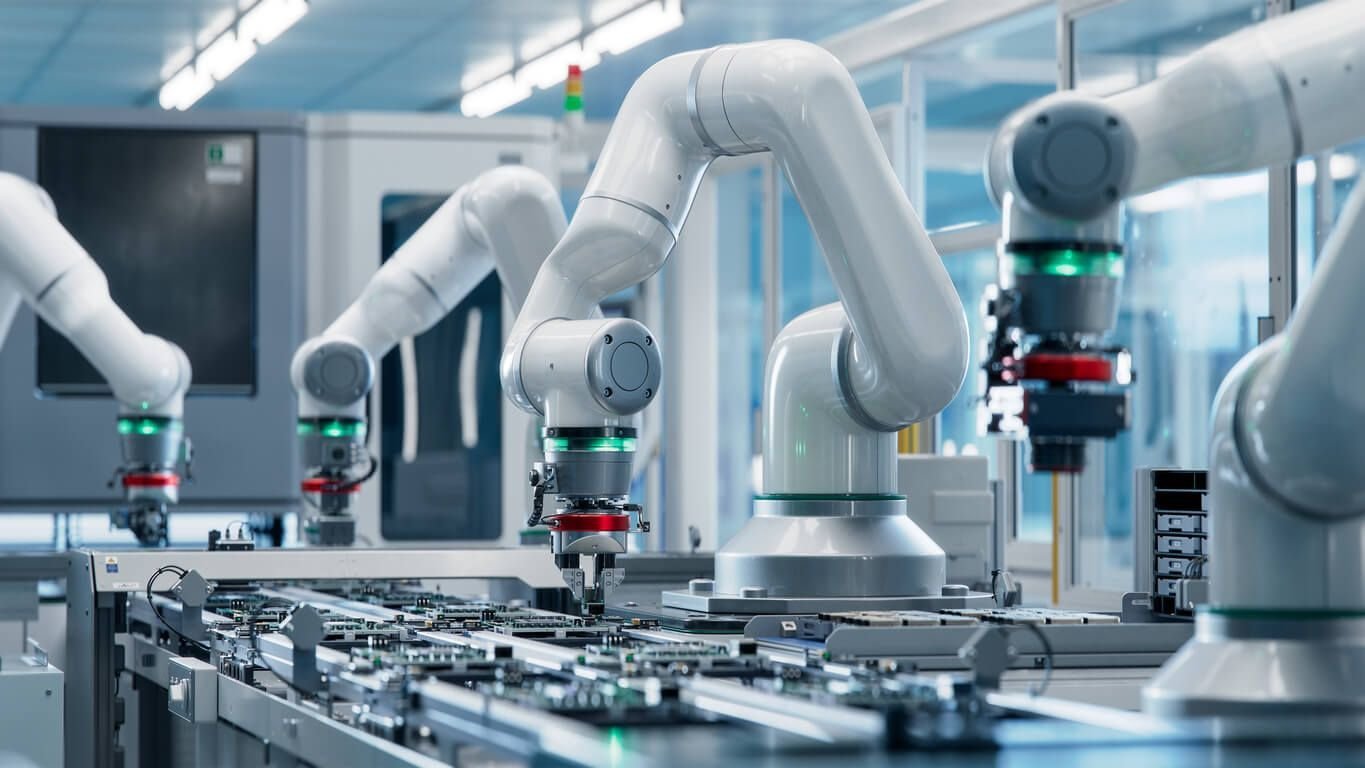
Electronics manufacturing facilities require extremely precise handling to minimise component damage and material waste. Gentle handling conveyors protect delicate parts, while machine learning technologies can identify early-stage defects before they escalate. Controlled speed settings prevent impact damage, and the use of recyclable materials in conveyor construction helps reduce long-term environmental impact.


Sustainable conveyor adoption is increasing fastest within high-density production lines, smart warehouses powered by real-time data analytics, supply chain hubs focused on carbon footprint optimisation, automated warehouse environments using autonomous robotics, and facilities transitioning towards fully connected Industry 4.0 automation systems.

Benefits of Sustainable Conveyor Integration


Environmental Benefits

Reduced carbon footprint through energy efficient operation

Lower material waste and reduced product damage

Reduced reliance on raw materials through long life components

Stronger alignment with sustainable practices and regulatory requirements

Operational Benefits

Greater long term cost effectiveness as energy costs drop

Higher throughput with consistent production flow

Reduced downtime using predictive maintenance

More efficient supply chain movement and warehouse operations

Strategic Benefits

Improved corporate reputation through green technologies

Future proofing production with adaptable automation systems

Competitive advantage in sustainability focused markets

Better compliance with Environmental Impact regulations

The Future of Sustainable Manufacturing Automation


The manufacturing industry is increasingly shaped by green technologies and automation solutions. Renewable energy integration will boost performance of energy efficient conveyors. Circular economy principles will influence product design and lifecycle planning. Predictive analytics will continue to identify opportunities for optimisation in real time. Industry 4.0 connected systems will unlock advanced optimisation across the supply chain. Sustainable conveyors will continue to form the foundation of greener manufacturing operations as regulatory pressure grows.

Conveyors as Cornerstones of Green Manufacturing

As manufacturing transitions to a greener economy, conveyor systems are proving to be essential enablers of sustainable manufacturing automation. They deliver measurable environmental benefits while supporting the productivity, accuracy, and quality that modern manufacturers require. From smart sensors and AI driven optimisation to modular designs and eco friendly materials, sustainable conveyors demonstrate that operational excellence and environmental responsibility can work hand in hand.


For manufacturers aiming to reduce environmental impact and improve efficiency, sustainable conveyor solutions provide a clear pathway toward greener, more resource efficient operations. Discover how modern conveyor systems can reduce your environmental impact while improving production efficiency. Contact the automation specialists at MotionTech to design a sustainable conveyor solution that aligns with your goals.

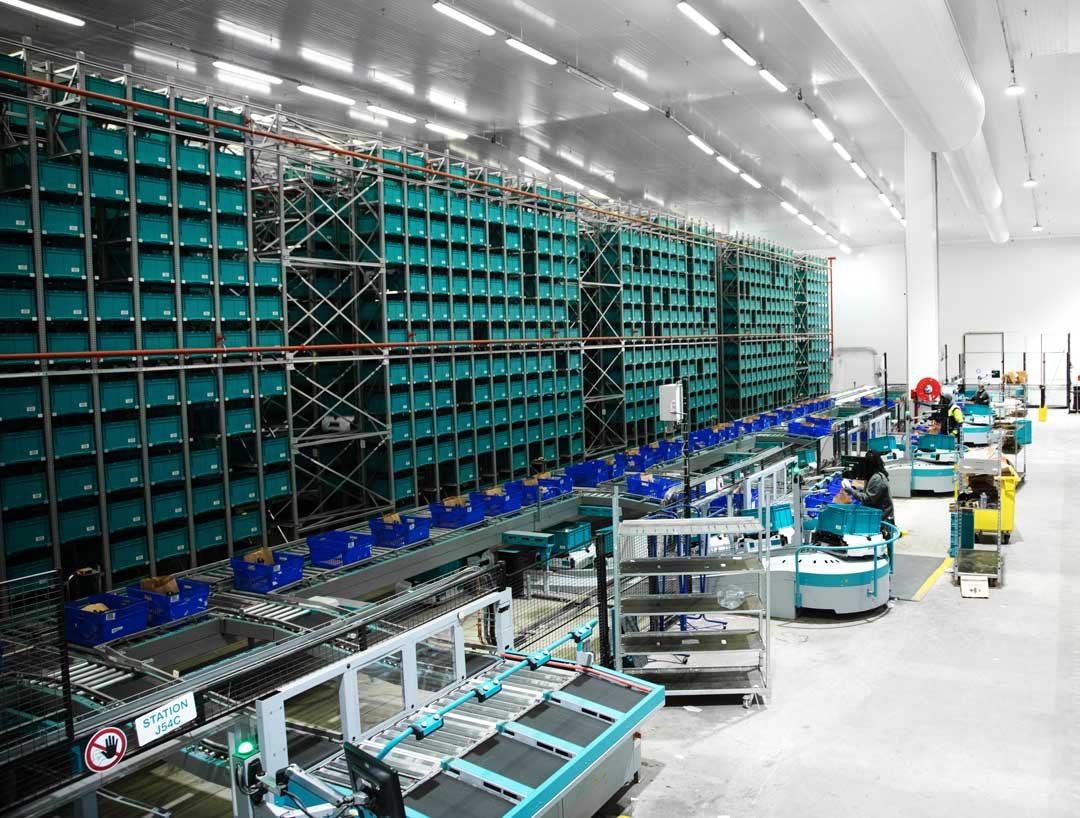
Precision conveyor system transporting storage totes in an automated warehouse supporting waste reduction and green manufacturing.