Why Manual Pallet Handling Has a Finite Future
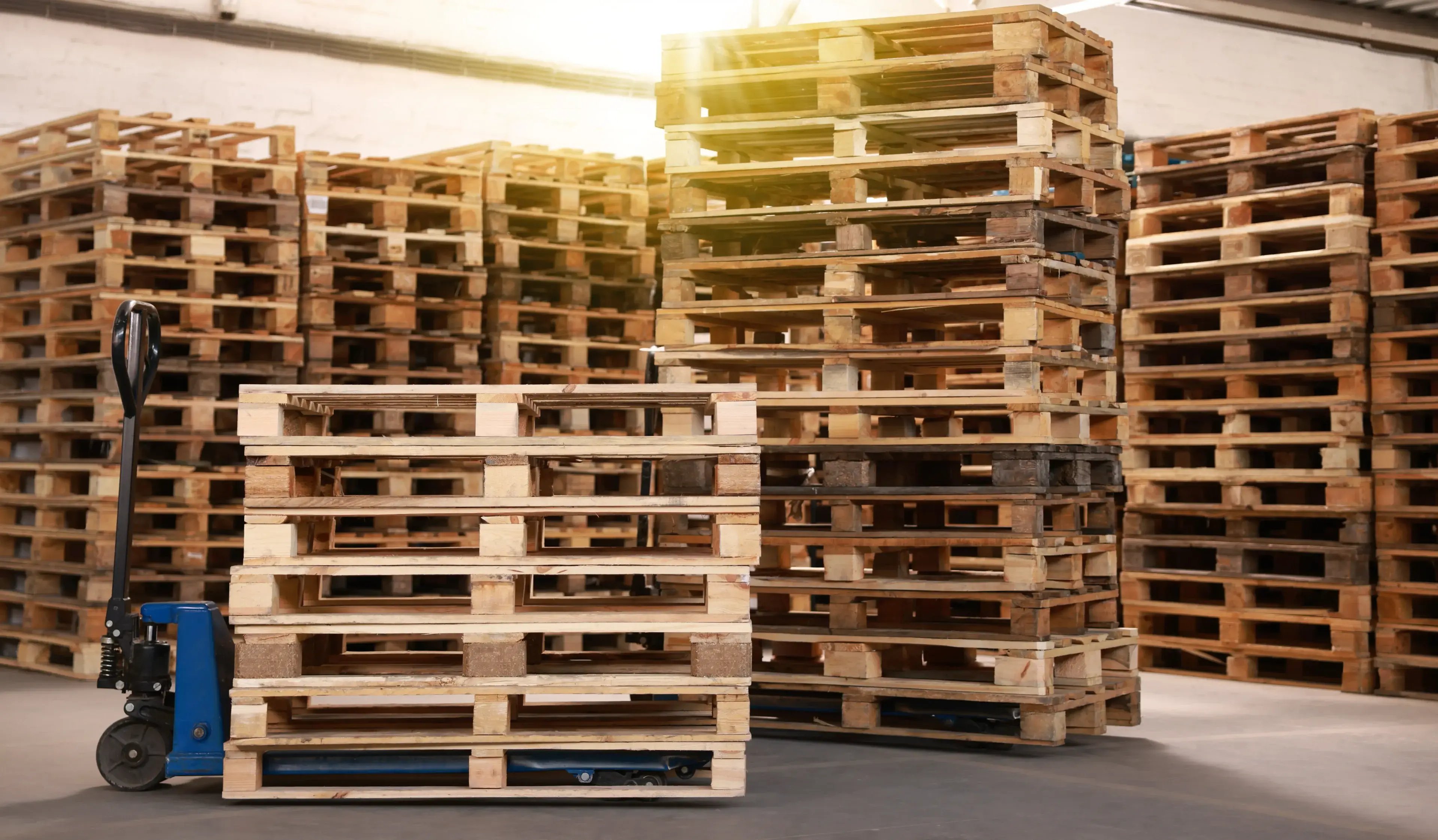
Counterbalance forklifts and manual pallet trucks remain the standard in many UK facilities, and they are not without merit: they are flexible, require minimal infrastructure, and operators can be trained relatively quickly. But they carry costs that are increasingly difficult to absorb. The British Safety Council reports that around 1,300 UK workers are hospitalised with severe injuries following forklift accidents every year, and HSE data shows that workers in the transportation and storage sector are approximately 2.5 times more likely to be killed at work than the all-industry average.¹ Labour costs for forklift operators have also risen sharply, and the combination of driver availability and training overhead creates a persistent operational vulnerability that compounds with every wage review.
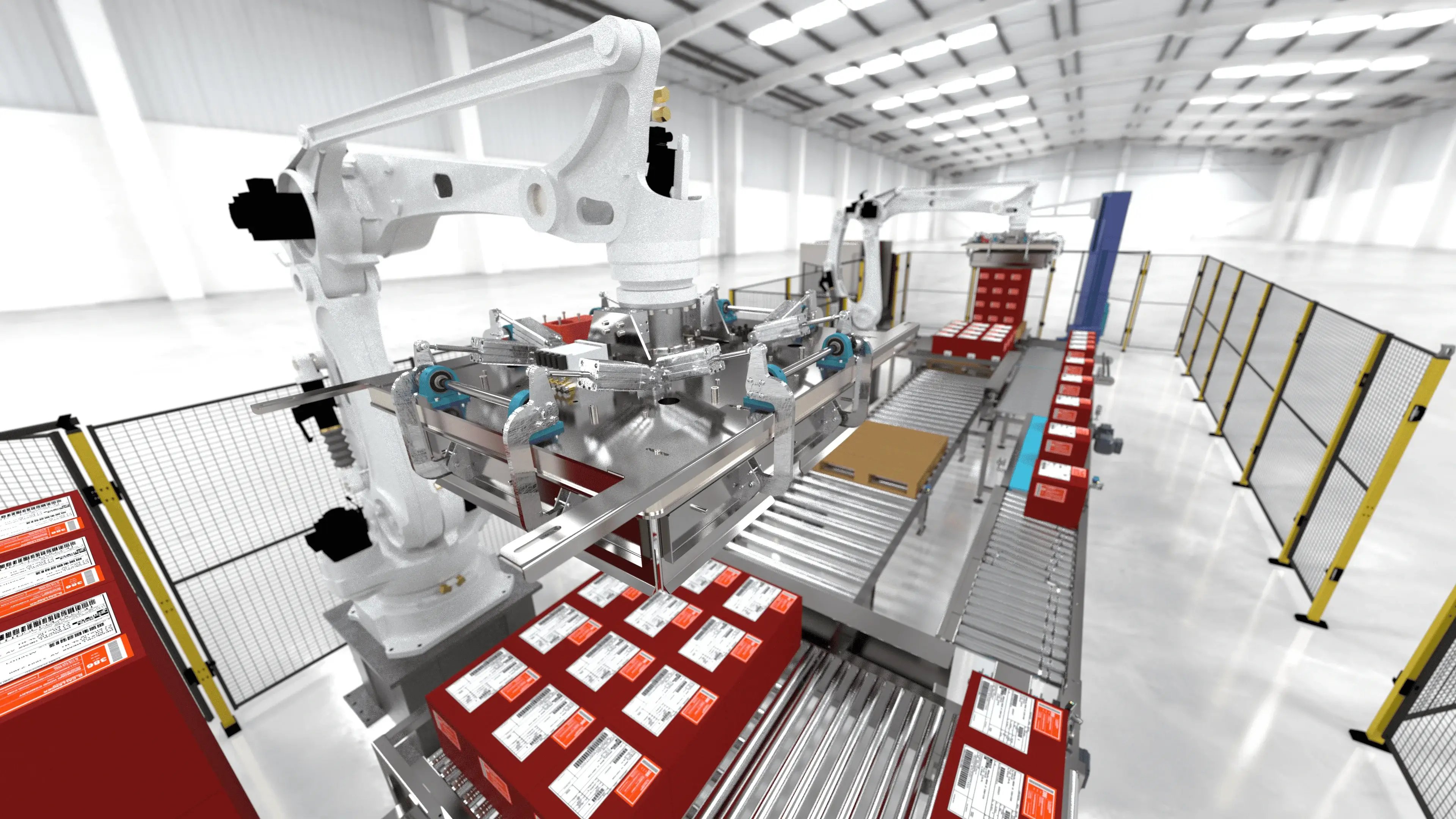
For operations running defined pallet routes at consistent volumes, the case for autonomous pallet handling is built on both the direct labour cost and the risk profile, with an increasingly attractive return on investment as National Living Wage rates and recruitment costs continue to rise.²