Environmental considerations further enhance the appeal of unpowered systems. Businesses committed to reducing carbon footprints can implement these conveyors as part of broader sustainability initiatives, demonstrating operational efficiency improvements that align with environmental responsibility.
Improving Workflow Organisation and Product Staging
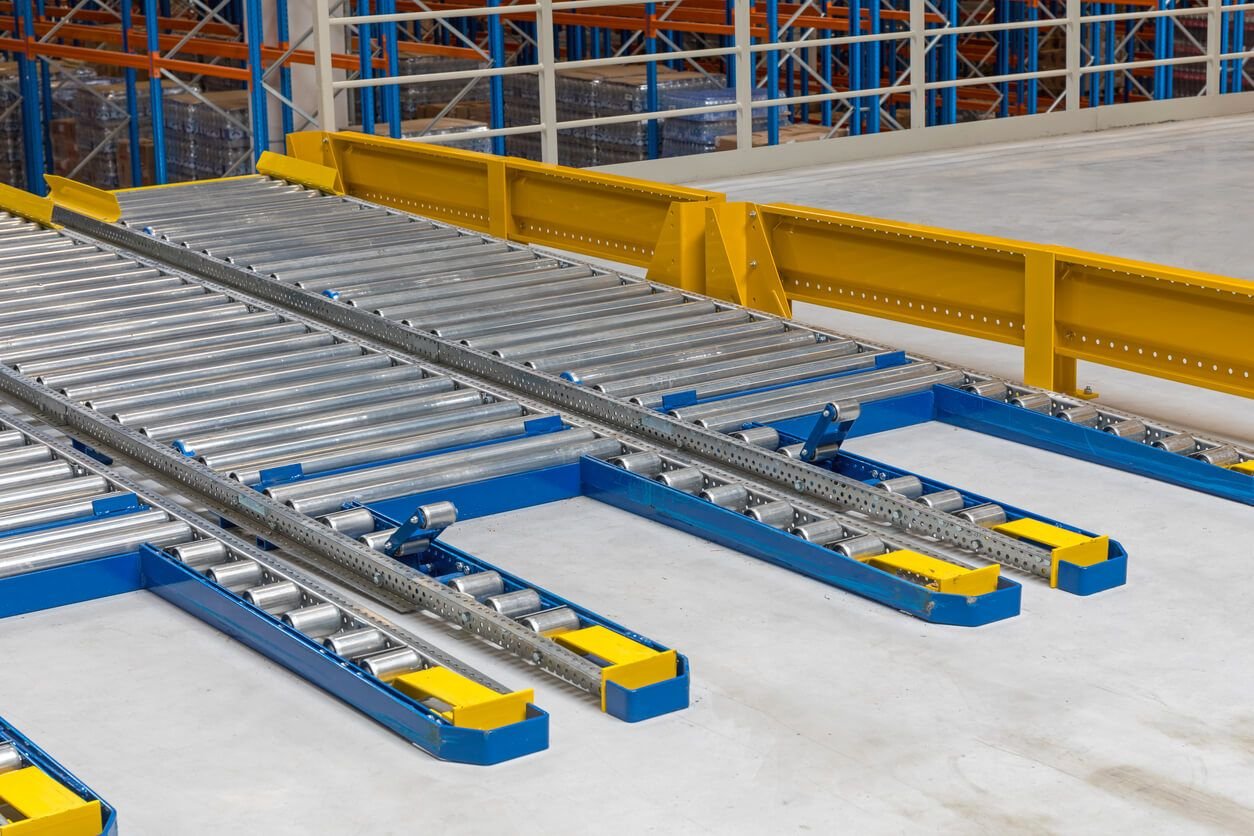
Material flow efficiency depends heavily on intelligent facility design. Gravity roller conveyors enable warehouse planners to create organised pathways that minimise unnecessary movement whilst maximising available space. Packing stations equipped with roller conveyors allow workers to slide completed parcels onto accumulation zones where they queue for collection. Rather than boxes piling haphazardly on benches or floors, they rest in orderly lines along roller beds, maintaining visibility and accessibility. Similarly, inspection areas benefit from conveyor-based staging where items await quality checks in organised sequences.
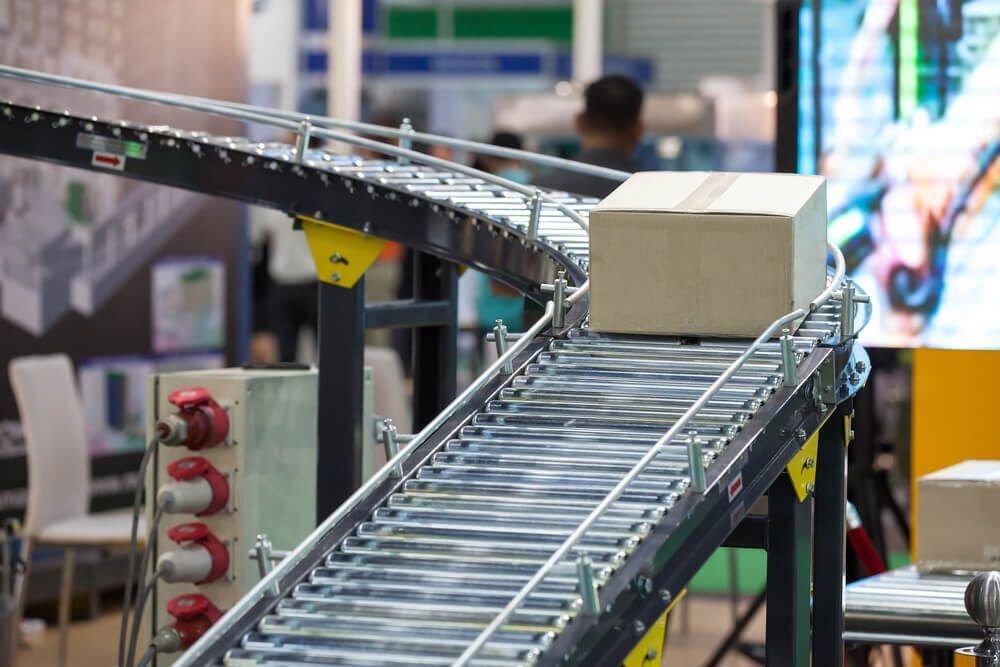
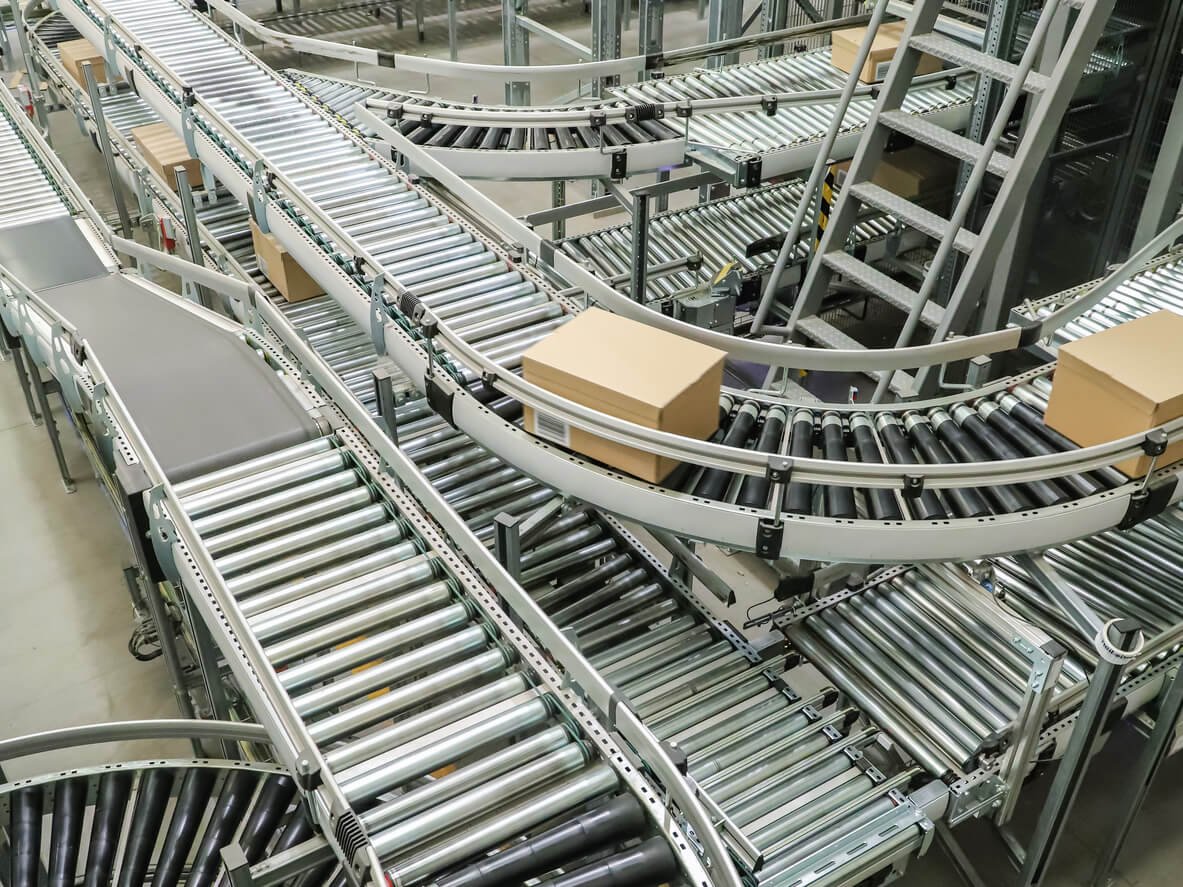
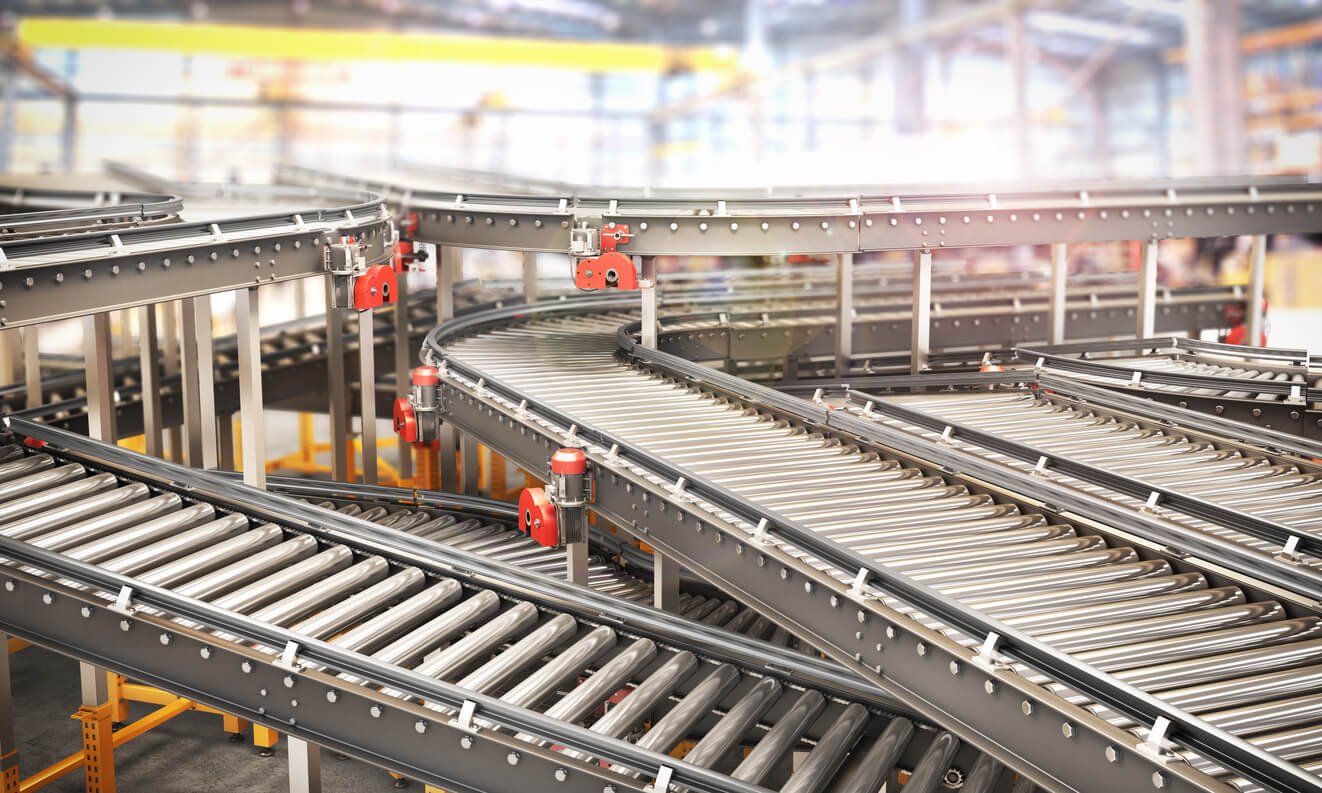
These systems adapt to various operational requirements through flexible configuration options. Straight sections connect distant workstations, curved runs navigate around obstacles, and modular components allow custom pathway creation that follows natural workflow patterns. The resulting layouts reduce congestion points where materials might otherwise accumulate, maintaining steady product progression through facilities.
Maintaining Low Operational Costs Through Simplified Maintenance
Complex material handling systems often require specialist maintenance contracts and regular component replacements. Gravity roller conveyors offer markedly different ownership experiences due to their mechanical simplicity. The basic construction involves durable rollers mounted on sturdy frames with minimal moving parts exposed to wear. Maintenance typically consists of periodic cleaning, occasional lubrication, and inspection for damaged rollers. Most facilities can conduct these tasks using existing maintenance staff without specialist training or expensive diagnostic equipment.
Component longevity contributes to reduced lifecycle costs. Rollers manufactured from robust materials withstand years of continuous use before requiring replacement. When replacements become necessary, individual rollers can be swapped quickly without dismantling entire conveyor sections, minimising downtime and associated productivity losses.