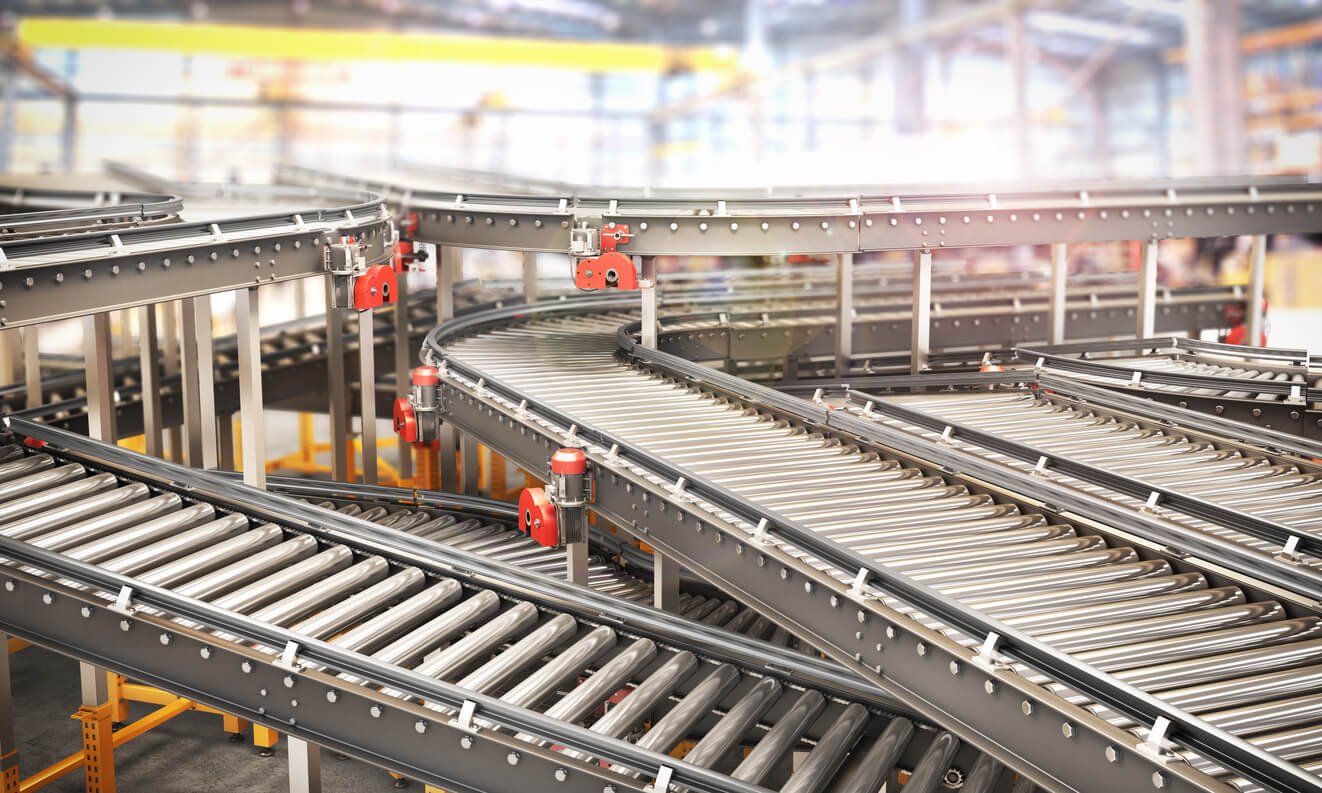
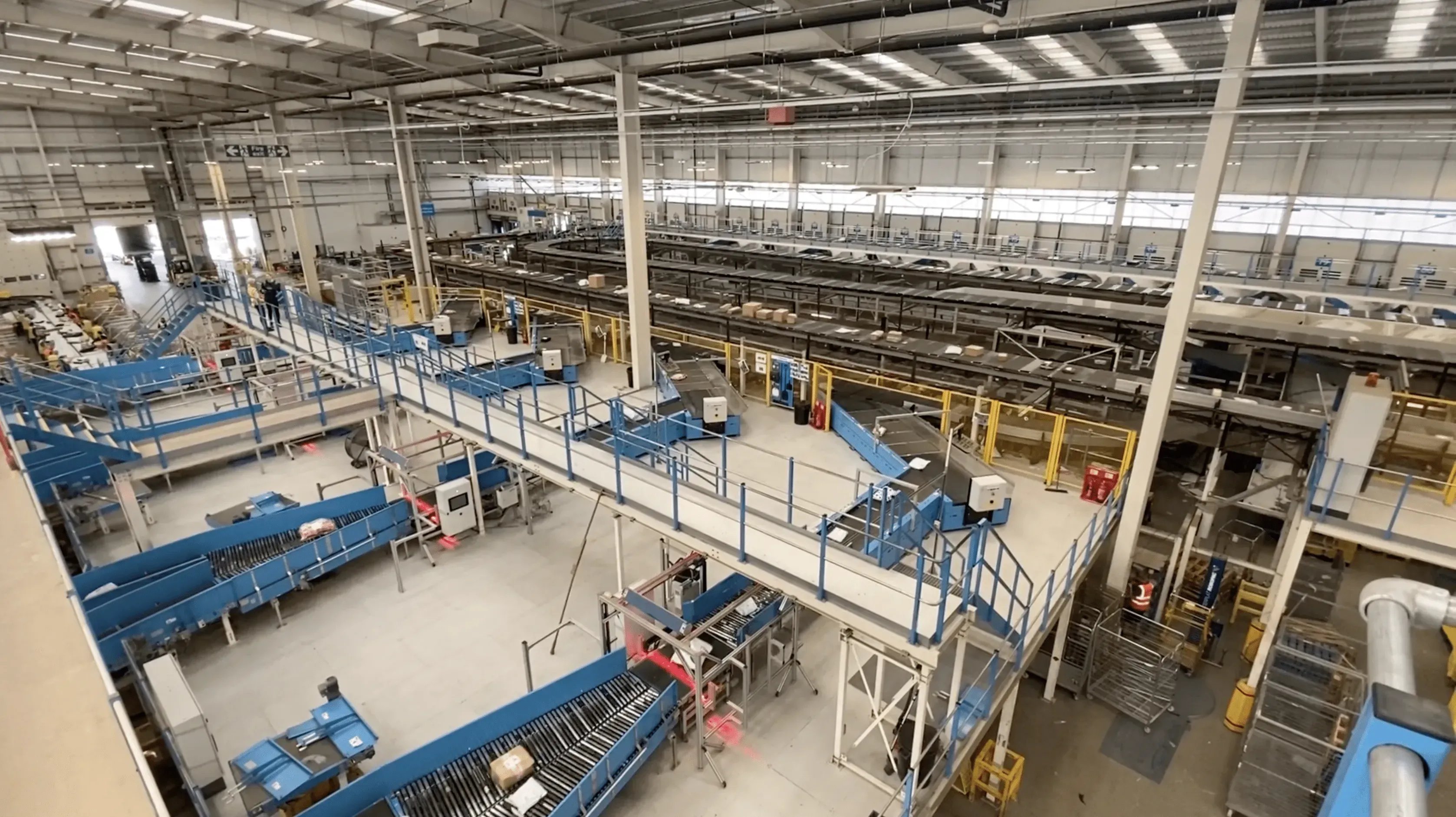
The foundation of any integrated system begins with conveyor infrastructure. These transport mechanisms do more than move products between stations, they regulate timing, maintain spacing, and provide positional data that synchronises downstream equipment. Smart conveyors equipped with sensors detect product presence, orientation, and even quality characteristics, feeding this information into central control systems. Filling and sealing equipment forms the next critical layer. In integrated environments, these machines receive production parameters from central controllers rather than operating with fixed settings. This flexibility allows rapid changeovers between product types without extensive manual reconfiguration. The equipment communicates completion status, enabling subsequent processes to begin precisely when needed.
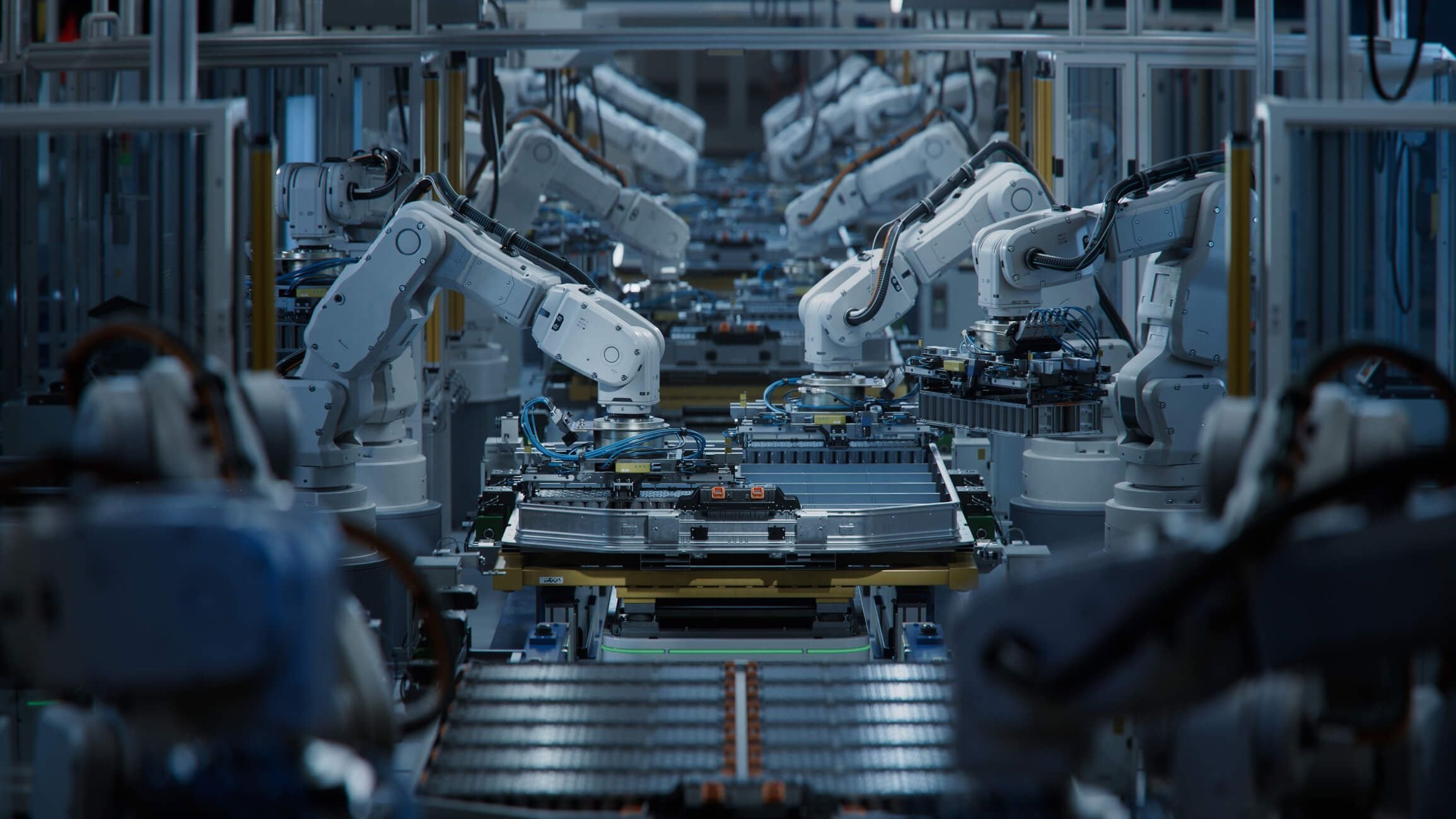
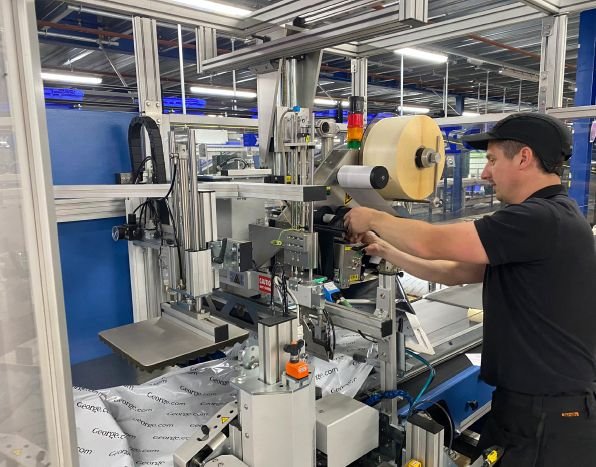
Labelling and coding systems within integrated frameworks access production data directly, eliminating manual entry errors and ensuring accurate information reaches every package. Batch numbers, expiry dates, and regulatory information flow automatically from enterprise systems to application equipment, maintaining traceability throughout the production chain. Palletising and dispatch preparation complete the integration cycle. Automated systems receive advance information about product specifications, allowing robotic palletisers to arrange mixed loads efficiently. This coordination extends to dispatch systems, where warehouse management platforms receive real-time inventory updates as products complete packaging.