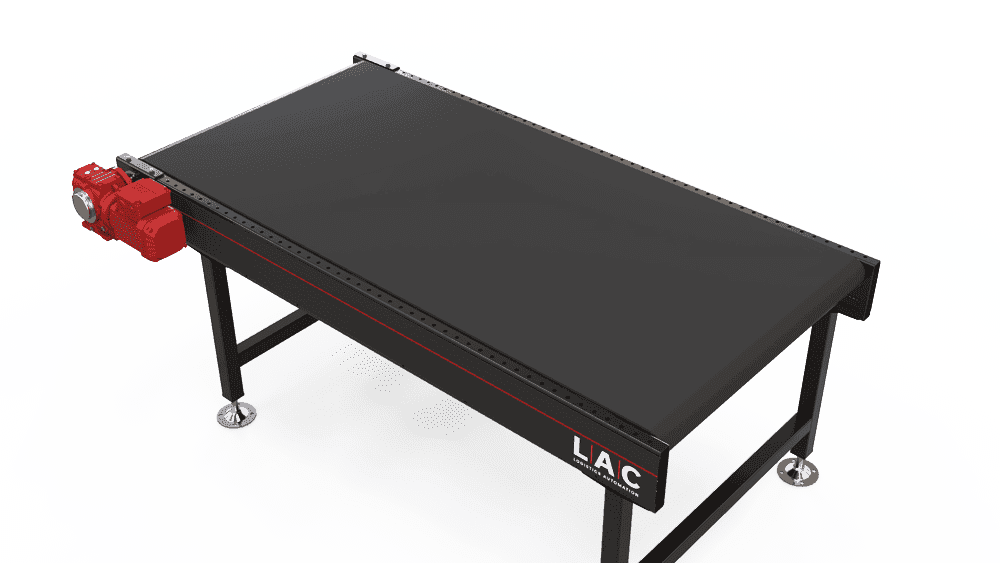
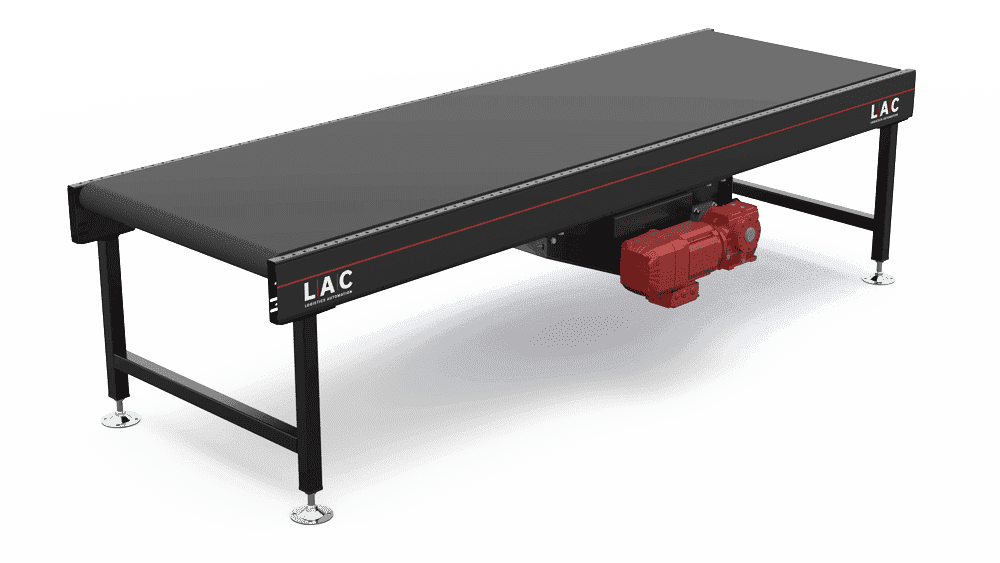
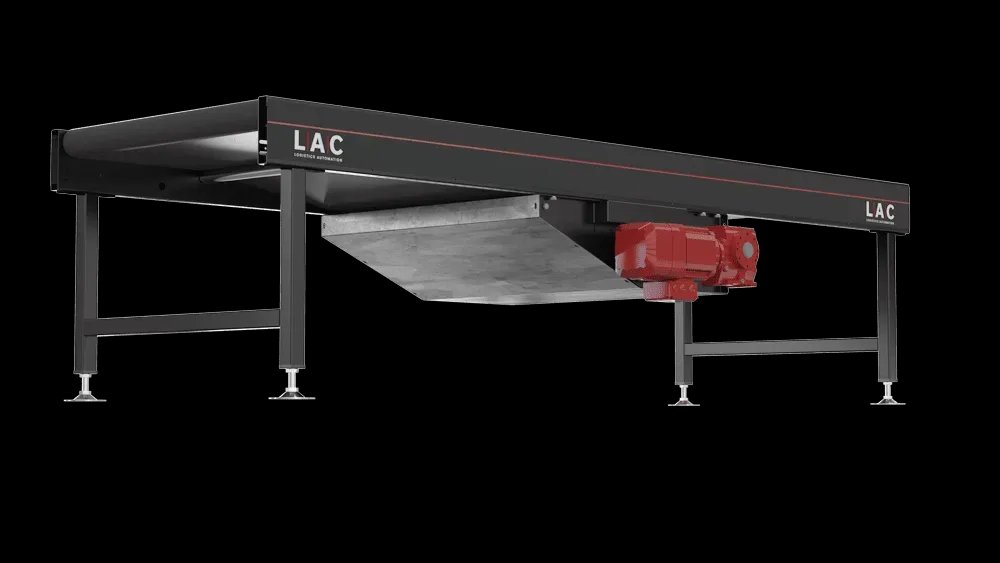
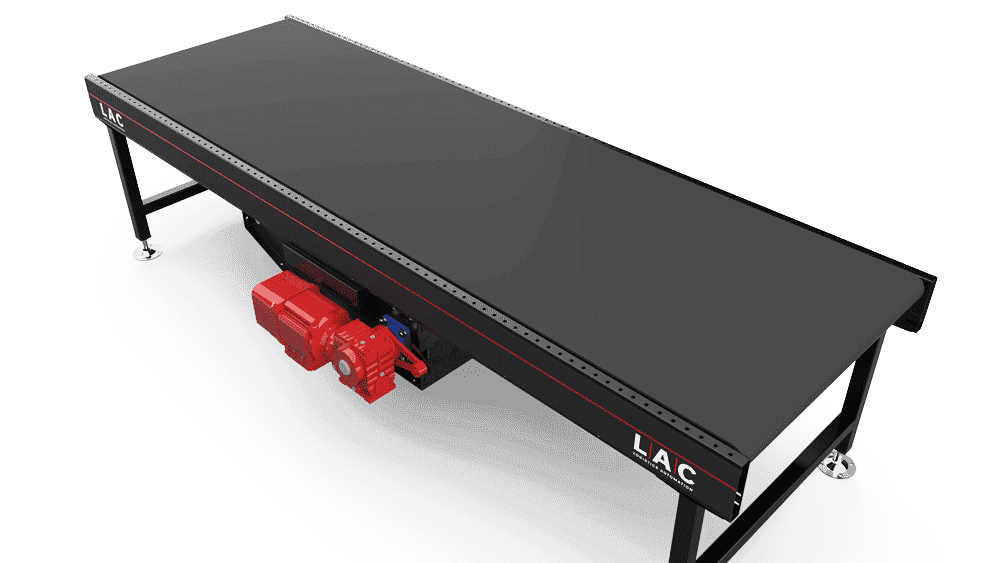
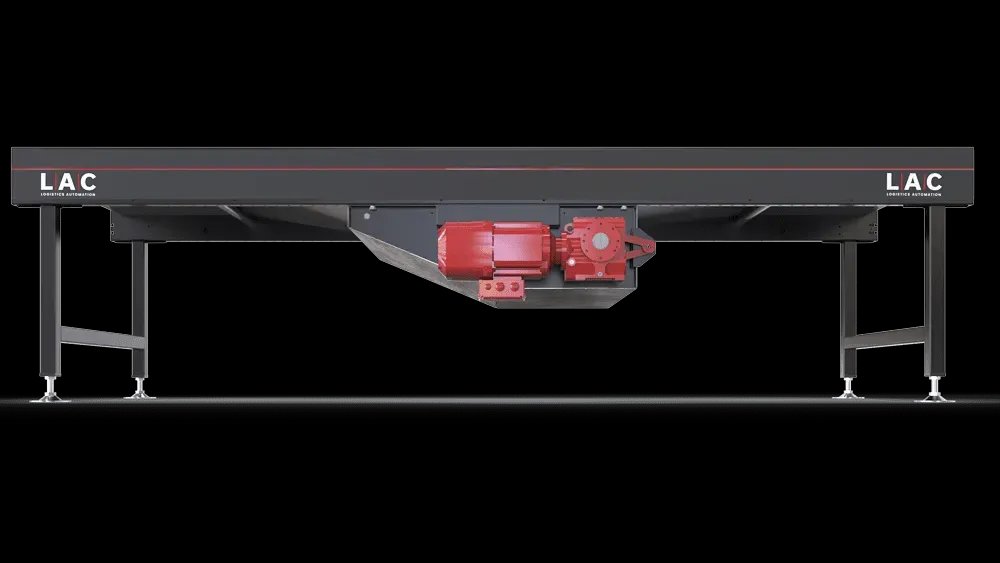
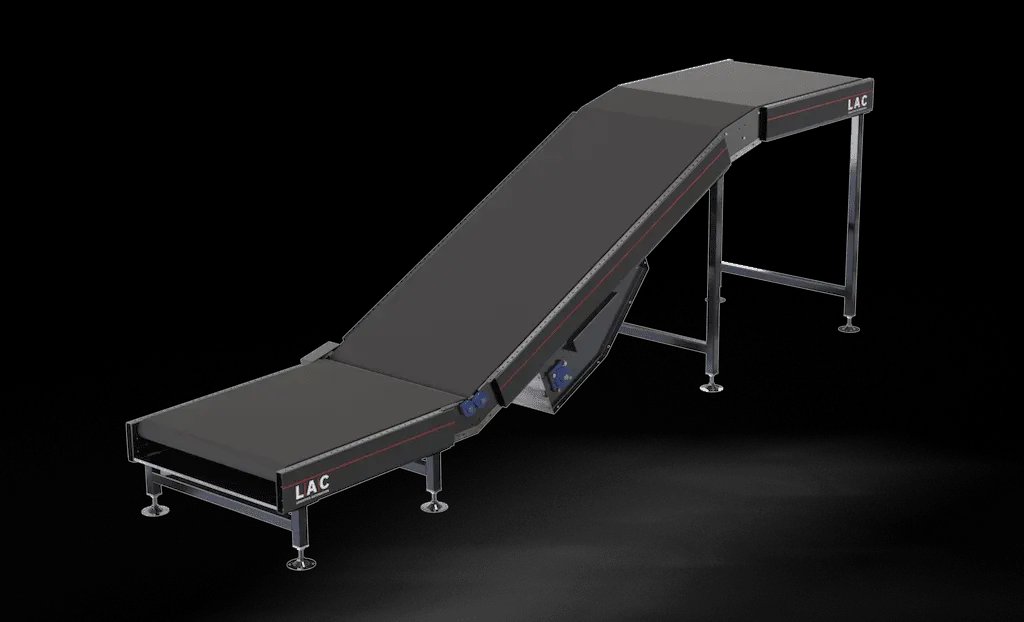
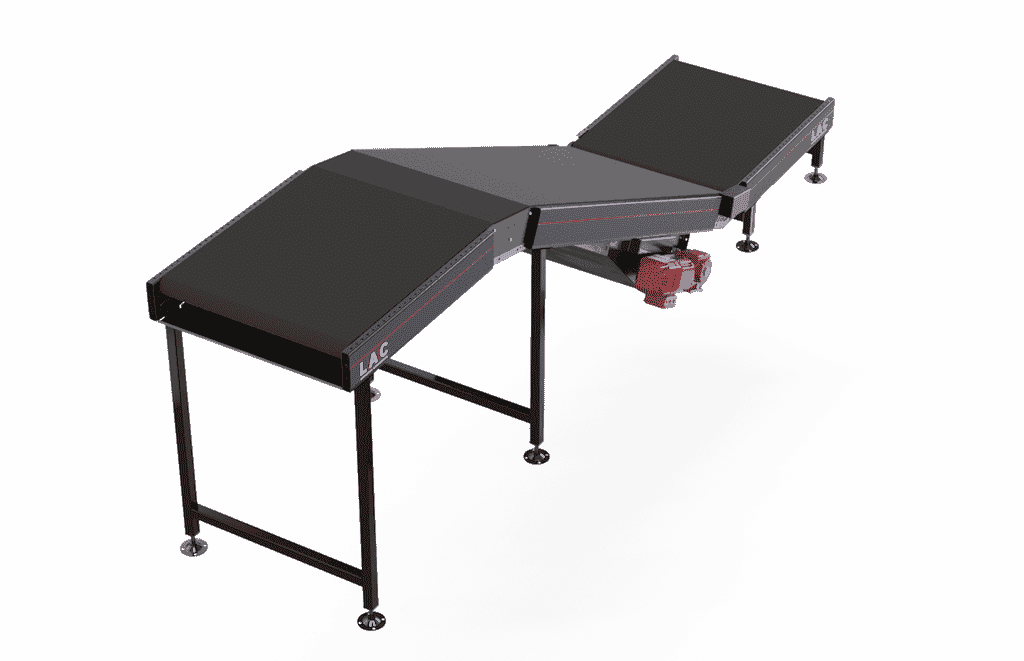
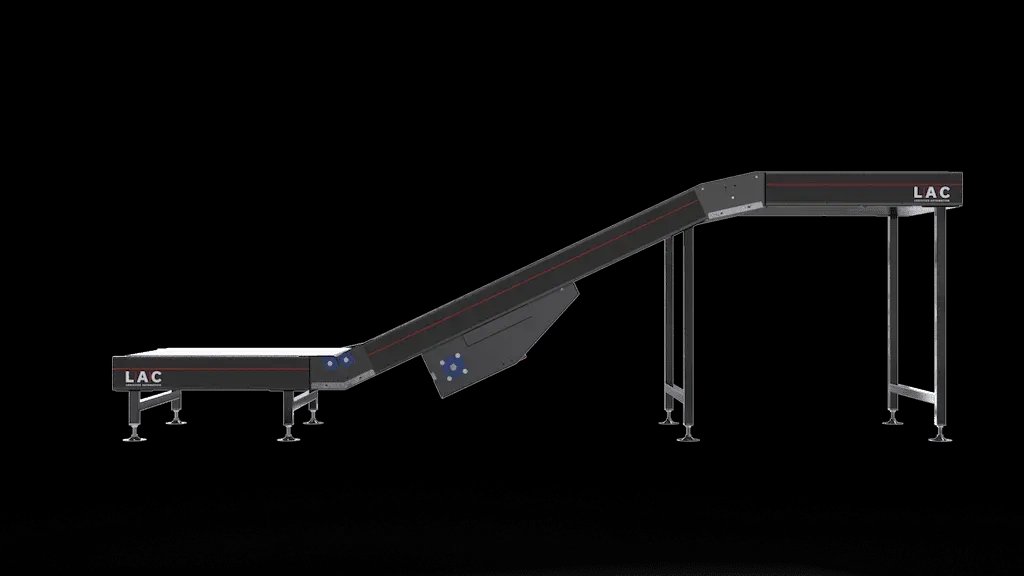
Choosing a belt conveyor comes down to the product (size, weight and surface), the required speed and throughput, the operating environment (temperature, hygiene, wet or dry) and whether the run is level or inclined. Together these set the belt material, the frame and the drive.
The belt itself is chosen around the product and the duty cycle. The most common options are:
Fabric belts (PVC and PU): the general-purpose choice for packed goods and light to medium unit loads, hard-wearing and easy to clean.
Rubber belts: suited to heavier, abrasive or bulk materials where grip and durability matter.
Modular plastic belts: interlocking segments that handle curves, inclines and washdown, widely used in food and wet environments.
Wire mesh belts: used where airflow, drainage or high temperatures are involved, such as cooling, drying and oven lines.
The right belt depends on the load, the operating temperature, the hygiene requirements and whether the conveyor runs level or on an incline.