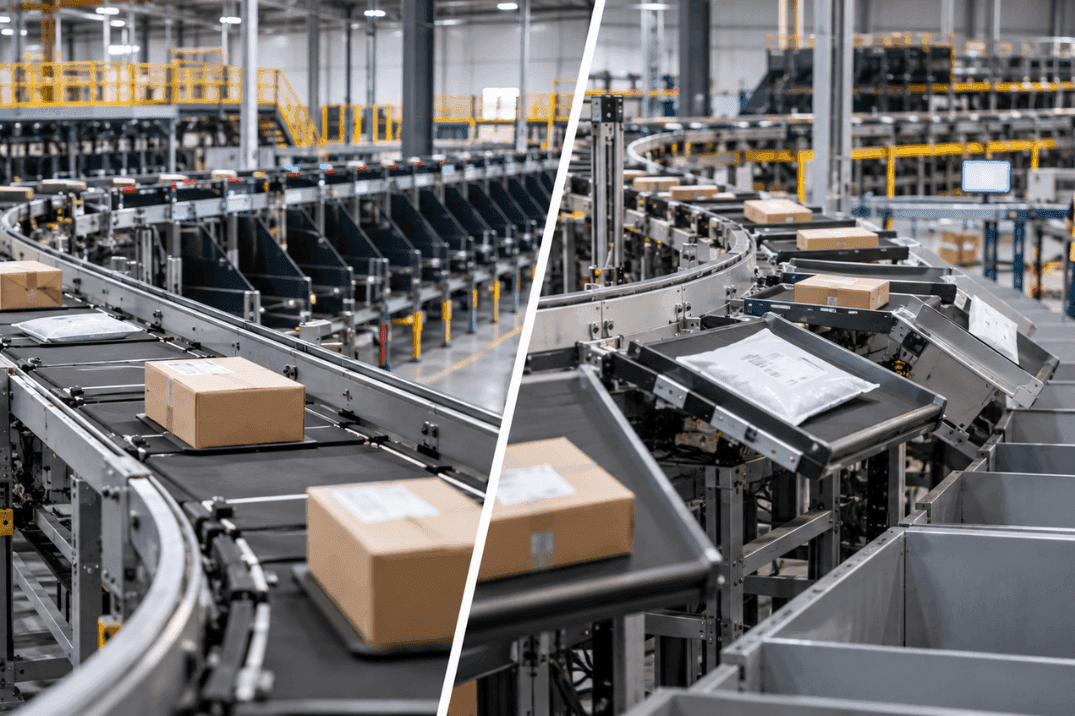
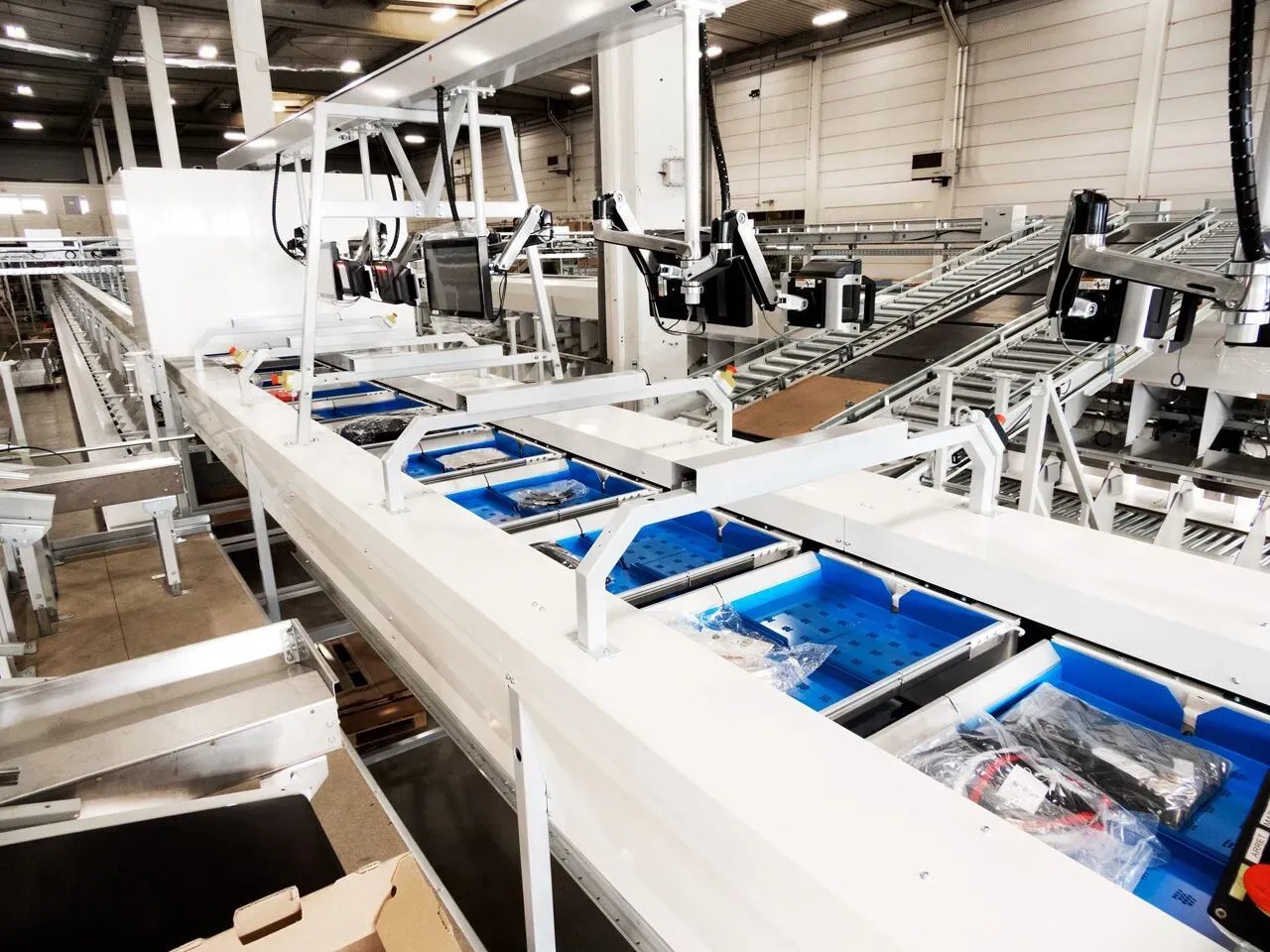
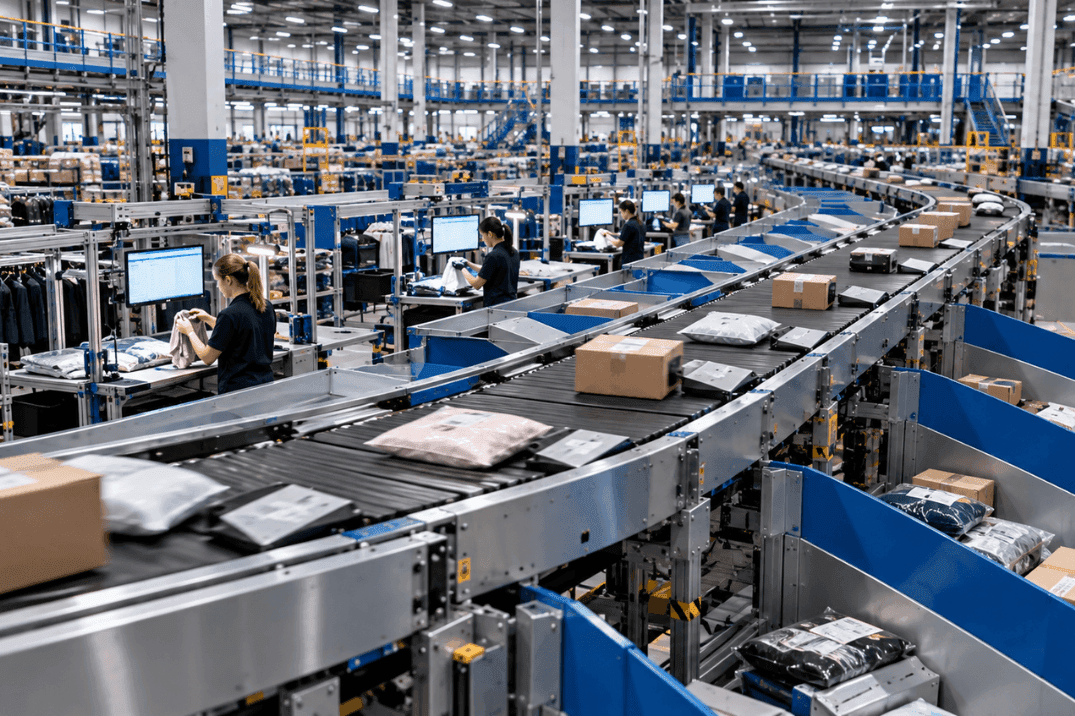
Belt conveyor system running the length of a UK warehouse

Conveyor Belt Tracking: Why Belts Wander and How to Fix It

When a conveyor belt drifts off its intended path, the consequences escalate quickly: frayed edges, product spillage, damage to the conveyor framework, and unplanned stoppages.

Belt conveyors remain the material handling backbone of most UK sites, moving everything from loose ingredients to palletised finished goods, all while operations raise throughput and hold maintenance budgets flat. Conveyor belt tracking is the discipline of keeping the belt running centrally across its pulleys and idlers, and it remains one of the most cost-effective maintenance activities available across a conveyor system.

Key points

✓Conveyor belt tracking keeps the belt running centrally across pulleys and idlers, empty and under load.
✓The governing rule: a belt moves towards the side it touches first and the side carrying the least belt tension.
✓Most mistracking is a symptom of the framework, the loading or the cleaning regime, not the belt itself.
✓Common causes: structural misalignment, off-square idlers, off-centre loading, carryback build-up and uneven tension.
✓Fix one cause at a time. Forcing the belt with fixed guides just accelerates belt edge damage.

What Is Conveyor Belt Tracking?

A correctly tracking belt runs centrally along the full length of the conveyor, empty and under load, without contacting the frame or creeping to one side. Achieving that depends on a single governing principle: a belt moves towards the side of the pulley or roller it touches first, and towards the side carrying the least tension. Every case of belt conveyor tracking drift traces back to that behaviour.


Conveyor belt mistracking is rarely a fault with the belt itself. In most cases the belt is reporting a problem elsewhere: in the structure, the loading arrangement, or the cleaning regime. Forcing it back with fixed guides treats the symptom and accelerates edge wear.

Conveyor belt running centrally over idler rollers

Why Belts Wander: Common Causes of Poor Tracking


The causes of poor conveyor belt tracking fall into a small number of recurring categories:

Structural Misalignment

A conveyor framework that is out of square, twisted, or sitting on an uneven floor introduces a bias that no belt adjustment will remove.

Idler and Pulley Alignment

Rollers that are not perpendicular to the belt centreline steer the belt sideways with every revolution, a leading source of belt misalignment.

Off-Centre Loading

Material or cartons delivered to one side shift the load distribution and pull the belt towards the heavier edge.

Material Build-Up

Carryback, dust, and product residue on pulley faces and return rollers create an artificial crown that lifts one side of the belt.

Uneven Tension

Differential belt tension across the width, often introduced during installation or take-up adjustment, sends the belt towards the slacker side.

Belt and Splice Condition

A splice that is not square to the belt edge, a stretched carcass, or damaged edges produce drift that changes with each pass.

Distinguishing between these is the difference between a permanent fix and a recurring callout.

By the numbers
6
Recurring root causes of mistracking
2-state
Diagnose empty, then under load
1
Cause corrected at a time
Planned PM
Where tracking belongs, not callouts

How to Diagnose a Belt Tracking Fault

Diagnosis starts with observation rather than adjustment. Running the conveyor empty and noting where the belt drifts, then repeating the exercise under normal load, separates structural causes from loading causes. A belt that tracks centrally when empty but wanders when loaded points firmly at the feed arrangement.


Physical checks follow: a string line or laser along the frame, a square to check idlers against the belt centreline, and inspection of pulley faces for build-up. Marking the belt shows whether drift occurs at a consistent point along its length, indicating a splice or carcass issue rather than a fixed component behind the belt-tracking issues.

Engineer checking conveyor belt alignment against the idlers

Correcting and Maintaining Conveyor Belt Tracking


A wide range of correction methods is available, and the right choice depends on belt speed, tension, and application:

Crowned Pulleys

Effective on slower, lower-tension flat belts, where the raised centre profile draws the belt inwards.

V-Guides and Guide Profiles

A moulded profile on the belt underside runs in a matching pulley groove, giving positive location for light-duty and food-grade applications.

Self-Aligning Tracking Idlers

Pivoting rollers, sometimes fitted as a dedicated belt positioner, respond to belt movement and steer it back to centre automatically, suited to long or heavily loaded conveyors.

Take-Up Adjustment

Small, incremental belt tracking adjustments at the tail pulley, working in the direction of belt travel and allowing several full revolutions between changes.

Belt Cleaners and Scrapers

Removing carryback at source prevents the build-up that brings tracking issues back within weeks.

Adjusting one component at a time is essential. Simultaneous changes make the outcome impossible to attribute, and overcorrection is a common cause of repeat visits.

Building Tracking Into Preventive Maintenance

Belt tracking deserves a defined place in the planned maintenance schedule rather than an emergency response. Routine inspections that record belt position, edge condition, roller rotation, and residue accumulation build a picture of gradual drift long before belt damage occurs. Drive current data and condition monitoring add further early warning on critical lines.


Well-tracked belts deliver longer belt life, reduced spillage, enhanced safety around the conveyor, and minimal downtime across the wider system.

Protecting Throughput Through Better Belt Tracking

As UK operations increase line speeds and run for longer hours, disciplined conveyor belt tracking becomes a meaningful contributor to operational efficiency rather than a housekeeping task. 


Systems designed with correct alignment, appropriate tracking hardware, and accessible cleaning provision protect not only belt life but also throughput and long-term running costs across a conveyor system. Speak with a conveyor specialist to review tracking performance across an existing installation.

Well-tracked belt conveyor line moving cartons in a distribution centre

Design a tailored integration approach

We design integration around your existing lines, control systems, and long-term automation roadmap.

Speak to a specialist

Frequently Asked Questions