What Is Offline Robot Programming?
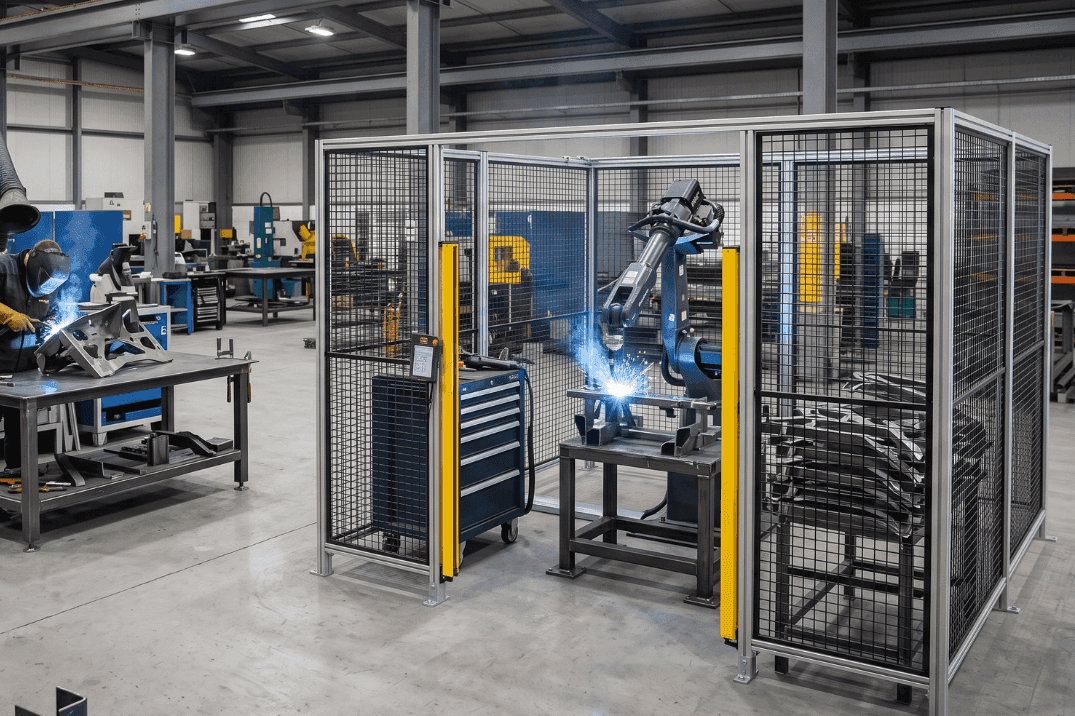
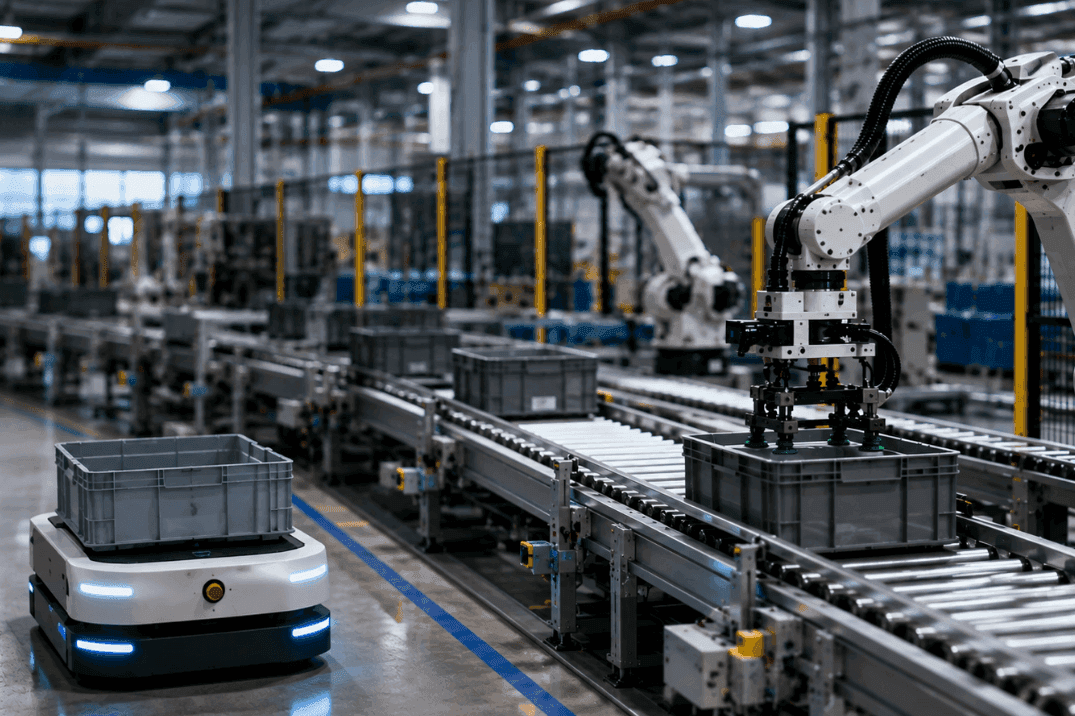
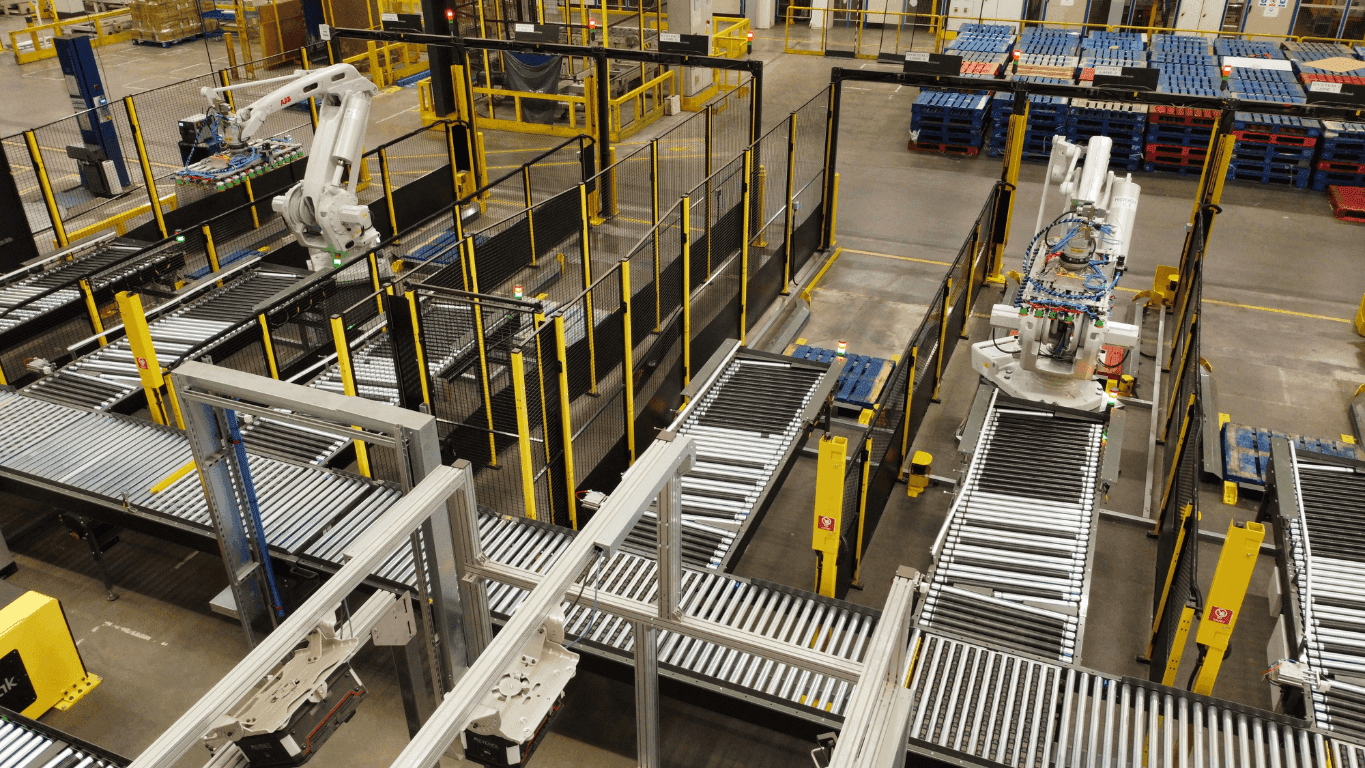
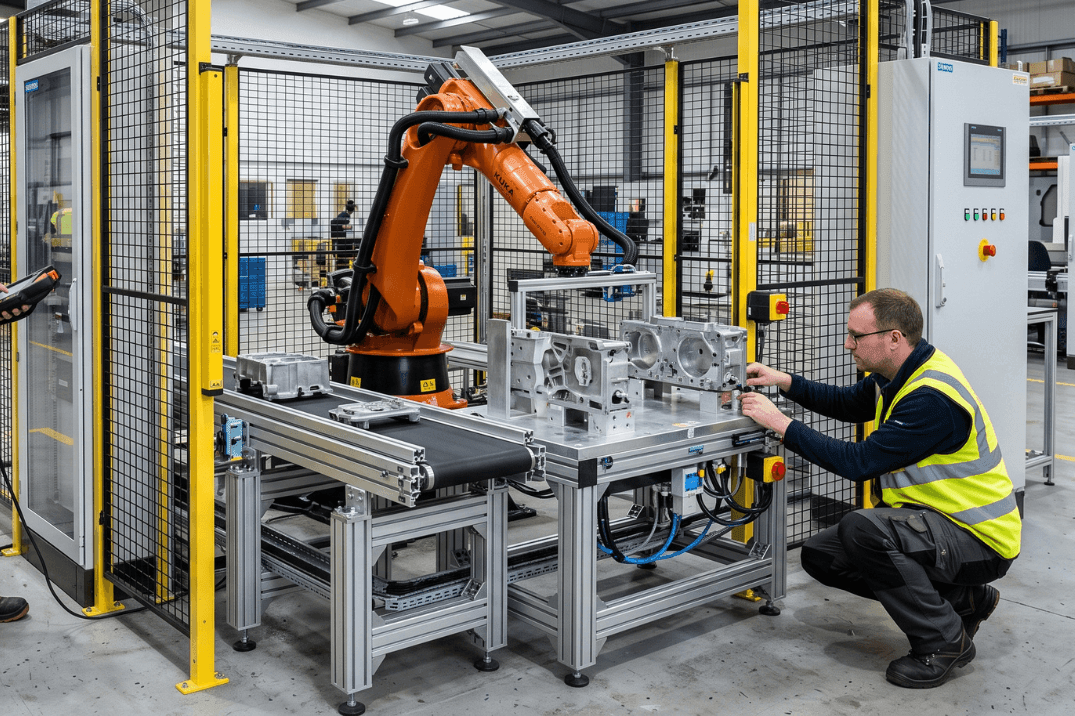
Offline robot programming, sometimes shortened to offline programming, is the practice of creating, testing, and optimising a robot’s motion program in software rather than on the physical machine. A three-dimensional model of the robot work cell is built from CAD data covering the robot, end effector, conveyors, guarding, fixtures, and the product itself. Paths are generated and refined against that model, checked for reach, collision, singularities, and cycle time, then post-processed into native code for the robot controllers. Because dedicated post-processors exist for the major robot brands, the same robotic programming approach works across most industrial robots on the market.
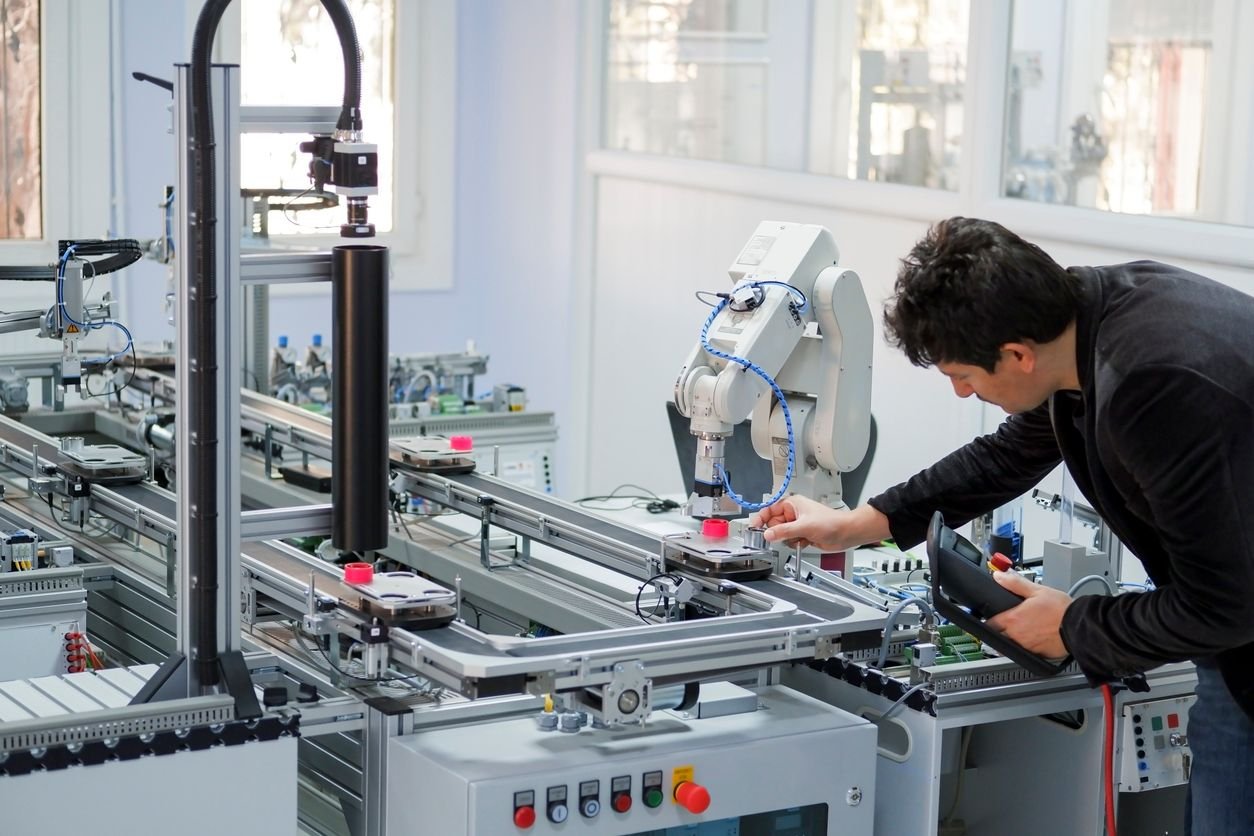
Teach pendant programming remains useful for fine adjustment on site. The difference is timing: with offline robot programming, the bulk of the work happens while the cell is still being manufactured, so programming stops competing with installation for the same window.