Robot-Human Collaboration

What a Robotics Integrator Actually Does (And Why It Matters)

In today's competitive industrial landscape, UK businesses looking to deploy robotic automation face a critical decision early in the project: whether to engage a robotic system integrator or attempt to manage the implementation process internally. The role of an integrator is frequently misunderstood, often reduced to simply installing a robot and writing a programme. In reality, a robotic system integrator provides the specialist engineering expertise that bridges the gap between a robot manufacturer's standard hardware product and a fully functioning, production-ready automation cell tailored to a specific application. A robotic integrator is not simply supplying a robot, but delivering the full robotic system integration required to make automation work reliably in a live production environment.

What a Robotic System Integrator Does


A robotic system integrator takes responsibility for designing, building, programming, and commissioning a complete robotic solution tailored to a specific operational requirement. This encompasses far more than the robot itself. The integrator's scope typically includes:

Application engineering

Analysing the specific task, product characteristics, cycle time targets, and performance requirements to determine the optimal robotic solution, robot type, and cell configuration.

Cell design

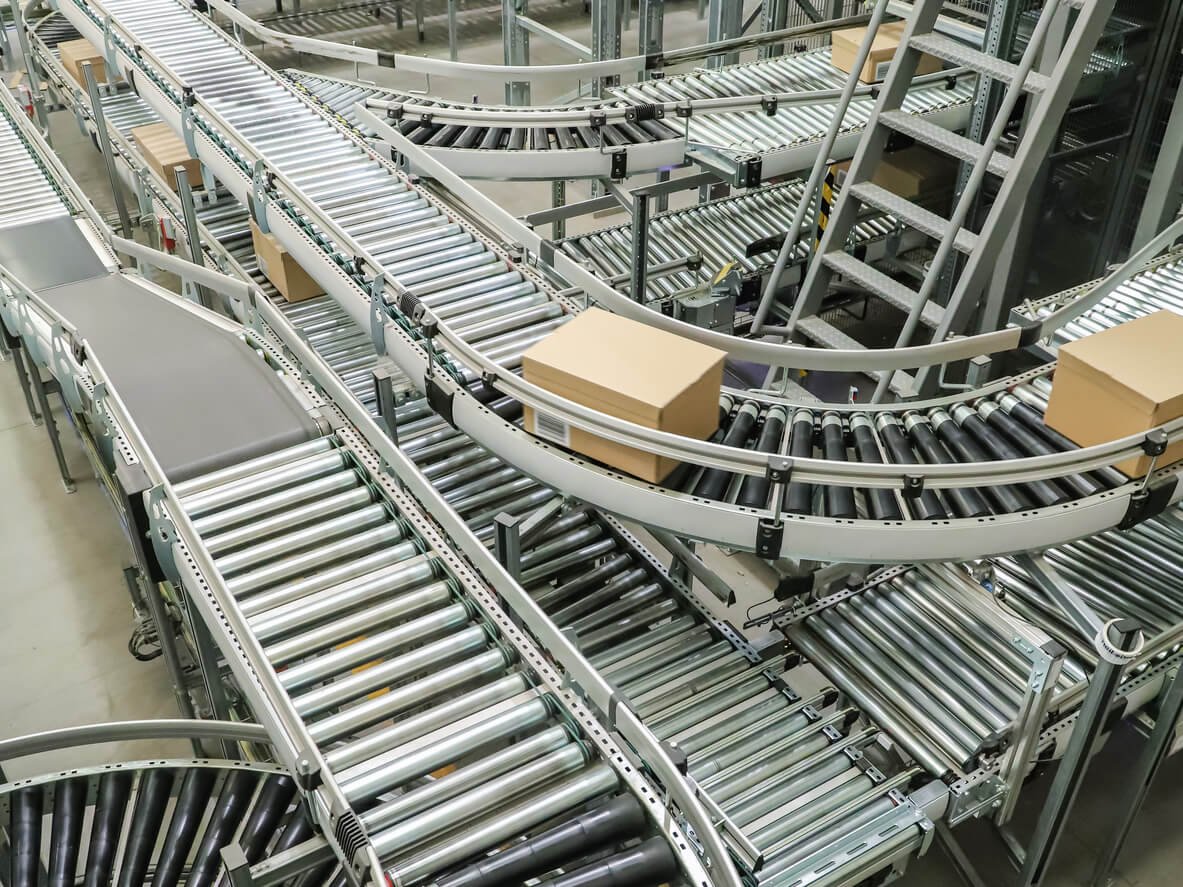
Engineering the complete work cell including robot mounting, end-of-arm tooling, guarding, conveyors, sensors, and all ancillary equipment required for the cell to operate as a self-contained production unit.

Software development

Writing the robot programme, vision system logic, PLC integration code, and communication protocols that connect the cell to the wider production environment and ensure coordinated operation.

Commissioning and validation:

Installing the system on site, tuning performance parameters, conducting acceptance testing, and validating that the system meets the agreed specifications under real operating conditions with actual products.

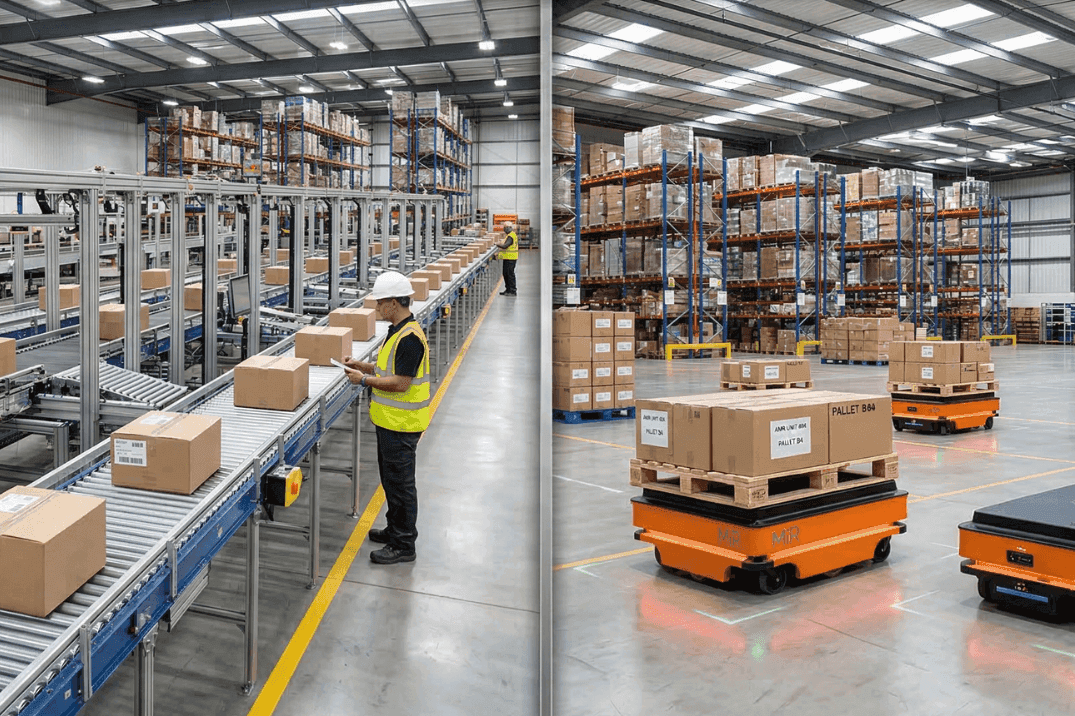
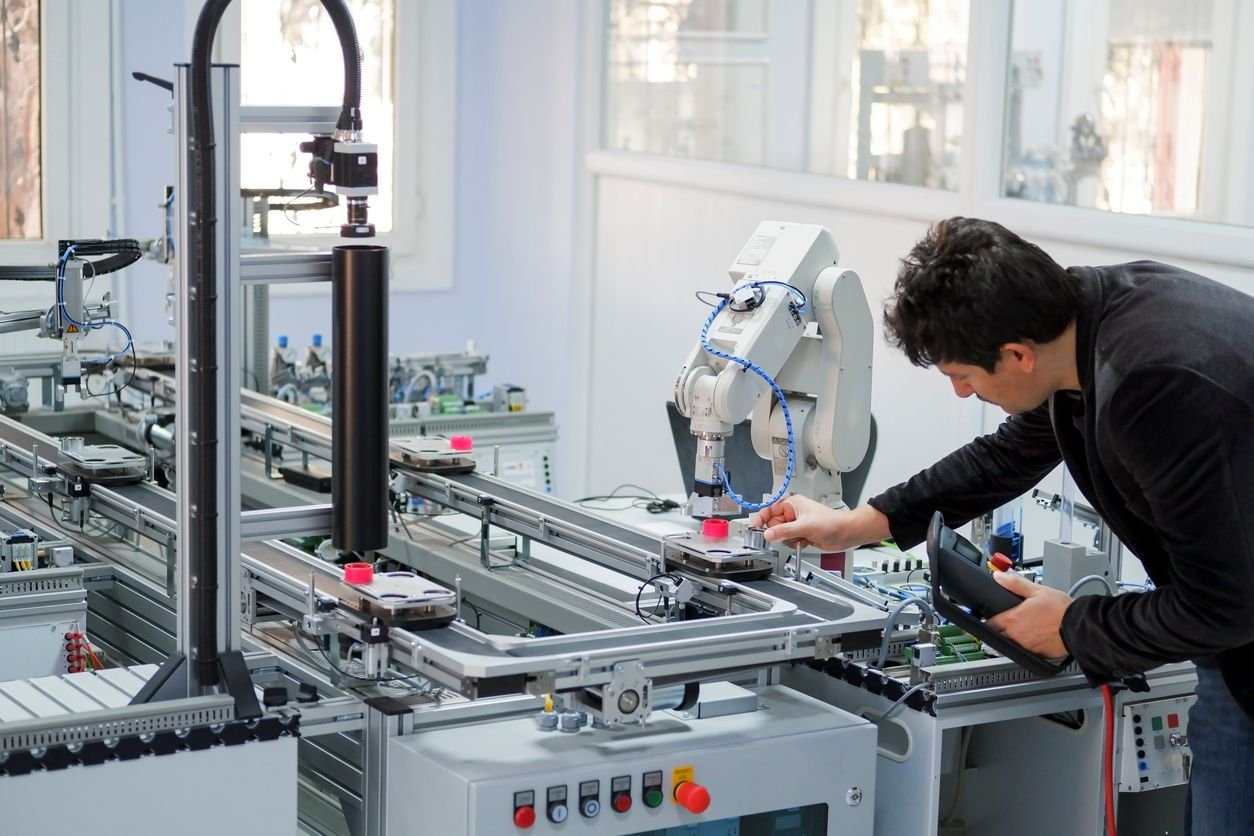
In practice, this can include everything from a single robotic arm for pick-and-place tasks to larger robotic cells for material handling, vision inspection, production lines, and wider manufacturing automation. Depending on the application, the solution may use industrial robots, collaborative robots, or autonomous mobile robots as part of a broader set of automation systems.

Why Robot Manufacturers Do Not Fill This Role

Robot manufacturers produce versatile hardware platforms designed to serve a wide range of industries and applications. They provide the mechanical arm, the controller, and the base software environment. They do not typically provide application-specific engineering, custom tooling design, or integration with existing production systems. The robot is a component, not a solution.


A robotic system integrator fills the gap between the general-purpose hardware and the specific demands of the application. Without this layer of specialist engineering, the robot is a capable machine with no defined purpose in the context of the production line.

vision-guided-robotics-system

The integrator transforms the hardware into a functioning automation solution that addresses a specific operational challenge. This transformation involves engineering disciplines that span mechanical design, electrical systems, software development, and process engineering, rarely all available within a single robot manufacturer's support offering.


This is why brands such as Universal Robots or other robot manufacturers are only one part of the picture. The hardware platform matters, but successful Robot Integration depends on the engineering around it: tooling, controls, safety, software, and the way the robot is applied within the wider process.


The Value of Integration Expertise


The complexity of a robotic installation lies not in the robot itself but in everything around it. End-of-arm tooling must be designed to handle the specific products reliably and at speed across the full range of expected variations. Vision systems must be configured to operate under the actual lighting and environmental conditions of the facility, not laboratory conditions. Communication with PLCs, conveyors, and warehouse management systems must be robust and thoroughly tested to handle edge cases and exception conditions.


Experienced integrators bring knowledge accumulated across many automation projects and industries, allowing them to anticipate problems, avoid common pitfalls, and deliver solutions that work reliably from the outset. This experience significantly reduces project risk, accelerates the path to productive operation, and avoids the costly trial-and-error process that organisations undertaking their first robotic integration often encounter.


That expertise is particularly valuable where the project involves collaborative robotics, material handling, vision inspection, or more complex industrial automation solutions that require multiple technologies to work together as a single system. The integration process is where robotic design becomes a practical, functioning part of the wider operation.

How Integrator Selection Affects Project Outcomes


The choice of robotic system integrator has a direct and measurable impact on project success. Key factors in integrator selection include:

Demonstrated experience in the relevant application and industry sector

The ability to recommend the right robot type for the task, whether that is a conventional industrial robot, collaborative robot, or mobile platform

Their approach to safety features, validation, and post-commissioning support

Their ability to support the full automation journey rather than just the initial installation

Operations that select integrators based solely on cost frequently encounter extended commissioning periods, performance shortfalls, and higher total project expenditure than those that prioritise capability and relevant experience. The cheapest quotation rarely represents the lowest total cost when the full project lifecycle is considered. A well-chosen integrator reduces risk, accelerates time to productive operation, and provides the ongoing technical partnership that complex robotics systems require to sustain their performance over the long term.

Partnering for Successful Robotic Automation

As UK operations increasingly adopt robotic automation to enhance efficiency and competitiveness, the role of the robotic system integrator is central to achieving successful outcomes. Engaging the right integration partner ensures that the full potential of robotic technology is realised, delivering a bespoke solution that meets the specific demands of the operation and supports long-term growth and sustained operational performance.


Whether the requirement is for standalone robotic automation solutions, collaborative robots, autonomous mobile robots, or fully integrated industrial automation solutions across production lines, the right partner turns hardware into working automation. That is the real value of a robotic systems integrator: not simply supplying equipment, but delivering robotic system solutions that perform in the real world.

Multiple industrial robots operating on an automated production line to improve efficiency and reduce material waste

Ready to Turn Hardware into a Solution?

Don't just buy a robot—invest in a fully engineered outcome. Speak to our integration team today to design a system tailored to your specific production challenges.