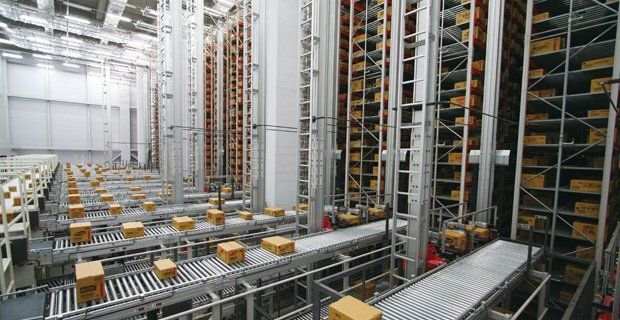
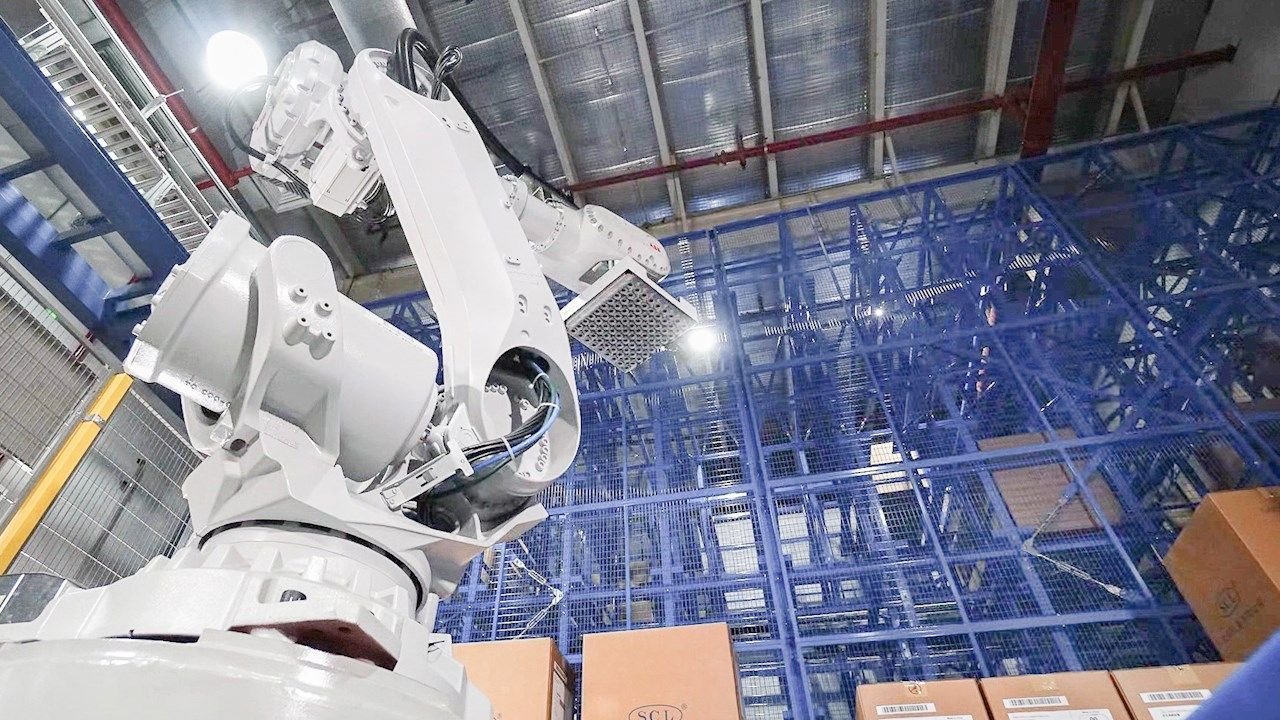
Industrial robotic arm operating within automated warehouse racking system for robotic process automation in logistics

Robotic Process Automation in Logistics: Streamlining Supply Chains Through Intelligent Automation

The logistics industry is experiencing a progressive shift as businesses contend with unprecedented challenges including labour shortages, surging e commerce demand, increasing SKU complexity, and escalating customer expectations for rapid delivery. In this dynamic environment, Robotic Process Automation (RPA) in logistics has emerged as a pivotal solution, changing how goods are stored, picked, sorted, and distributed across modern supply chains and strengthening supply chain management at every stage.

No longer confined to futuristic concepts, intelligent robotics and software bots are now essential components of competitive logistics operations. By combining advanced automation technologies including machine vision, artificial intelligence, Autonomous Mobile Robots, Automated Guided Vehicles, and smart conveyor systems businesses are achieving levels of efficiency, accuracy, and scalability that were previously unattainable. RPA is reshaping logistics automation, digital workforce planning, and cost effective logistics strategies across the warehousing sector.

What is Robotic Process Automation in Logistics


Robotic Process Automation in logistics refers to the deployment of intelligent robotic systems and automated technologies to perform repetitive, labour intensive, and precision critical tasks throughout the supply chain. Modern RPA targets operations such as:

Piece picking and order fulfilment

Automated sorting and classification

Inventory management and storage

Quality inspection and verification

Packaging and palletising

These systems leverage automation technologies including AI, machine learning, computer vision, and IoT connectivity to create adaptive, data driven logistics environments that continuously optimise performance and reduce manual labour dependency.

Where RPA delivers maximum impact across the UK:


Fulfilment centres using automated warehouse management

Distribution center operations requiring faster Order Processing

Supply chain environments needing improved shipment tracking

Warehouses requiring real time inventory control

Sites deploying digital robots for repetitive administrative tasks

Key Technologies Powering RPA in Logistics

Robot Picking Systems

Robot picking systems represent one of the most transformative innovations in warehouse automation. These intelligent systems identify, grasp, and move individual items with remarkable precision and speed.


Types include:

• High speed picking robots for rapid sortation

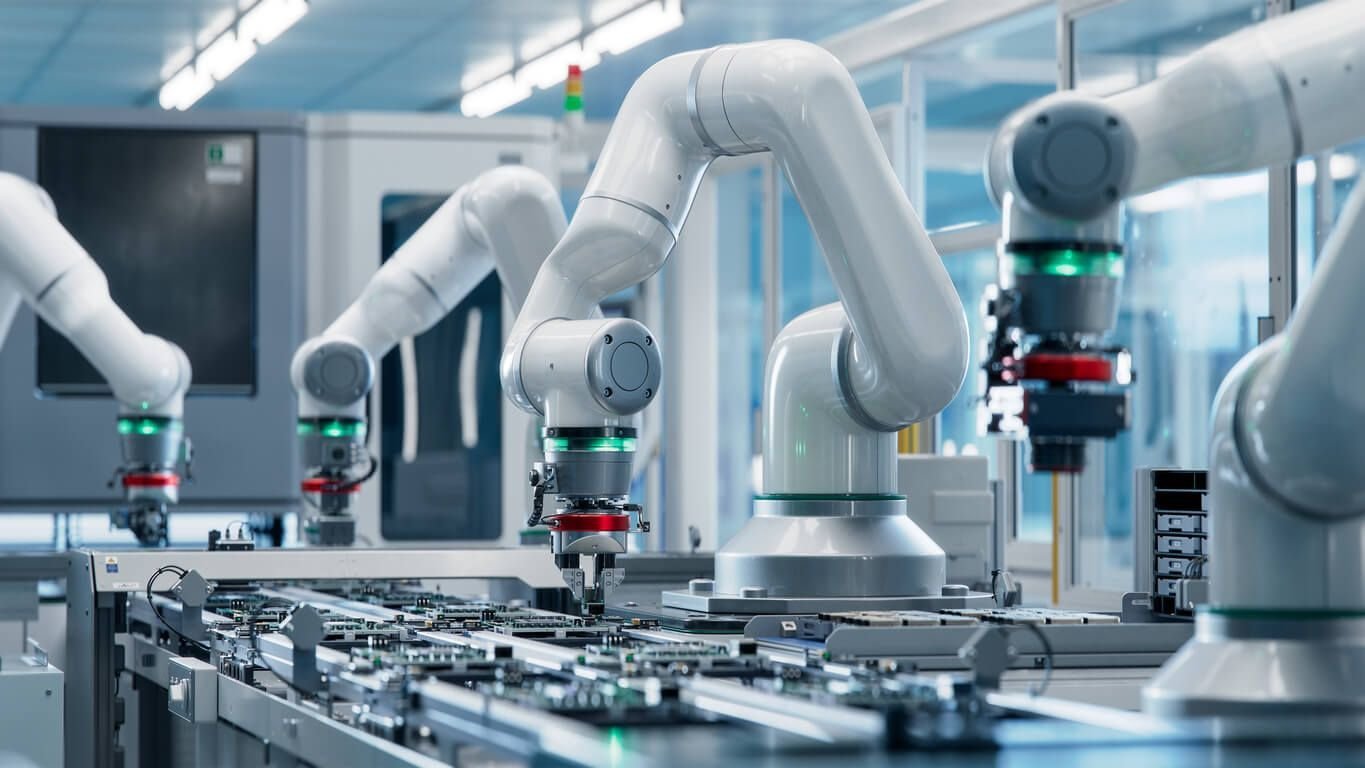
Collaborative robotic arms for safe human cooperation

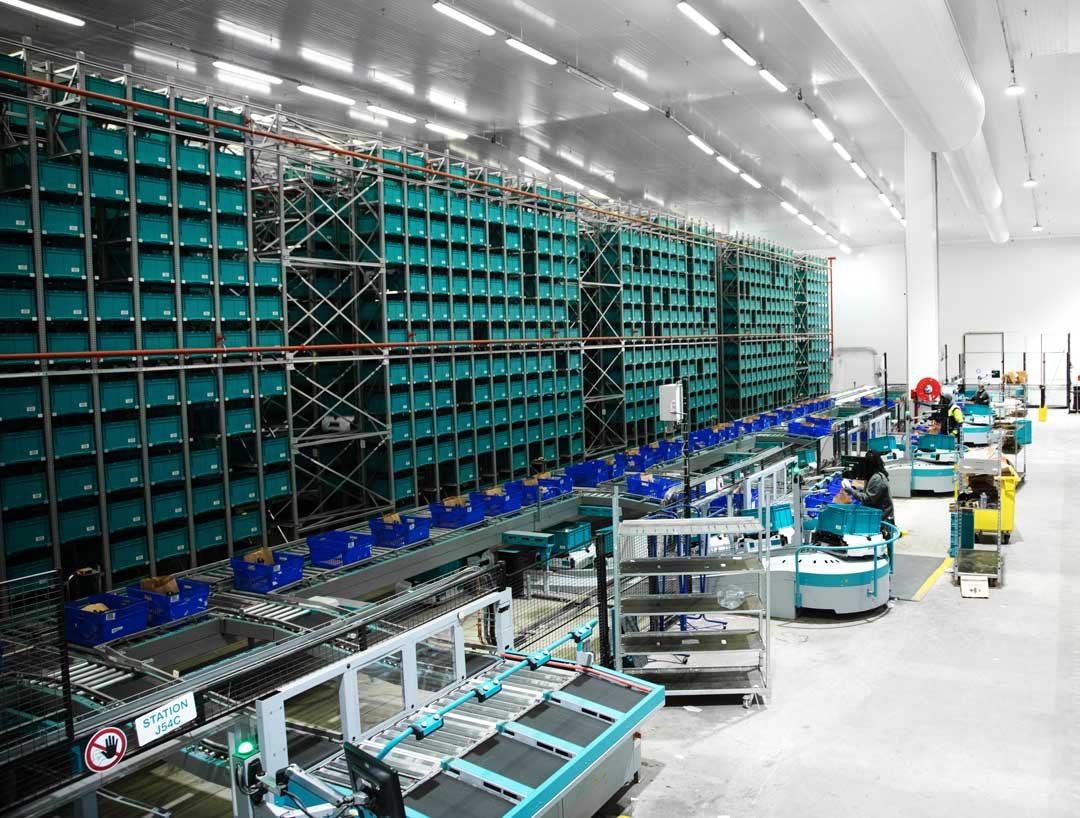
Autonomous Mobile Robots that navigate independently

• Goods to Person systems delivering items directly to workstations


Modern systems integrate machine vision, adaptive gripping technologies, and machine learning algorithms to increase accuracy, recognition capability, and throughput.

Cobots in Manufacturing

Autonomous Mobile Robots and Automated Guided Vehicles

AGVs follow predefined routes for reliable transport, while AMRs use dynamic navigation to adapt to changing layouts. These systems significantly reduce labour costs, improve inventory accuracy, and maintain efficient load planning.


Automated Storage and Retrieval Systems

ASRS manages goods with minimal human intervention, enabling high density storage, rapid retrieval, improved shipment scheduling, and increased accuracy in inventory control.


Robot Palletisers

Robot palletisers use vision and advanced pattern programming to stack products efficiently, reducing workplace injuries and improving throughput.

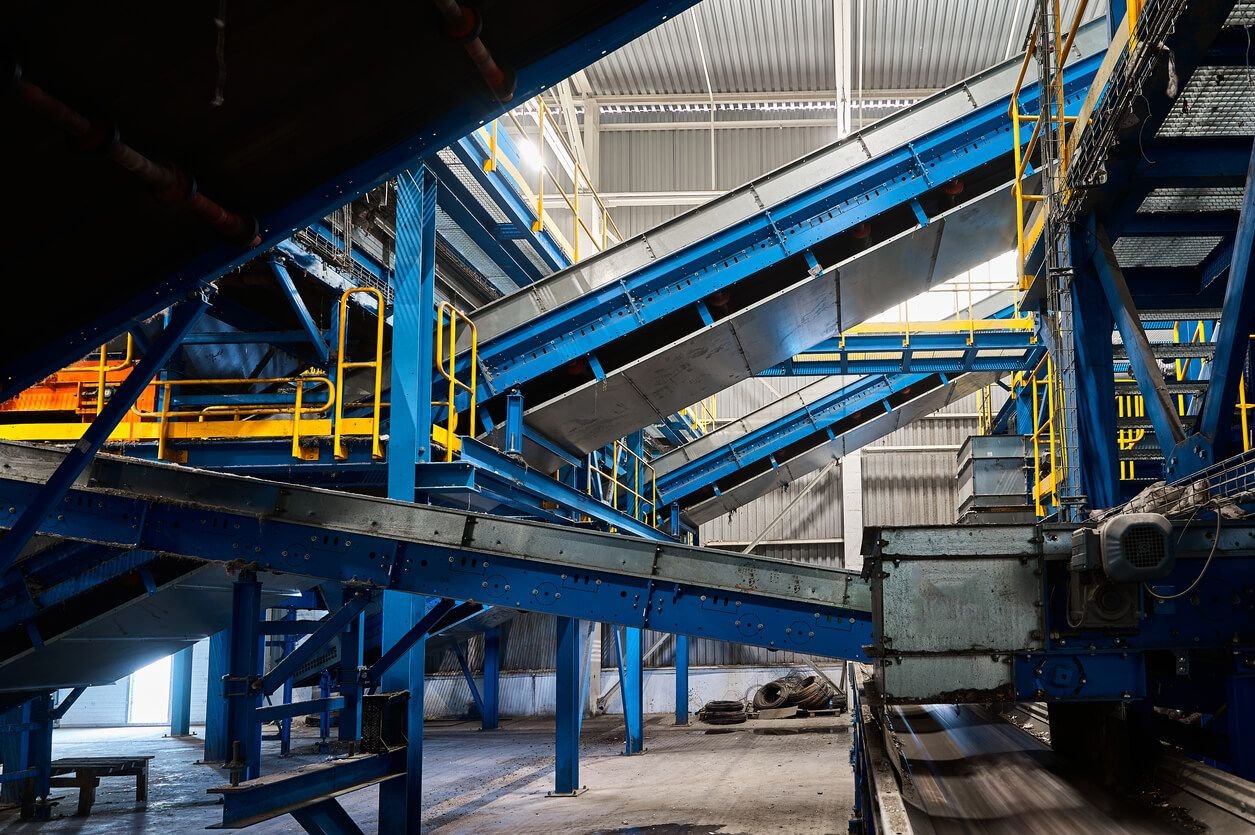
Smart Conveyor and Sortation Systems


Modern conveyor systems integrate:

IoT sensors for product detection

AI and machine learning for predictive maintenance and routing

Vision guided technology for quality verification

Automated sortation with barcode and RFID scanning

These systems work seamlessly with robotic pickers, Warehouse Management Systems, and ASRS to ensure uninterrupted logistics automation.

Industry Applications


E commerce and Retail

Fast order fulfilment, returns processing, and inventory management.

3PL and Distribution

Multi client operations supported by conveyor systems, AMRs, and G2P systems.

Pharmaceutical and Healthcare

Precision handling in sterile, regulated environments.

Automotive

Heavy component handling through automated picking and overhead conveyors.

Food and Beverage

Temperature controlled logistics automation for perishable goods.

Fashion and Apparel

Vision guided sortation for irregular or soft items.

Ideal sectors for deploying RPA solutions

Ideal sectors for deploying RPA solutions include automated warehouse facilities where repetitive, rules-based processes can be streamlined to improve operational efficiency and reduce manual error. These environments benefit significantly from software bots that can manage inventory updates, shipment confirmations and system integrations in real time.


Cost effective logistics networks are also well suited to RPA implementation, particularly where there is a need to coordinate data across multiple platforms, carriers and tracking systems. Automation supports improved visibility, faster processing times and reduced administrative overhead.

Multiple industrial robots operating on an automated production line to improve efficiency and reduce material waste

High volume order processing environments can leverage RPA to manage order entry, validation, invoicing and customer communications with greater speed and accuracy. This is especially valuable in businesses handling large transaction volumes where consistency and turnaround time are critical.


Supply chain management operations benefit from automation through enhanced reporting, demand forecasting support and exception handling. RPA solutions can integrate data across procurement, inventory and distribution systems to improve workflow continuity and decision-making.


Modern fulfilment centres requiring software bots and automated responses are ideal candidates for RPA deployment. Automation can support everything from inventory reconciliation to dispatch notifications, enabling scalable, responsive operations without increasing manual workload.

Benefits of Robotic Process Automation in Logistics


Robotic Process Automation (RPA) is transforming logistics operations by delivering measurable efficiency gains across warehousing, fulfilment and distribution environments.

Increased Throughput

Robotic systems operate continuously with consistent cycle times, significantly increasing order processing capacity. Unlike manual operations, automation maintains performance levels around the clock, reducing bottlenecks and improving overall output.

Enhanced Accuracy

Vision-guided picking and automated validation processes reduce order processing errors and improve inventory precision. Greater accuracy directly enhances customer satisfaction while lowering return rates and administrative correction costs.

Improved Worker Safety

Automation removes employees from physically demanding, repetitive or hazardous roles. By reallocating workers to supervisory and value-added tasks, organisations can reduce workplace injuries while improving operational efficiency.

Scalability

RPA systems can be expanded incrementally as demand grows. This scalability allows businesses to increase capacity without undertaking costly warehouse redesigns or major infrastructure overhauls

Long-Term Cost Savings

Reduced labour costs, lower error rates and fewer operational disruptions contribute to a strong return on investment. Over time, automation improves consistency and reduces the financial impact of inefficiencies.

Space Optimisation

High-density storage systems and overhead robotic movement maximise vertical and horizontal space utilisation, allowing warehouses to operate more efficiently within existing footprints.

Data-Driven Insights

Real-time analytics provide predictive maintenance alerts, bottleneck detection and improved shipment tracking. Access to actionable data supports better decision-making across the supply chain.

Building Integrated Logistics Ecosystems

The true power of RPA emerges when multiple technologies operate cohesively across the warehouse layout, forming a fully integrated logistics ecosystem.


Inbound Operations

Automated Storage and Retrieval Systems (ASRS) supported by Autonomous Mobile Robots (AMRs), Automated Guided Vehicles (AGVs) and conveyor systems streamline inbound goods handling and inventory allocation.


Processing Operations

Vision-guided inspection systems, automated sorting technologies and robotic picking solutions ensure consistent accuracy and rapid order fulfilment within high-volume environments.


Outbound Operations

Robotic palletising, automated packaging systems and optimised shipment scheduling improve dispatch efficiency while reducing manual handling.


Control and Coordination

Warehouse Management Software (WMS), automated warehouse management systems, intelligent task execution platforms and centralised monitoring tools provide operational visibility and coordinated control across all processes.


Key Technologies Creating Integrated Logistics Ecosystems

Integrated environments rely on a combination of digital and physical automation tools, including digital workforce tools and software bots that manage administrative processes. Logistics automation systems coordinate physical operations, while procurement management workflow automation streamlines supplier interactions.


Automated responses enhance customer service efficiency, and real-time supply chain dashboards provide end-to-end visibility across inventory, transport and fulfilment networks.


Safety by Design

Modern robotic systems are developed with safety as a core principle. Advanced sensors enable obstacle detection and environment awareness, while controlled speed and force limitations protect both equipment and personnel. Emergency stop mechanisms and built-in fail-safe protocols provide additional layers of operational protection.


Predictive maintenance alerts reduce unexpected breakdowns and minimise downtime. Artificial intelligence further enhances safety through environment sensing, predictive analytics, intelligent task allocation and continuous system learning.


The Future of RPA in Logistics

The future of Robotic Process Automation in logistics is shaped by rapid technological innovation and increasing demand for efficiency. Key trends include deeper AI integration to enable autonomous decision-making, enhanced collaboration between cobots and human workers, and improved cloud-based connectivity for remote system monitoring. Sustainability-focused, energy-efficient systems are becoming central to long-term operational strategy.


Additionally, modular RPA solutions are reducing planning complexity and accelerating deployment timelines, allowing organisations to adopt automation with greater flexibility and speed.

Moving Toward Intelligent, Automated Logistics

Robotic Process Automation in logistics is essential for businesses seeking competitive advantage in today’s fast paced supply chain environment. Intelligent Automation delivers transformative benefits including improved operational efficiency, greater accuracy, enhanced safety, stronger scalability, substantial cost savings, and elevated customer satisfaction. Those who embrace RPA today are not only improving operations. They are future proofing their supply chain for the increasingly complex logistics landscape. The focus is now on how quickly organisations can implement intelligent robotic solutions that reduce planning time, eliminate manual labour challenges, and support fully integrated logistics automation.


Ready to explore how RPA can transform your logistics operations? Speak to our automation specialists today to discuss tailored solutions for your supply chain management challenges.

Industrial robots integrated with conveyor systems for high-throughput, energy-efficient material handling in manufacturing