Modular Design for Long Term Sustainability
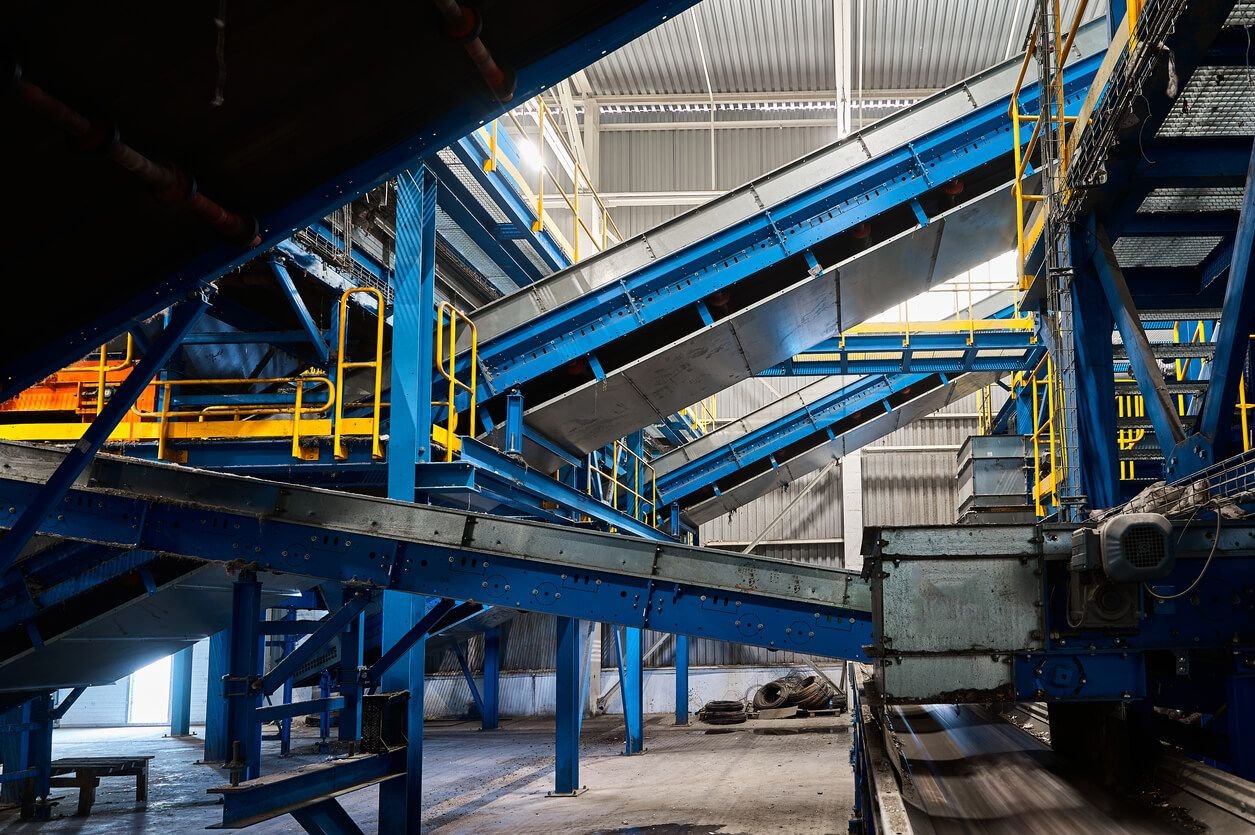
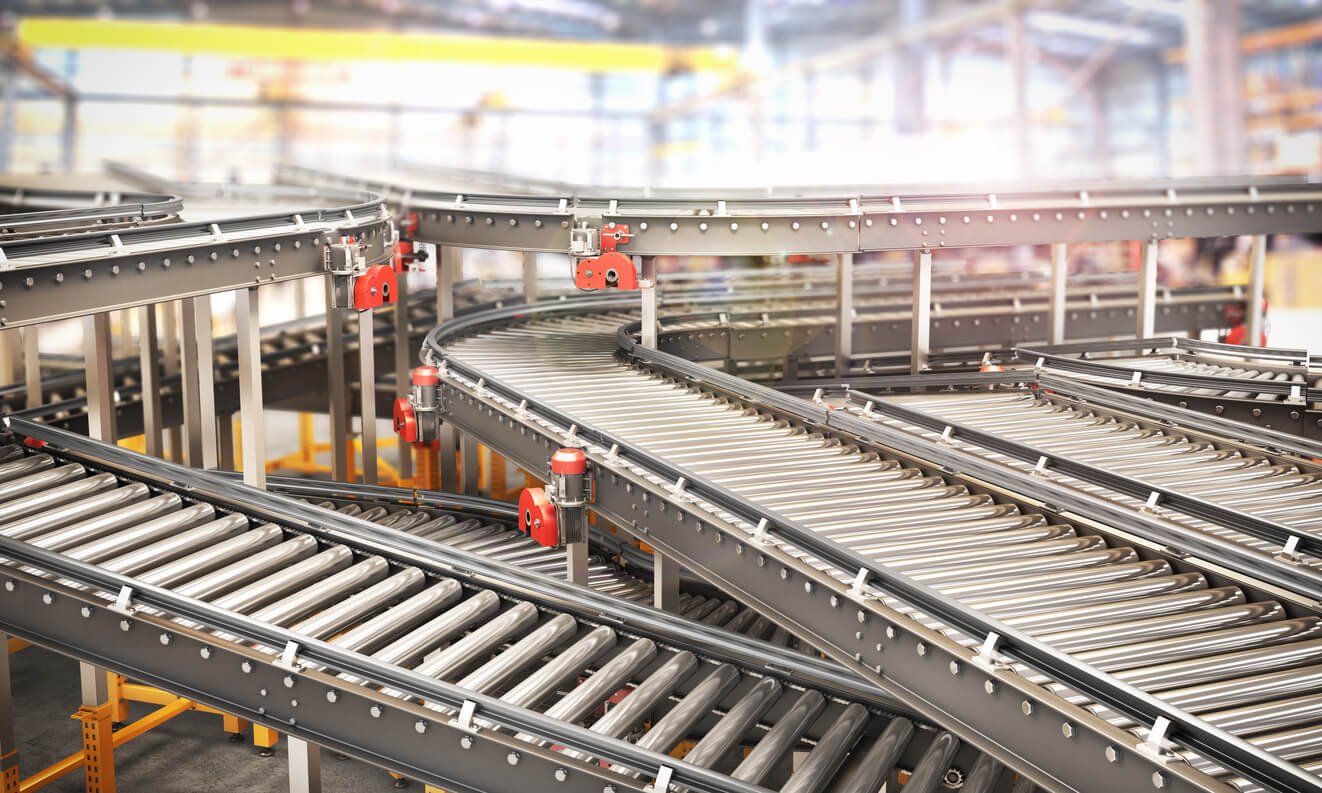
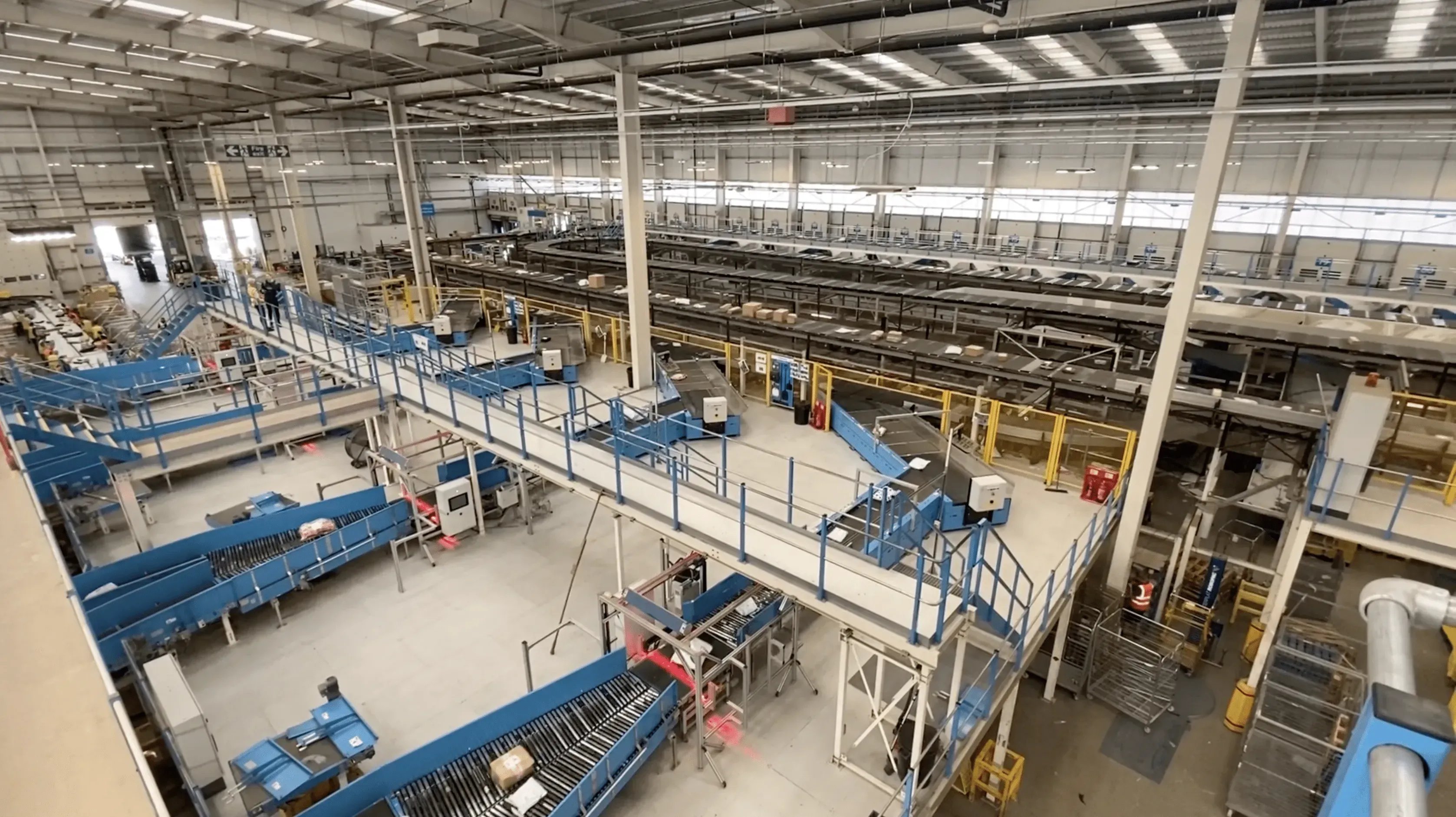
Sustainable conveyor design considers the full lifecycle of conveyor belts and associated equipment, from raw material selection through to end-of-life recycling. Modular construction allows conveyor belt systems to be reconfigured, expanded, or upgraded as operational needs evolve, ensuring long-term operational flexibility. Durable, recyclable materials reduce reliance on new raw material inputs. Recycled plastics, lightweight alloys, and advanced composites support sustainability goals without compromising performance. Lean layouts with shorter conveyor routes enhance material flow, reduce energy usage, and minimise overall environmental impact. Advantages of modular conveyor design include less waste from unnecessary equipment disposal, greater adaptability for changing manufacturing processes, and a lower carbon footprint aligned with a sustainable future. In addition, modular systems make upgrades simpler and more cost-effective, removing the need for full system replacement while extending the lifespan of existing equipment.
Quality Control and Product Protection
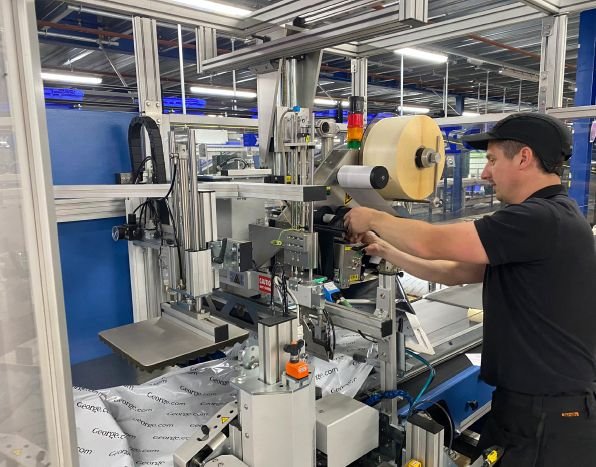
Product damage during transport remains a significant source of waste in conveyor belt systems. Vision guided conveyors and automated inspection technologies help prevent unnecessary product waste by ensuring goods are handled correctly. Vision systems detect defects, verify labels, and confirm orientation in real time. This stops damaged or mislabelled goods from progressing further, reducing waste and supporting quality standards. Weight sensors detect missing or extra components, triggering automatic rejects before items reach final packaging. Integration with programmable logic controllers allows conveyor systems to adjust automatically in response to detected errors, improving product quality and supporting consistent operational efficiency.
Integration with Wider Automation Technologies
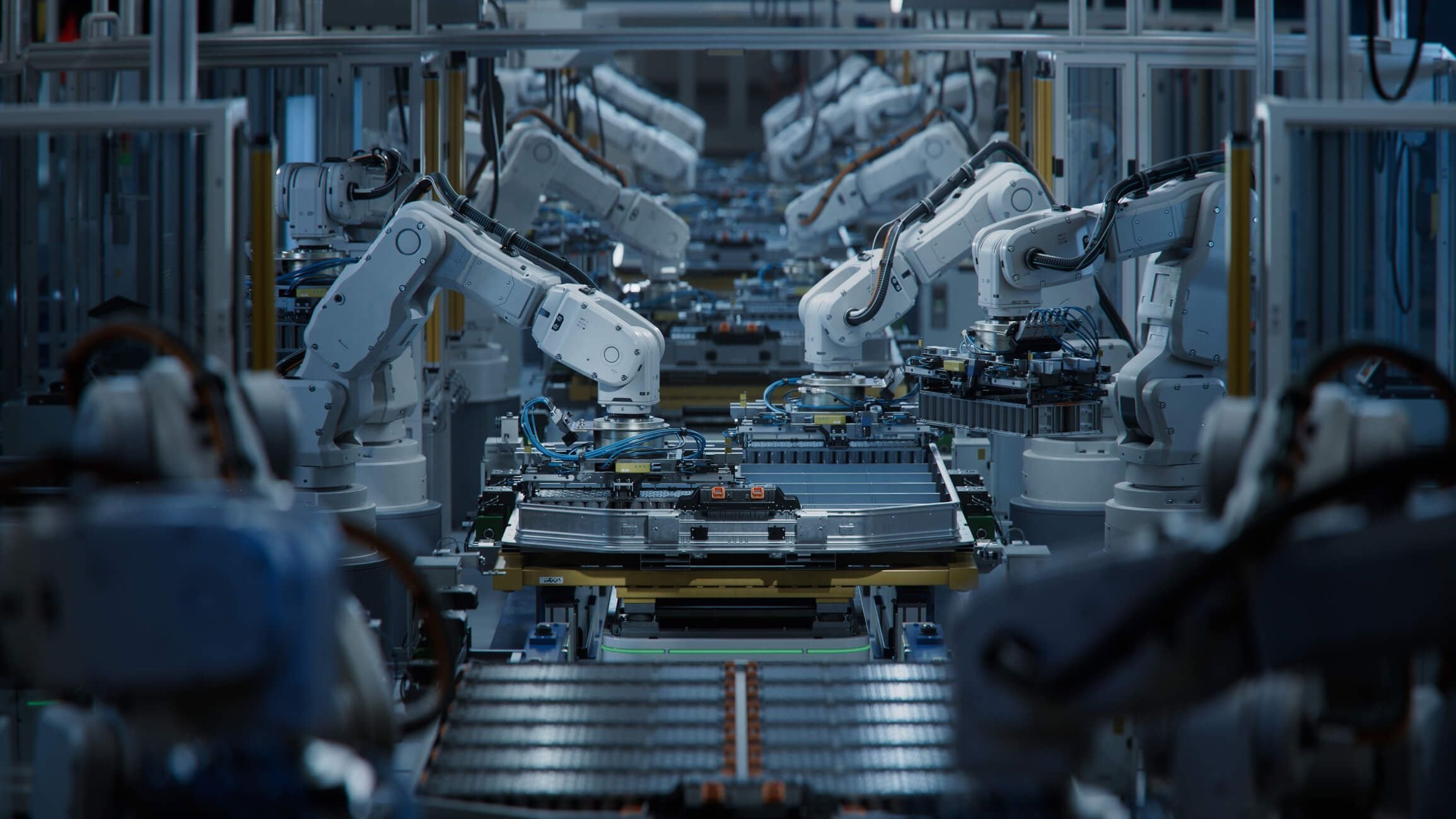
When integrated with wider automation solutions, conveyor belts become part of a comprehensive waste reduction ecosystem. Automated sorting systems with machine vision and barcode or RFID scanning enable precise routing and fewer handling errors. Hybrid solutions combining fixed conveyors with automated guided vehicles and automated mobile robots optimise material flow and reduce unnecessary energy use. Integration with warehouse management platforms, warehouse control systems, inventory management systems, and logistics software ensures full visibility across warehouse facilities. Digital dashboards displaying throughput, quality metrics, and alarm histories help managers identify inefficiencies early.