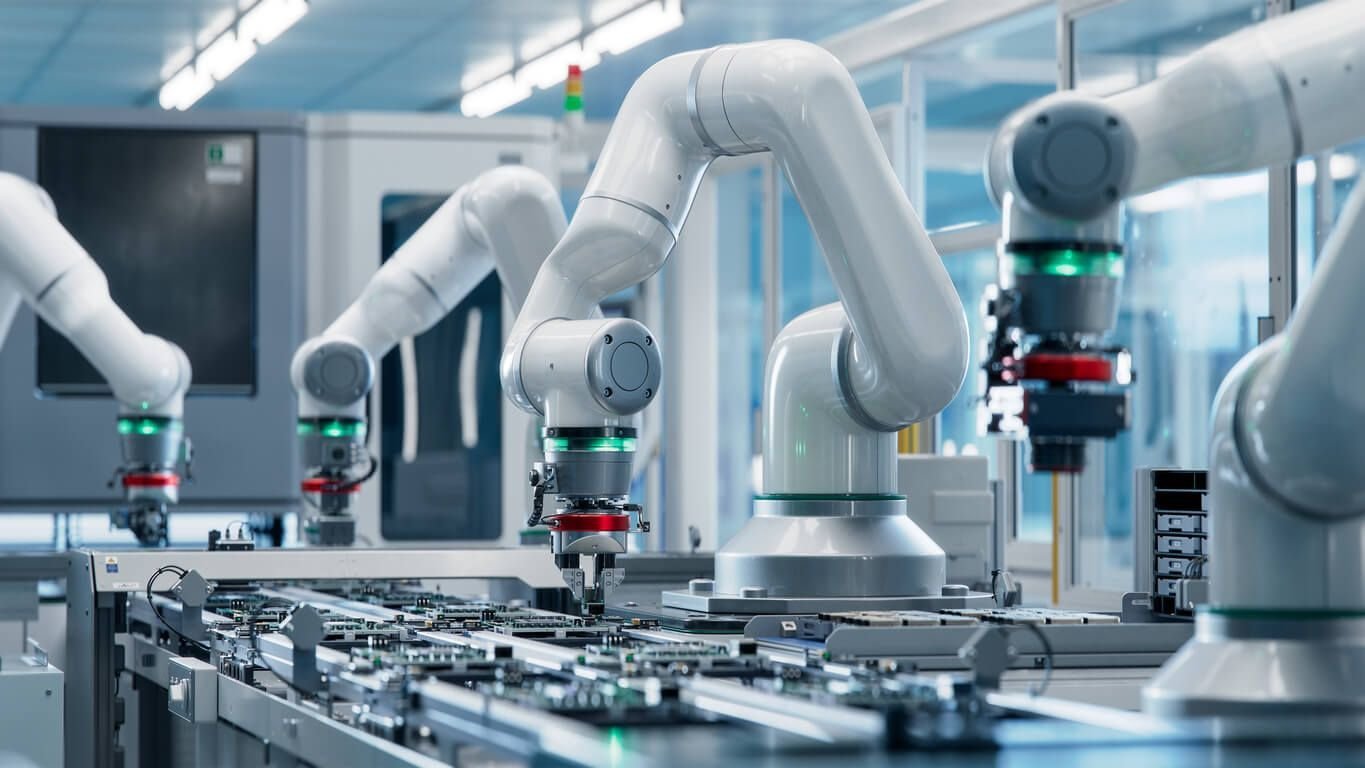
Articulated Robots
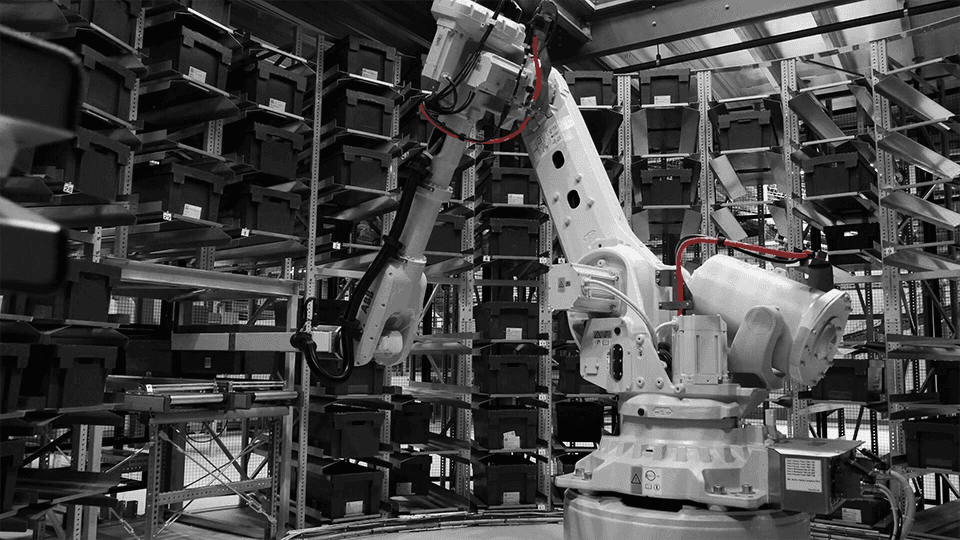
Robotic arms are central to modern robotic manufacturing, bringing precision, speed and consistency to production lines.
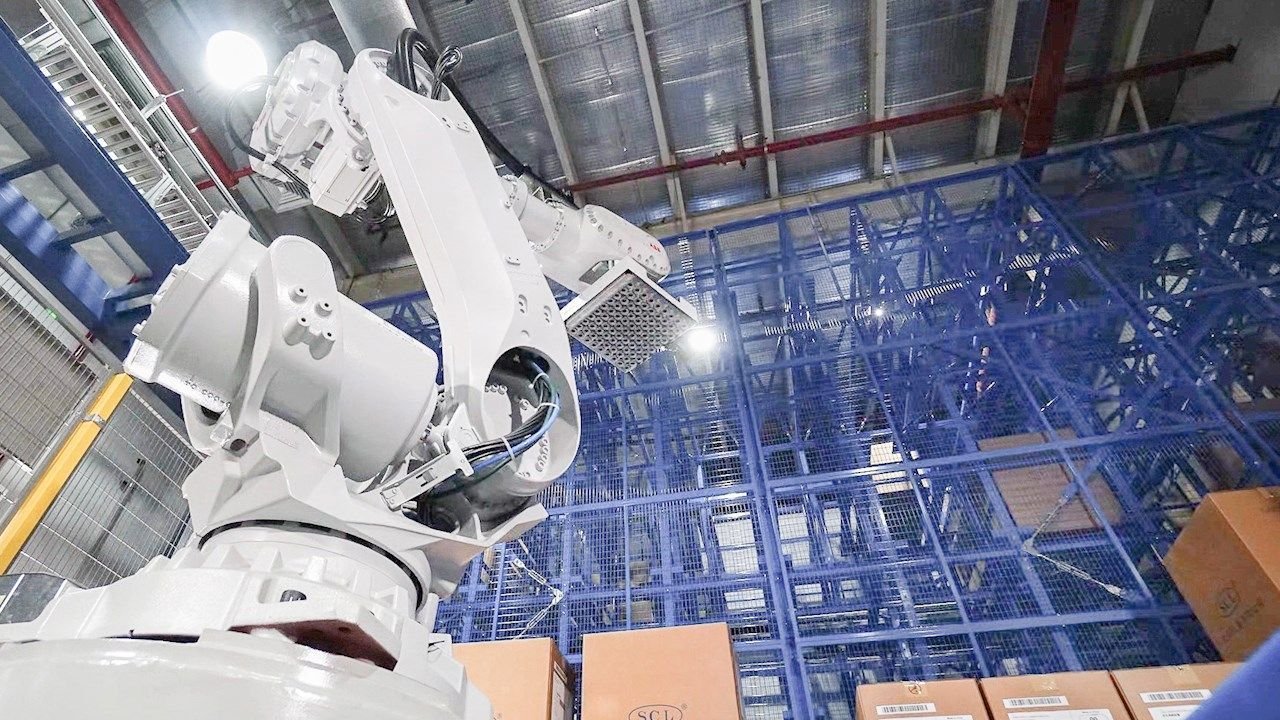
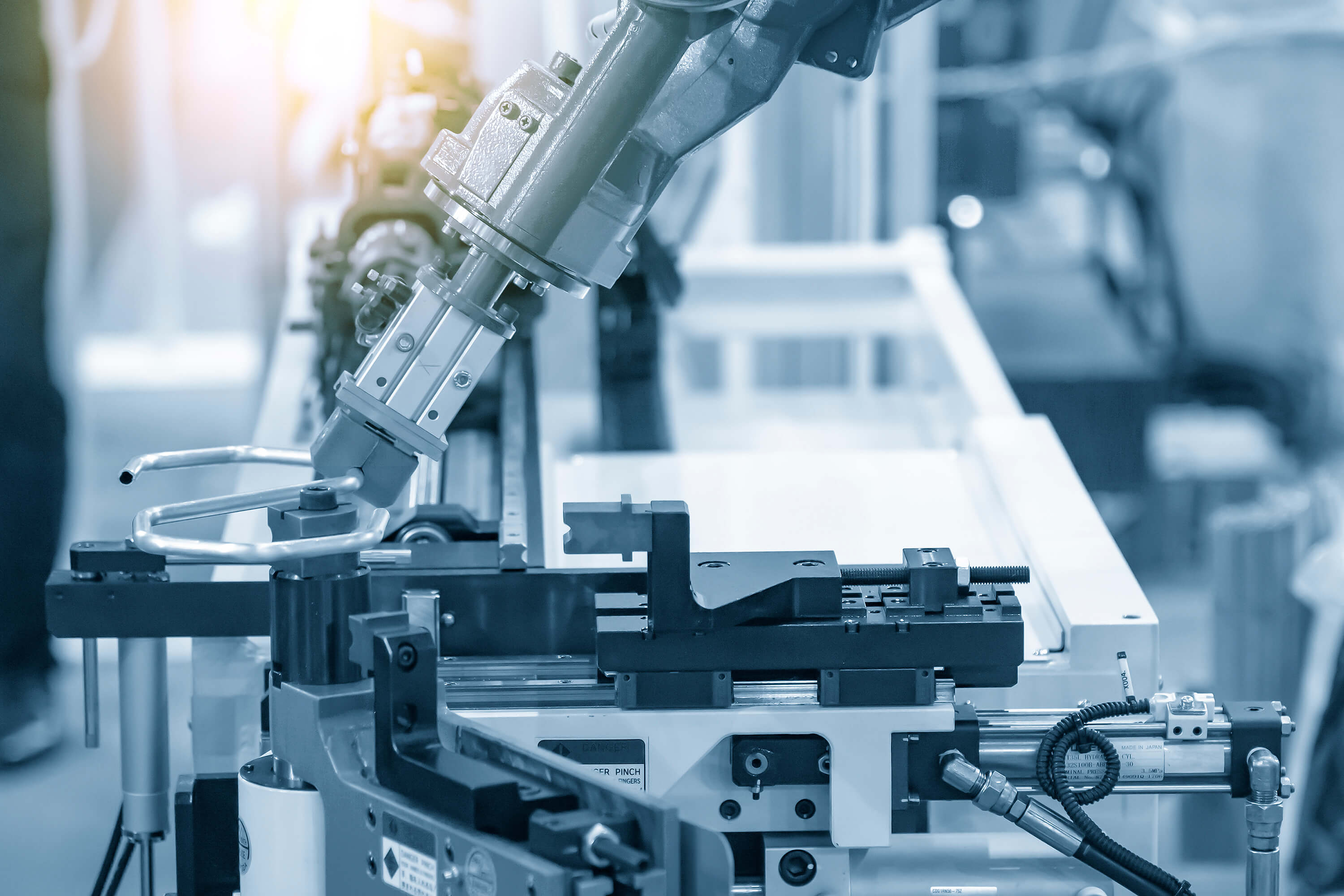
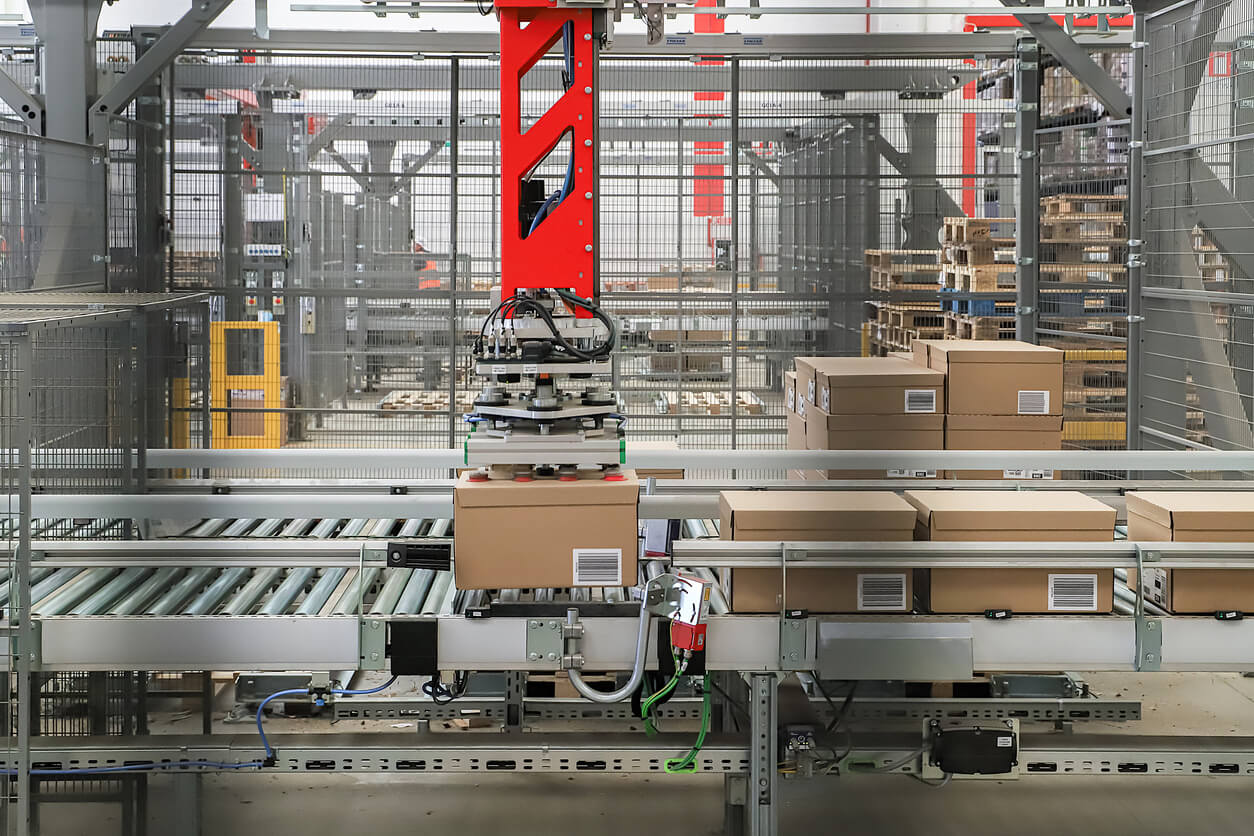
The workhorses of industrial automation, articulated robots feature multi jointed arms with four to six axes, offering exceptional flexibility and range of motion. These six axis robots support high payload handling and full degrees of freedom. They excel at a wide range of applications, including welding processes such as arc and spot welding for automotive and metal fabrication environments. They are widely used in assembly operations, enabling precision component fitting in sectors such as electronics and aerospace. Articulated robots also play a vital role in material handling, transferring parts efficiently between workstations and production cells to maintain consistent workflow.
In addition, they are highly effective in painting and coating applications, delivering uniform coverage while reducing overspray and material waste. Their precision control also makes them ideal for surface finishing tasks, particularly in the production of luxury goods and aerospace grade components where consistency and quality are paramount.