Key Benefits of Connected AS/RS
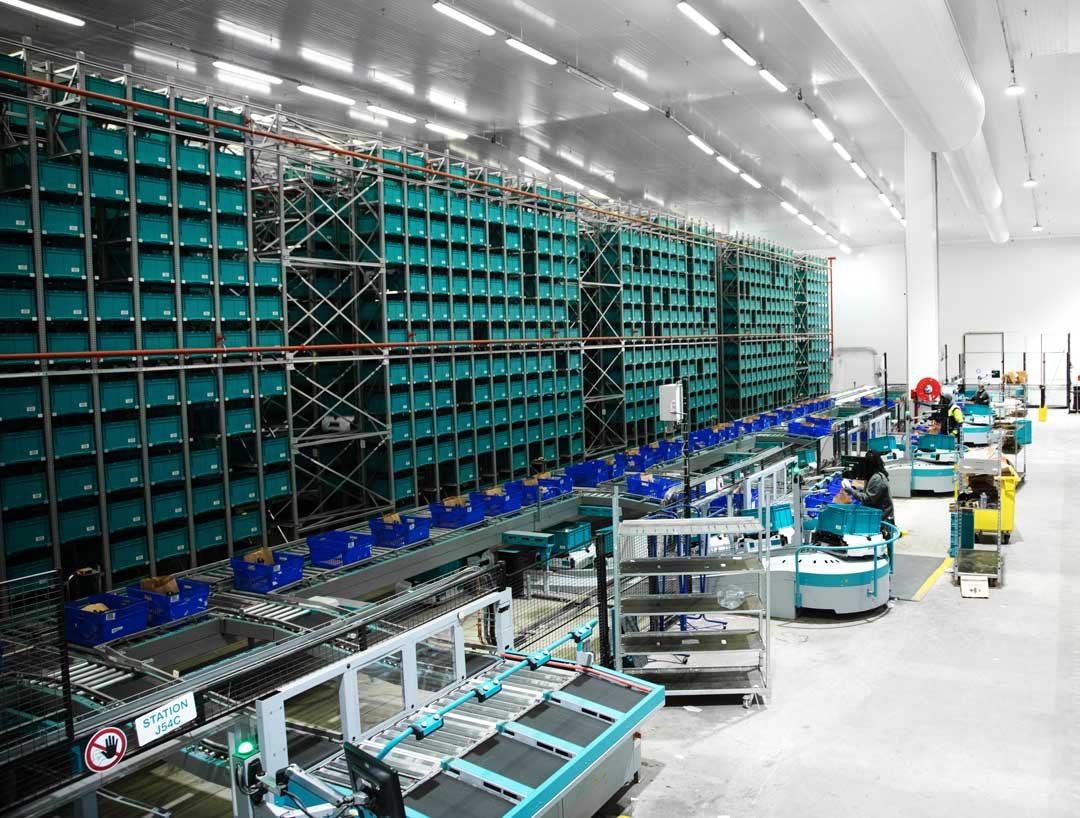
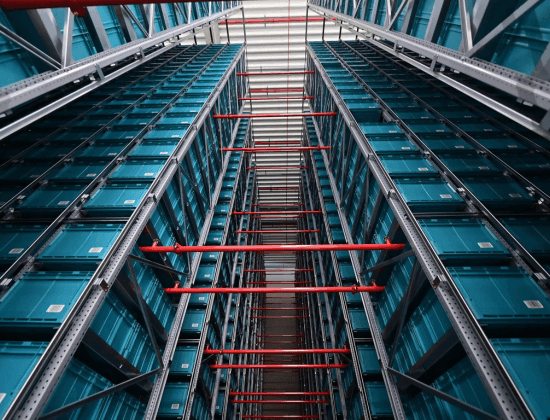
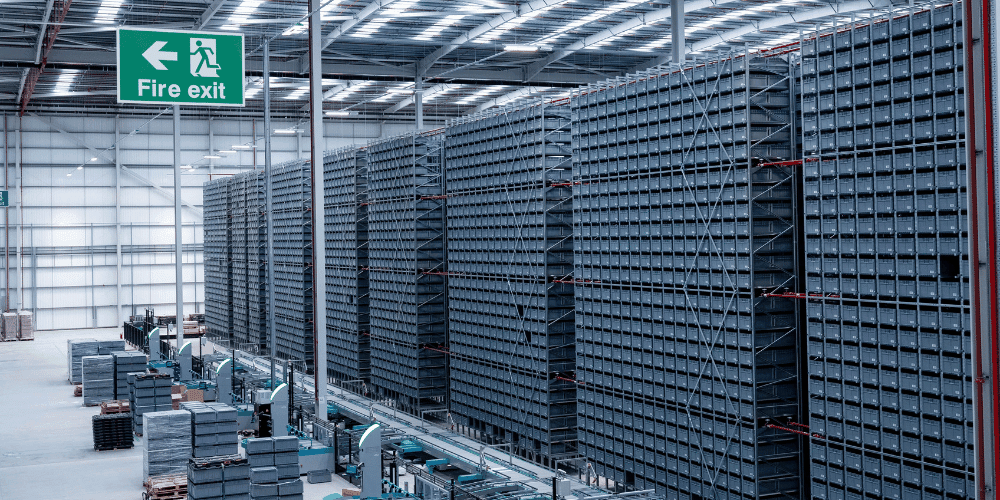
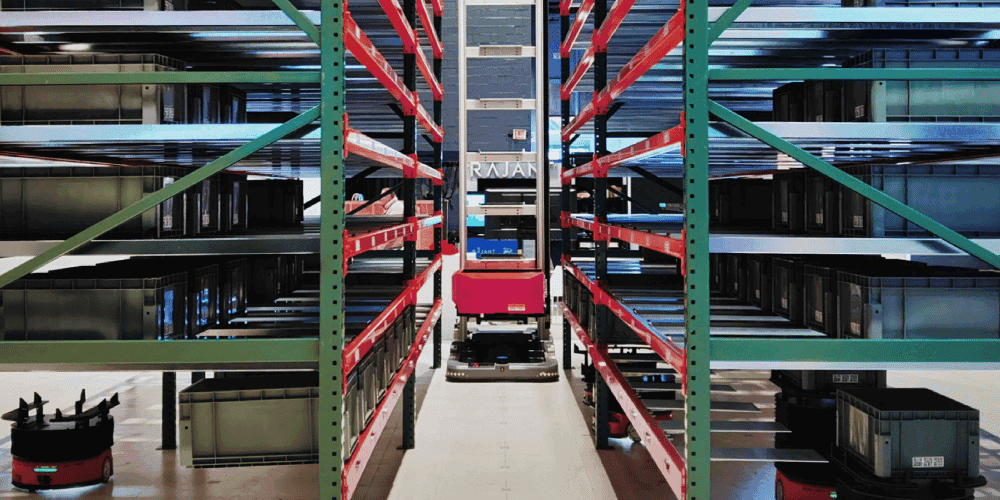
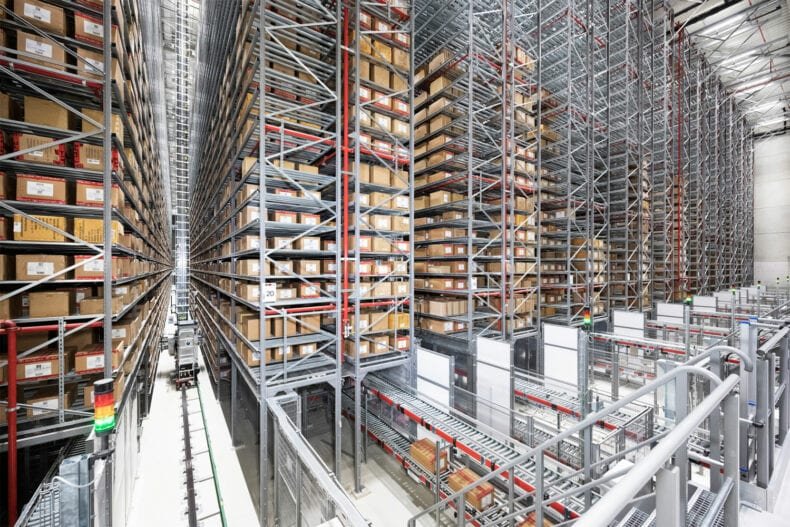
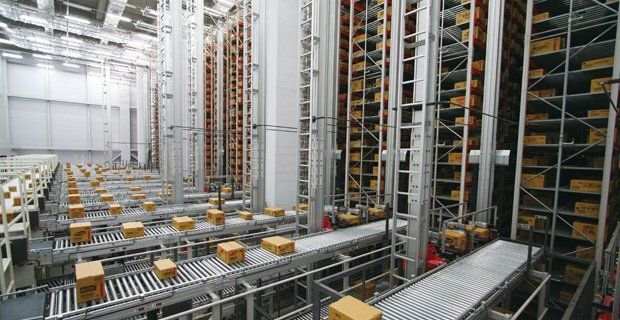
Connected AS/RS solutions deliver measurable operational improvements by transforming how space, labour, and data are utilised within automated warehouses. One of the most immediate advantages is maximised space utilisation. High-density vertical storage reduces overall warehouse footprint while significantly increasing storage capacity, allowing operators to do more with existing infrastructure.
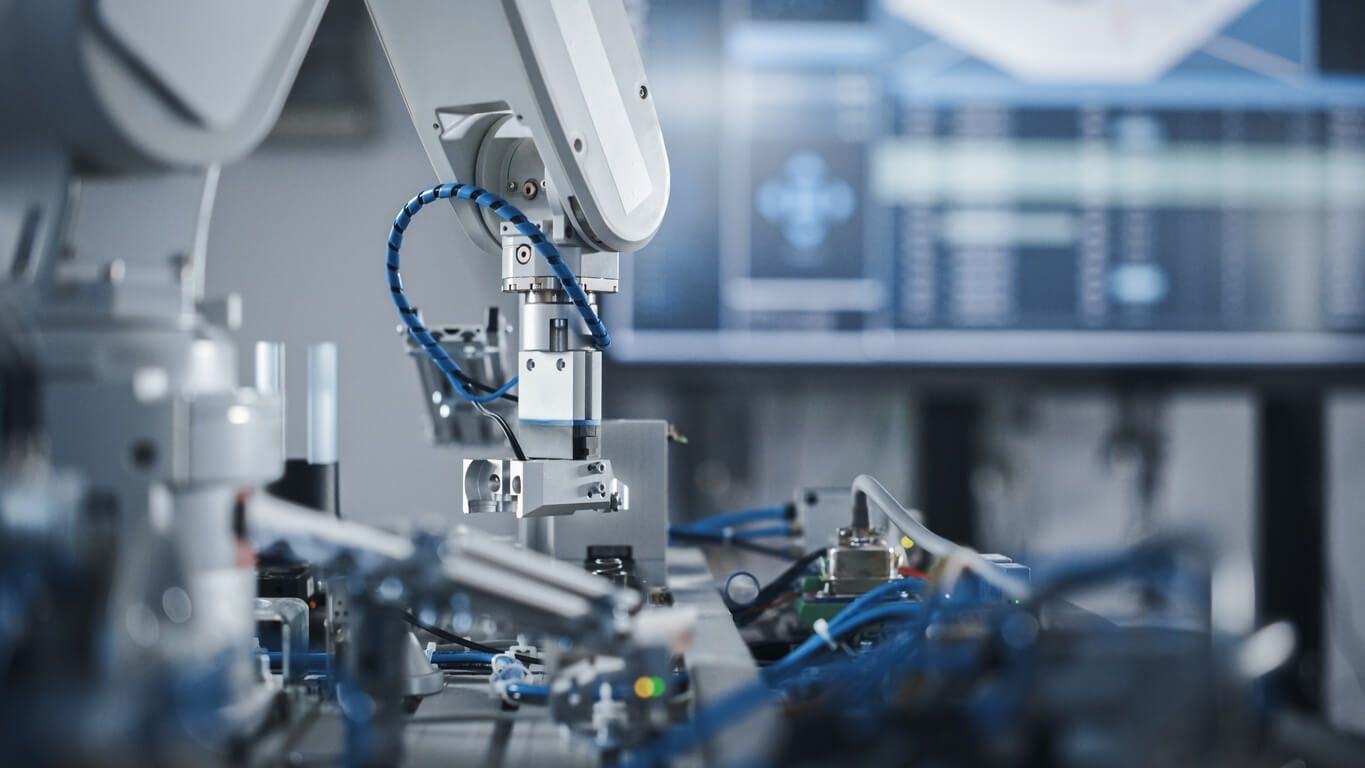
Through continuous automated operation, AS/RS increases throughput by processing orders at a pace that far exceeds manual alternatives. This enhanced speed is matched by improved accuracy, particularly when vision-guided robotics are integrated with AS/RS to reduce picking errors and ensure consistent order precision.
Scalability is another defining strength. Modular systems can expand gradually as demand grows, eliminating the need for extensive structural redesign. At the same time, labour optimisation allows teams to shift away from repetitive manual tasks and into higher-value roles focused on oversight, quality control, and system management.
Real-time visibility provided through integrated dashboards delivers full operational transparency. Advanced data analytics enables faster, more informed decision-making across inventory, fulfilment, and performance management. Over the long term, cost reductions are realised through lower labour dependency, reduced error rates, and optimised energy usage within automated warehouse environments. Automation also improves workplace safety by removing employees from high-risk manual handling areas and repetitive strain activities.
Strategic Implementation Considerations
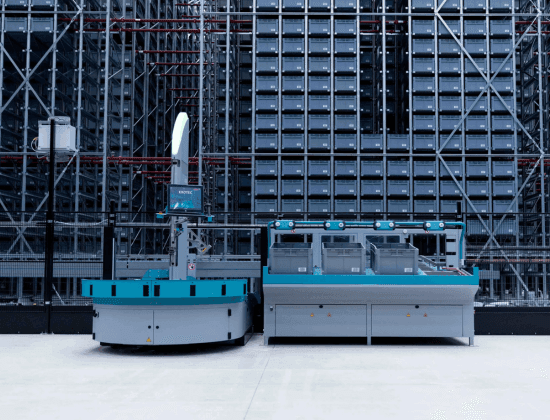
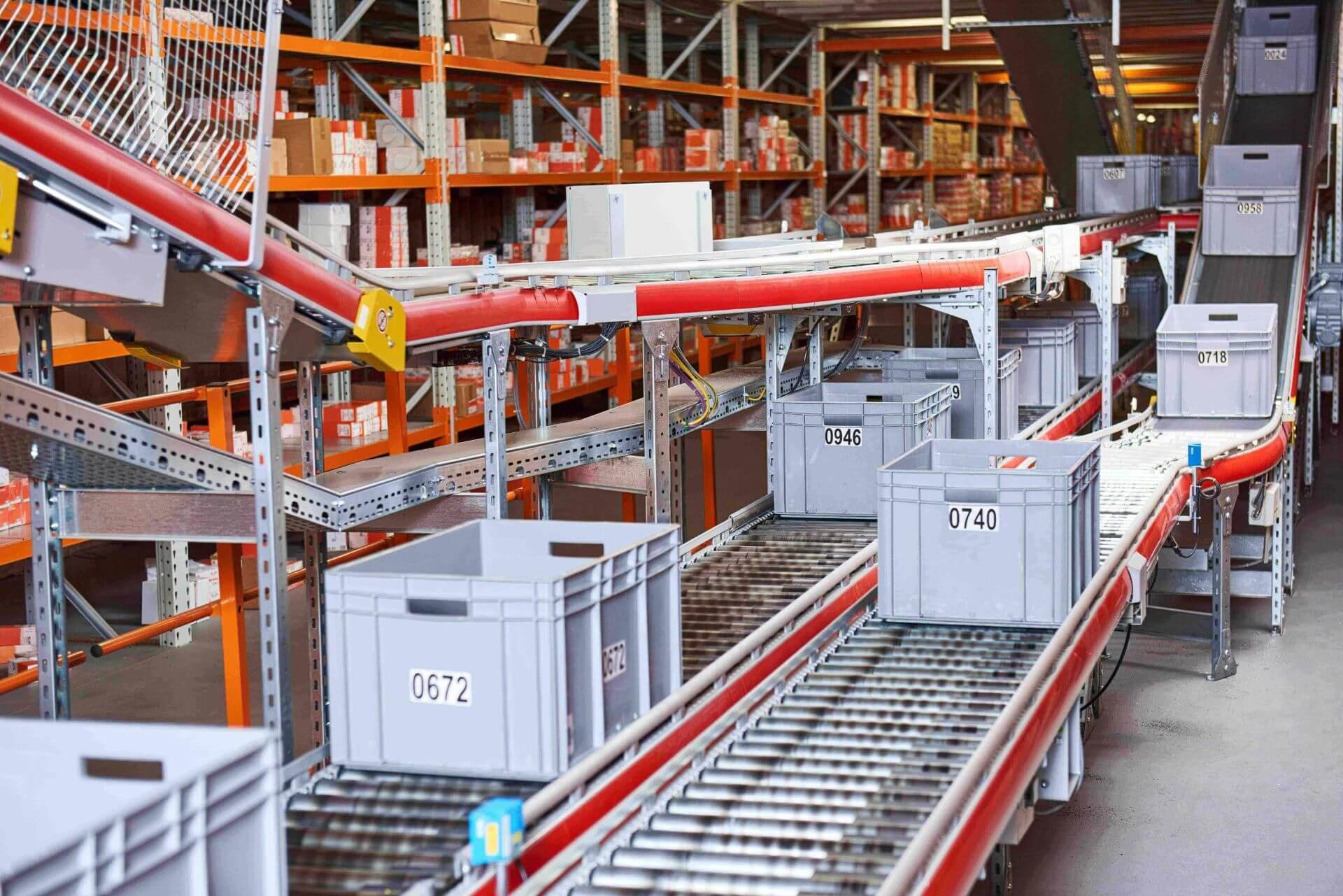
Successfully implementing a connected AS/RS solution requires careful planning and a long-term automation strategy. Integration capabilities should be prioritised, with systems built on open architecture that allows seamless communication with AMRs, AGVs, conveyors, and Warehouse Management Systems. This ensures harmonised workflows across the entire material handling ecosystem.
Scalability must also be considered from the outset. Modular automated warehousing designs enable gradual expansion aligned with production growth and evolving operational requirements. A robust data infrastructure is equally critical, supporting real-time analytics, cloud connectivity, and AI-driven insights that enhance responsiveness and performance optimisation.
Partnering with experienced automation specialists ensures system harmonisation and long-term reliability. Finally, workforce development remains essential. Employees should be trained to manage automated workflows, oversee maintenance, and monitor performance across integrated solutions, ensuring technology and human expertise operate in alignment.