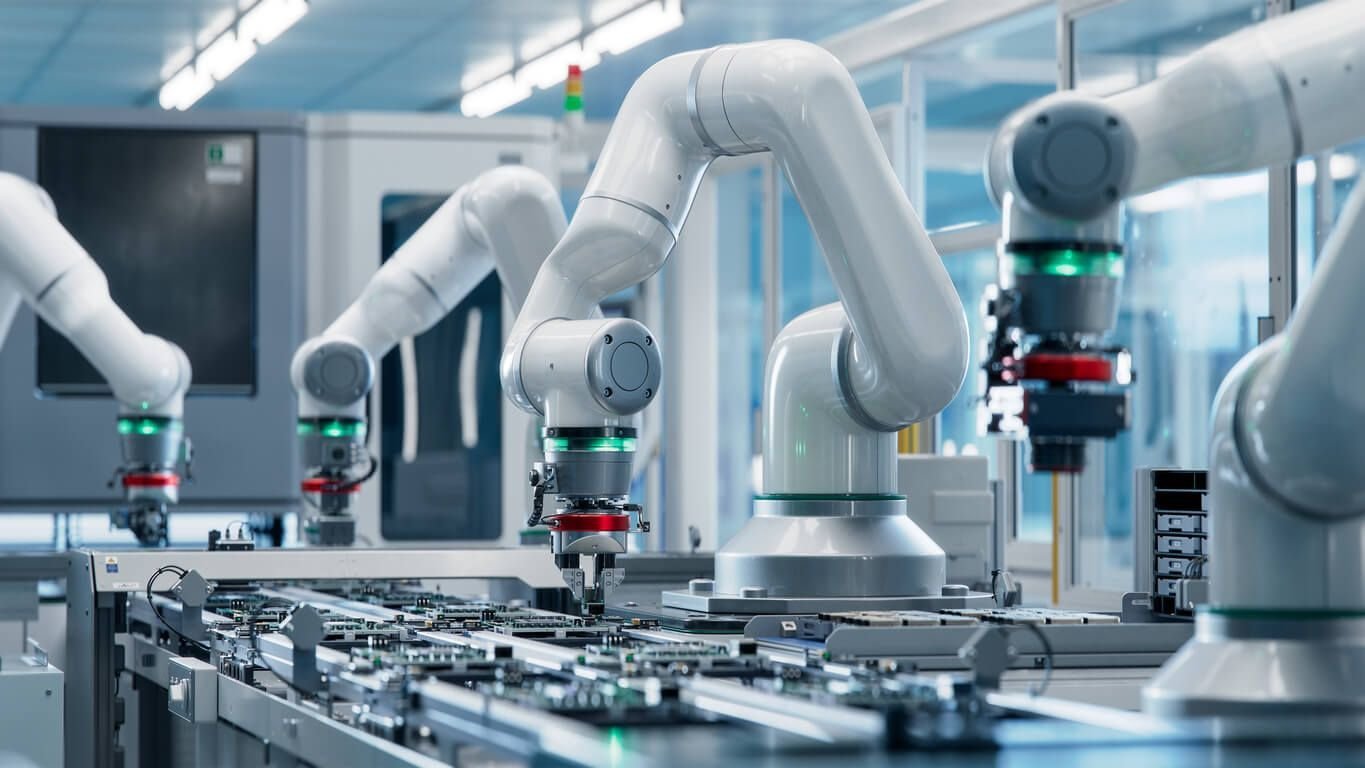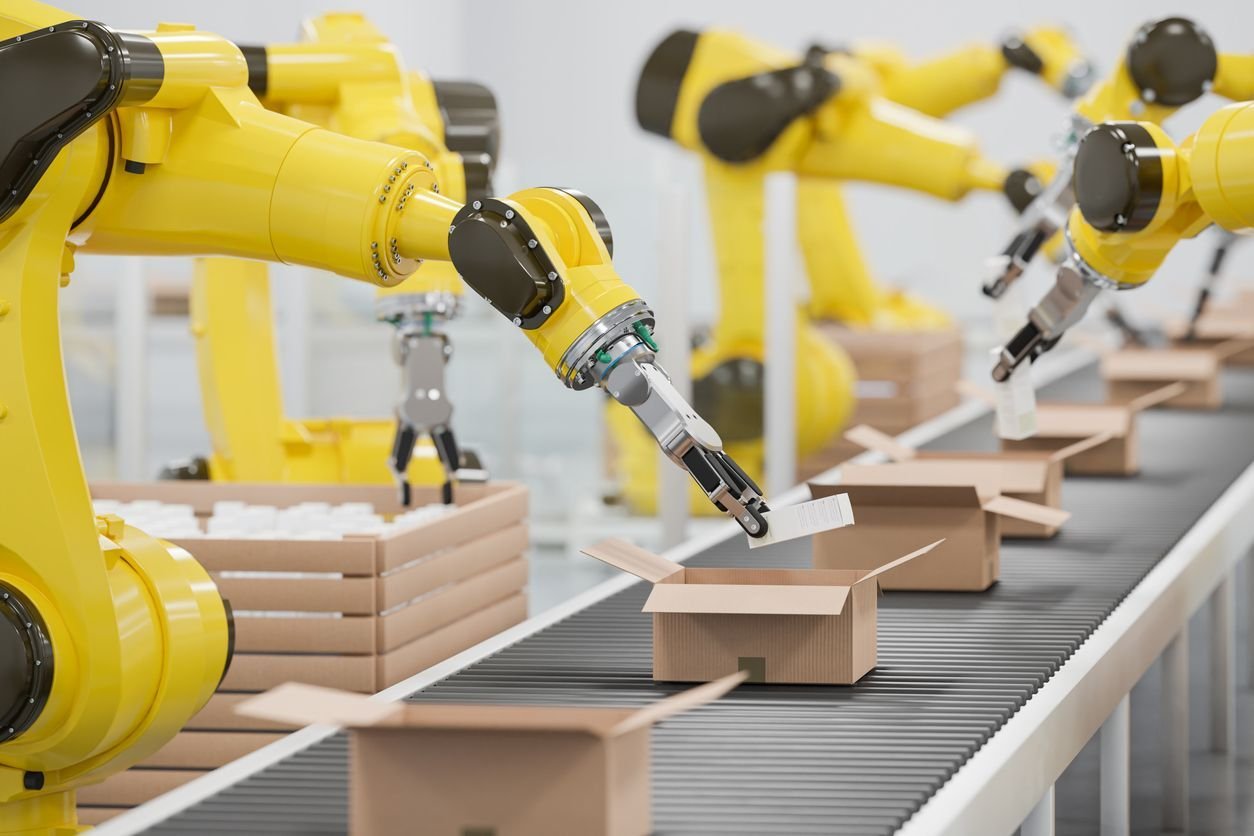
Industrial robotic arms performing automated box packing on a conveyor system in a high-speed packaging automation environment.

The Rise of Robotics in Modern Packaging

The packaging industry has undergone a remarkable transformation over the past decade. What was once a labour intensive sector reliant on manual processes has evolved into a highly automated environment where robotics play a central role. For businesses operating high volume packaging lines, the integration of robotic systems has become less of a competitive advantage and more of a necessity across the wider automation landscape.

The shift towards automation is driven by clear economic and operational pressures. Companies face increasing demand for faster throughput, tighter quality control, and the flexibility to handle diverse product ranges without significant downtime. Robotics in packaging lines addresses these challenges whilst simultaneously reducing long term operational costs and improving production efficiency across the supply chain.

The Evolution of Packaging Automation

Traditional packaging lines required significant human intervention at multiple stages, from material handling to final boxing. This approach worked for smaller operations but quickly became a bottleneck as production volumes increased. Human workers have inherent limitations in speed, endurance, and consistency over long shifts on a production line or assembly line.


Automated packaging lines supported by articulated robots, SCARA robots, collaborative robots, and pick and place robots can outperform manual processes by 30 to 50 percent depending on the application. These gains stem not only from raw speed but from the removal of natural variations in human performance.

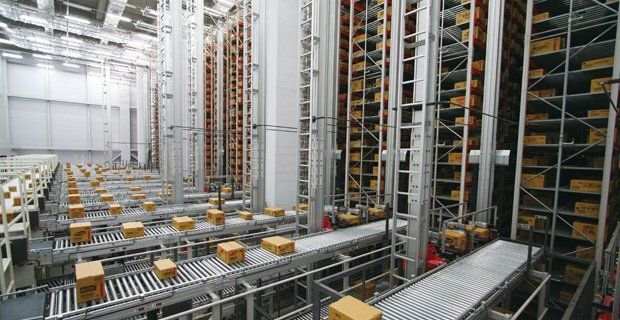
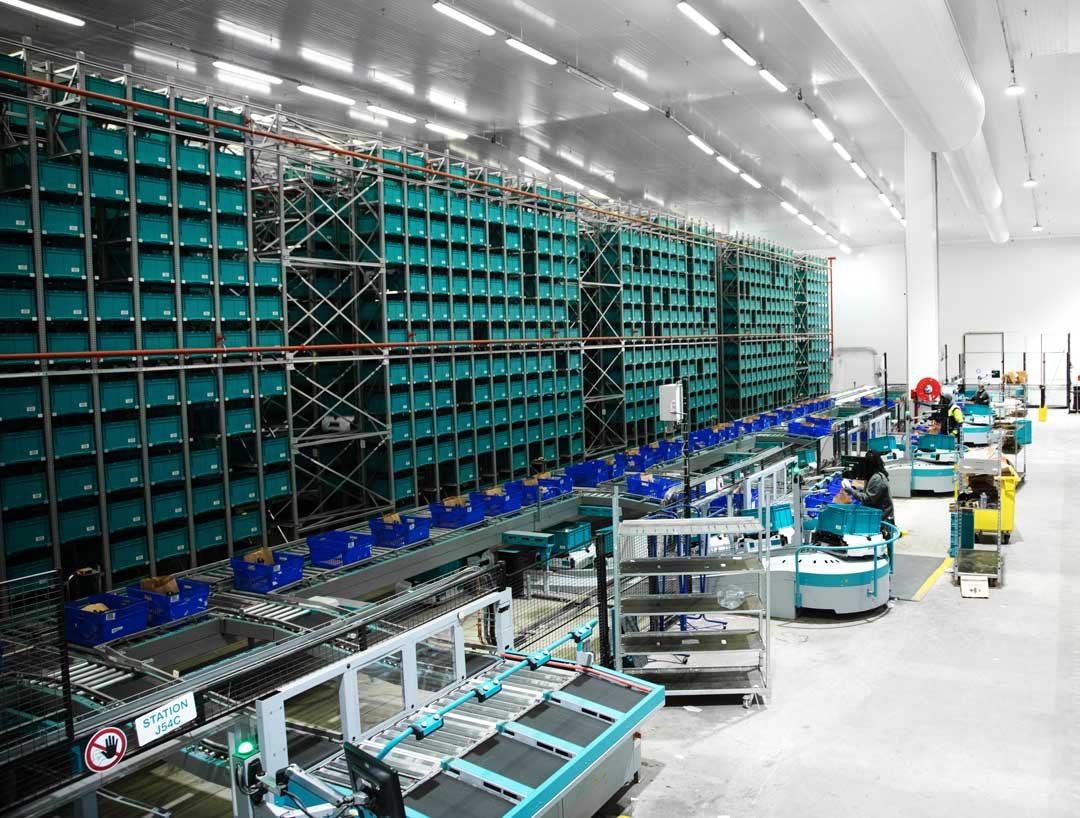
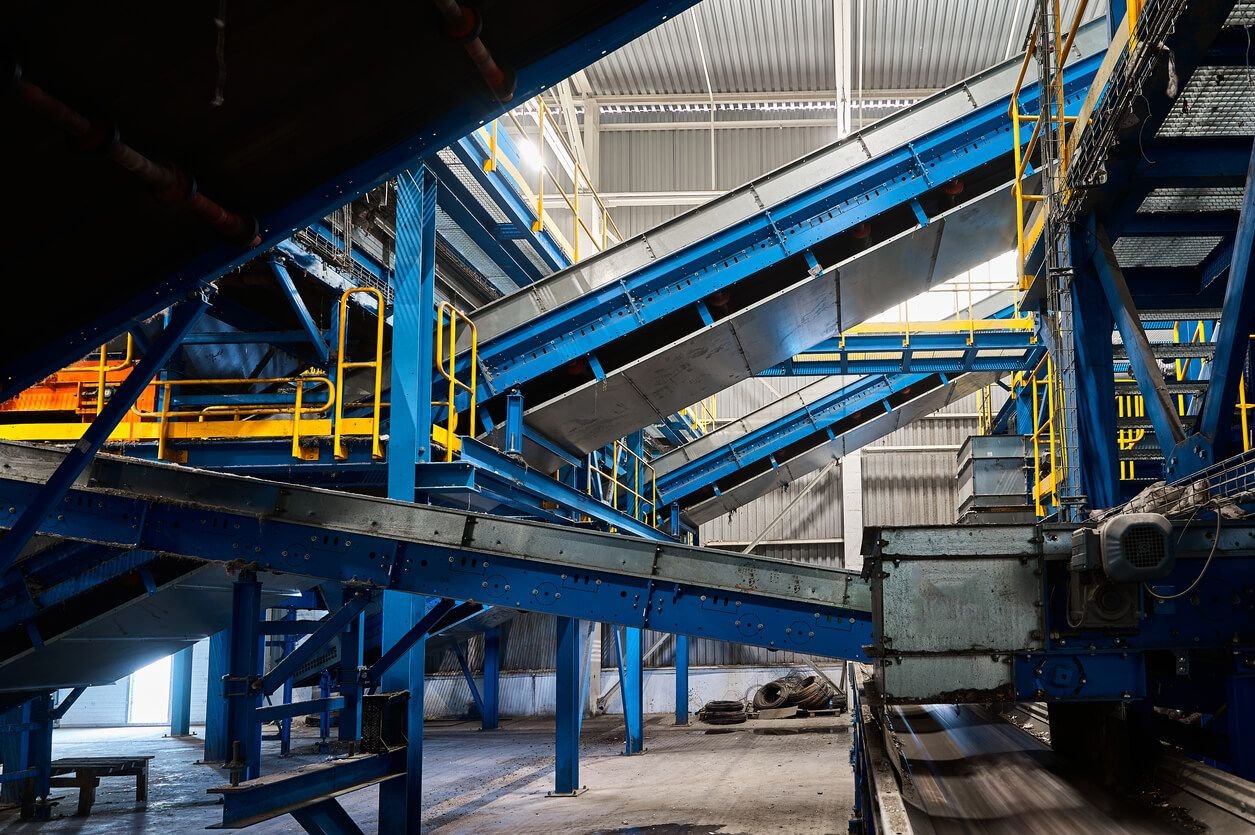
Automated conveyor packaging system moving sealed cartons through an enclosed production line for consistent high-volume output.

Modern robotic systems have evolved far beyond basic pick and place applications. Today’s robotic packing machines and robotic case packers integrate vision technologies, image processing systems, and artificial intelligence, enabling them to handle delicate products, manage irregular shapes, adjust to variation, and operate with real time integration across primary packaging, case packing, and product packaging workflows.


Speed Without Compromise


High speed robotics represent one of the most visible advantages of automated packaging. Delta based pick and place robots, for example, can reach up to 300 picks per minute in optimal conditions. This capability is essential in food, beverage, and fast moving consumer goods environments where millions of identical units move through the line. Yet speed alone is not enough. Robotics deliver value by combining high throughput with unwavering precision. A robotic arm can repeat the same motion thousands of times per hour with sub millimetre accuracy, never slowing down or drifting off target. This consistency directly reduces waste, one of the major inefficiencies in packaging environments. Incorrect placements, damaged items, underfilled packs, and misaligned cases all represent material loss and cost. Robotic systems reduce these errors to near zero, with many facilities reporting defect rates below 0.1 percent after installation.


How high speed robotic systems reduce waste:


Consistent placement accuracy

Reduced product damage during handling

Stable performance across long production cycles

Better compliance with industry regulations on packaging quality

Accuracy in Complex Packaging Environments

Modern packaging environments are rarely uniform. Brands increasingly offer variety packs, mixed product configurations, promotional bundles, and frequent SKU changes, all of which add complexity to packaging operations. Managing these variations manually significantly increases the risk of errors while slowing overall throughput and reducing efficiency.


Robotic systems equipped with advanced vision technologies address these challenges by identifying products based on shape, colour, barcode, or pattern, and then sorting and packing them according to predefined rules. Vision cameras and automated visual inspection systems ensure that each product is correctly aligned, properly oriented, and fully verified before progressing to the next stage of the packaging process.


In highly regulated industries such as pharmaceuticals, where strict compliance standards must be met, robotics provides even greater value. Vision-enabled pick and place robots can confirm correct dosage, documentation, labelling, and product variants prior to sealing, creating a fully traceable workflow that supports regulatory compliance and minimises risk.


Key accuracy benefits include AI-driven classification for mixed SKU packaging, vision-based verification to eliminate packing errors, automated tracking systems that support regulatory compliance, and real-time detection of incorrect or missing components to prevent costly downstream issues.

Consistency Across Shifts and Demand Peaks

Maintaining consistency across shifts and periods of peak demand is a persistent challenge for many manufacturers. Variations in staffing levels, seasonal recruitment, and human fatigue can all impact productivity and quality. While human performance naturally fluctuates, robotic systems deliver uniform results hour after hour, regardless of shift patterns or production pressures.


A robot performs identically during the first hour and the eleventh hour of operation. It does not require breaks, recovery time, or additional supervision once processes are stabilised. Maintenance can be scheduled strategically during planned downtime, ensuring minimal disruption to production schedules. When properly maintained, robotic cells can achieve uptime rates exceeding 95 percent across continuous operations, supporting stable and predictable output.

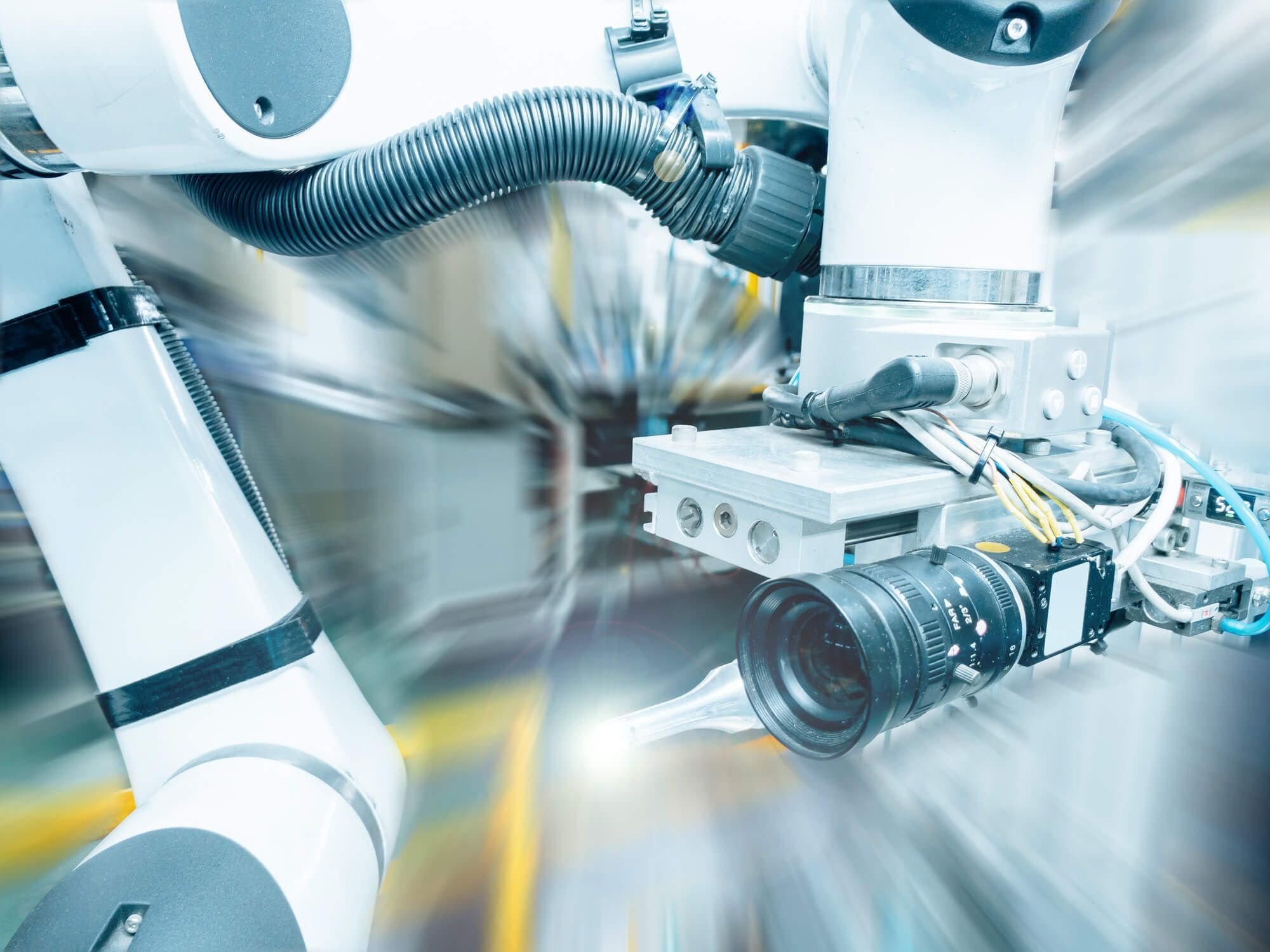
Close-up of vision-guided robotic packaging system with industrial camera supporting real-time inspection and automation integration.

By removing the human factors that contribute to inconsistency, robotics eliminates fatigue-related errors, productivity fluctuations between shifts, and the recurring training costs associated with seasonal staffing. It also reduces variability in manual quality control processes, ensuring consistent packaging standards and operational reliability even during high-demand periods.


Flexibility for Future Packaging Demands


The packaging sector is evolving quickly. E commerce growth has increased demand for custom pack sizes, while sustainability initiatives require lighter, recyclable materials. Product lifecycles are shortening, and packaging formats change more frequently.


Robotic systems support this need for agility. Reprogramming a robot for a new product format typically requires hours rather than days. Many systems now include quick change end effectors for instant transitions between pack types. Collaborative robots have also opened new possibilities in cobot packaging, allowing safe interaction with operators during semi automated workflows.

Robotics support flexibility through:


Rapid setup for new SKUs

Easily adjustable pick and place parameters

Fast tooling changeover for case packing and primary packaging

Scalable integration with Autonomous Mobile Robots transporting goods

Integration Considerations for Packaging Robotics

Successful integration of packaging robotics requires careful planning around space, workflow design, and system compatibility. Robotic case packers, SCARA robots, and pick and place systems must align seamlessly with upstream processing equipment and downstream palletising operations to ensure continuous and efficient material flow. Real-time integration with conveyor systems, vision cameras, and Warehouse Management Software is essential to maximise automation performance and maintain synchronised production.


Training maintenance personnel is equally important, as system uptime and long-term reliability depend on proper servicing and preventative maintenance. Although integration requires detailed preparation, the return on investment for high-volume operations is often realised within two to three years. Beyond this point, ongoing labour savings, reduced material waste, improved accuracy, and increased operational efficiency continue to deliver substantial long-term value.

Automated conveyor packaging system moving sealed cartons through an enclosed production line for consistent high-volume output.

Key integration success factors include alignment with the existing production line layout, real-time data flow from vision technologies, synchronisation with material handling systems, and compatibility with Autonomous Mobile Robots to support fully connected, end-to-end automation.