ASRS-warehouse-automation-solution

Why ASRS Performance Drops as SKU Profiles Change

Across UK warehousing and distribution operations, automated storage and retrieval systems (ASRS) are designed and commissioned against a defined set of assumptions about inventory composition, product velocity, and order characteristics. These assumptions are typically accurate at the point of go-live, reflecting the operational reality at that specific moment. However, SKU profiles are not static; they evolve continuously as product ranges expand, consumer preferences shift, and market conditions change. ASRS SKU variability is one of the most common and least anticipated causes of performance degradation in automated storage systems, and its effects compound over time if not actively managed.

This is true across a wide range of ASRS Technology, from shuttle systems and unit load ASRS installations to Vertical Lift Module applications and other warehouse automation solutions. As SKU behaviour changes, the software logic, storage patterns, and handling assumptions that once supported efficient order fulfillment can begin to drift out of alignment with real warehouse operations.

How SKU Profiles Affect ASRS Performance

The performance of an ASRS is directly linked to the characteristics of the inventory it manages. Storage and retrieval algorithms are optimised for a specific distribution of SKU velocities, dimensions, and access frequencies at the time of commissioning. When these characteristics change, the assumptions embedded in the system's logic no longer hold, and the gap between optimal and actual performance begins to widen.


High-velocity SKUs may shift position in the ranking as product popularity changes, new SKUs may be introduced that do not fit established storage patterns or size categories, and seasonal variations may alter the balance between fast-moving and slow-moving inventory.

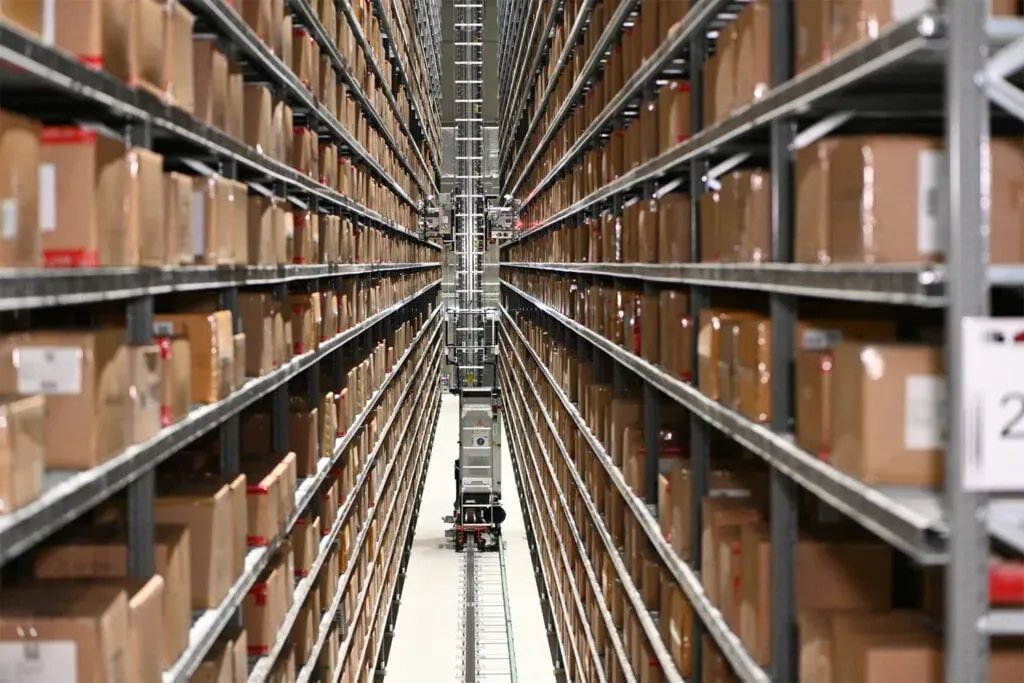
High-speed AS/RS shuttle system moving totes within dense warehouse racking, integrated with conveyor lines transporting parcels for automated sortation and fulfilment

Each of these changes affects how efficiently the system can store and retrieve products, and the cumulative impact can be substantial. What begins as a minor mismatch between the algorithm's assumptions and operational reality grows into a measurable throughput deficit if not addressed proactively.


This problem is especially visible in operations that depend on tight inventory management, fast order picking, and stable automated workflows. In environments such as distribution centers, cold storage, and other high-demand warehouse operations, even modest SKU drift can have a disproportionate effect on order fulfillment performance.


The Impact of ASRS SKU Variability on Storage Allocation

Most ASRS installations use some form of velocity-based storage allocation, placing fast-moving items in locations that minimise retrieval time and positioning slower-moving inventory in less accessible locations. When SKU velocity profiles change, items that were once optimally placed become suboptimally located. Former fast movers end up in deep or distant positions, while products that have slowed in demand continue to occupy prime retrieval slots.


Without regular reoptimisation of storage allocation, the system's effective throughput declines as the gap between the current storage layout and the actual demand profile widens.

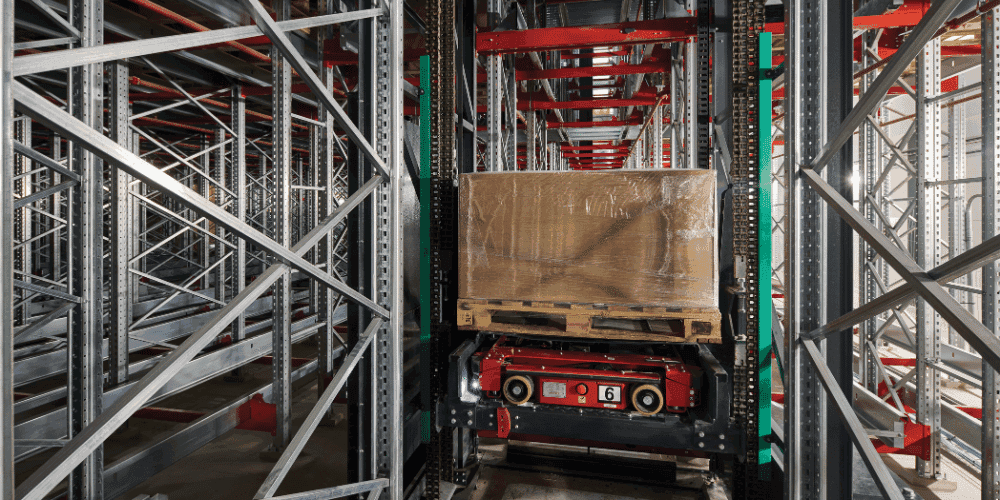
Automated storage and retrieval system (ASRS) shuttle transporting a wrapped pallet within a high-density warehouse racking structure, illustrating material handling under peak seasonal demand conditions

This degradation is gradual and often goes unnoticed until performance metrics fall significantly below target, at which point a substantial reallocation effort may be required to restore performance. By that stage, the cumulative cost of lost productivity can far exceed the cost of the reoptimisation itself.
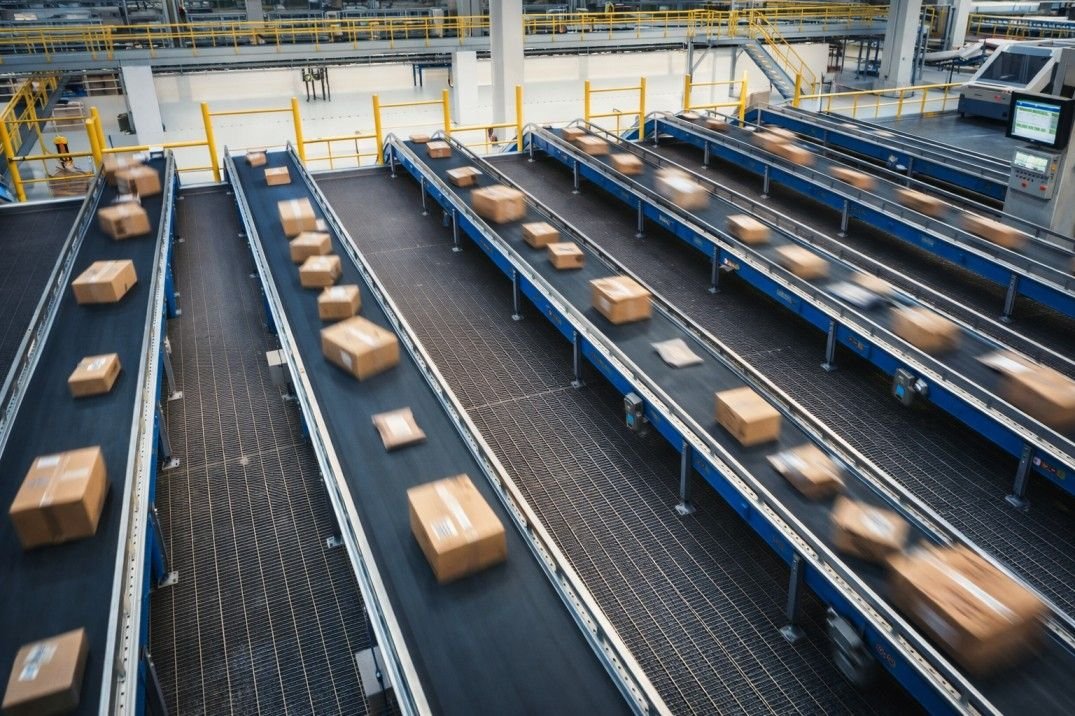
 

This is one reason storage density and accessibility need to be reviewed together. A layout designed for efficient vertical storage or high-density automated storage retrieval system performance can become less effective as SKU demand patterns shift away from the assumptions used during commissioning.

Dimensional Variability and Its Effects

SKU changes are not limited to velocity. New products may have different physical dimensions, weights, or packaging characteristics that affect how they interact with the ASRS hardware. Totes or pallets may no longer fit efficiently in their assigned locations, load stability may be compromised by products that sit differently in their containers, and handling equipment may require adjustment to accommodate changed product characteristics.


ASRS SKU variability in physical characteristics can also affect the accuracy of weight checks, barcode scanning, and vision systems used for product identification and verification, introducing error rates that further reduce effective throughput and increase the frequency of manual intervention. Operations with rapidly evolving product ranges are particularly vulnerable to these effects and should plan for regular system review cycles.


This can be particularly disruptive in systems using robotic handling, pallet shuttle systems, Vertical Lift Modules, or other tightly specified hardware where product dimensions and presentation are assumed to remain relatively stable.

Strategies for Managing SKU Profile Changes


These measures become more effective when supported by strong software integration between warehouse management systems, the warehouse control system, and the ASRS control layer itself. In more advanced operations, predictive maintenance can also help flag the indirect effects of SKU variability by identifying patterns in stoppages, error frequency, or wear that emerge as product behaviour changes.

Maintaining ASRS performance in the face of evolving SKU profiles requires proactive and systematic management:

Dynamic slotting

Dynamic slotting implements software that continuously reassigns storage locations based on current velocity data, rather than relying on the initial allocation established during commissioning.

Regular profile analysis

Periodically reviewing SKU velocity distributions, dimensional data, and order patterns to identify shifts that warrant system adjustments before performance degrades significantly.

Flexible storage design

Specifying ASRS racking and tote configurations that accommodate a range of product sizes rather than being optimised exclusively for a single profile that may change.

Drive component wear

Motors, gearboxes, clutches, and the wider Conveyor Drive arrangement lose efficiency gradually, reducing the torque and speed available to each zone.

Software updates and tuning

Ensuring that storage and retrieval algorithms are updated to reflect current inventory characteristics, not the assumptions from the original specification that may no longer be valid.

Sustaining ASRS Performance Through Change

As UK operations manage increasingly dynamic product portfolios, recognising that ASRS SKU variability is an ongoing operational challenge, not a one-time design consideration, is essential. Investing in adaptive software, regular performance analysis, and flexible hardware design ensures that ASRS installations continue to deliver the throughput, accuracy, and operational efficiency they were designed to achieve throughout their operational life.


The strongest long-term outcomes come when ASRS is treated not as a fixed installation, but as part of a broader automation strategy. That means aligning warehouse automation, inventory management, software integration, and warehouse solutions around the reality that SKU profiles will change.

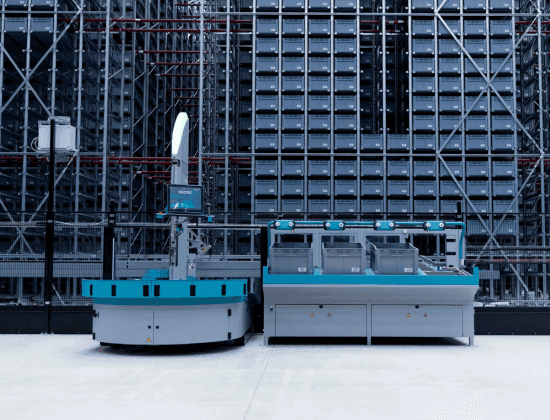
Automated storage and retrieval system operating in a smart warehouse automation environment to optimise inventory and improve picking accuracy

When that is planned for from the outset, the system is far better positioned to sustain performance across changing order patterns, distribution centers, and evolving warehouse operations.

Is Your ASRS Still Running on Year-One Logic?

SKU profiles evolve, but system logic often stays static. Stop normalising throughput drops and speak to our engineers about dynamic reslotting and software tuning to align your automation with today’s inventory reality.