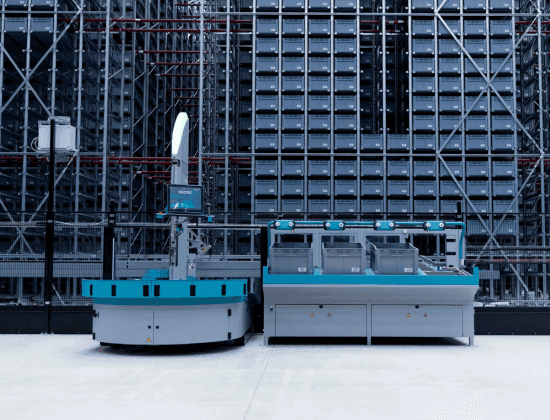
asrs warehouse

Why ASRS Throughput Is Dictated by Software, Not Cranes

Across UK warehousing and logistics operations, the specification of automated storage and retrieval systems (ASRS) often centres on the physical hardware: crane speed, shuttle velocity, racking height, and the number of aisles. These mechanical parameters are important and provide the physical capability of the system. However, they rarely determine the actual throughput achieved in production. ASRS throughput is overwhelmingly dictated by the software layer that manages task scheduling, storage allocation, and coordination between system components, and this reality is frequently underappreciated during procurement and specification.

This is true across a wide range of ASRS Technology, from stacker crane and shuttle system configurations to Unit-load ASRS, Mini Load AS/RS, Vertical Lift Module installations, and other ASRS storage system formats. In each case, the headline hardware capability matters, but storage throughput depends on how effectively the software orchestrates the full system.

Why Mechanical Speed Does Not Equal System Throughput

A crane or shuttle has a defined maximum travel speed, acceleration profile, and cycle time for a single storage or retrieval operation. These figures are measurable and often prominently featured in equipment specifications and vendor proposals. However, the throughput of the ASRS as a whole depends on how effectively the software orchestrates the sequence of tasks across all cranes, shuttles, and conveyors simultaneously.


A crane moving at full speed on an inefficiently sequenced task list will deliver less throughput than a slower crane operating under a well-optimised task schedule. The software determines how much of the hardware's mechanical capability is productively utilised versus how much is consumed by empty travel, waiting, and suboptimal sequencing. 
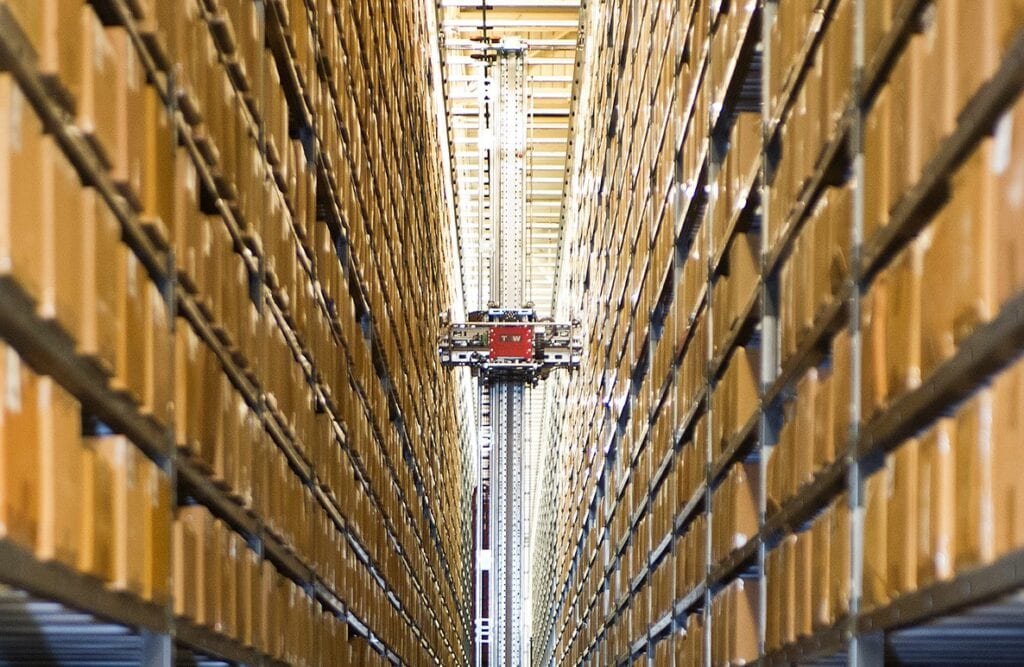
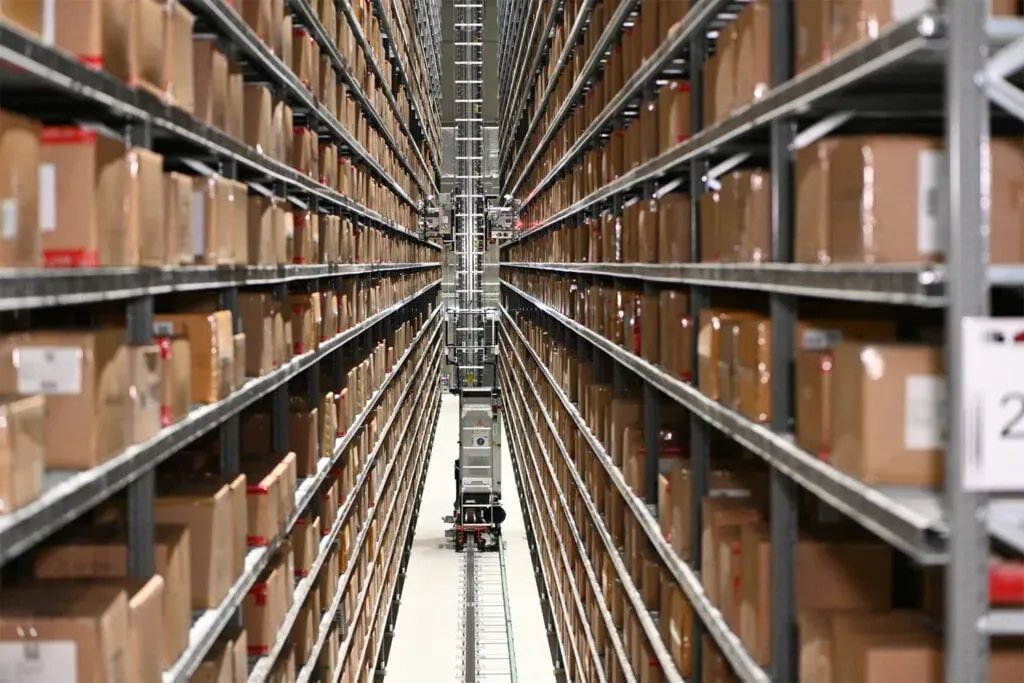
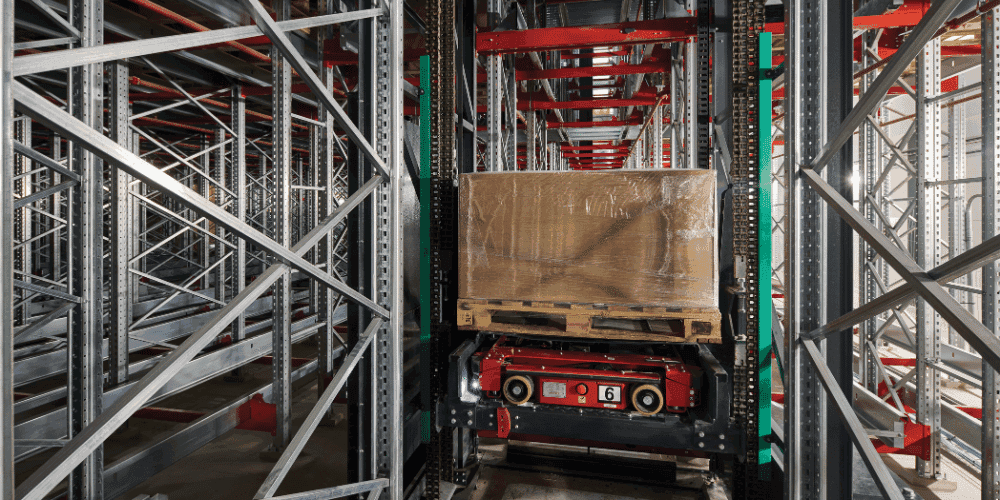
ASRS-2- pallet storage

This distinction is crucial for understanding why two identically specified ASRS installations can deliver significantly different throughput depending on their software quality.


The same principle applies whether the system is handling pallet storage, pallet handling, order picking, or high-volume retrieval solutions in distribution centers. Mechanical speed provides capacity, but software determines how much of that capacity is converted into useful work.


How Software Controls ASRS Throughput


The software governing an ASRS manages several functions that directly determine the throughput the system delivers in practice:

Task scheduling

Determining the order in which storage and retrieval tasks are executed to minimise total travel time and maximise dual-command cycles where a single trip accomplishes both a storage and a retrieval.

Storage allocation

Placing items in locations that optimise future retrieval efficiency based on velocity profiles, access patterns, and the current state of the inventory distribution.

Traffic management

Coordinating the movement of multiple cranes, shuttles, or robots within shared aisles or transport paths to prevent conflicts, minimise waiting time, and maintain continuous productive movement.

Buffer management

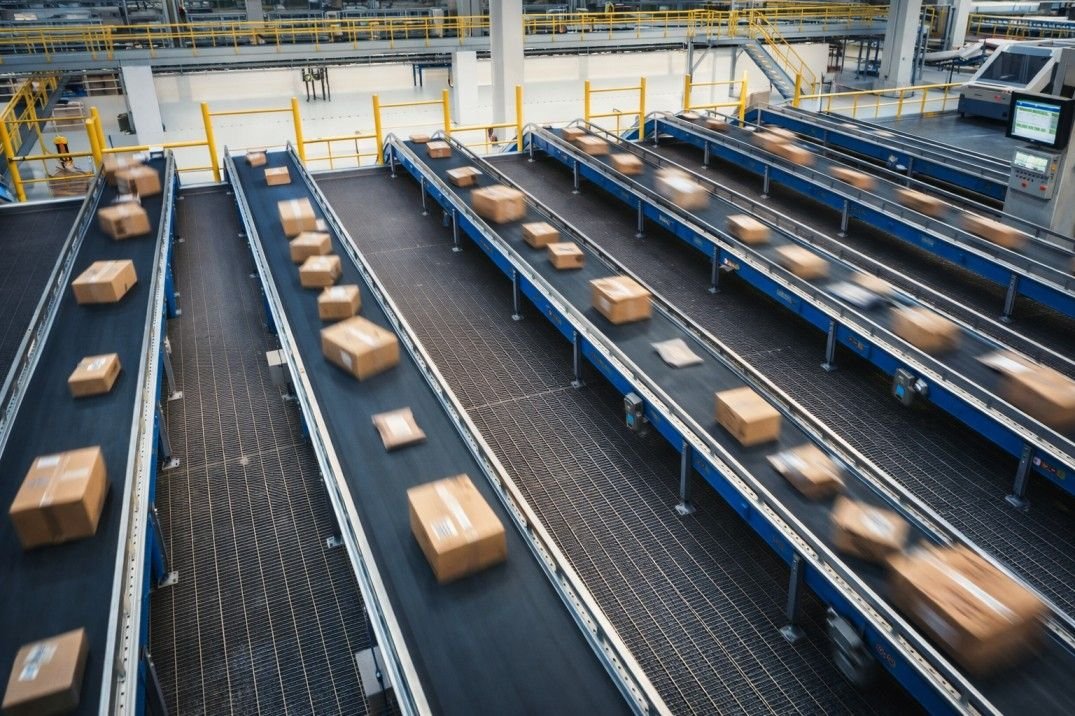
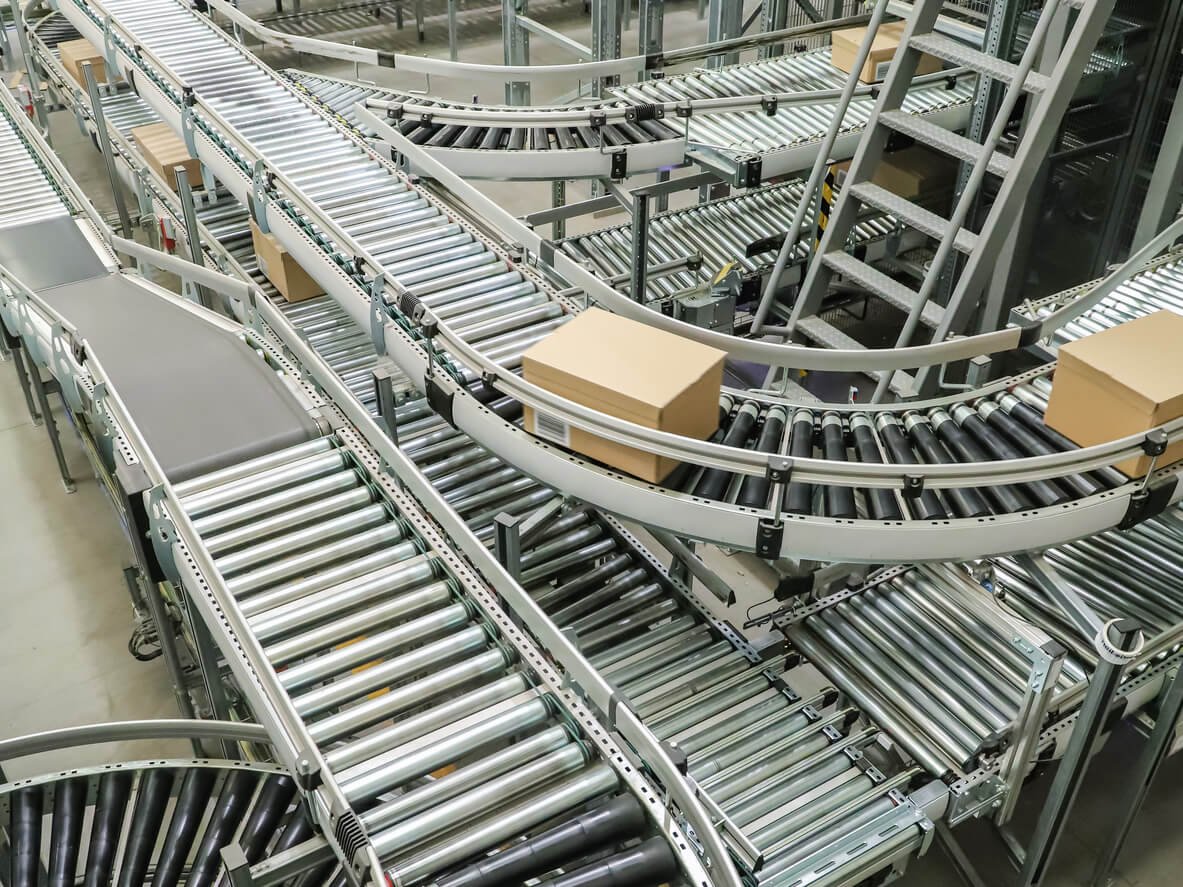
Managing the flow of items between the ASRS and outbound conveyors, pick stations, or despatch areas to prevent congestion and maintain balanced throughput across the entire system.

Each of these functions is entirely software-driven, and the quality of the algorithms used has a measurable and often substantial impact on overall ASRS throughput. In operational terms, this software often sits between the ASRS and the wider warehouse management system, warehouse management processes, and inventory management logic.

Where those layers are well aligned, the system supports stronger order processing, order fulfilment, inventory accuracy, and picking accuracy. Where they are not, throughput losses appear quickly.

The Impact of Poor Software on System Performance

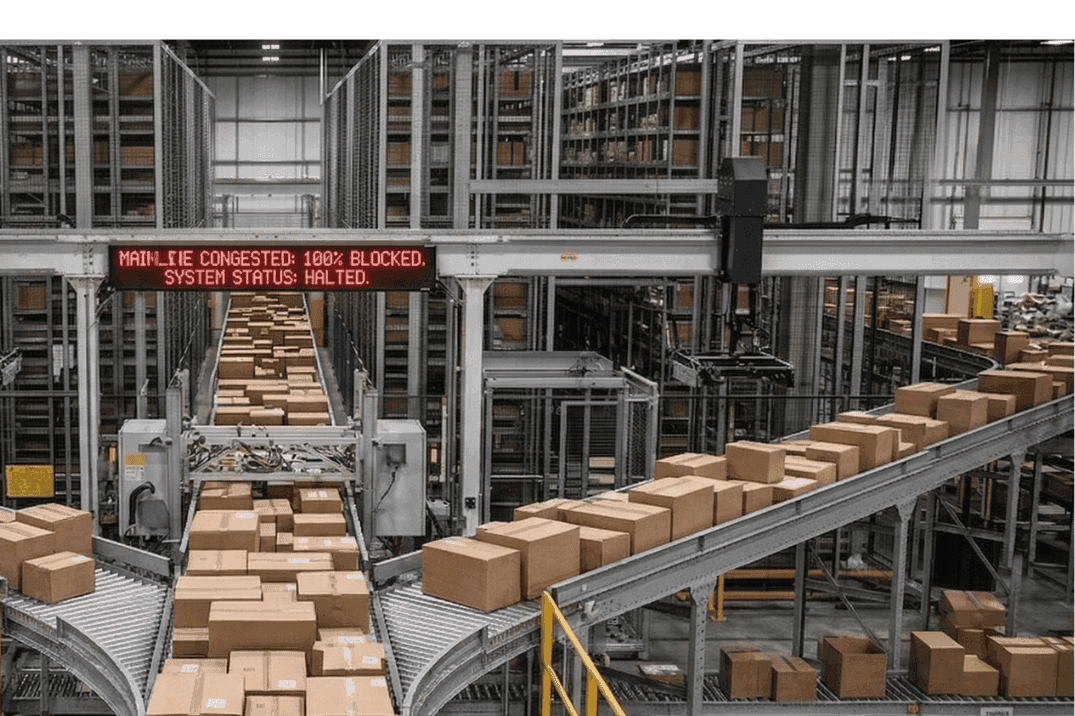
Suboptimal ASRS software manifests in several observable ways: cranes spending excessive time on empty travel between tasks, shuttles waiting idle while retrieval tasks queue, output conveyors alternating between congestion and starvation, and retrieval times varying significantly for tasks that should be comparable. These symptoms indicate that the hardware is capable but the software is not extracting its full potential.


In many installations, software optimisation alone can improve ASRS throughput by fifteen to twenty-five per cent without any change to the physical system. This represents significant untapped value in systems where the initial software implementation was adequate for commissioning but was never optimised for the actual operational patterns that emerged during sustained production. The return on investment for software optimisation is typically among the highest available in warehouse automation.

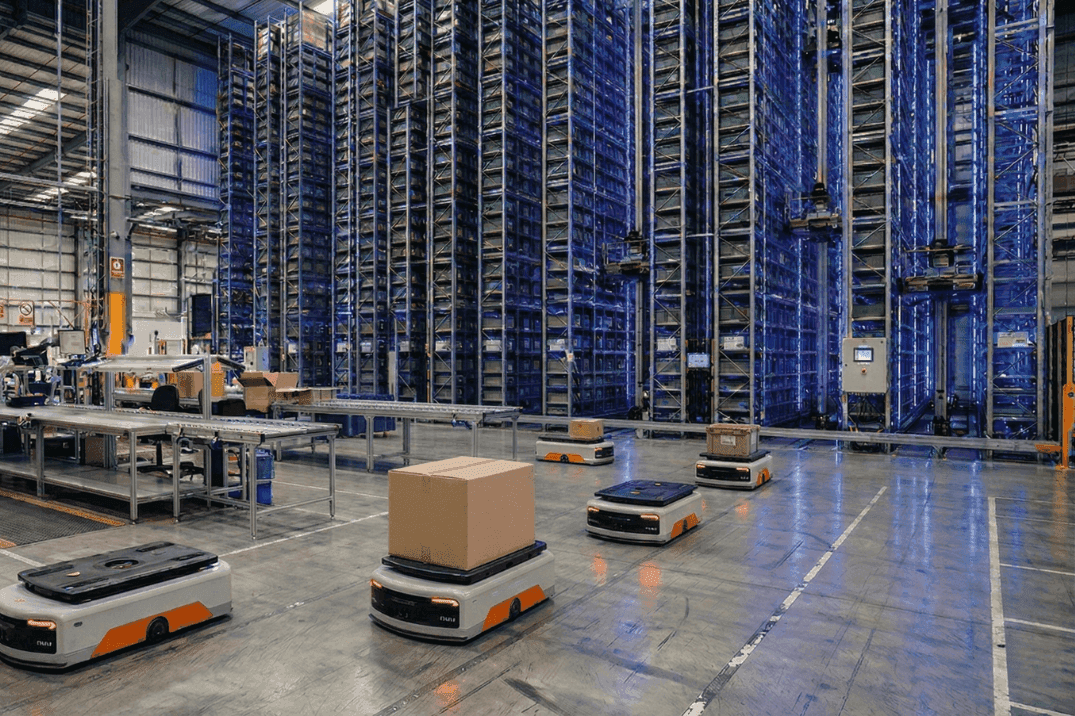
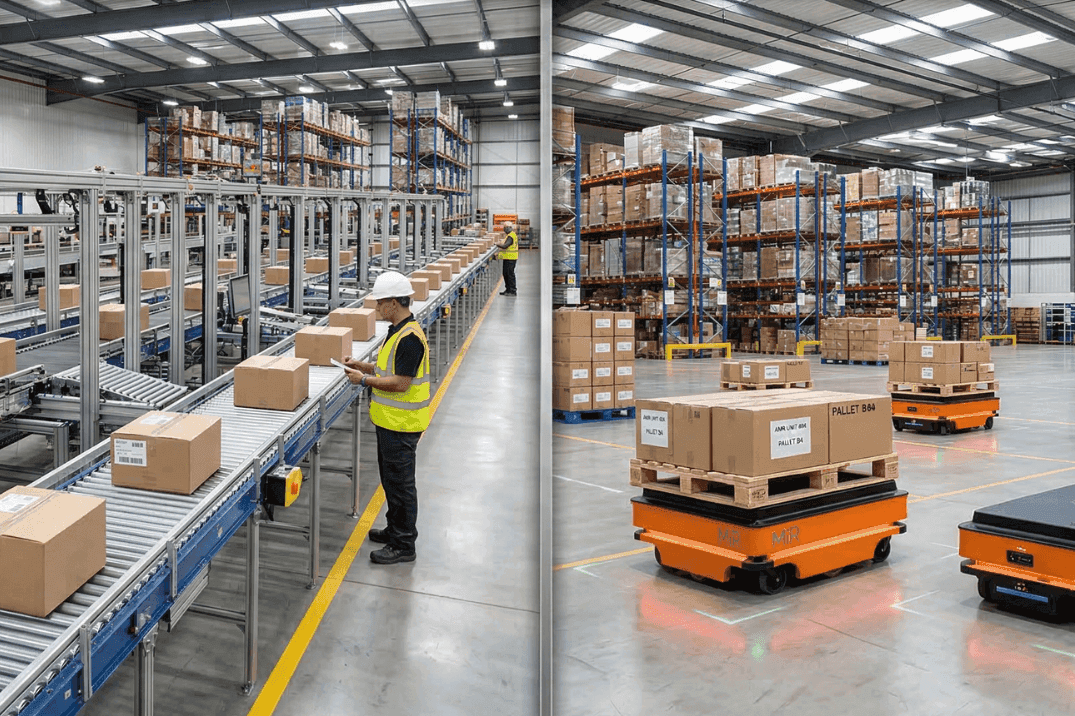
Autonomous mobile robots transporting goods alongside an automated storage and retrieval system in a high-density warehouse, illustrating flexible and scalable automation strategies

This effect becomes even more important where the system includes pallet shuttle technology, vertical conveyors, mobile robots, autonomous mobile robots, or a goods-to-person system. As the number of coordinated components increases, the role of software in balancing flow, reducing waiting time, and protecting throughput becomes even more decisive.

The Role of Continuous Software Optimisation

ASRS throughput is not a fixed value set at commissioning and maintained automatically thereafter. As inventory profiles, order patterns, and operational requirements evolve, the software must be updated and retuned to maintain optimal performance. Static software configurations that are not adjusted over time will see throughput degrade as the gap between the algorithm's assumptions and the actual operating environment widens.


Leading ASRS operators treat software tuning as an ongoing operational discipline, investing in regular performance analysis, algorithm refinement, and periodic reviews of task scheduling and storage allocation strategies. This continuous improvement approach ensures that ASRS throughput remains at its achievable peak rather than settling into a progressively suboptimal state.

ASRS-warehouse-automation-solution

That is especially important where SKU ranges, storage density targets, warehouse space constraints, and energy efficiency requirements are all changing at the same time. Throughput is never just about speed; it is about how well the system adapts to operational reality while maintaining efficient use of space, equipment, and energy.

Maximising ASRS Investment Through Software Excellence

As UK operations invest in ASRS to meet growing demand for speed, accuracy, and efficiency, recognising that ASRS throughput is primarily a software outcome is essential for extracting maximum value from the investment. Prioritising software quality, ongoing optimisation, and skilled technical support ensures that the physical hardware delivers its full potential throughout the operational life of the system.


Whether the hardware includes a stacker crane, shuttle system, vertical lift module, vertical carousels, or other modular ASRS concepts, the strongest performance comes from software that keeps the system aligned with current demand. That is what turns physical capability into sustained storage throughput, stronger order fulfillment, and a more valuable long-term automation investment.

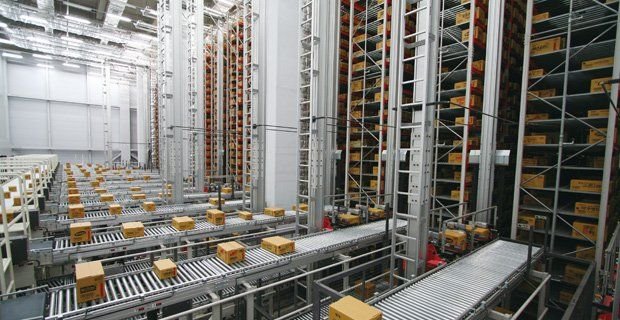
mini-load-asrs-system

Is Your ASRS Underperforming?

Mechanical speed is only half the story. Speak to our software and integration experts to unlock the full throughput potential of your automated storage system.