The Mechanical Foundation of Conveyor Control Systems
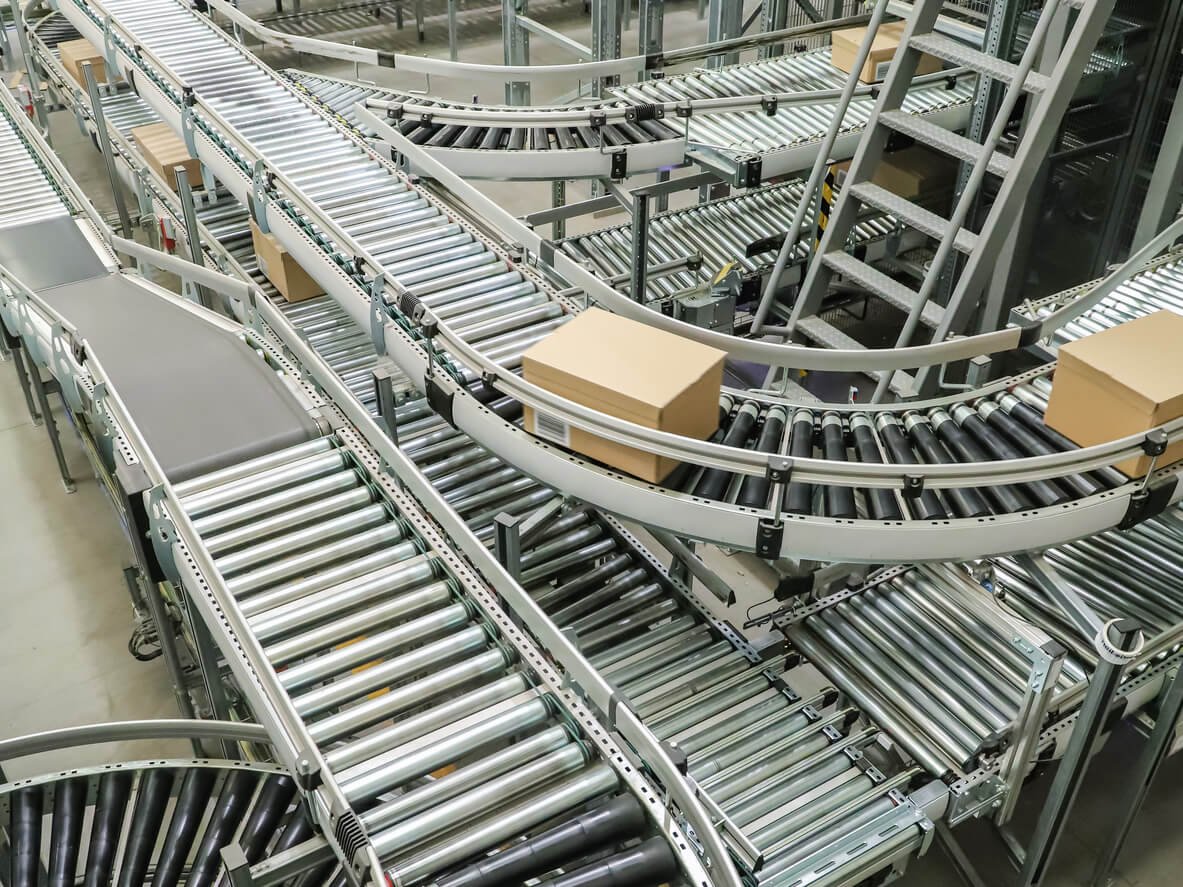
Conveyor hardware provides the physical capability of the system: the speed at which belts can travel, the weight they can carry, and the durability of the components under sustained operation. Modern conveyor hardware is robust and well-engineered, with most reputable suppliers offering equipment that comfortably exceeds the mechanical demands of typical applications.
The result is that hardware rarely acts as the binding constraint on performance. Motors have surplus capacity, belts can run faster than they need to, and frames are built with generous safety margins. The limitation lies not in what the hardware can do, but in how intelligently it is directed to do it.
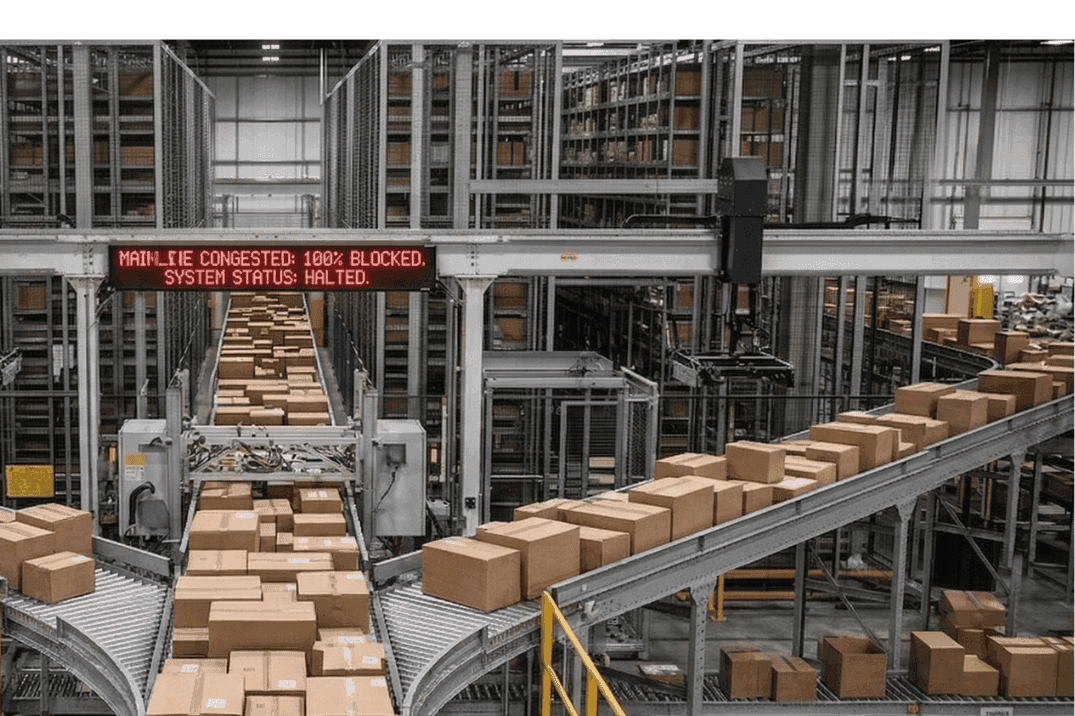
This is where conveyor control systems become the critical differentiator between average and exceptional system performance. Recognising this distinction allows operations teams to focus their improvement efforts where the returns are greatest.
This is especially true in modern conveyor technology, where a conveyor belt system is rarely operating in isolation. It is usually part of a wider automation solution tied to warehouse software, warehouse control systems, and warehouse management systems that govern the wider material flow.