
How ASRS Retrieval Logic Prioritises Tasks
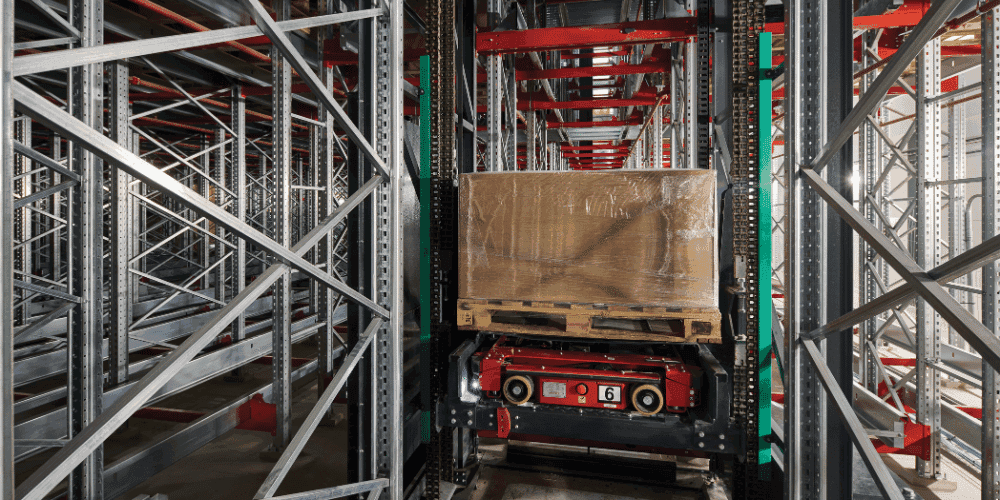
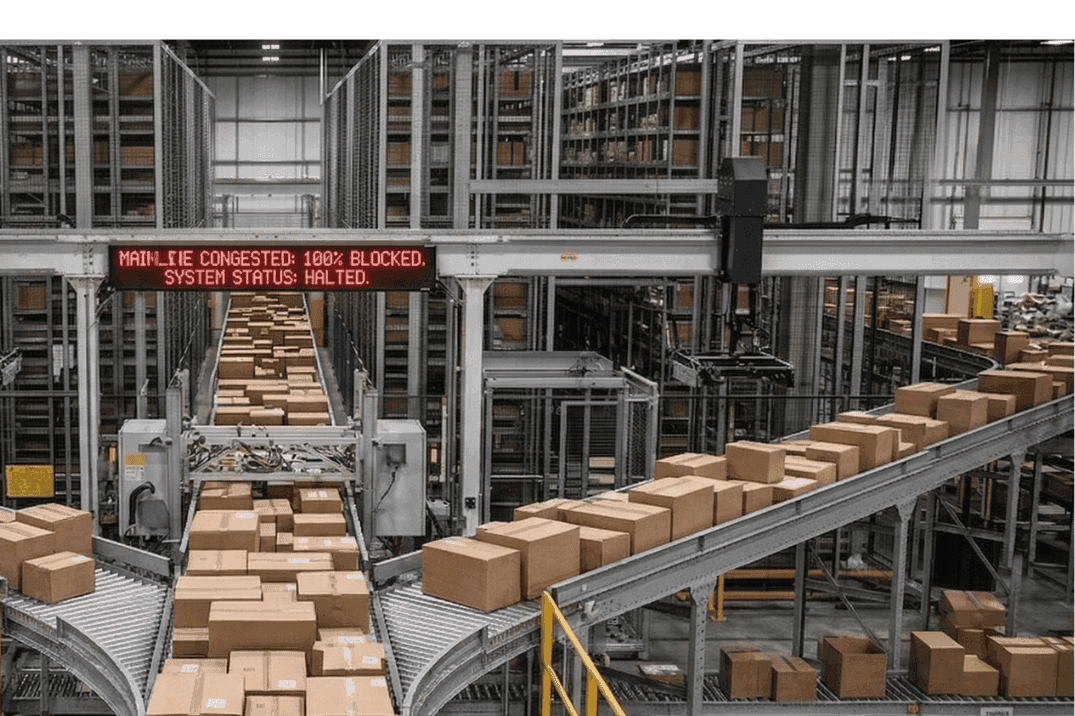
Retrieval logic is equally sophisticated and has a direct impact on how efficiently the ASRS serves downstream operations. When an order triggers a retrieval request, the system must decide which specific storage location to pick from when multiple locations hold the same SKU, in what sequence to execute multiple retrieval tasks, and how to coordinate crane or shuttle movements to minimise empty travel time.
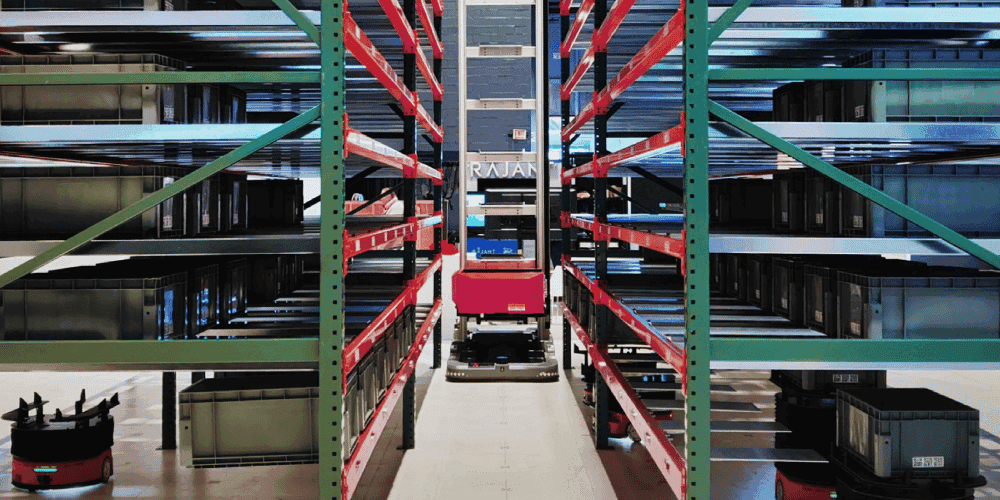
Effective retrieval logic uses techniques such as dual-command cycling, where a crane stores an item and retrieves another in a single trip, substantially reducing the amount of empty travel. It also sequences retrieval tasks to minimise total travel distance across multiple orders, a computationally complex problem that shares characteristics with route optimisation in logistics and delivery planning.
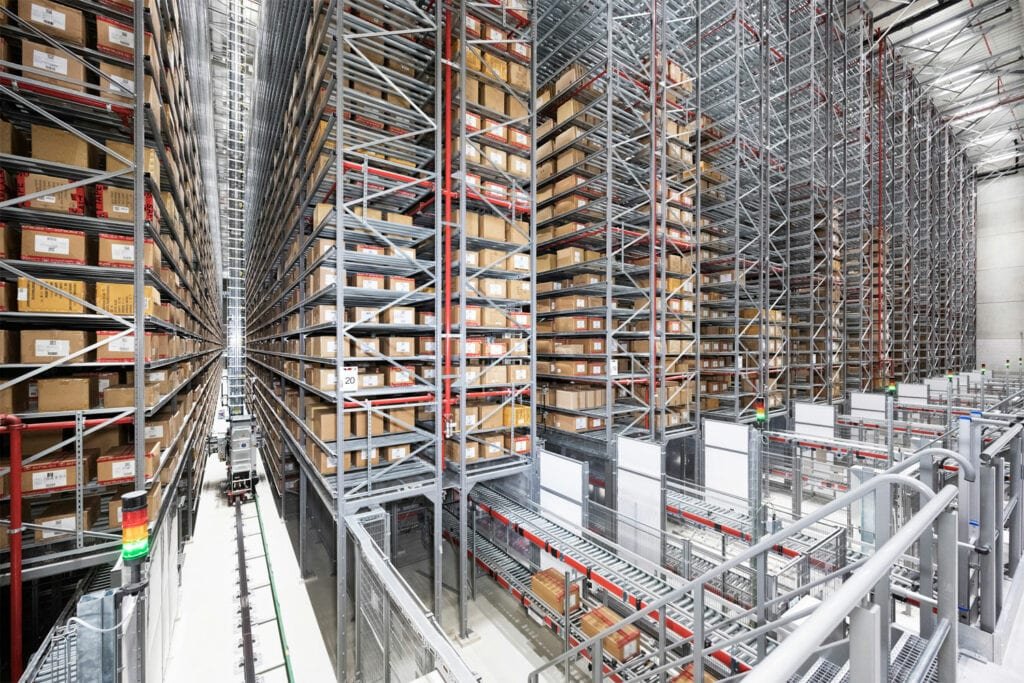
The sophistication of these algorithms has a direct and measurable impact on the number of transactions the system can complete per hour.
This matters directly for order fulfillment, order processing, and picking accuracy. In goods-to-person system environments, retrieval performance also shapes how effectively downstream picking stations operate, particularly where throughput targets are high.