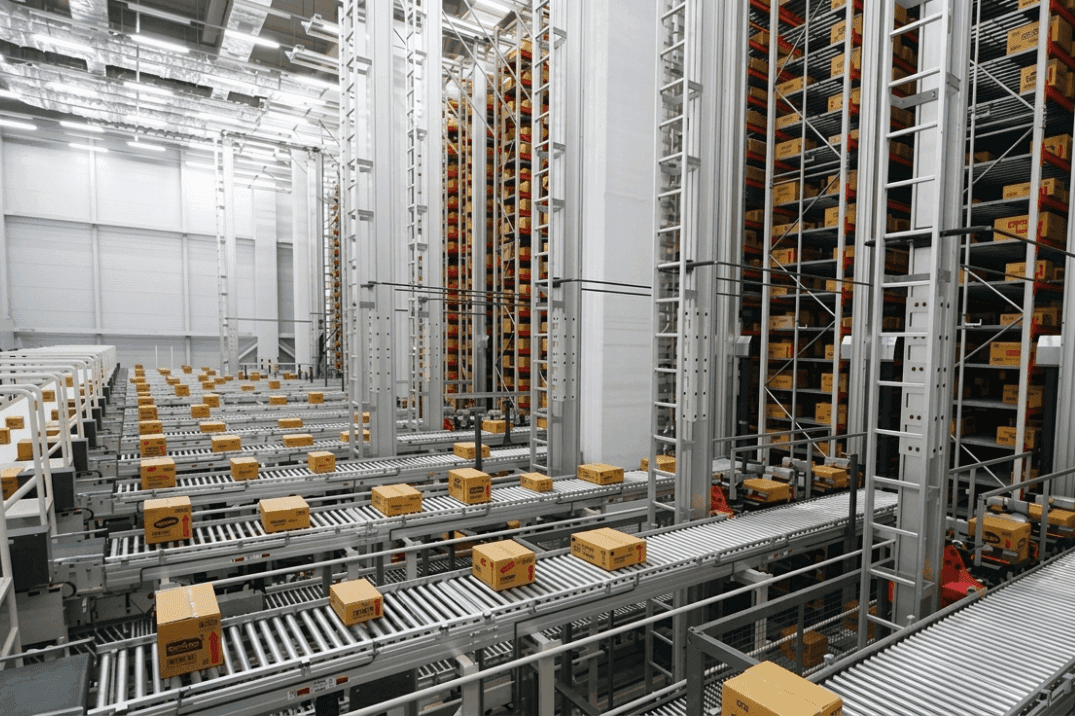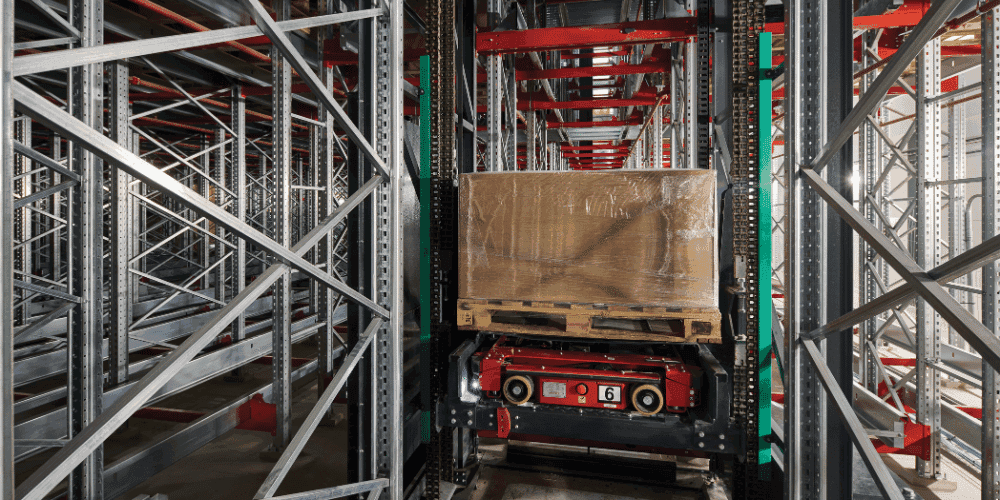
Automated storage and retrieval system (ASRS) shuttle transporting a wrapped pallet within a high-density warehouse racking structure, illustrating material handling under peak seasonal demand conditions

How Seasonal Demand Exposes ASRS Design Limits

Automated Storage and Retrieval Systems have transformed warehouse operations across countless industries, delivering impressive gains in storage density, picking accuracy, and operational efficiency. Across modern warehouse automation, order fulfillment environments, and large distribution centers, these storage systems play a central role in improving inventory management and overall supply chain responsiveness. Yet even the most sophisticated ASRS installations face a recurring challenge that tests their fundamental design parameters: seasonal demand fluctuations. When order volumes surge beyond baseline projections, these automated systems often reveal capacity constraints that manual operations can absorb more flexibly.

The Fixed Capacity Problem


ASRS installations operate within strict physical and mechanical boundaries. Unlike manual warehousing operations where additional labour can be deployed during peak periods, automated systems face hard limits determined during the design phase. Storage positions remain constant regardless of demand, and the number of cranes, shuttles, or robotic units cannot be temporarily increased when seasonal peaks arrive. That limitation applies across multiple formats, including Unit Load AS/RS, Mini-load AS/RS, pallet shuttles, and other robotic systems designed for high-density storage.

This inflexibility becomes particularly problematic for businesses experiencing predictable annual surges. Retailers managing Christmas shopping periods, agricultural suppliers handling harvest seasons, or tax preparation firms navigating filing deadlines all face concentrated demand windows that can overwhelm system throughput. An ASRS designed to handle average daily volumes at optimal efficiency may struggle significantly when throughput requirements double or triple for several weeks. Even highly capable warehouse automation solutions can expose the same design limits when demand moves well beyond the assumptions used at project outset.

Throughput Bottlenecks During Peak Periods

The operational reality of seasonal demand extends beyond simple storage capacity. Throughput rates, which measure how many storage and retrieval cycles an ASRS can complete hourly, become the critical constraint during high-volume periods. Systems designed with adequate storage positions may still fail to process orders quickly enough when inbound and outbound transactions multiply simultaneously.


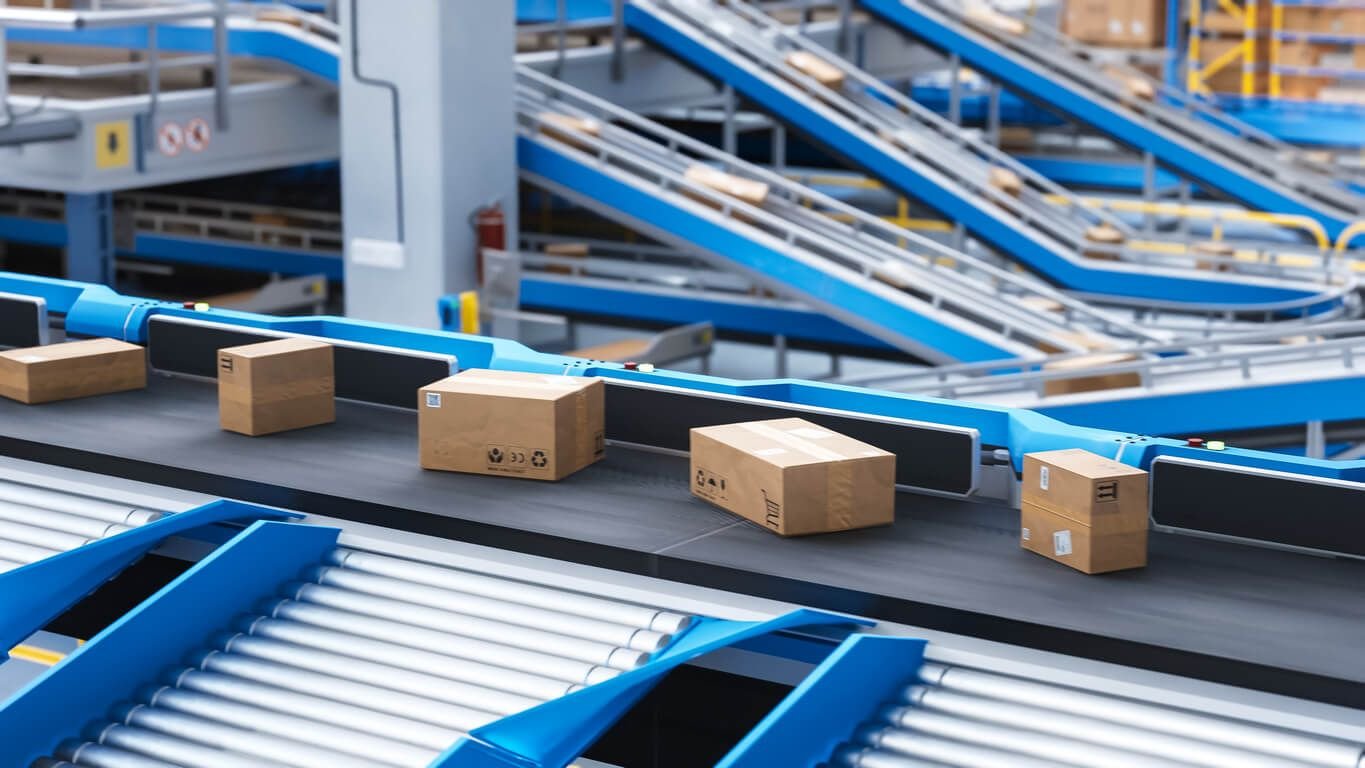
Crane-based systems face particular challenges as single-aisle configurations create inherent sequential processing limits. Even dual-mast designs that allow simultaneous storage and retrieval operations reach maximum velocity during sustained peak demand. Shuttle systems offer somewhat greater flexibility through multiple independent units, yet they too encounter congestion at transfer points and buffering stations when transaction volumes exceed design parameters. In many facilities, those bottlenecks are compounded by dependencies on conveyor systems, warehouse management systems, and the wider ASRS control system coordinating flow between subsystems.
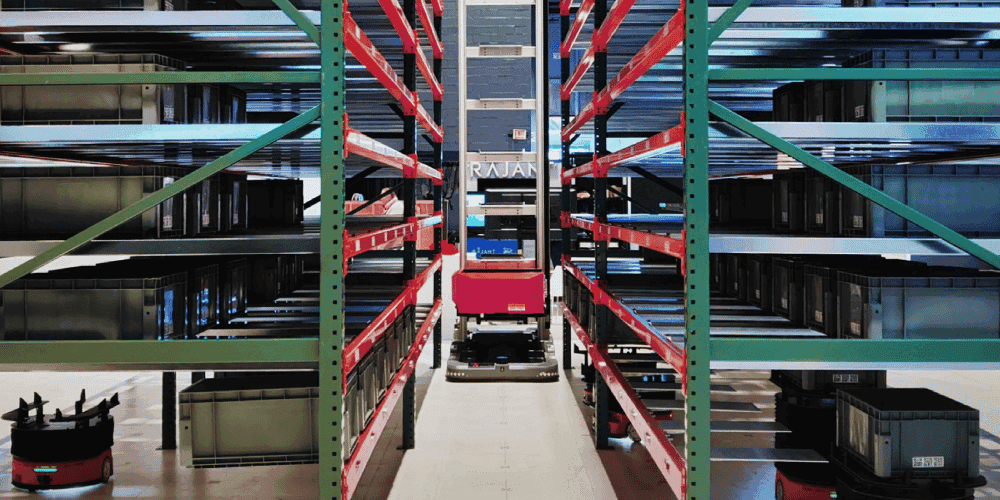
Automated storage and retrieval system operating in a smart warehouse automation environment to optimise inventory and improve picking accuracy

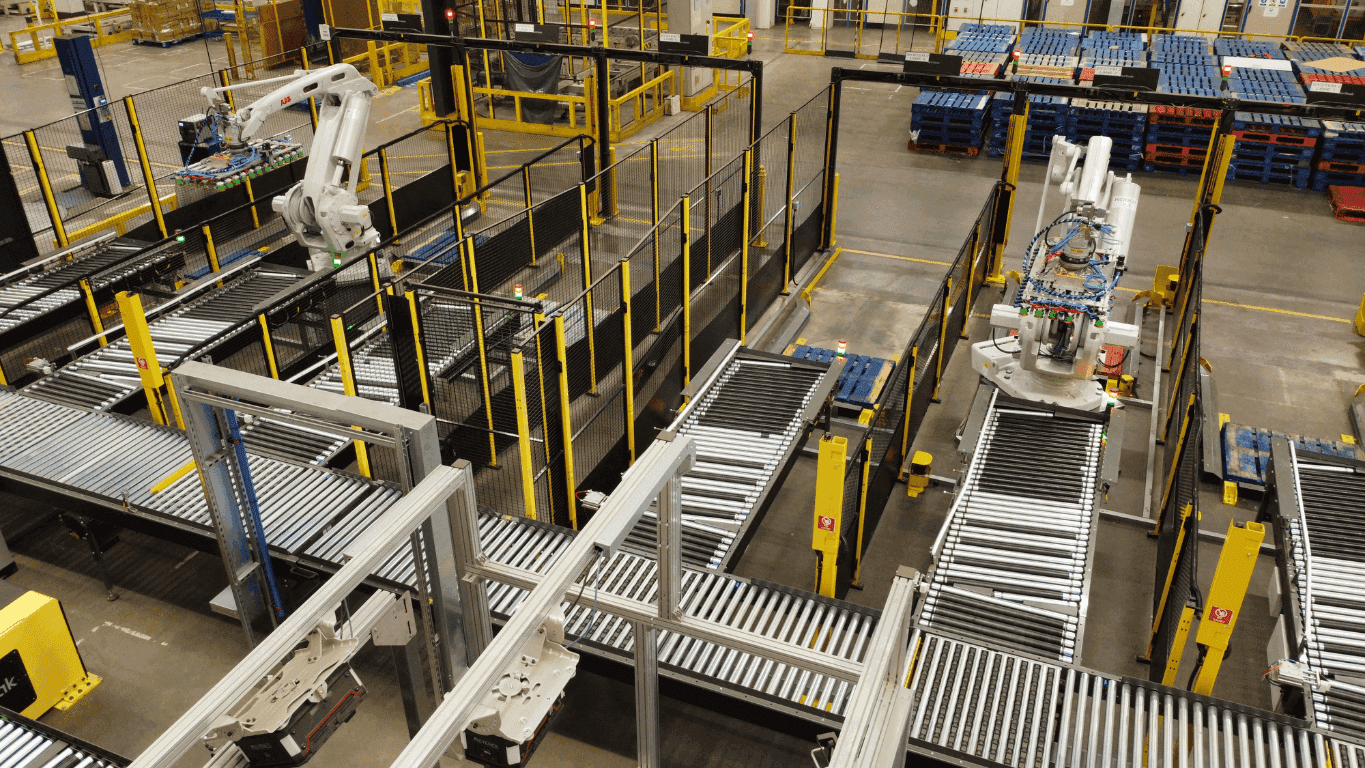
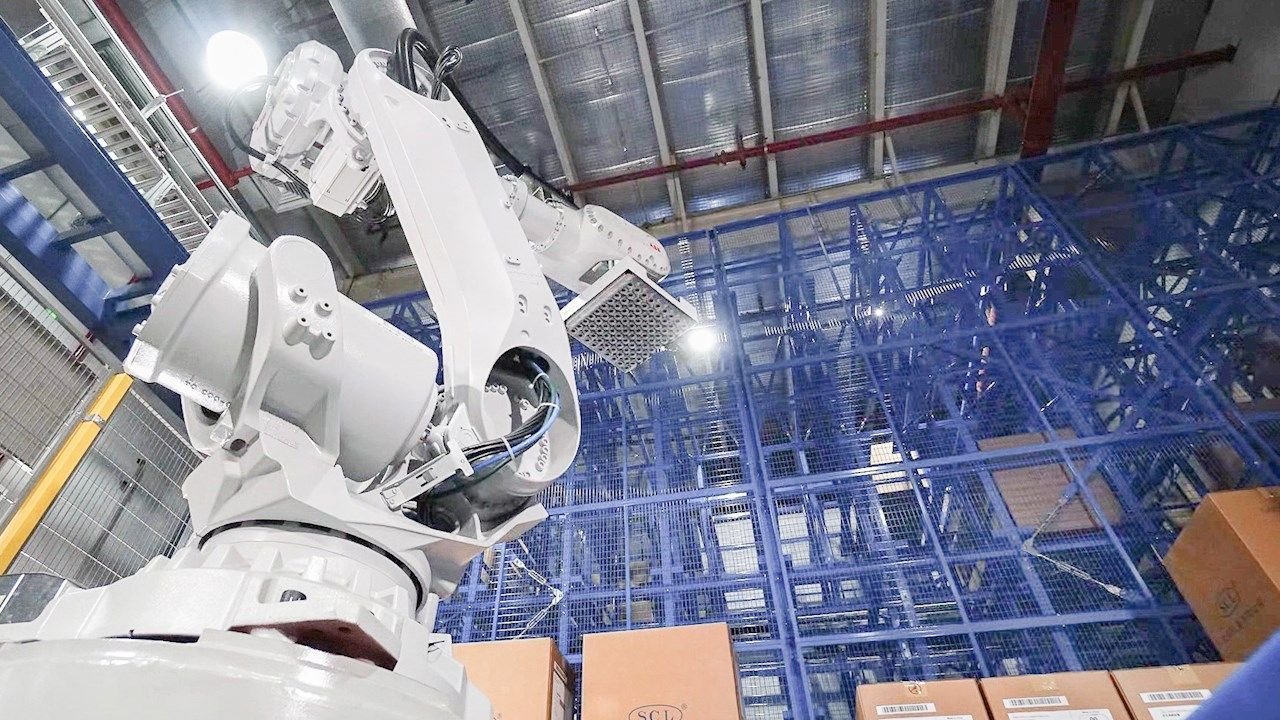
Queue management becomes increasingly complex as seasonal peaks intensify. Priority algorithms that function smoothly during normal operations may produce suboptimal results when every transaction carries urgency. Order completion times extend, picking stations experience irregular flow patterns, and the system's overall efficiency degrades precisely when performance matters most. This becomes even more pronounced where downstream activity involves robotic picking arms, vision-guided robots, or other automation technologies that rely on consistent product presentation.


Storage Utilisation Versus Accessibility Trade-offs


ASRS capacity planning requires careful consideration of storage density versus retrieval speed trade-offs. High-density configurations maximise the storage positions within available building footprints, yet they often sacrifice accessibility during peak demand periods. Products stored in less accessible locations require more crane movements and longer retrieval times, creating bottlenecks when numerous orders simultaneously request items from deeper storage positions.


Seasonal demand patterns frequently involve SKUs that spend most of the year in minimal rotation before suddenly becoming high-velocity items. An ASRS designed around annual average movement data may position these products poorly for their peak period requirements. Relocating inventory within automated systems consumes valuable throughput capacity and cannot be accomplished as rapidly as manual reslotting operations. The resulting strain can affect inventory accuracy, weaken inventory control, and reduce the practical value of otherwise efficient storage systems.


The dual challenge of accommodating both baseline storage requirements and peak throughput needs forces difficult design compromises. Oversizing systems to handle seasonal maximums creates substantial idle capacity during off-peak months, significantly impacting return on investment calculations. Conversely, optimising for average demand guarantees performance degradation during predictable high-volume windows. This tension is especially evident in an ASRS pallet storage system, where high-density storage can maximise cubic capacity while still limiting fast access during seasonal peaks.


Buffer Zone Limitations


Many ASRS installations incorporate buffer zones or staging areas to smooth workflow between the automated core and manual processes. These intermediate storage locations help manage transaction peaks by temporarily holding products before storage or after retrieval. However, buffer capacity itself becomes a limiting factor during extended seasonal surges.


When inbound receipts flood receiving areas faster than the ASRS can process them, buffer zones overflow into adjacent operational spaces. Similarly, retrieval backlogs can exhaust outbound buffer capacity, forcing order picking operations to slow or pause whilst awaiting product availability. The fixed physical dimensions of these zones impose absolute limits that cannot flexibly expand during temporary demand spikes. In practical terms, that pressure often spills onto warehouse floors, disrupting flow and reducing the efficiency gains that warehouse automation is intended to deliver.

Forward Planning Implications

Organisations evaluating ASRS investments must incorporate seasonal demand patterns explicitly into capacity planning models. Historical data analysis should identify peak-to-average ratios across relevant timeframes, and system specifications should reflect these variations rather than relying solely on annual averages. Simulation modelling can test proposed configurations against historical peak scenarios, revealing potential bottlenecks before construction begins.


Some businesses adopt hybrid approaches that combine automated core storage with manual overflow capacity. This strategy maintains ASRS efficiency during normal periods whilst preserving operational flexibility for seasonal peaks. Alternative approaches include maintaining strategic inventory buffers in separate facilities or adjusting procurement and production schedules to flatten demand curves reaching the warehouse. Others strengthen resilience by integrating an automated guided vehicle fleet, Automated Guided Vehicles, Autonomous Mobile Robots, or other autonomous robots to support movement outside the fixed ASRS footprint.

Automated storage and retrieval system (ASRS) with multiple conveyor lines transporting cartons through a high-density warehouse, demonstrating high-throughput order processing and material flow during peak operations

Seasonal demand will continue challenging ASRS installations as long as consumer behaviour and business cycles create predictable volume fluctuations. Recognising these limitations during the design phase allows organisations to make informed capacity decisions that balance automation benefits against operational flexibility requirements. In many cases, the most effective answer lies not in a larger system alone, but in better system design, stronger ASRS control system logic, tighter warehouse management systems integration, and a broader view of warehouse automation solutions across the facility.

Ready to maximise your warehouse density?