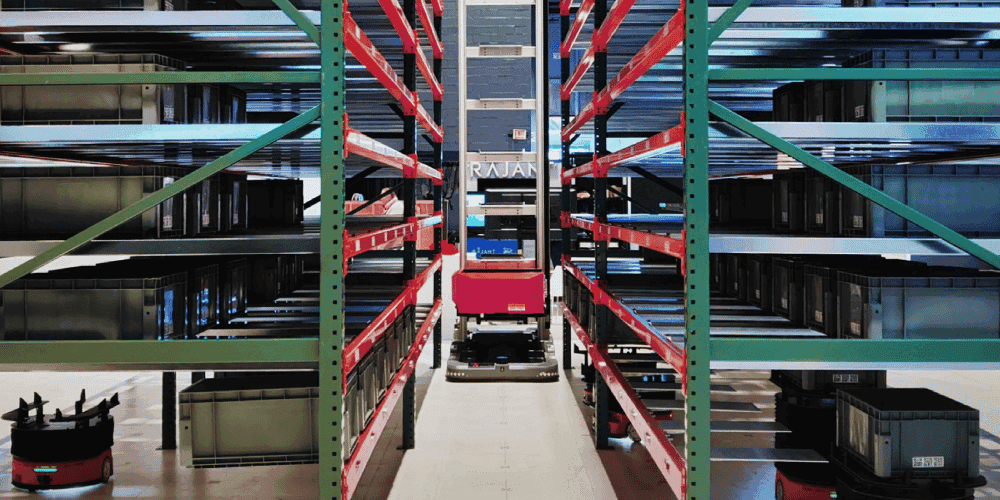
Multi-level roller conveyor system transporting cartons through an automated warehouse packaging and sortation network

Optimising Warehouse Workflows with Advanced Packaging Conveyors

Modern warehouses face mounting pressure to process higher volumes whilst maintaining accuracy and speed. As e-commerce continues its upward trajectory and consumer expectations for rapid delivery intensify, the physical infrastructure supporting order fulfilment must evolve accordingly. Conveyors for warehouse operations have emerged as a critical component in addressing these demands, transforming how facilities handle the final stages of their logistics processes.

Conveyors as the Foundation of Warehouse Automation

Across high-volume facilities, the shift toward warehouse automation has increased the adoption of warehouse conveyor systems, including conveyor belts, powered roller conveyor, lineshaft roller conveyor, vertical conveyors, and Driven roller conveyor technologies. These systems help manage product flows across production lines, factory packing areas, and assembly operations, whilst supporting heavier workloads such as heavy stock and pallet handling.


Many operations now integrate modular designs, low profile conveyors, and parcel conveyor systems to accommodate multi-sized cartons and varied packaging process requirements. This flexibility enables warehouses to adapt layouts quickly and scale systems without major rebuilds.

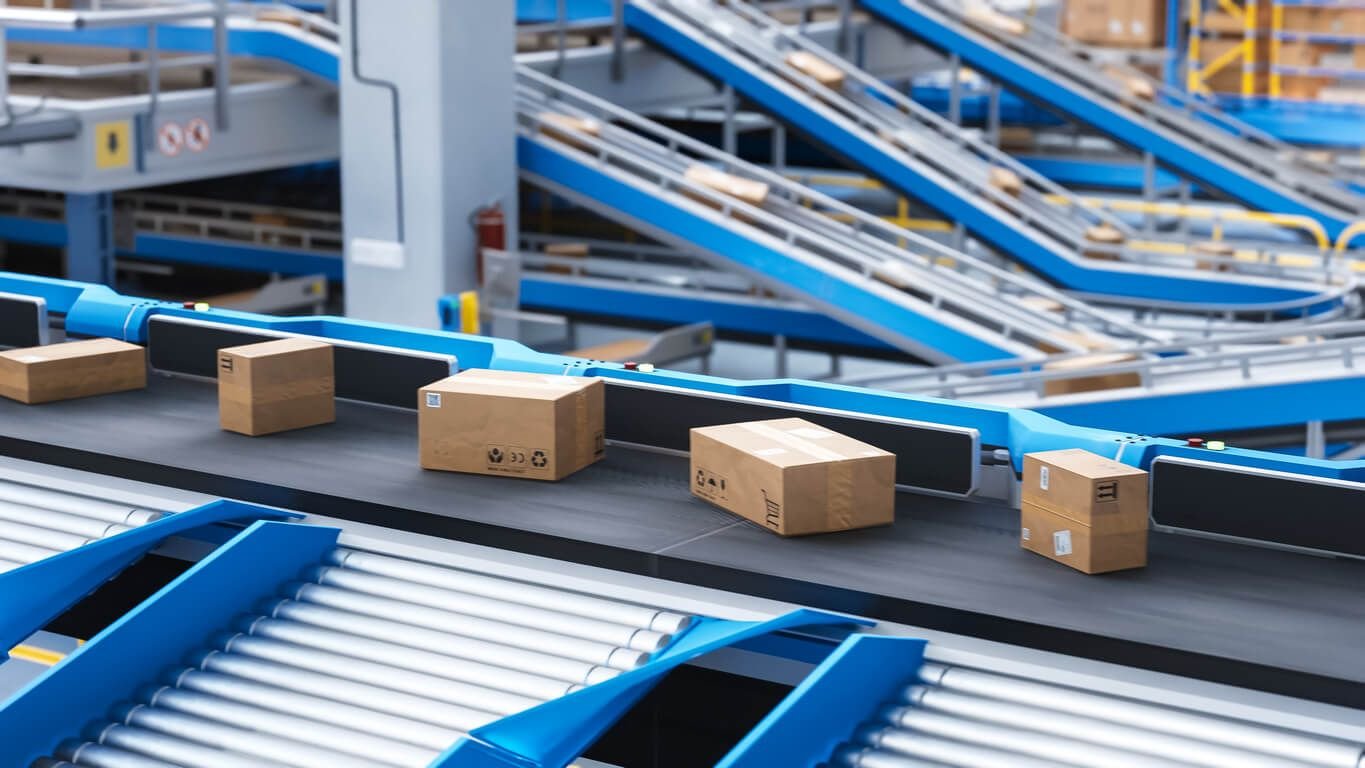
Automated packaging conveyor line moving sealed cartons towards warehouse dispatch area

The Role of Packaging Conveyors in Contemporary Warehousing


Packaging conveyors represent a fundamental shift from manual handling methods that have traditionally characterised warehouse operations. These systems automate the movement of products between packing stations, quality control checkpoints, and dispatch areas, eliminating the repetitive walking, lifting, and carrying that consumes significant labour hours.


The integration of conveyor technology into packaging workflows creates a continuous flow of materials through the facility. Rather than workers transporting items individually or via trolleys, products progress systematically along predetermined routes. This mechanised approach reduces handling time, minimises the risk of dropped or damaged goods, and allows personnel to focus on value-added tasks such as quality verification and problem-solving.

Operational Gains from Automation with Conveyor Systems


Faster load sorting through automated systems and sortation systems

Reduced safety hazards due to less manual lifting and carrying

Improved warehouse management system performance through real-time visibility

Integration with AGVs for automated pallet handling and movement

These improvements help streamline warehouse operations and pave the way for higher-capacity warehousing solutions.

Measurable Benefits Across Operational Metrics

Warehouses implementing packaging conveyors typically observe improvements across several key performance indicators. Throughput capacity increases as the system maintains a consistent processing rhythm unaffected by worker fatigue or shift changes. Error rates often decline because products follow designated paths with reduced opportunities for misdirection or confusion.


Labour efficiency represents another significant advantage. Research in logistics operations suggests that manual material handling can account for a substantial portion of warehouse labour costs. By automating product movement, facilities can redeploy staff to areas where human judgement and dexterity remain essential, such as handling irregular items or managing exceptions.

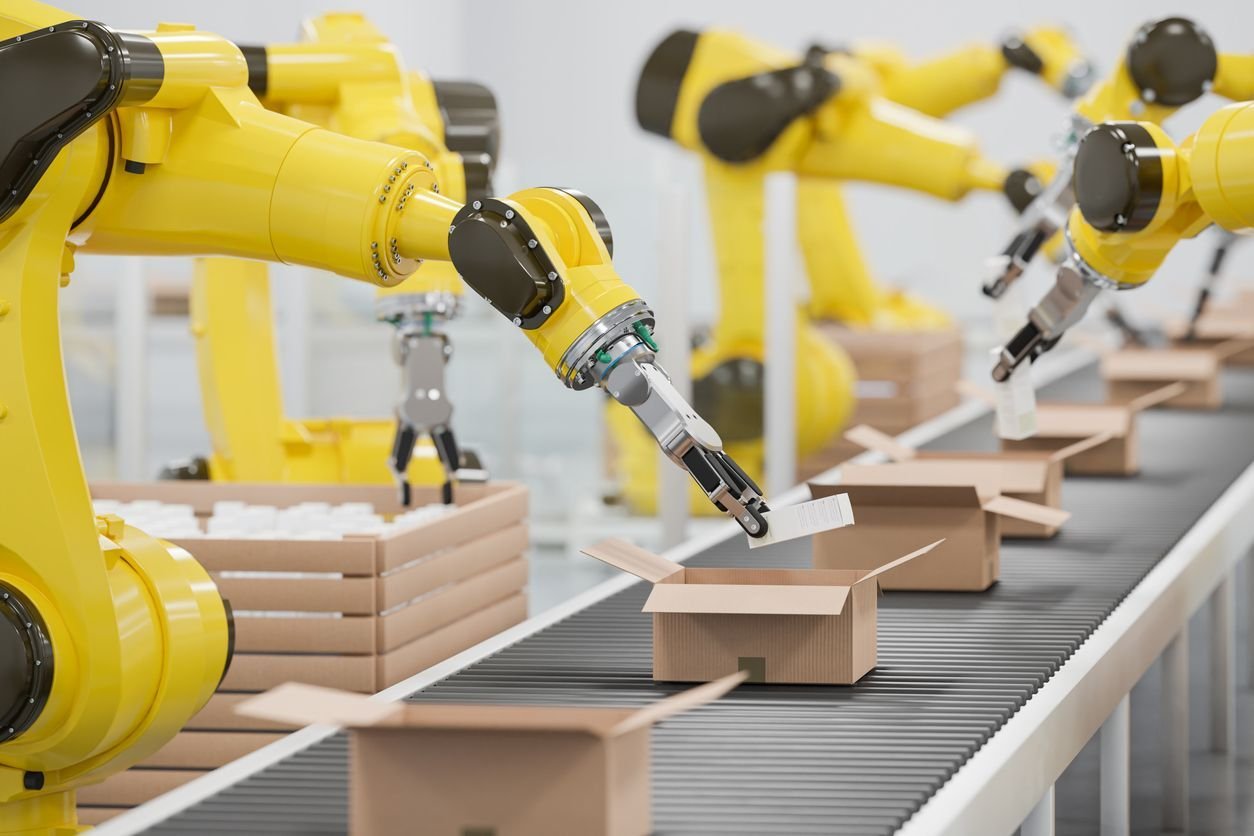
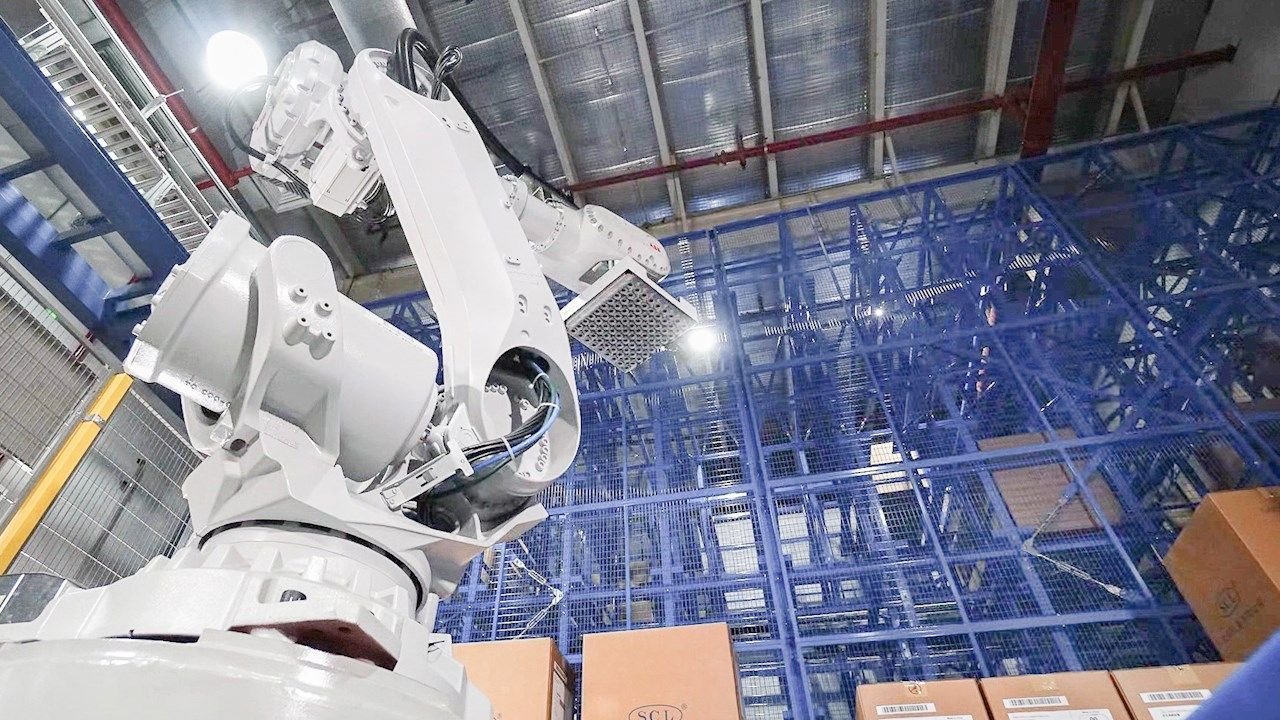
Robotic pick and place system handling cartons on a warehouse packaging conveyor for automated order fulfilment

Floor space utilisation also improves with properly designed conveyor systems. Unlike floor-based transportation methods that require wide aisles for trolley manoeuvring, overhead or compact conveyors can route products through tighter spaces, freeing valuable square footage for additional storage or processing areas.


System Configurations for Diverse Requirements


Packaging conveyors for warehouse environments come in numerous configurations, each suited to particular operational contexts. Belt conveyors provide gentle handling for fragile items and can accommodate varying product sizes. Roller conveyors excel in facilities processing boxed goods, offering smooth transitions between packing, labelling, and sorting zones.


Overhead conveyor systems prove particularly valuable in warehouses with limited floor space or those seeking to separate packaging flows from other operational activities. By elevating the transportation pathway, these systems maintain clear floor areas for forklift traffic and pedestrian movement whilst ensuring continuous product flow above.


Modular conveyor designs allow facilities to scale their systems incrementally. Rather than implementing a complete overhaul, warehouses can introduce conveyors in specific bottleneck areas, measuring impact before expanding to additional zones. This phased approach reduces financial risk and allows teams to develop operational expertise progressively.

Examples of Modular Transport Options


Modular transport system layouts for flexible routing

Conveyor rollers supporting multi-sized cartons and varied packaging needs

Warehouse conveyor solutions built around pallet handling or parcel sorting

Conveyor belts adapted by belt type for different product categories

This modularity ensures that conveyor investments remain adaptable to future workflow changes.

Integration with Broader Warehouse Technologies


The effectiveness of packaging conveyors multiplies when integrated with complementary warehouse technologies. Automated sorting systems can direct products to appropriate packing stations based on order characteristics, whilst weight verification systems integrated into conveyor lines ensure accuracy before dispatch.


Warehouse management software connectivity transforms conveyors from simple transport mechanisms into intelligent routing systems. Real-time tracking capabilities enable supervisors to monitor flow rates, identify accumulation points, and make informed decisions about resource allocation. This data visibility supports continuous improvement initiatives and helps justify further automation investments.


Vision systems and barcode scanners positioned along conveyor routes provide additional verification layers. These technologies confirm product identity and orientation, triggering alerts when discrepancies occur and preventing errors from progressing downstream.


Considerations for Successful Implementation


Warehouses contemplating packaging conveyor systems should begin with thorough workflow analysis. Understanding current product flow patterns, peak volume periods, and processing bottlenecks allows for system designs that address genuine operational constraints rather than simply automating existing inefficiencies.


Space planning requires careful attention to ensure conveyors enhance rather than hinder overall warehouse function. Systems must accommodate maintenance access, allow for emergency egress routes, and integrate seamlessly with existing infrastructure such as racking systems and loading docks.


Staff training deserves equal consideration to the technical installation. Workers need guidance on safe interaction with conveyor systems, understanding of emergency stop procedures, and clarity about how automation changes their specific responsibilities. Facilities that invest in comprehensive training typically achieve faster adoption and realise benefits more quickly.

The Strategic Warehouse Investment

Packaging conveyors for warehouse operations represent more than tactical efficiency improvements. These systems form part of a strategic approach to operational resilience, enabling facilities to absorb volume fluctuations without proportional increases in labour or space requirements. 


As market dynamics continue evolving, the flexibility and scalability that conveyor systems provide position warehouses to adapt whilst maintaining service standards.

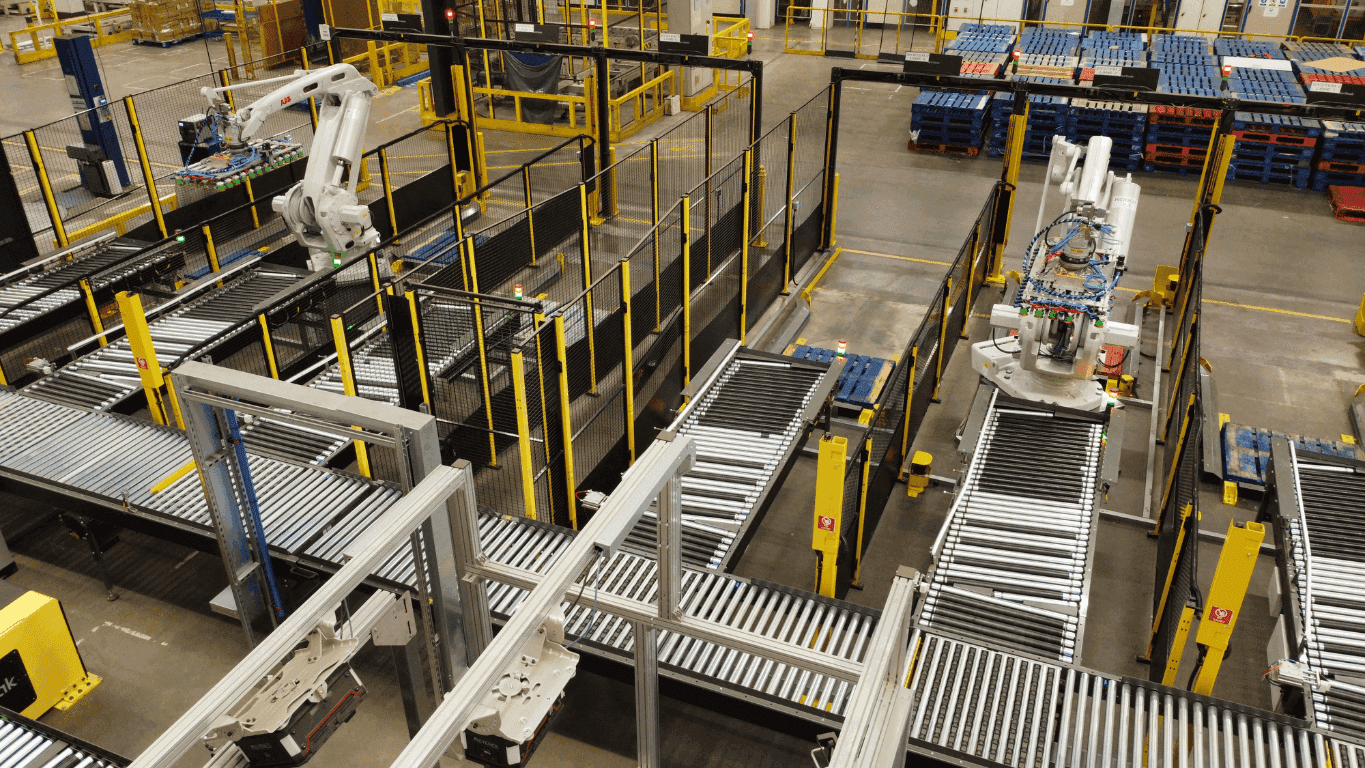
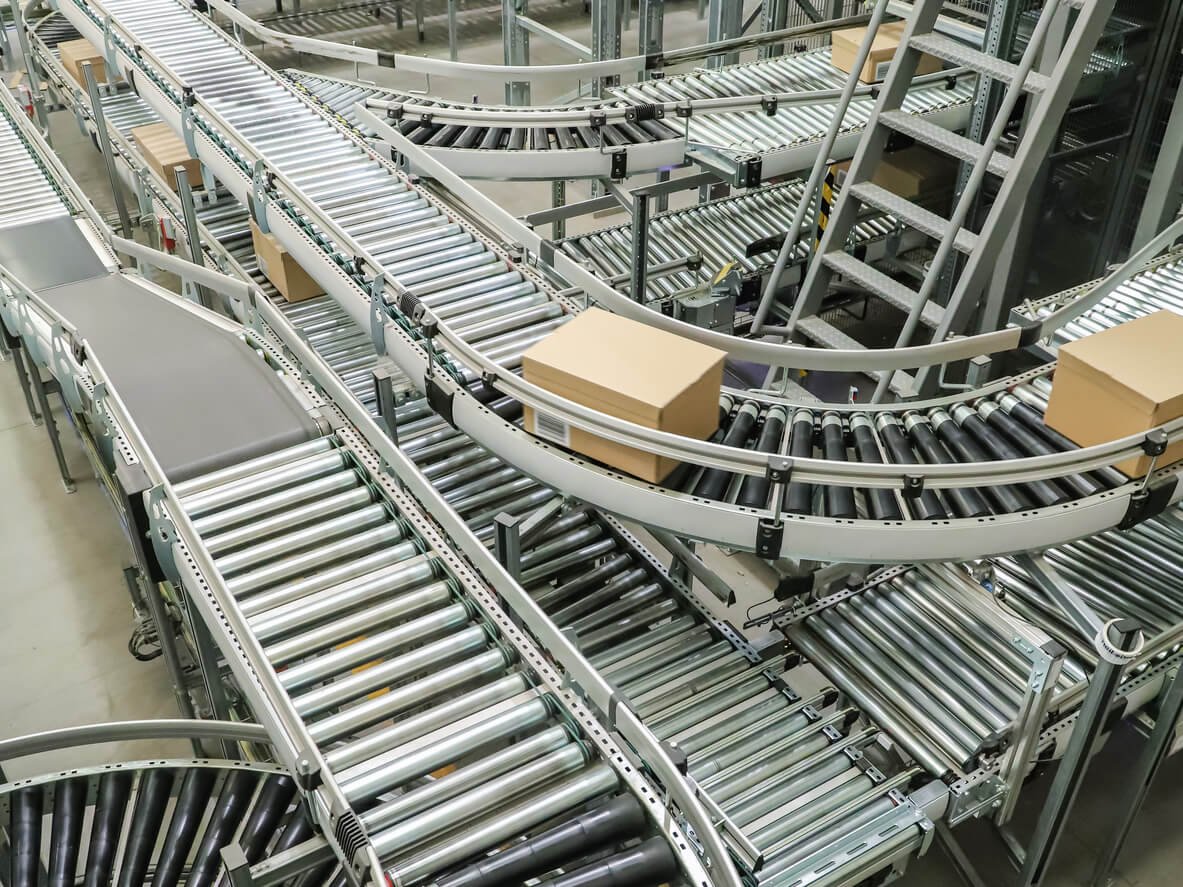
Curved roller conveyor system guiding parcels through warehouse sortation and packaging workflow