Capacity Mismatches Between System Components
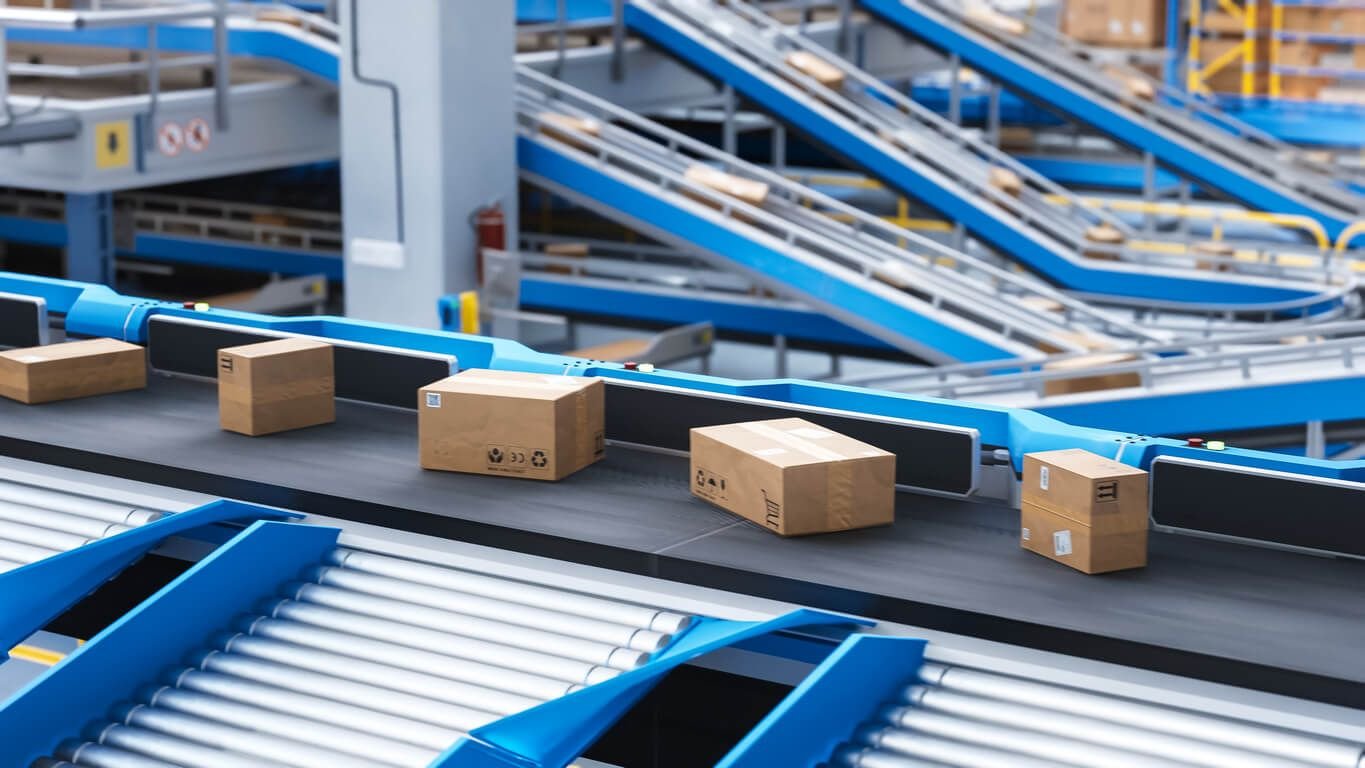
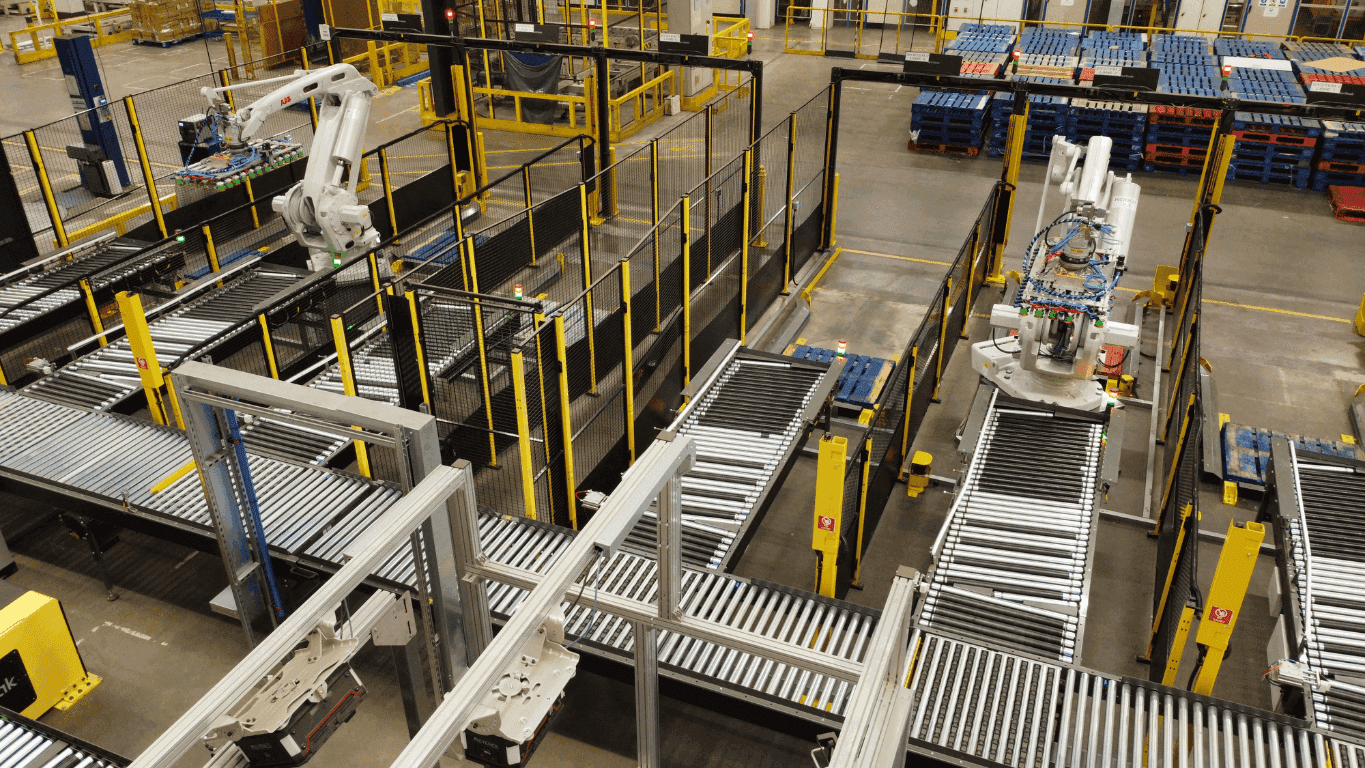
Conveyor bottlenecks frequently emerge from capacity imbalances between different automation elements. A facility might deploy high-speed sortation equipment capable of processing 10,000 units hourly, only to discover that upstream belt conveyors can deliver merely 6,000 units. The sophisticated sortation technology operates below capacity, its potential unrealised due to inadequate material supply.
These mismatches often reflect planning decisions made in isolation. Individual departments specify equipment based on their requirements without comprehensive system modelling. The result resembles a motorway network where six-lane highways funnel into single-lane bridges. Traffic flow becomes dictated by the narrowest constraint rather than the average capacity. In practice, this affects overall production capacity, stretches process time, and reduces the consistency of production flow across the wider facility.

Accumulation Zone Failures
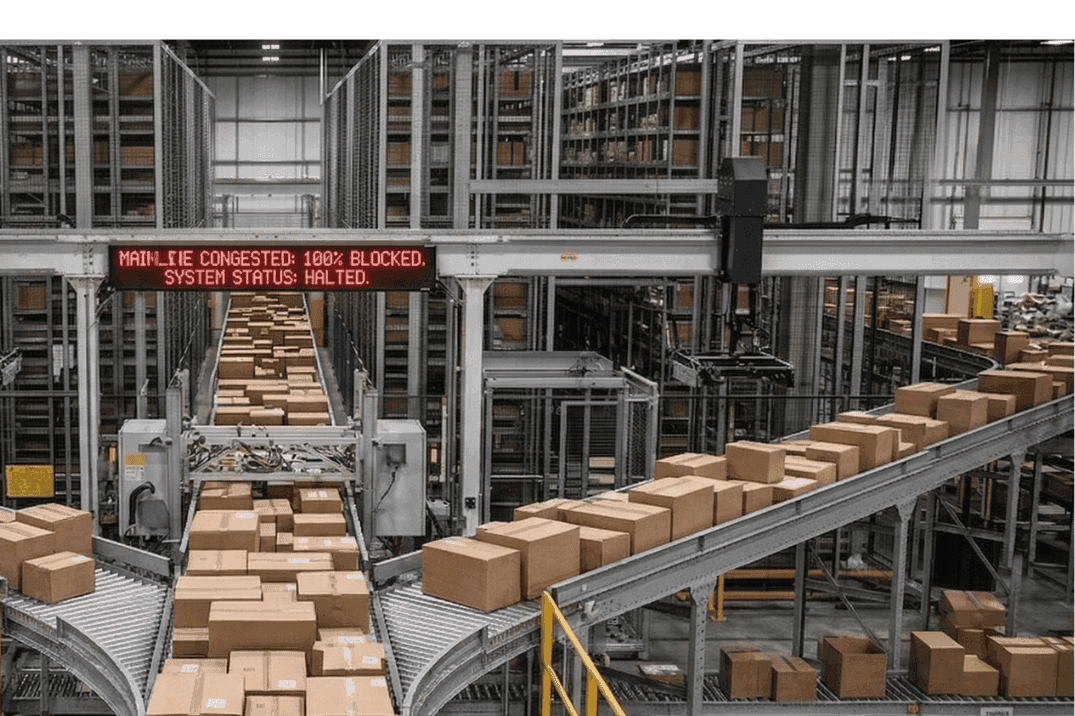
Accumulation zones serve as buffers that absorb variations in material flow, preventing upstream blockages when downstream equipment pauses. Insufficient accumulation capacity creates cascading stoppages throughout the facility. When a downstream process experiences brief delays, material backs up rapidly, forcing entire conveyor sections to halt.
The problem intensifies during shift changes, equipment maintenance, or quality checks. Without adequate buffering, these routine interruptions propagate backwards through the system, idling equipment and personnel far removed from the actual delay. Implementing a proactive approach to conveyor maintenance can help minimise unplanned downtime and reduce the severity of these disruptions.