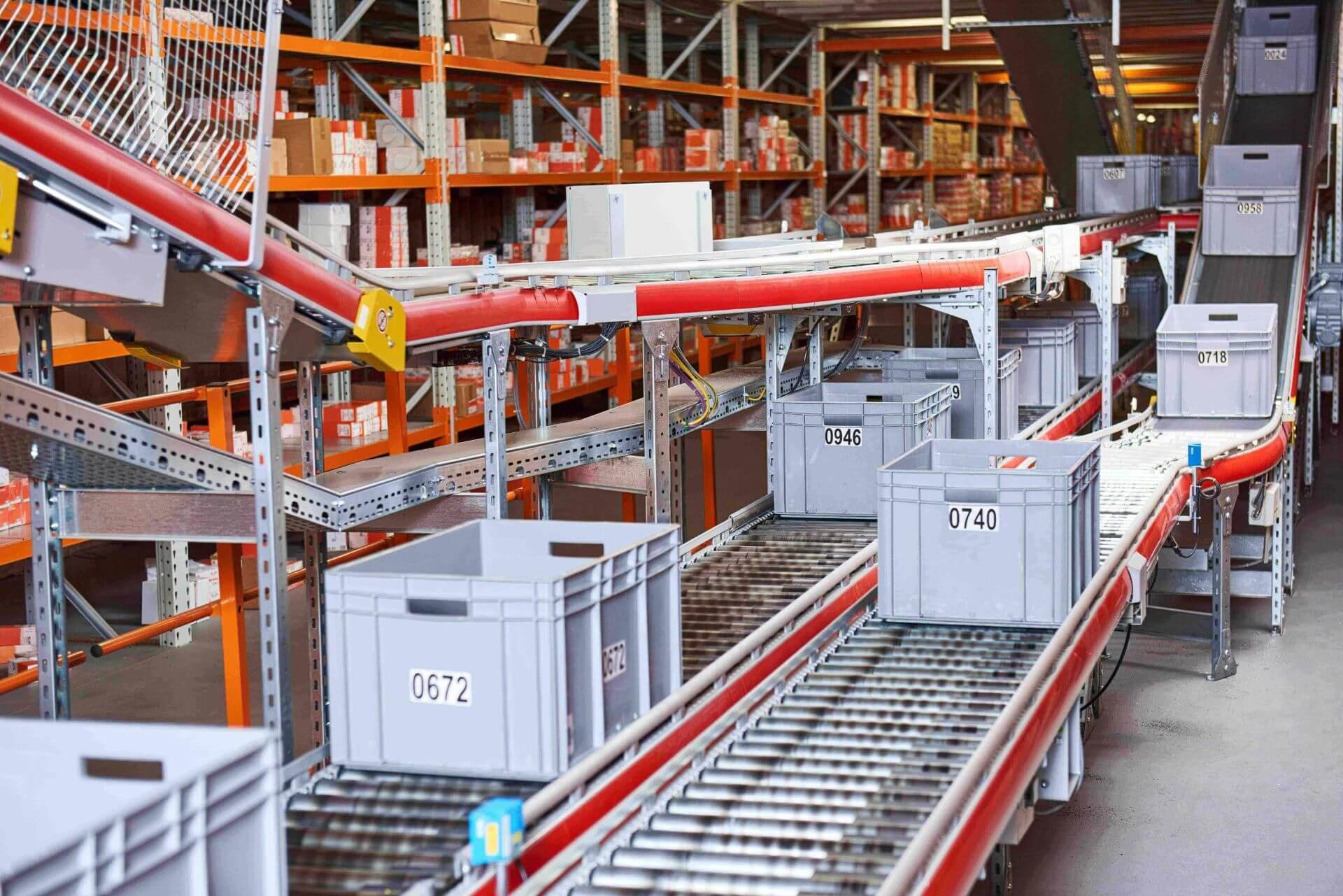
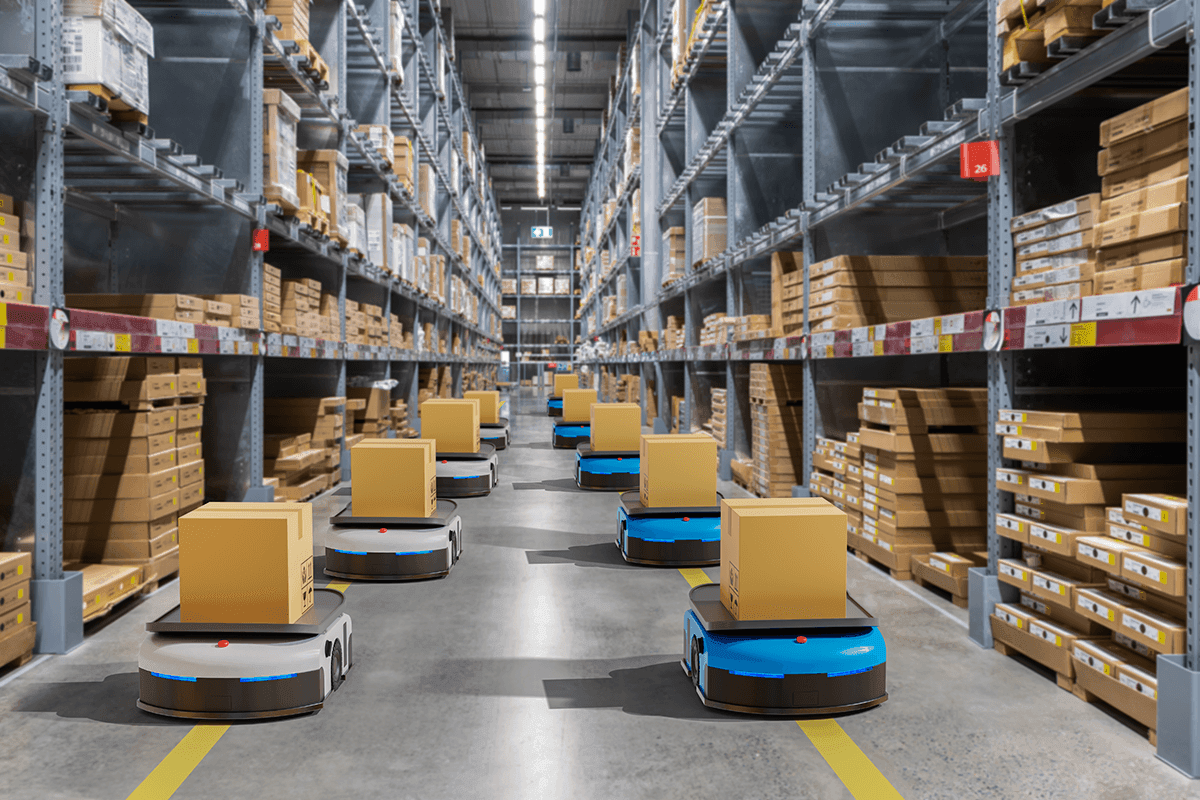
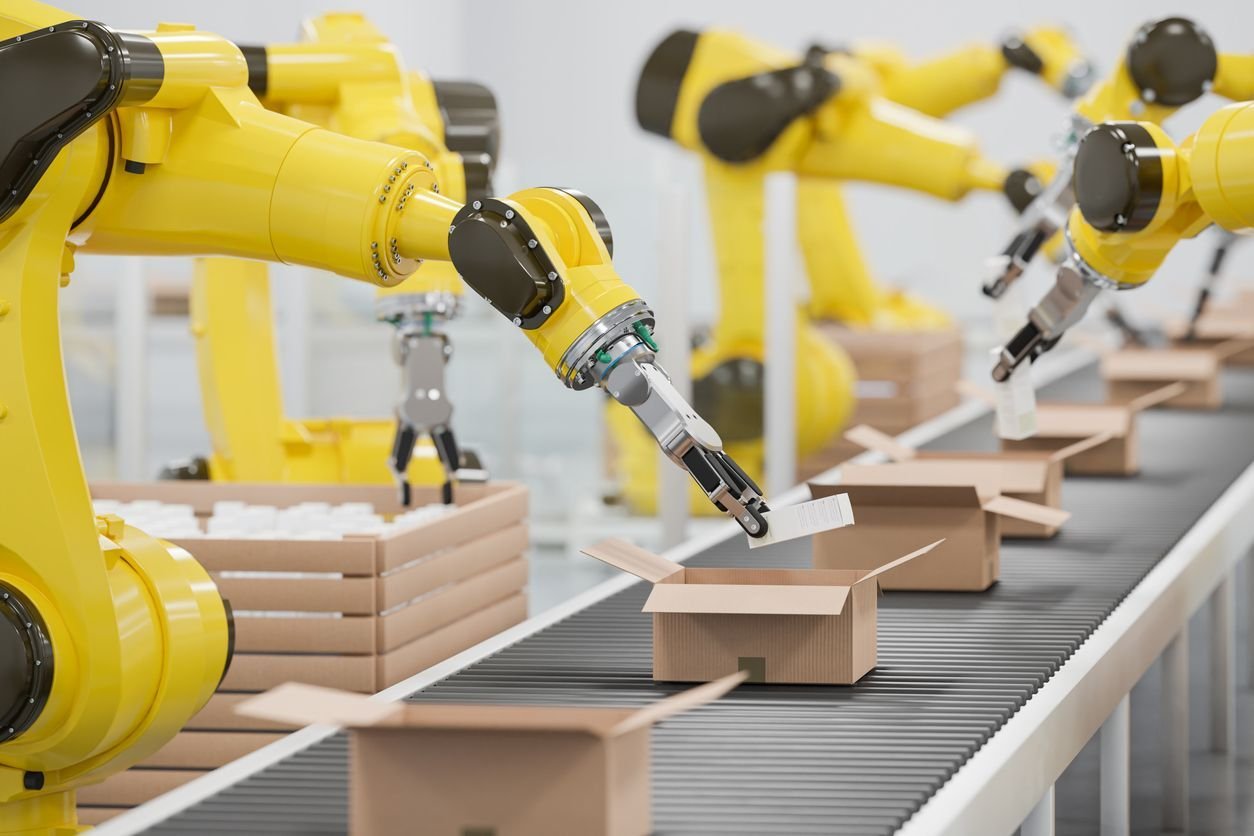
Hybrid material handling system combining conveyor belts and autonomous mobile robots (AMRs) for efficient warehouse material flow

Conveyors vs AMRs: Designing Material Flow in Hybrid Facilities

Modern warehouses and manufacturing facilities face a fundamental decision when designing material handling systems: should they invest in traditional conveyor infrastructure, adopt autonomous mobile robots (AMRs), or implement a hybrid approach combining both technologies? This choice significantly impacts operational efficiency, flexibility, and long-term scalability across warehouse automation, warehouse operations, and production facilities.

Understanding the Core Technologies


Conveyor systems represent the established backbone of material flow in countless facilities worldwide. These fixed-path conveyor solutions move products along predetermined routes using conveyor belts, rollers, or chains. They excel at handling high volumes of materials between fixed points with minimal human intervention, particularly in order fulfillment, packaging systems, and other repetitive logistics operations.

AMRs, by contrast, represent the newer generation of material handling technology. These self-navigating robots use sensors, cameras, Artificial Intelligence, and sophisticated software to move independently through facility spaces. Unlike their AGV predecessors, including traditional Automated Guided Vehicle and automated guided vehicles that often require magnetic strips or wires, AMRs navigate dynamically using a real-time navigation system and obstacle avoidance.

When Conveyors Deliver Superior Performance

Conveyor systems maintain distinct advantages in specific operational contexts. High-volume, repetitive material flows between fixed locations benefit enormously from conveyor infrastructure. A distribution centre processing thousands of parcels hourly through a central sortation system demonstrates this strength perfectly.


The predictability of conveyor systems ensures consistent throughput rates. Operators can calculate precise capacity limits and plan operations accordingly. This reliability proves particularly valuable in environments where product flow patterns remain stable over extended periods, including larger production facilities and established distribution operations.

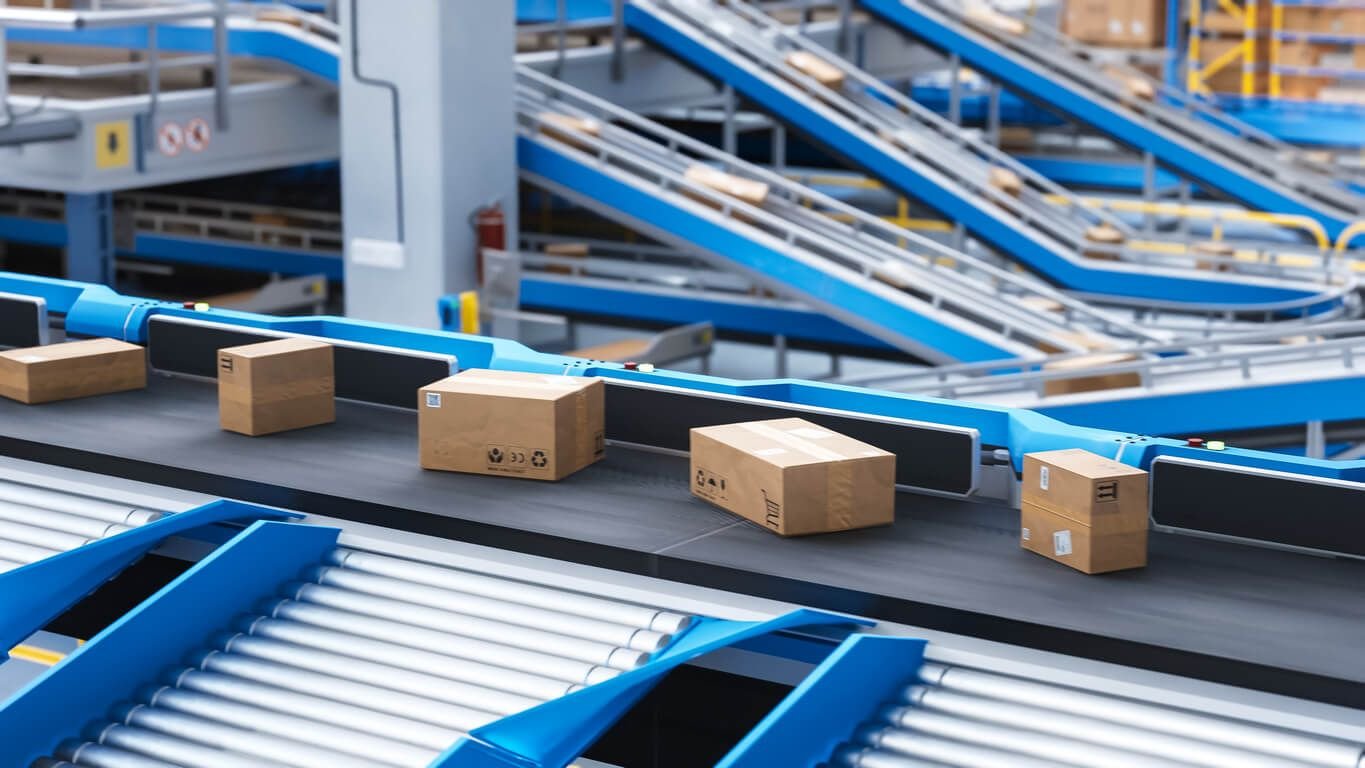
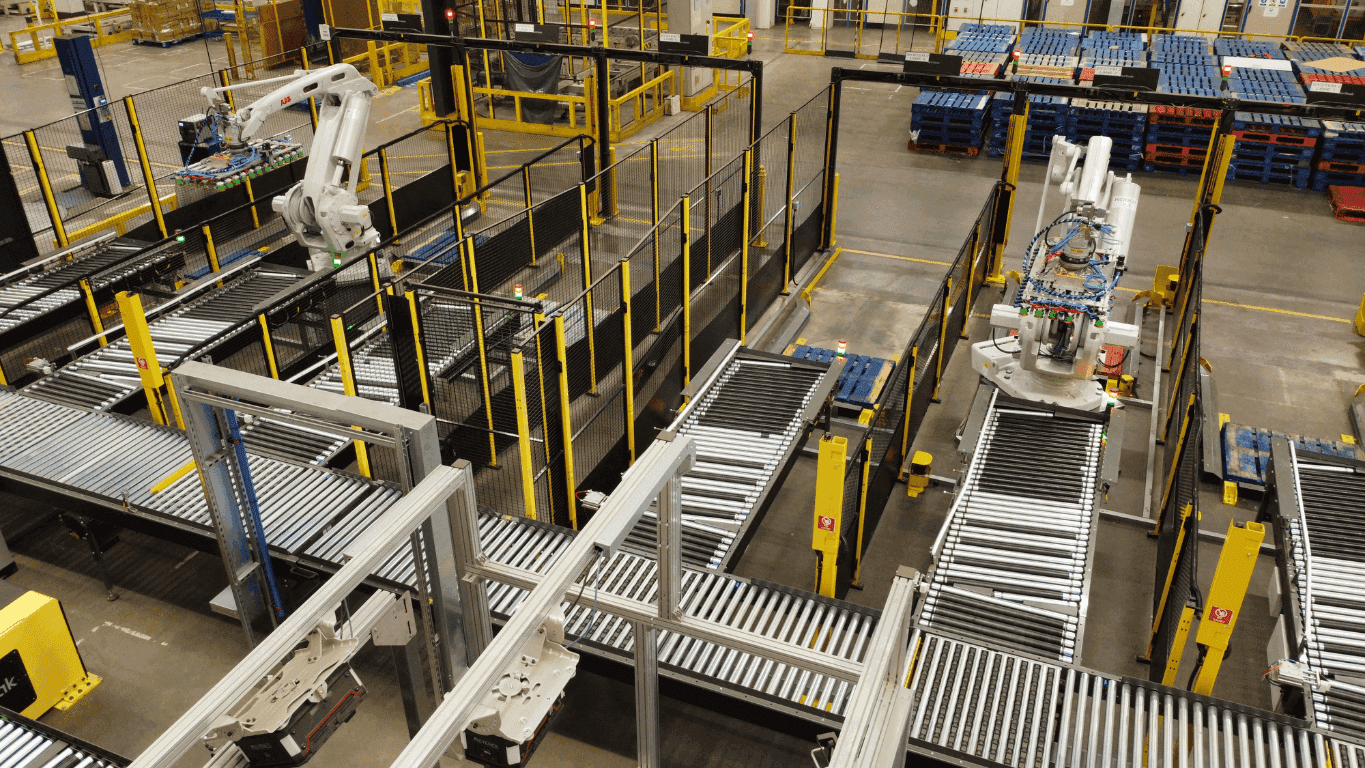
Smart conveyor systems supporting automated material handling in an Industry 4.0 warehouse environment

Energy efficiency represents another conveyor advantage when handling continuous, high-volume flows. Once installed, conveyor systems consume relatively modest power compared to multiple AMRs covering the same distance repeatedly. The infrastructure cost distributes across enormous throughput volumes, reducing per-unit handling expenses.


Conveyor systems also integrate seamlessly with automated sortation equipment, barcode scanners, weight scales, and broader warehouse control systems. This integration creates comprehensive material handling solutions without requiring complex coordination between separate systems.

Where AMRs Demonstrate Clear Value

AMRs shine brightest in dynamic environments where flexibility outweighs raw throughput capacity. Facilities handling diverse product ranges with varying demand patterns benefit from AMR adaptability. These robots can be reassigned to different tasks or routes through simple software updates rather than expensive physical modifications.


Implementation speed gives AMRs a significant edge over conveyor installations. Deploying AMRs requires minimal facility modification, avoiding the lengthy construction projects associated with conveyor networks. Operations can commence within weeks rather than months, and the system can begin delivering value immediately.


Scalability represents perhaps the most compelling AMR advantage. Facilities can start with a small AMR fleet and expand incrementally as demand grows. This approach distributes capital expenditure over time and allows operations to scale precisely with business needs. Conveyor systems, conversely, require substantial upfront investment in infrastructure that may sit underutilised during demand fluctuations.


AMRs also navigate around obstacles and adapt to changing facility layouts without service interruptions. Seasonal storage configurations, temporary warehouse expansions, or operational adjustments present minimal challenges to AMR systems. In many warehouse automation environments, they also support better inventory tracking, more efficient load collection, and improved use of available warehouse space.

Designing Effective Hybrid Solutions

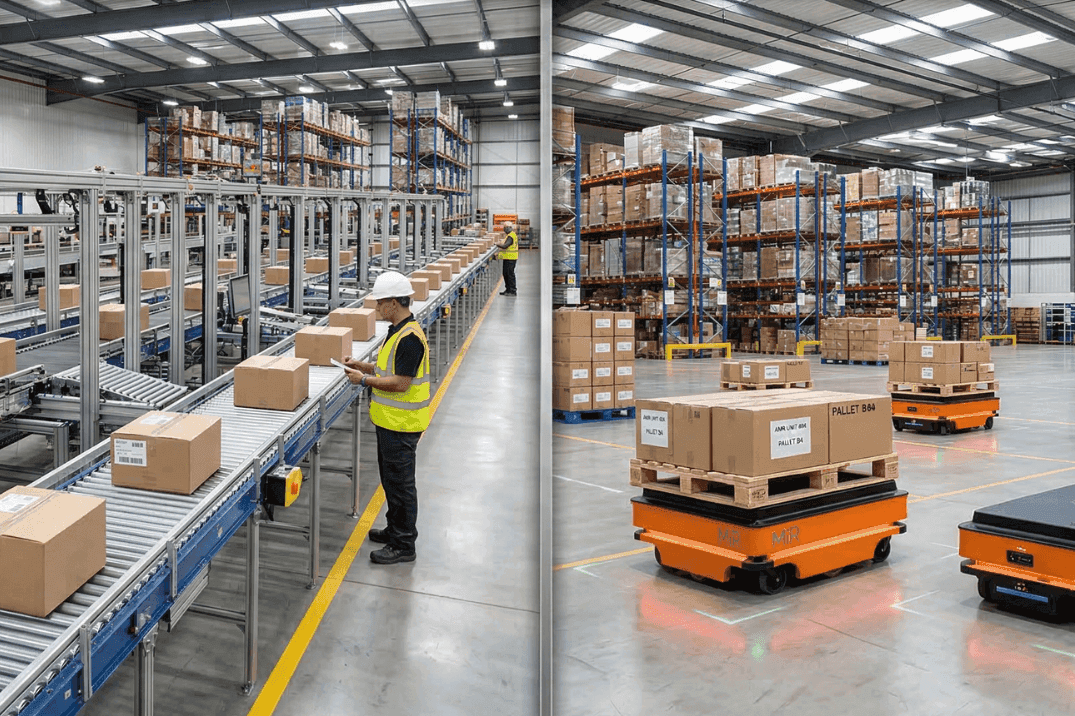
Forward-thinking facilities increasingly recognise that the conveyors versus AMRs question presents a false dichotomy. Hybrid approaches leverage each technology's strengths whilst mitigating individual weaknesses. A typical hybrid configuration might employ conveyors for primary, high-volume material flows along fixed routes. Goods arriving at loading docks travel via conveyor to central storage or sortation areas. AMRs then handle the more variable tasks: transporting items from storage to packing stations, moving materials between different facility zones, or servicing workstations with fluctuating demand patterns.


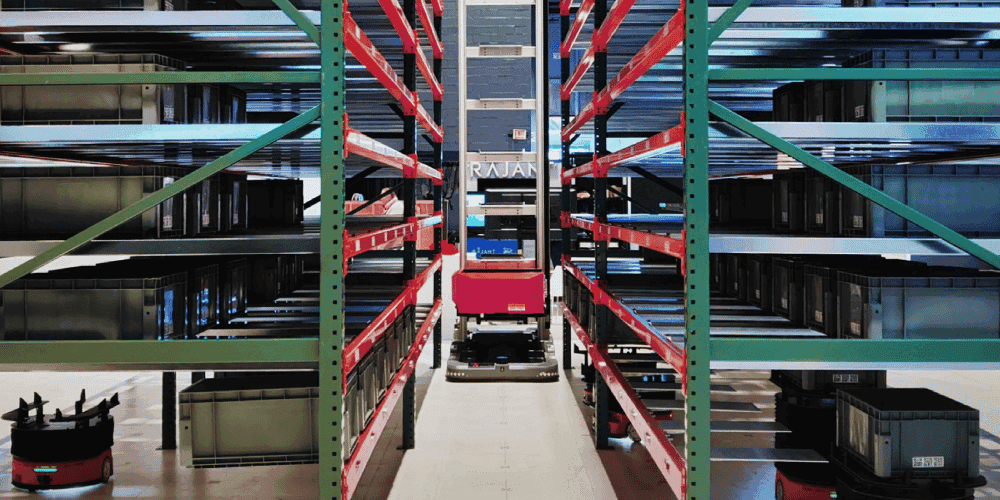
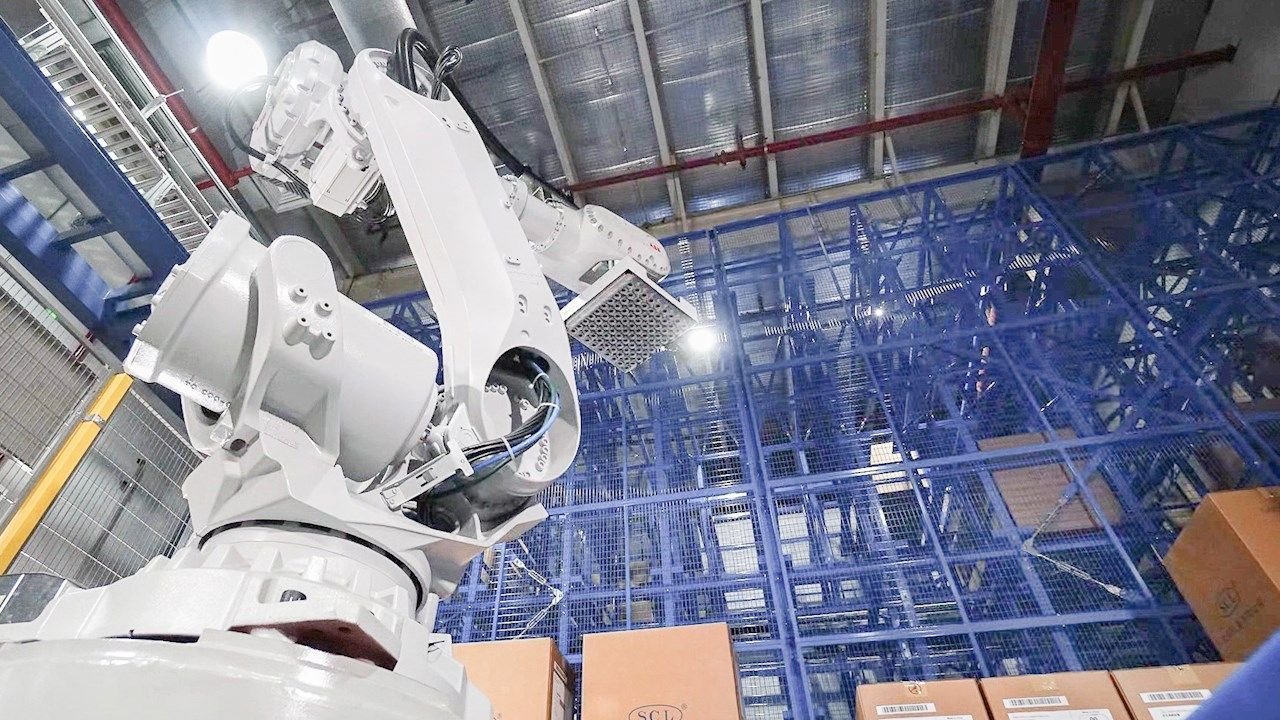
This division of labour optimises capital allocation. Significant infrastructure investment focuses on the most stable, predictable material flows where conveyors excel. More flexible AMR deployments address the variable elements that would require expensive conveyor modifications or redundant capacity. In more advanced environments, these hybrid systems can also sit alongside warehouse management systems, warehouse control systems, and even automated storage and retrieval systems to support broader storage automation strategies.

amr warehouse

Key Design Considerations for Hybrid Systems

Successful hybrid implementations require careful planning around several critical factors. Integration between conveyor and AMR systems demands robust software platforms that coordinate handoffs between technologies. Materials must transfer smoothly from conveyor termination points to AMR pickup locations without creating bottlenecks.


Traffic management becomes crucial in facilities operating both technologies. AMRs require adequate clearance around conveyor systems and must navigate safely in zones where human operators interact with conveyors. Designated AMR pathways that cross under or around conveyor networks prevent conflicts and maintain operational flow.


Maintenance strategies must accommodate both technologies. Conveyor systems benefit from predictive maintenance schedules based on operational hours, whilst AMR fleets require battery management protocols and software updates. Facilities need personnel trained across both platforms or specialist teams for each technology.


Future expansion plans should inform initial hybrid designs. Infrastructure decisions made today constrain tomorrow's options. Facilities should identify which material flows will likely remain stable long-term versus which areas might require increased flexibility as operations evolve. That is especially important in sectors such as food and beverage, where throughput, hygiene, and layout requirements can shift quickly.

Making the Right Choice for Your Operation

The optimal material handling strategy depends entirely on specific operational requirements rather than technology preferences. Facilities should evaluate current throughput volumes, material flow stability, space constraints, and growth projections before committing to either approach.


High-volume operations with established processes and predictable demand patterns typically justify conveyor investments. Businesses facing uncertainty, rapid growth, or diverse handling requirements often find AMRs deliver superior returns. Most medium to large facilities, however, will likely discover that thoughtfully designed hybrid systems provide the best balance of efficiency, flexibility, and long-term value. For many organisations in the material handling industry, that also means reducing manual handling, improving order fulfillment, and creating more resilient logistics operations over time.

AMR AND AGV APPLICATIONS SUITABLE FOR MATERIALS HANDLING OPERATIONS.png
Ready to optimise your material flow?