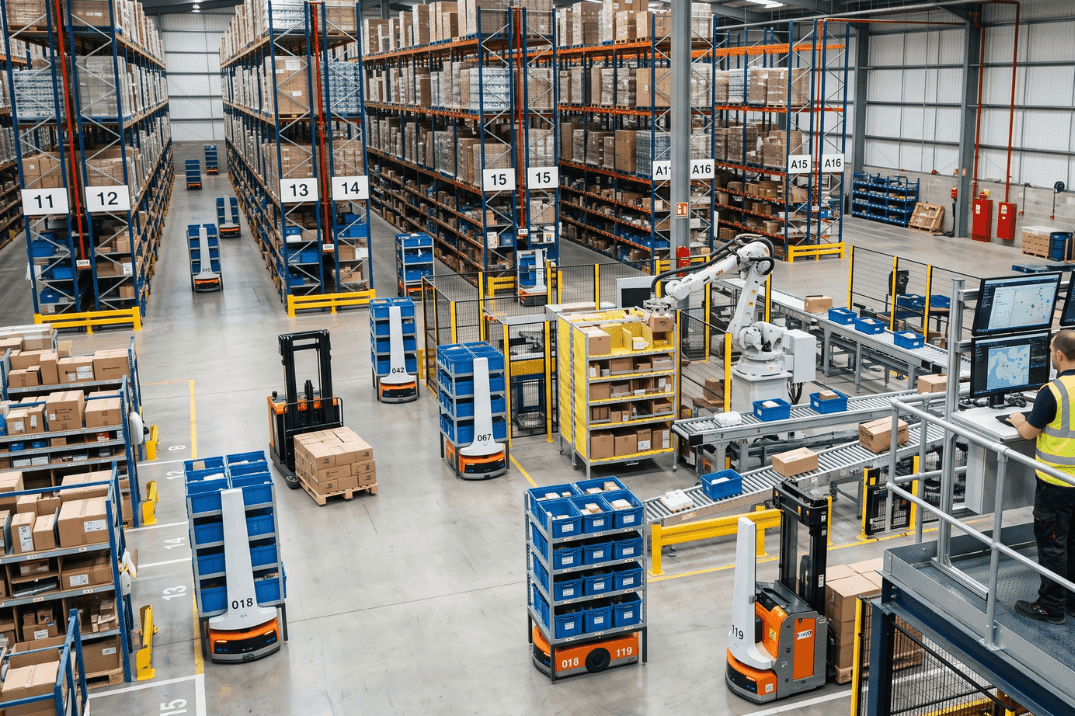
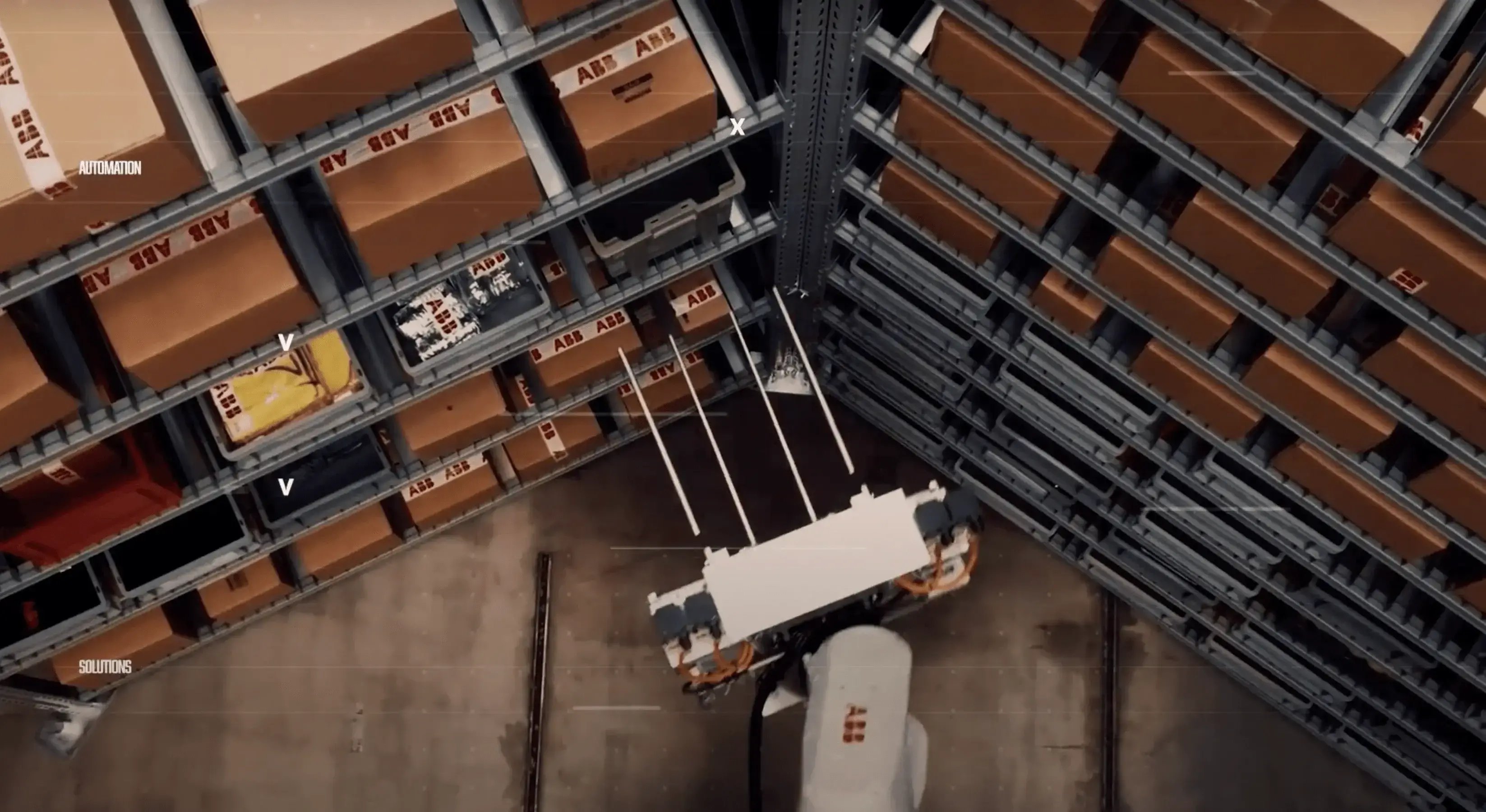
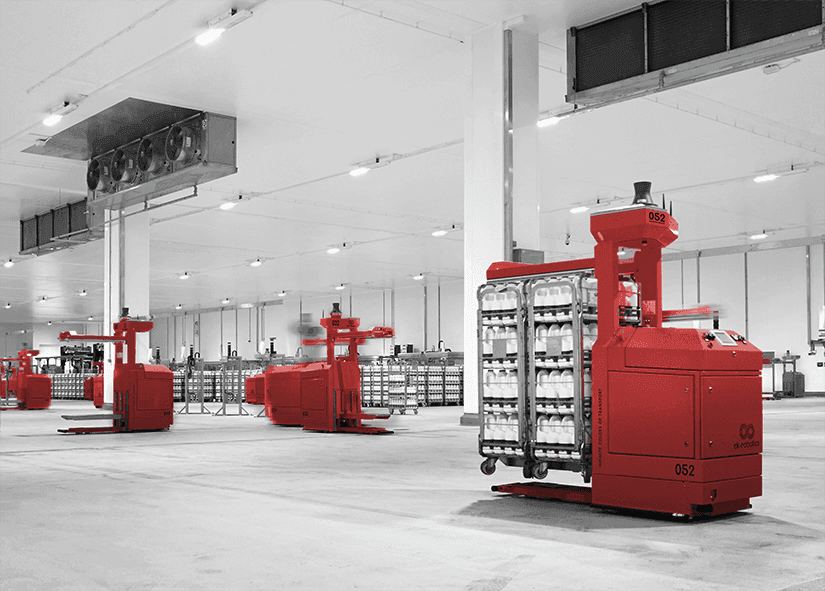
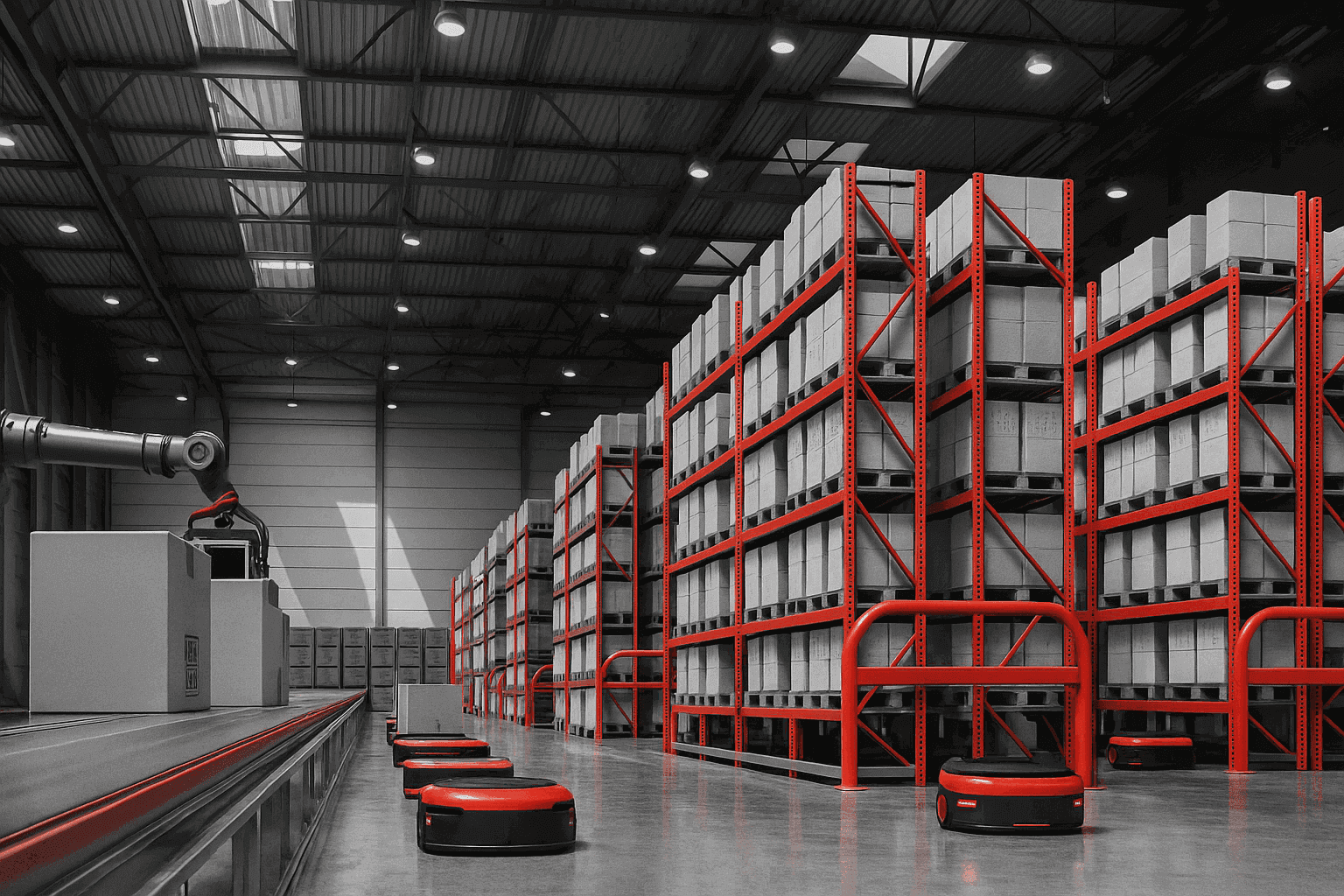
Automated picking systems improve order fulfilment speeds by up to 300%, and warehouses that have adopted automation technologies have seen a 25% reduction in workplace injuries and a 35% increase in productivity. Faster, more accurate order picking also feeds directly into customer satisfaction, protecting service levels during peak demand.
Robots do not call in sick, do not fatigue after long shifts, and do not require overtime rates during peak periods. For operations running double or triple shifts around key retail events, this consistency translates directly into throughput reliability and cost predictability.
Warehouse Automation Robots Across Sectors
The demand for warehouse automation robots spans a wide range of industries. Retail and e-commerce operations were early adopters, driven by same-day and next-day delivery expectations and the high volume, mixed-SKU nature of order profiles. Grocery distribution followed, with ambient, chilled, and frozen environments all now increasingly served by robotics deployments. 3PL providers represent another significant cohort: the ability to scale robotic capacity in line with contracted volumes makes automation a scalable solution that matches the flexibility 3PLs need to serve multiple clients.
Food and beverage, pharmaceutical, and manufacturing distribution are also investing, particularly where hygiene requirements, product fragility, or regulatory compliance make manual handling less desirable.
Warehouse automation robots do not operate in isolation. Their value depends on tight integration with the wider stack of digital technologies: warehouse management systems (WMS), warehouse control systems (WCS), the production scheduling system, and increasingly, artificial intelligence that optimises task allocation in real time. Acting as a supply chain control layer, the WCS is the central nervous system, directing robot fleets alongside conveyor systems, sortation equipment, and manual workstations to ensure the facility operates as a unified whole rather than a collection of disconnected technologies.
Seamless integration between robotics and control software is what separates a high-performing automated facility from one that has simply added robots without realising their full potential.