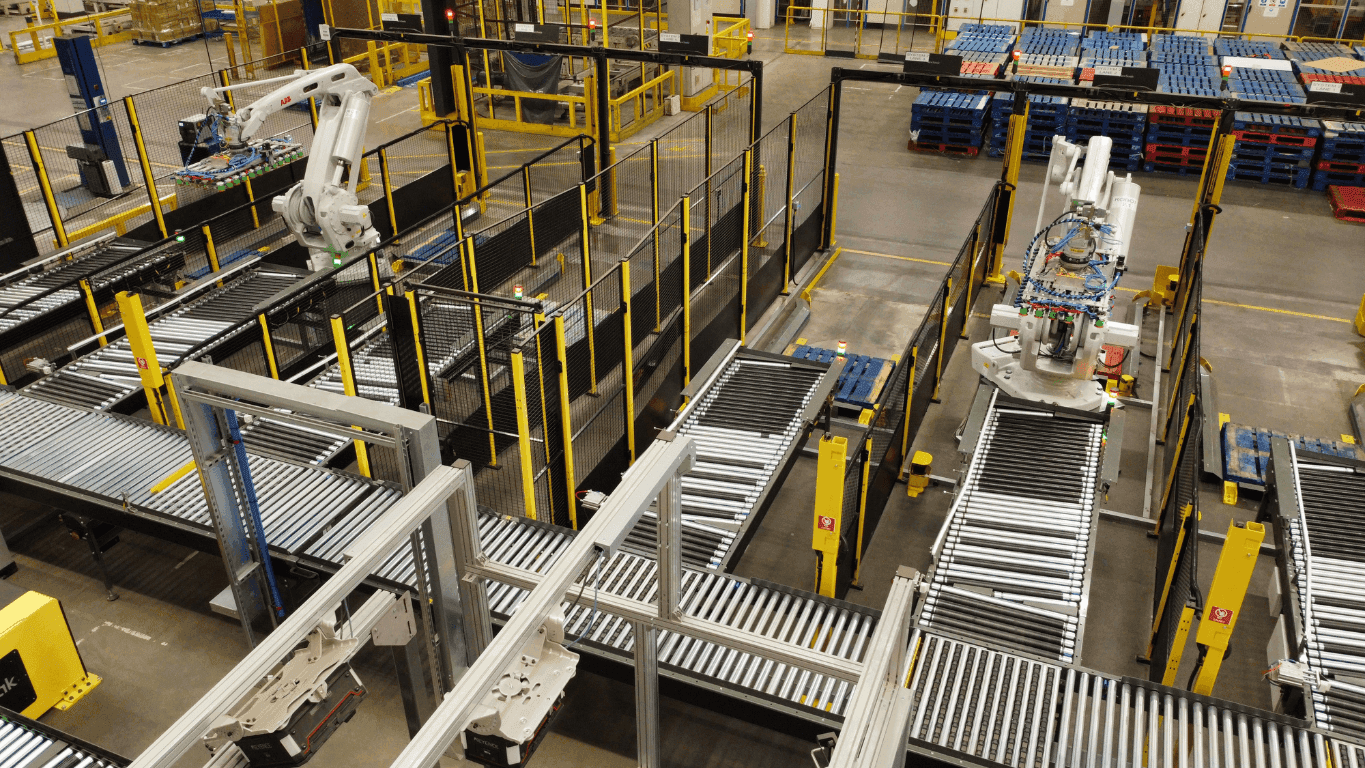
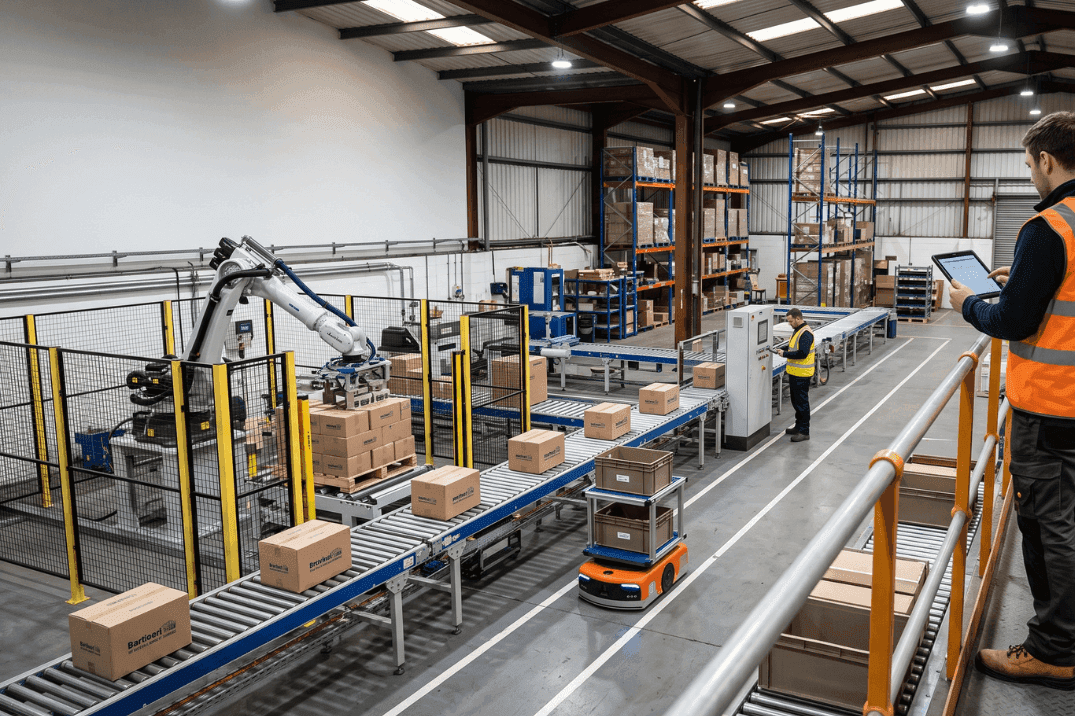
Integrated warehouse automation system combining robotic palletising, conveyors and autonomous mobile robots

How to Choose a UK Robotics & Automation Systems Integrator

Across the UK, manufacturers, retailers, and logistics operators are increasingly turning to automation to address persistent challenges: labour shortages, rising operational costs, and the demand for faster, more accurate fulfilment.

Selecting the right UK automation integrator is one of the most consequential decisions a business can make in this process. The wrong choice can result in costly delays, incompatible automation systems, and solutions that fail to scale. The right robotics integrator delivers a bespoke solution engineered around the specific needs of the operation, whether in UK manufacturing, warehousing, or factory automation.

In short: a good automation integrator combines robots, conveyors, and control software into one working system. Choose on sector experience, in-house engineering, the breadth of their technology partners, and the strength of their post-installation technical support.

What Is a Robotics Systems Integrator?

A UK automation integrator, also known as a robotics systems integrator, robot integrator, or robotic integrator, is a specialist company that designs, supplies, installs, and commissions automated systems within industrial or warehousing environments. 


Rather than manufacturing a single product, robot integrators and robotic integrators bring together a wide range of technologies, from conveyors and automated machines to warehouse control software and autonomous mobile robots (AMRs), combining them through system integration and system engineering into a cohesive, operational solution.

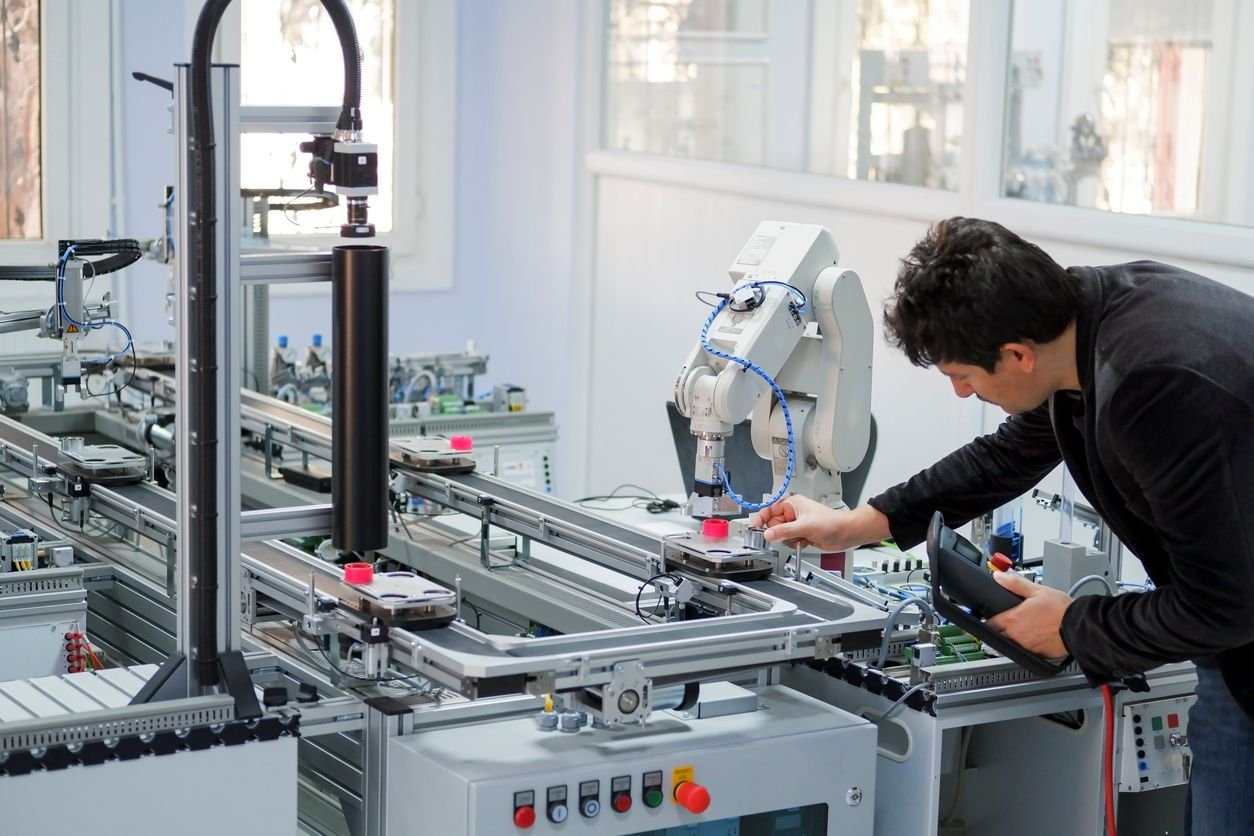
Automation engineer commissioning a robotic cell with industrial robot, conveyor and autonomous mobile robot

This is the key distinction from robot manufacturers: manufacturers build the industrial robots, while robotics systems integrators handle the robot integration and robotic integration that turn individual machines into a working line. 


In many cases, the most capable UK automation integrators also develop proprietary software platforms that sit above the hardware layer, giving operators real-time visibility and control across the entire robotics solutions stack.

Robot manufacturer
  • Builds the industrial robots and robotic arms
  • Supplies individual machines and components
  • Focus is the hardware product
Robotics systems integrator
  • Combines robots, conveyors, tooling, vision and control software
  • Designs, installs and commissions the whole working system
  • Often adds proprietary software for real-time visibility
  • Owns the ongoing support relationship

What to Look for in a UK Automation Integrator

Not all integrators operate at the same level. When evaluating a robotic systems integrator, several factors consistently separate strong performers from the rest:

Sector experience

Proven work in your sector means a deeper grasp of your operational constraints, compliance, and throughput demands.

In-house engineering

Own design, manufacturing and software teams give tighter quality control and clearer accountability than pure third-party assembly.

Technology partners

The breadth and credibility of partnerships, and bodies such as the Robotics Industries Association, signal the range they can deploy.

Post-installation support

SLAs, remote diagnostics and field engineers determine how reliable the system stays after go-live.

Why Bespoke System Design Matters

Off-the-shelf automation rarely fits the specific constraints of a real facility. Building heights, floor loadings, existing infrastructure, product profiles, and peak throughput demands all influence what a system must deliver. A competent UK automation integrator will conduct thorough site surveys and detailed process analysis of your production processes before producing a design, defining the safety features and operating procedures the system must meet. The result is a bespoke solution that performs to the precise requirements of the operation, rather than a generic configuration that requires the business to adapt around the technology. This distinction matters considerably when the operational environment is complex or the throughput targets are demanding.


Conveyors, Robotics, and Control Systems: What an Integrator Brings Together

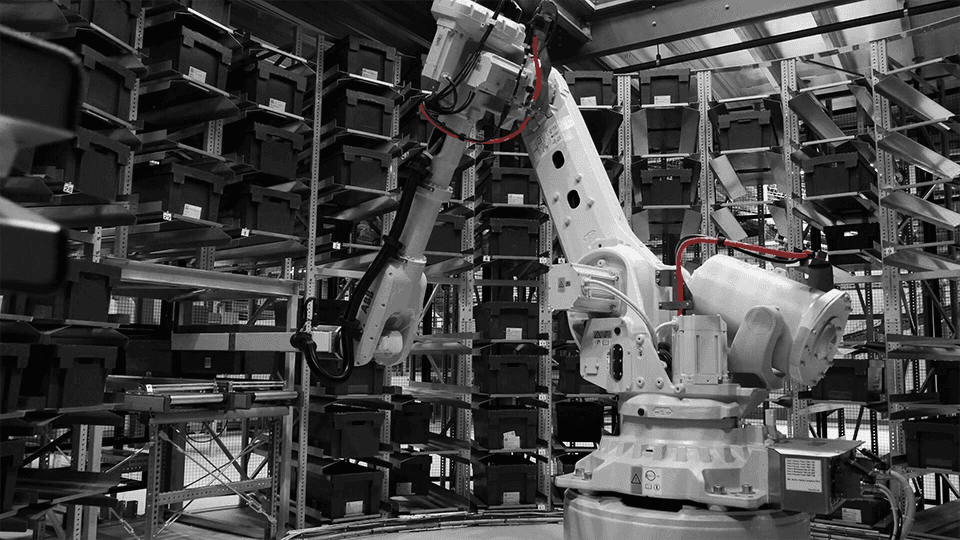
Modern automation projects typically combine several interconnected technologies. Conveyor systems form the backbone of many warehouse and manufacturing environments, moving goods reliably at scale with minimal downtime. Robotic systems add speed, flexibility, and precision to picking, palletising, and sortation. A robotics integrator will specify the right robot type for each task, building robotic cells around industrial robotic arms fitted with the correct End of Arm Tooling, or end effectors, and guided by vision sensors for accurate placement and inspection. Depending on the manufacturing tasks involved, this may mean traditional caged automation or collaborative robot automation, where a collaborative application allows a robotic arm to work safely alongside operators.


Tying these together is the warehouse control system (WCS), a software layer that orchestrates every element of the automation architecture in real time, alongside goods-to-person automated storage and retrieval systems (AS/RS). The strongest UK automation integrators bring all three capabilities, hardware, robotics, and software, under one roof, ensuring seamless integration from the outset.


Questions Worth Asking Before You Commit

Before selecting a UK automation integrator, businesses should probe beyond the proposal document. Asking to visit a live reference site in a comparable sector provides direct evidence of how a system performs under real operational conditions. Understanding how the integrator manages project risk, particularly around delays to civils works or changes to product mix during the design phase, reveals the maturity of their delivery process. It is also worth clarifying who owns the support relationship post-handover, and what operating procedures and technical support are provided: the integrator directly, or a third-party maintenance provider.

Ask before you commit
?Can we visit a live reference site in a comparable sector?
?How do you manage project risk, such as civils delays or product-mix changes during design?
?Who owns support after handover, you or a third party?
?What operating procedures and technical support are included?

Choosing an Integrator for Long-Term Growth

The relationship with an automation integrator rarely ends at commissioning. As operations evolve, order profiles shift, and volume grows, the system must adapt. The most effective UK automation integrators design their robotic automation solutions for scalability from the start, building systems that can be extended or reconfigured without wholesale replacement.


Choosing a partner with the engineering depth and commercial commitment to support that evolution is not only a sound investment in current operational efficiency but also a foundation for sustainable growth across UK manufacturing and manufacturing automation.

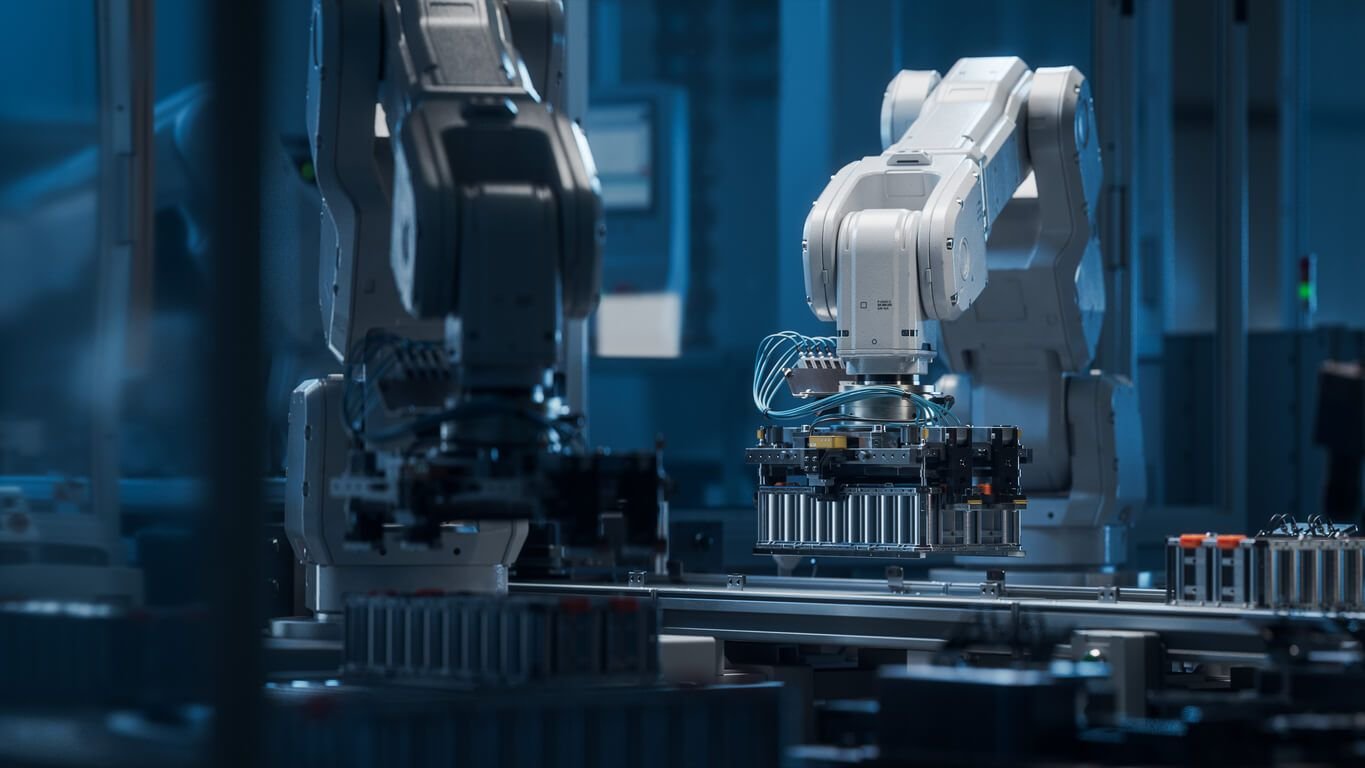
Modular robotic automation line with industrial robot arms and conveyor systems designed for future expansion

Find the right integration approach for your facility

We assess which integration approach best fits your facility, volume requirements, and growth trajectory.

Speak to a specialist

Frequently Asked Questions