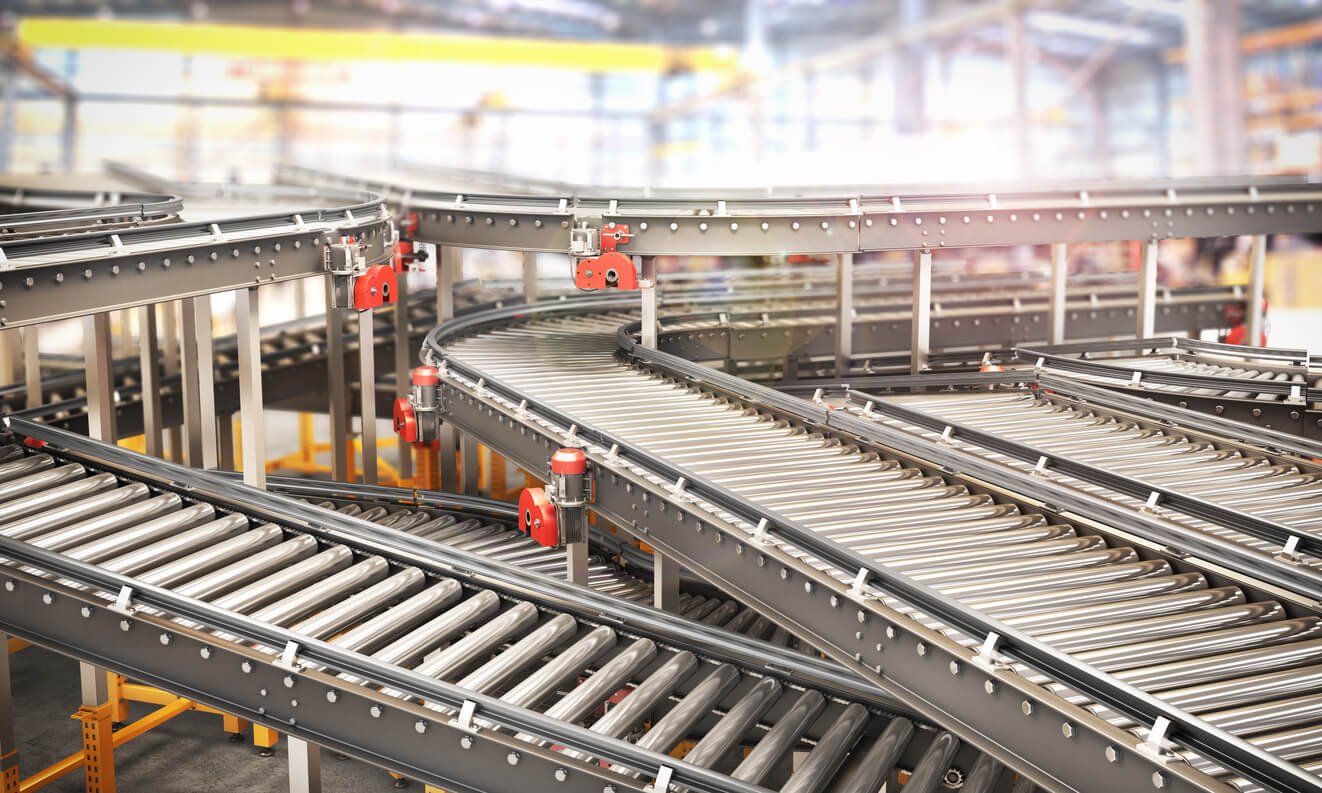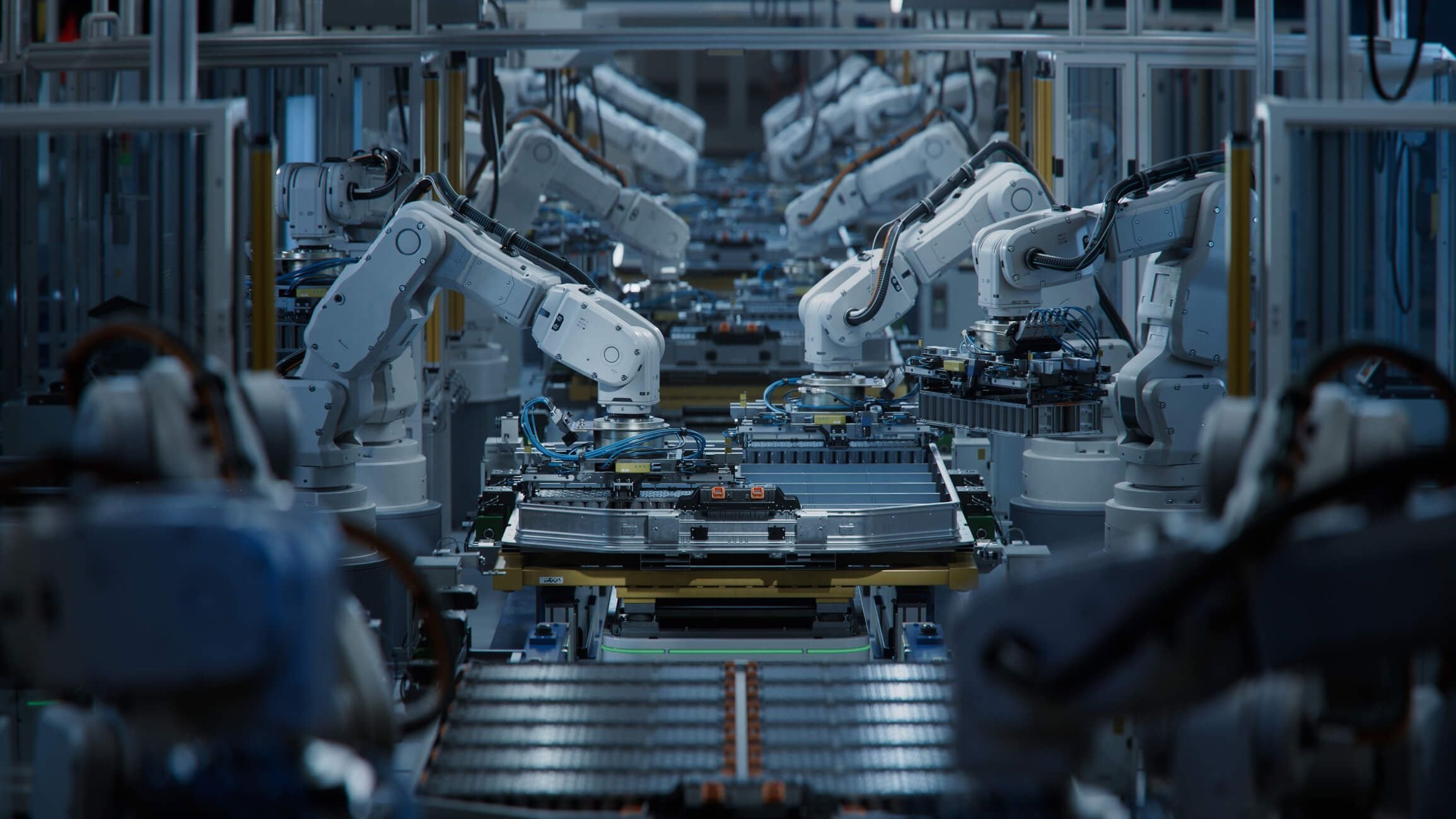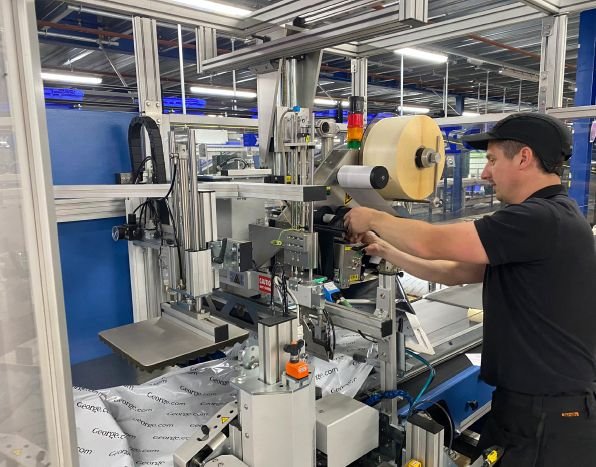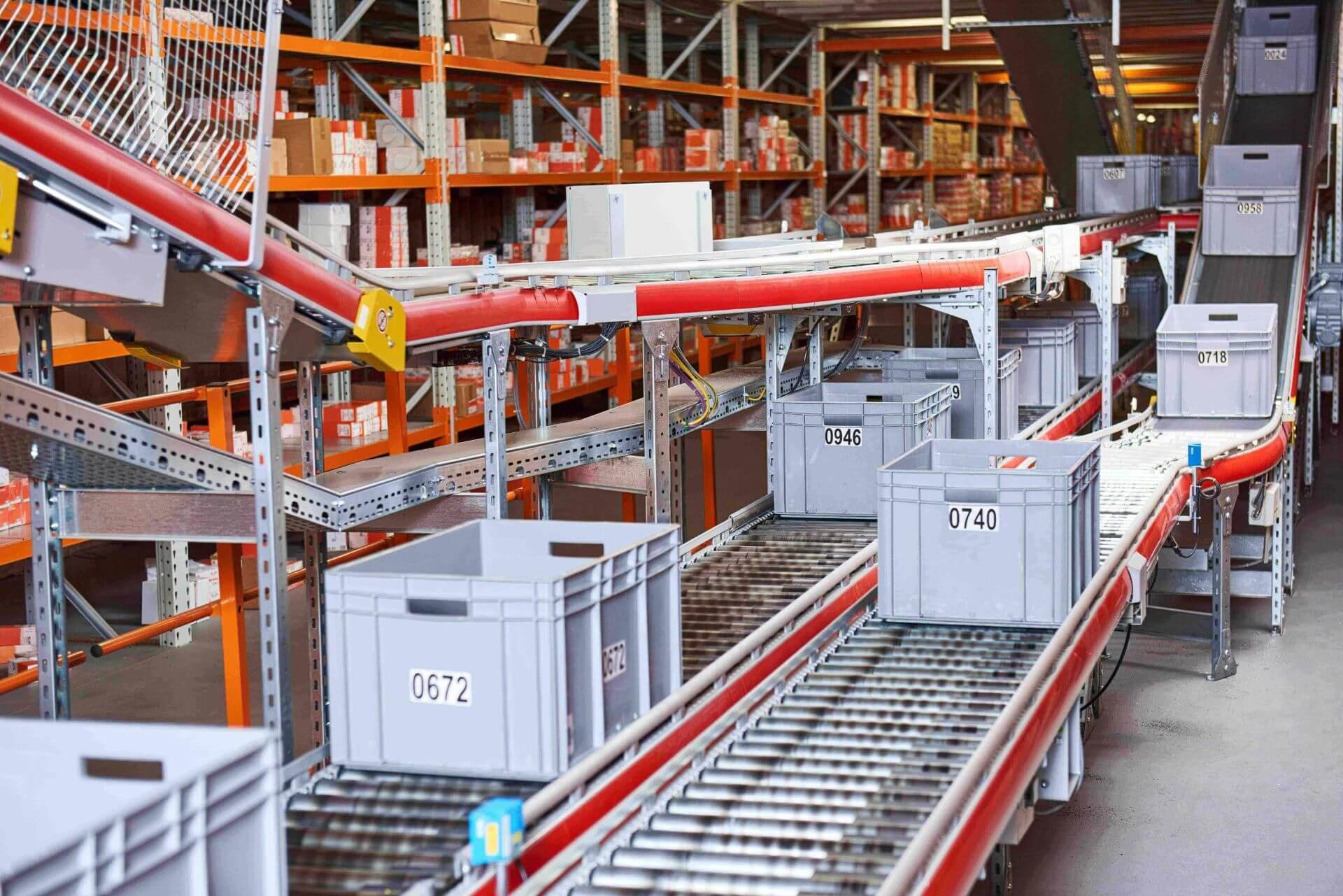
Smart conveyor systems supporting automated material handling in an Industry 4.0 warehouse environment

Automated material handling systems: streamlining operations with smart conveyor integration

Automated material handling systems have become essential infrastructure for modern warehouses, distribution centres, and manufacturing facilities. At the heart of this transformation lies smart conveyor integration, a technology-driven approach that combines traditional material movement with intelligent automation to deliver enhanced productivity, accuracy, and adaptability.

As UK industries face mounting pressure from labour shortages, rising customer expectations, and e-commerce growth, the adoption of automated material handling systems continues to accelerate. According to industry insights, the UK material handling equipment market is experiencing significant growth, driven by the need for scalable solutions that can meet fluctuating demand whilst maintaining operational resilience.

What are automated material handling systems?

Automated material handling systems encompass a range of technologies designed to move, store, control, and protect products throughout the manufacturing, warehousing, and distribution processes. These systems reduce reliance on manual handling, minimise errors, and optimise the flow of goods from receiving through to dispatch.


Within the wider material handling automation landscape, these systems include conveyor technology, ASRS modules, vertical lift modules, Shuttle systems, robotic picking systems, automated guided vehicles, AMRs, pick and place robots, automated shuttles, and Warehouse Automation software platforms used for Inventory Management and flow optimisation. When operating together, they form a fully connected automated handling system that enhances supply chain performance and supports efficient operations across fulfilment centres, manufacturing plants, and distribution centres.

Robotic pick-and-place system operating on a conveyor as part of an automated material handling system

The role of smart conveyor integration


Smart conveyor systems represent a significant evolution from mechanical handling systems used historically across the manufacturing sector and wider supply chain. Where traditional conveyors transported goods in a linear manner, smart conveyors actively support the production process with real-time monitoring, routing intelligence, and adaptive load handling.

These conveyors integrate seamlessly with automated material handling equipment to create a stable, high-throughput flow across the warehouse layout. They connect ASRS, Shuttle systems, robotic picking systems, automated guided vehicles, and AMRs, creating a reliable and synchronised transport network suitable for both light and heavy materials.

Key technologies within smart conveyor systems:

Sensors, IoT tracking, and machine vision for product identification and status

AI and Machine Learning for predictive maintenance and flow optimisation

PLC and SCADA systems for centralised process control

RFID and barcode scanning for accurate Inventory Management

Cloud connectivity for system diagnostics and automation industry reporting

Key benefits of smart conveyor systems


Smart conveyors support a wide range of performance improvements across warehouses, fulfilment centres, production facilities, and industrial automation environments.

They help operators increase throughput by aligning conveyor speeds with inputs from ASRS and robotic picking systems, enabling items to move quickly across the facility. Integrated sensors support quality control, and the reduction of repetitive manual handling tasks improves workplace safety.

Operational advantages delivered by smart conveyors:

Higher throughput and stable flow across the supply chain

Greater accuracy supported by vision technology and tracking systems

Reduced dependency on manual handling and labour-intensive tasks

Real-time operational visibility and early issue detection

Scalable system design suited to changing production environments

Integration with complementary technologies

The real value of modern automated material handling emerges when conveyors operate in harmony with other automation technologies. Shuttle Systems and Vertical Lift Modules supply items directly to conveyor lines, while robotic picking systems manage dexterous tasks at speed. Automated guided vehicles and AMRs deliver goods to conveyor infeed points, closing the loop between dynamic and fixed material handling processes.


Warehouse Automation platforms such as WMS and WCS allocate tasks, manage Inventory Management, and ensure that data flows between each automation layer. This level of integration strengthens supply chain management, supporting predictable performance across manufacturing plants, distribution centres, and large-scale fulfilment environments.

Industry applications


Smart conveyor integration is now standard across multiple sectors with complex Material Handling needs. E-commerce operations use automated material handling to manage rapid order fulfilment. Manufacturing plants rely on conveyors to support continuous production and manage heavy materials. Postal and parcel networks depend on high-speed sortation systems, and pharmaceutical operations deploy cleanroom-compatible conveyor solutions to support compliance requirements.

Industries relying on automated material handling include:

Distribution centres and fulfilment centres

Manufacturing sector and industrial automation environments

Food, beverage, and pharmaceutical processing facilities

Postal and parcel handling networks

Retail and e-commerce supply chain operations

Building a future-ready strategy

As technology advances and operational demands grow, the need for resilient, scalable automated material handling systems continues to rise. Smart conveyor integration provides the backbone of future-ready Warehouse Automation strategies, improving system uptime, safety, throughput, and quality control.


By combining conveyors with ASRS, Shuttle systems, robotic picking systems, automated guided vehicles, and advanced Inventory Management software, organisations create unified, high-performance material handling ecosystems capable of supporting evolving supply chain requirements. For businesses aiming to strengthen efficiency and remain competitive, automated material handling supported by intelligent conveyor integration represents a strategic investment for long-term operational success.

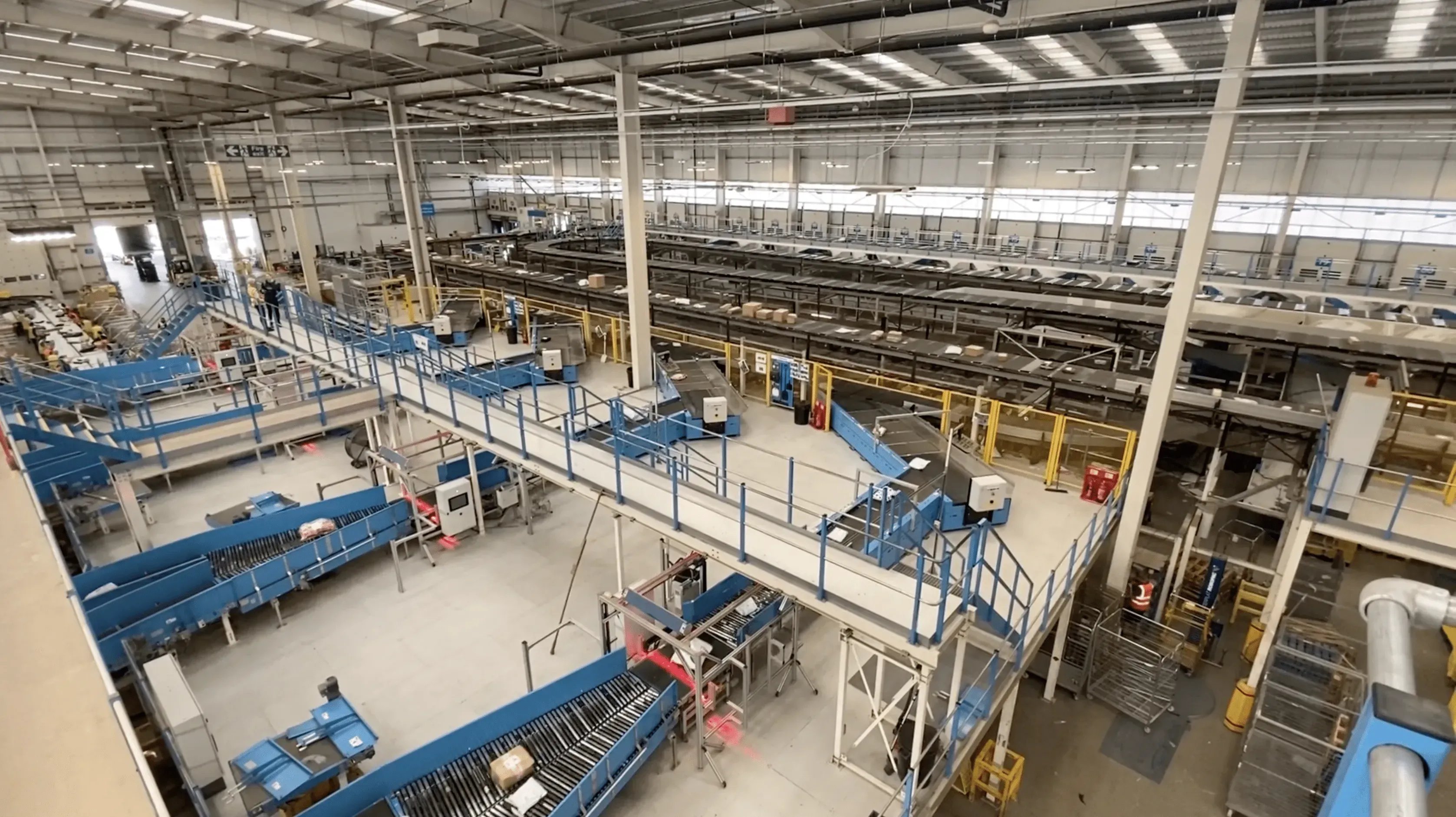
High-throughput conveyor network supporting future-ready automated material handling systems in a distribution centre