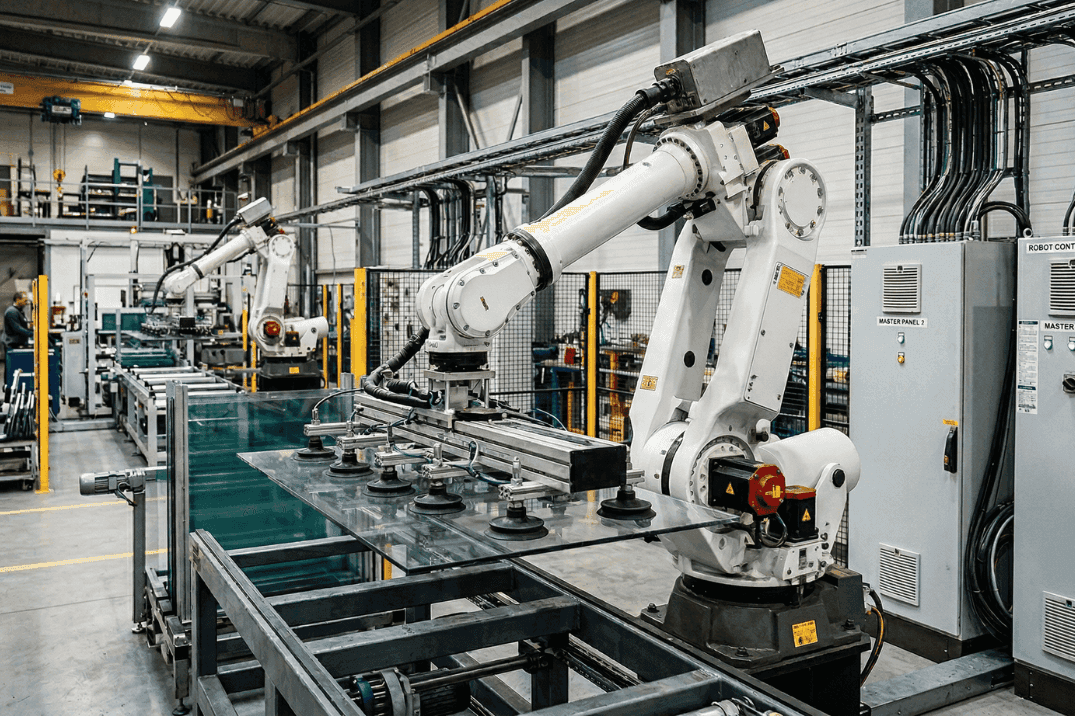
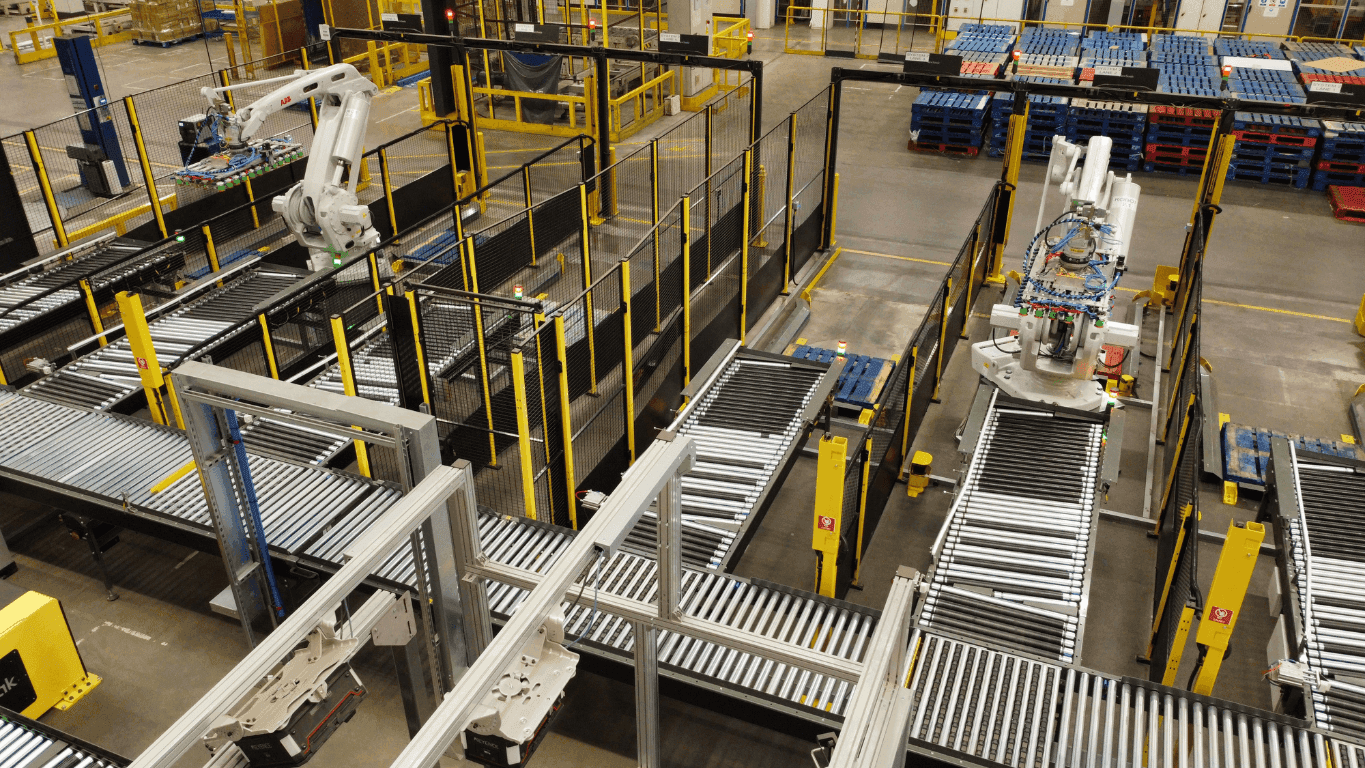
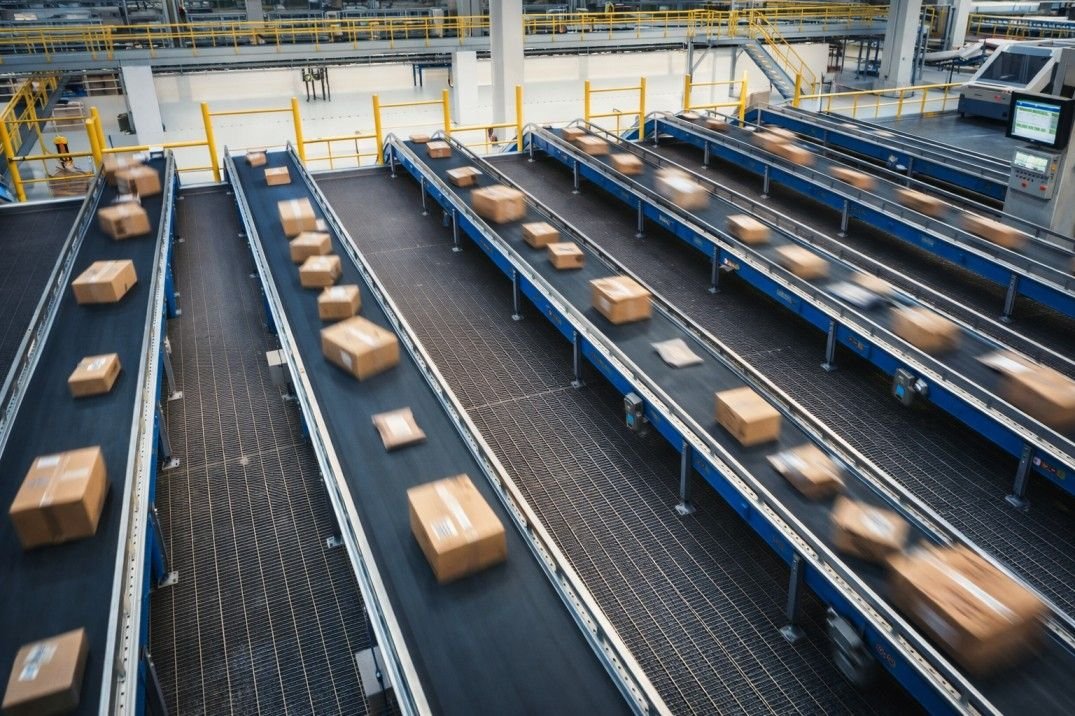
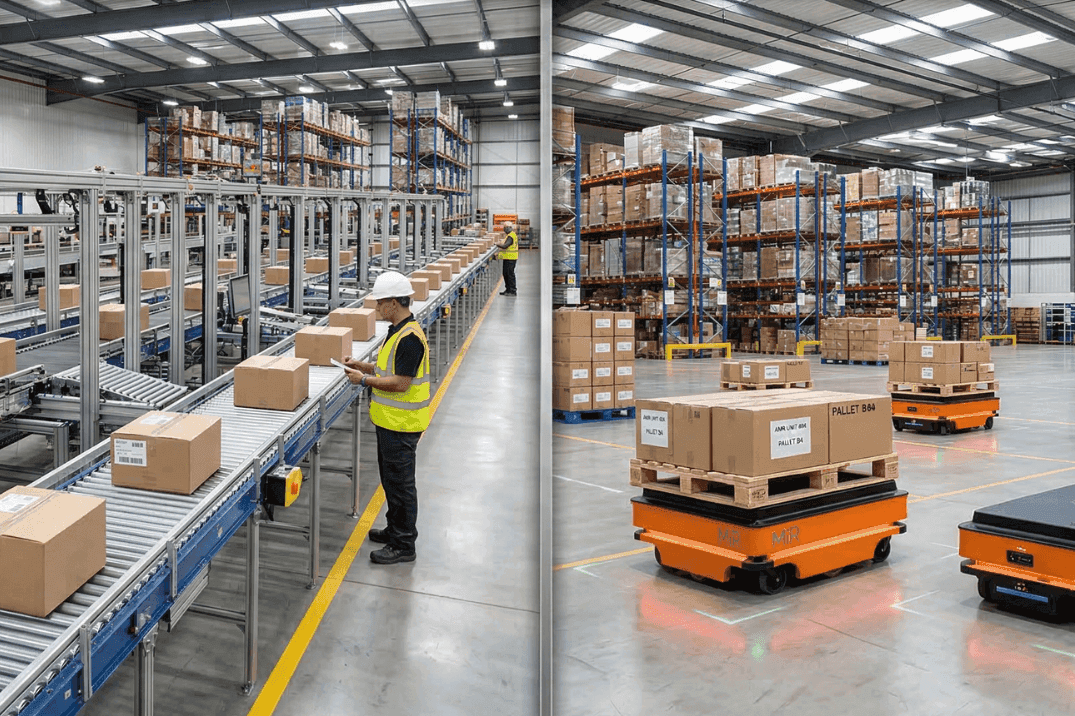
The interface between robotic and fixed automation systems requires careful integration, particularly where robot vision, vision systems, quality control, and upstream or downstream control system requirements must align. The resulting flexibility and performance balance justifies the additional engineering effort. This combined approach is increasingly common in UK logistics and manufacturing, where the diversity of product ranges and customer demands makes a single-technology strategy impractical.
It is also important to distinguish factory robotics from robotic process automation, which refers to software automation of digital workflows rather than physical handling or machine movement. Likewise, while interest in humanoid robots continues to grow, they are not the typical reference point for most industrial robotics & automation decisions on the shop floor today.
Making the Right Automation Investment
As UK manufacturers and logistics operators evaluate their automation strategies, the robotics vs automation decision should be driven by a clear understanding of operational requirements, product variability, and long-term growth plans. In simple terms, fixed automation is usually best for stable, high-volume production lines, while robotics is better suited to flexible, mixed-product environments where reconfiguration matters. The most effective solutions are those that match the right technology to the right application, delivering a scalable and future-proof operation that supports sustained competitiveness across manufacturing, logistics, and evolving supply chains.