cobots in warehouse setting

Cobots Are Not a Shortcut: When Collaborative Robots Are the Wrong Choice

Within the UK manufacturing and logistics sectors, collaborative robots, commonly known as cobots, have generated significant interest as a route to automation that avoids the complexity and cost of traditional industrial robotics. The perception that cobots are simpler to deploy, safer by default, and suitable for almost any application has led to widespread adoption, sometimes in contexts where they are not the most effective solution. Understanding when to use cobots, and critically, when not to, is essential for making sound automation decisions that deliver genuine operational value across production lines and wider automation projects.

What Makes Cobots Different from Industrial Robots?

Cobots are designed to operate in close proximity to human workers without the need for physical guarding such as safety fences or light curtains. They achieve this through force-limiting technology, rounded joint designs, and built-in safety monitoring that slows or stops the robot when contact with a person is detected or anticipated.


These safety features enable cobots to share workspace with operators, making them suitable for applications where human-robot collaboration is genuinely required. In industrial environments where human operators and robotic systems must work in the same area, that can be a meaningful advantage.
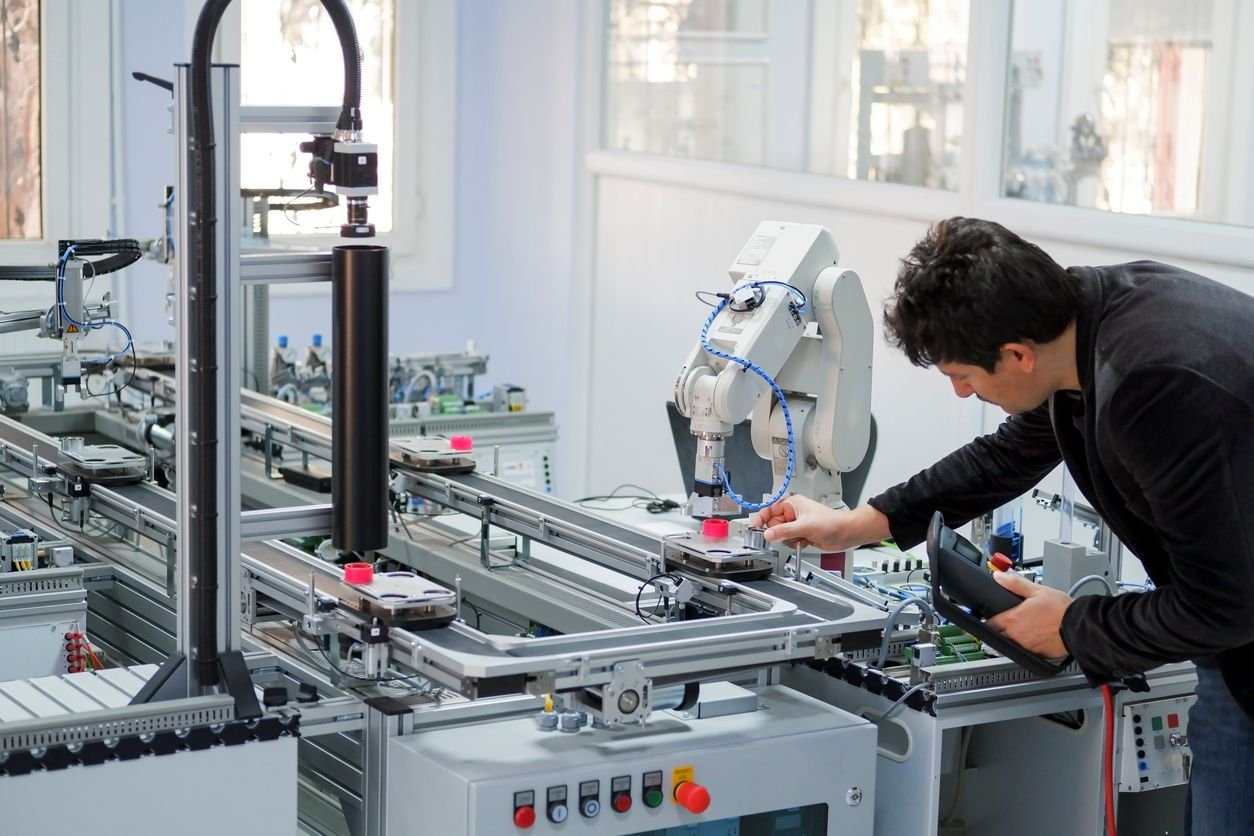
Collaborative Robotics cobots

However, the same safety features impose fundamental performance limitations that are often overlooked during the selection process, leading to deployments that underperform expectations. The distinction between what cobots can do and what they can do efficiently is critical to making the right choice.


In practical terms, cobots are best understood not as a universal automation solution, but as a specific type of robotic automation suited to particular operating conditions.


The Performance Trade-Offs of Collaborative Robots


The safety mechanisms that allow cobots to work alongside humans directly limit their speed, payload, and reach. Force-limiting technology requires cobots to operate at reduced speeds compared to industrial robots, and contact detection systems further constrain movement dynamics in shared spaces.

Key limitations to consider when evaluating when to use cobots include:

Reduced speed

Cobots operate significantly slower than equivalent industrial robots to maintain safe interaction with human workers, typically achieving cycle times two to three times longer than a guarded industrial robot performing the same task.

Lower payload capacity

Most cobots handle payloads under twenty kilograms, with many common models limited to five to ten kilograms, restricting the range of products and tasks they can address.

Limited reach

Cobot arms are typically shorter than industrial equivalents, restricting the workspace they can service and potentially requiring additional units to cover the same area.

Cycle time penalties

The safety monitoring overhead adds latency to every movement, reducing the achievable cycle rate even on tasks where the physical motion is well within the cobot's capability.

These trade-offs matter most on a fast-moving production line or assembly line, where cycle time, repeatability, and operational efficiency are often more important than shared-space capability.

When Cobots Are Not the Right Choice

The question of when to use cobots should be answered by examining whether human-robot collaboration is actually required during normal operation. In many deployments, cobots are installed in cells where no human interaction is needed during production cycles, eliminating the primary justification for their collaborative safety features while retaining all the associated performance penalties.


Scenarios where cobots are frequently misapplied include high-throughput applications where speed is critical and collaborative operation is not needed, heavy payload tasks that exceed cobot capacity, and dedicated automation cells where safety guarding is already planned or easily implemented.

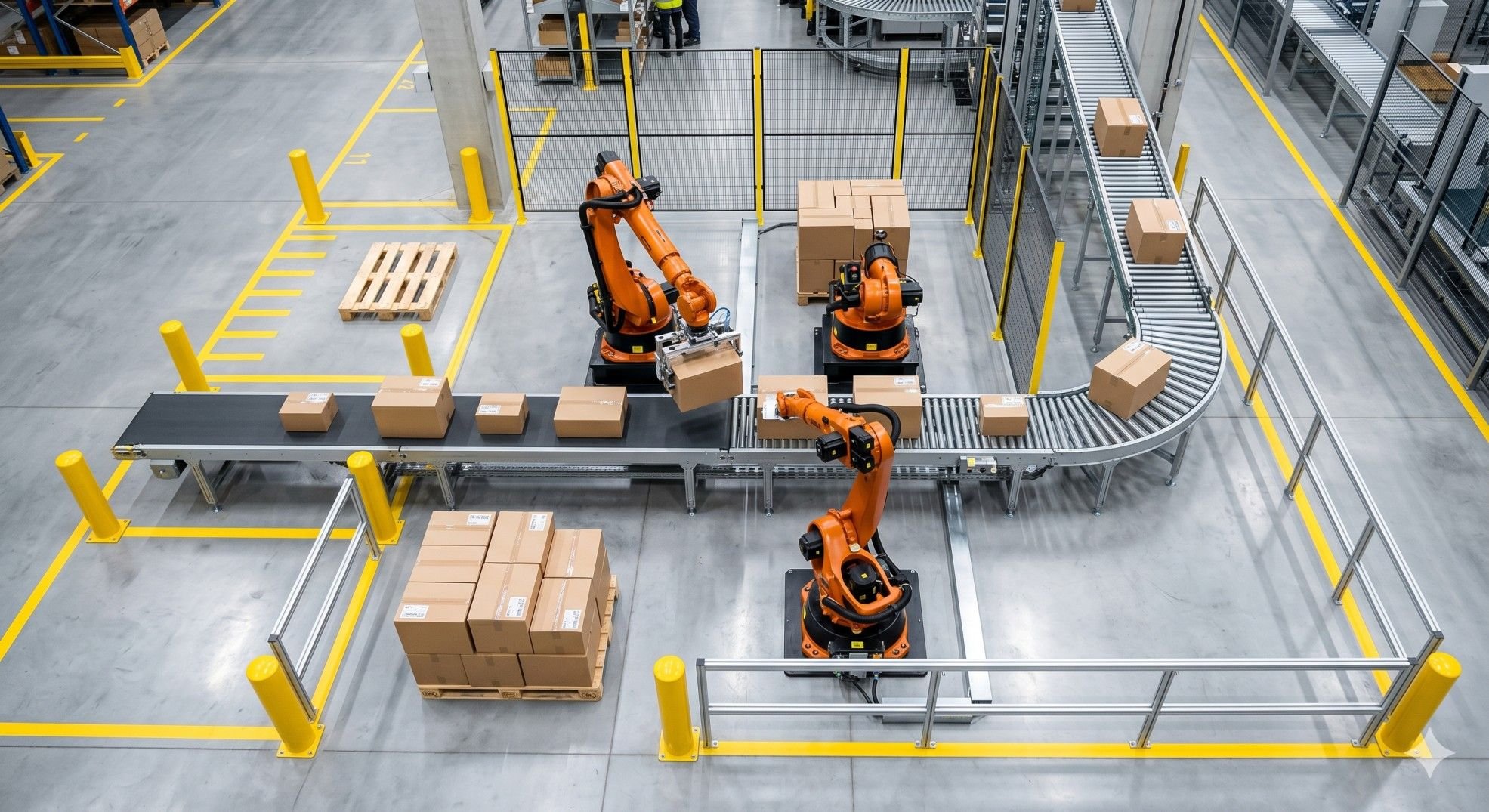
Robot-Human Collaboration

 In these cases, an industrial robot behind conventional guarding will deliver significantly higher performance at a comparable or lower total cost of ownership.


Cobots are also a poor fit where the process depends on maximum throughput, extended reach, or sustained handling performance across multiple production lines. Where the task is repetitive but isolated from human operators during normal running, conventional industrial robotic systems will often provide the stronger technical and commercial answer.

Where Cobots Genuinely Add Value


Cobots deliver genuine value in applications where close human interaction is a functional requirement of the process. Assembly tasks where an operator and robot alternate steps on the same workpiece, quality control or quality inspection stations where an operator loads parts directly into the robot's workspace, and flexible workstations where task sharing between humans and robots improves ergonomics and overall productivity are all strong use cases.


They can also be effective in selected machine tending applications, particularly where batches change regularly, floor space is tight, and the interaction between human operators and automation needs to remain flexible. In these cases, cobots can help reduce manual involvement in repetitive tasks without forcing a full redesign of the surrounding process.

Typical applications where cobots may add value include:

Low to medium speed assembly line support

Machine tending with frequent operator interaction

Quality control supported by vision systems

Precision work where safe human oversight is needed

Operations affected by labour shortages where partial automation is more practical than a fully guarded cell

In more advanced automation environments, cobots may also be paired with sensor technology, vision systems, or software features shaped by artificial intelligence and machine learning. These technologies can improve adaptability, but they do not remove the underlying physical limitations of collaborative hardware.

The Limits of the “Cobots Are Easier” Argument

One of the most persistent misconceptions in automation projects is that cobots are automatically the simpler or lower-risk choice. In reality, a cobot still requires tooling, integration, programming, risk assessment, and process design. If the task is poorly defined, if the application demands industrial robot performance, or if the operational objective is misaligned with the technology, the result will be a compromised system rather than a successful one.


This matters particularly in sectors such as the food industry and other regulated or high-throughput environments, where hygiene, consistency, precision work, and process reliability may place demands on the cell that collaborative robots cannot always meet efficiently.


The real question is not whether cobots are modern, accessible, or popular. The real question is whether collaborative operation is necessary enough to justify the associated performance constraints.

Making the Right Collaborative Automation Decision

As UK businesses evaluate their automation options, a clear understanding of when to use cobots ensures that investment is directed towards solutions that deliver genuine operational benefit. Selecting the right type of robot for each application, based on a realistic assessment of performance requirements and human interaction needs, is the foundation of a successful, scalable, and cost-effective automation strategy.


For some applications, cobots will be the correct choice. For others, conventional industrial robots or alternative automation solutions will provide better throughput, better economics, and stronger long-term operational efficiency. The most effective automation projects begin not with a preference for a technology, but with a realistic understanding of the process, the role of human operators, and the outcome the business actually needs to achieve.

Cobots in Manufacturing

Cobot or Industrial Arm: Which Delivers True ROI?

Don't sacrifice throughput for perceived simplicity. Our engineers help you navigate the trade-offs between collaborative safety and industrial speed to ensure your automation investment hits your cycle-time targets.