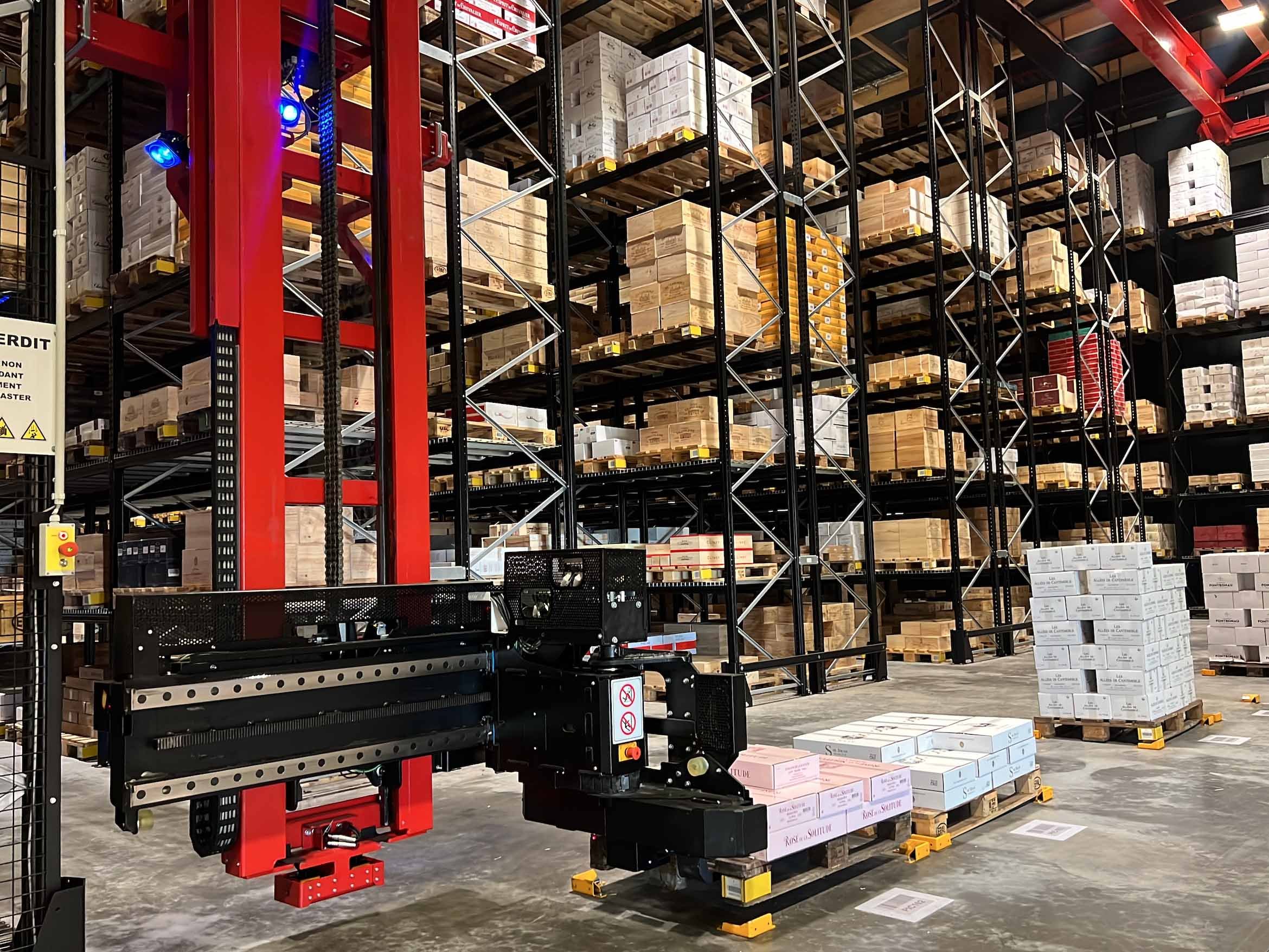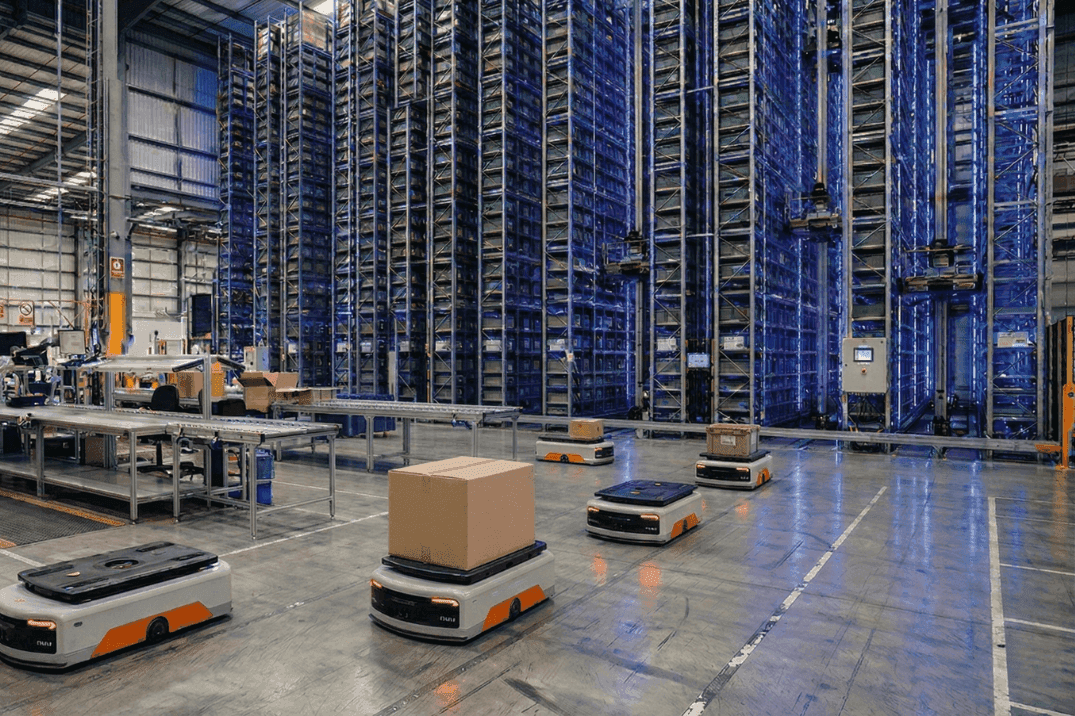
Autonomous mobile robots transporting goods alongside an automated storage and retrieval system in a high-density warehouse, illustrating flexible and scalable automation strategies

Why Robotics Projects Fail After Go-Live

Across the UK, an increasing number of businesses are investing in robotic automation to address labour challenges, improve throughput, and enhance operational consistency. Many of these projects are technically sound at the point of commissioning, demonstrating the capability to meet or exceed their design specifications under controlled conditions. Yet a significant number fail to deliver their expected value in the weeks and months that follow. The robotics implementation challenges that cause post-go-live failures are distinct from those encountered during design and installation, and they deserve far greater attention than they typically receive.

This is true across a wide range of industrial automation environments, from industrial robots on a manufacturing line to autonomous mobile robots supporting material handling and other robotic applications. In many cases, the issue is not whether the technology works, but whether the surrounding processes, support structures, and operating conditions allow it to perform reliably over time.

The Gap Between Commissioning and Sustained Performance

A robotic system that performs well during commissioning trials has demonstrated capability under controlled conditions with pre-selected products, managed timing, and engineering support readily available. Go-live introduces the full complexity of real operations: variable product quality, inconsistent upstream supply, operator interactions, shift changes, and the cumulative effects of sustained running without the support team present.


The transition from commissioning to sustained production is where many of the most significant robotics implementation challenges emerge. Systems that appeared robust in testing reveal weaknesses when subjected to the variability, pace, and relentless demands of live operations over extended periods.

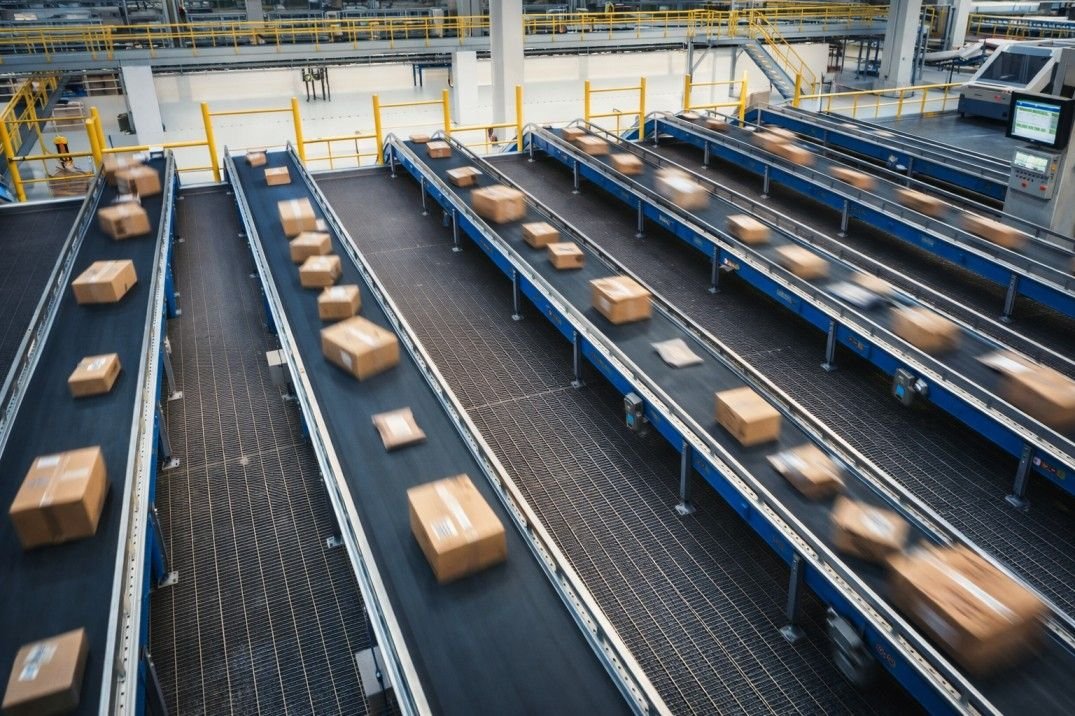
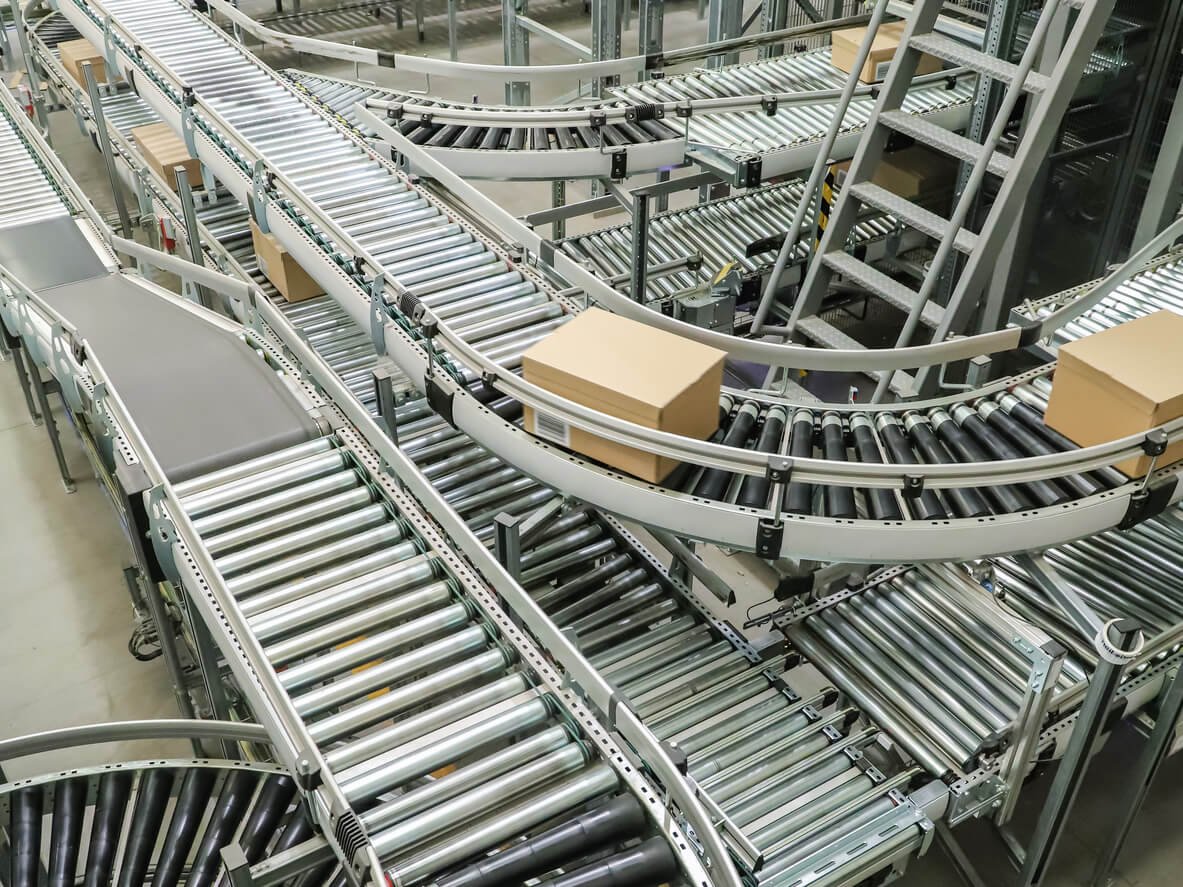
Robotic pick-and-place system operating on a conveyor as part of an automated material handling system

The support structures that were present during commissioning, including integration engineers and vendor specialists, are typically no longer on site when these issues emerge.


This is especially common in robotic integration projects linked to live manufacturing processes, where upstream and downstream dependencies quickly expose weaknesses in robotic control, timing, and exception handling that were not visible during controlled trials.


Common Post-Go-Live Robotics Implementation Challenges


Several recurring issues account for the majority of post-go-live performance shortfalls:

Inadequate error recovery logic

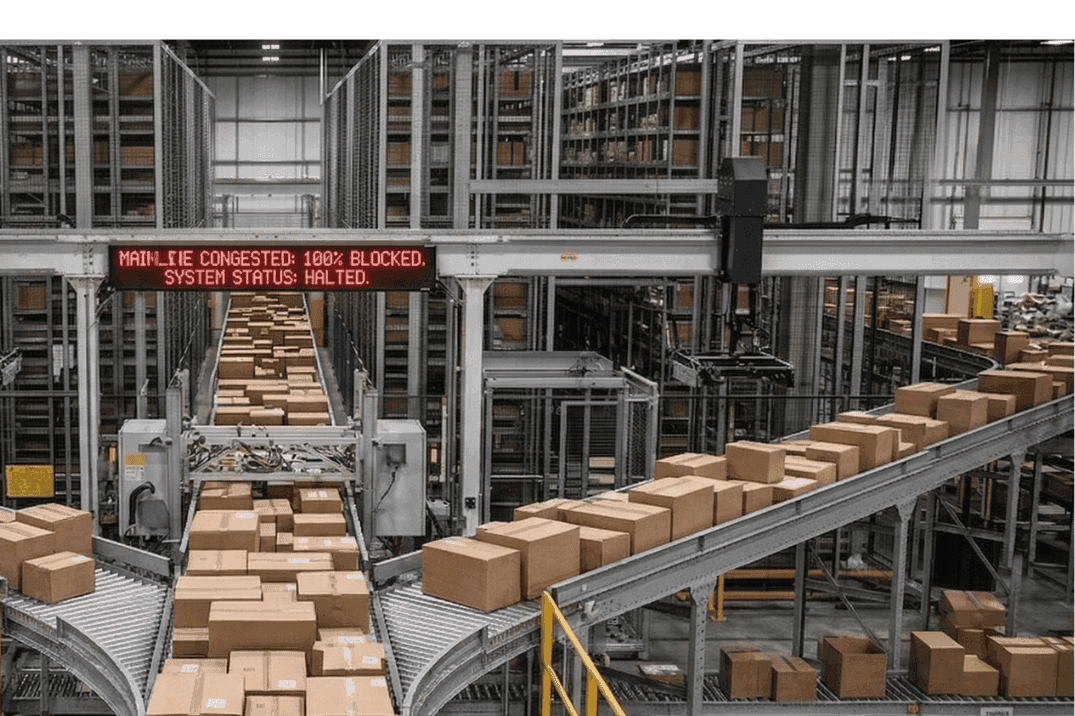
Robots encounter exceptions that were not anticipated during commissioning, and the system lacks the logic to recover without manual intervention, causing stoppages that accumulate into significant lost production.

Insufficient operator training

Operators unfamiliar with the robotic system's behaviour respond inappropriately to faults, causing extended downtime or escalating minor issues into major stoppages that require engineering support.

Integration gaps with existing systems

Timing mismatches, communication errors, or data format inconsistencies between the robotic cell and surrounding equipment create intermittent failures that are difficult to diagnose and resolve without specialist knowledge.

Product variability beyond specification

Products arriving at the robotic cell with dimensional variation, damaged packaging, or unexpected orientations exceed the tolerances the system was designed to handle, generating error rates that were not predicted during commissioning.

These issues are particularly visible in common robotic applications such as pick and place, palletising, and material handling, where even small inconsistencies can interrupt flow across the wider manufacturing line. Each of these challenges is predictable and preventable with adequate planning, but they are consistently underaddressed in project budgets and timelines.

Why Support and Optimisation Are Neglected After Installation

Project budgets and timelines are typically structured around design, build, and commissioning milestones. Once the system is handed over, the resources allocated to the project are often redeployed to other initiatives. This leaves operations teams to manage a complex robotic system with limited specialist support during the most critical period of its operational life, the initial weeks and months of production.


The result is that problems accumulate, workarounds become normalised, and the system settles into a performance level well below its designed capability. Without dedicated post-go-live support, the gap between potential and actual performance widens over time, and the return on the automation investment diminishes accordingly.

Warehouse Robotics

In the worst cases, operations revert to manual processes alongside the robotic system, negating much of the benefit the investment was intended to deliver.


This is often where the wider automation journey begins to lose momentum. The technical capability may still be present, but without the right support model, planning systems, and operational ownership, the system fails to translate capability into sustained value.

Building a Robust Post-Go-Live Strategy


Addressing robotics implementation challenges after go-live requires planning that begins during the project design phase, not after commissioning. Key elements of an effective post-go-live strategy include:

A defined support period with access to integration engineers who understand the system

A structured operator training programme that extends beyond initial handover to include refresher sessions and advanced troubleshooting

A performance monitoring framework that tracks throughput, error rates, and intervention frequency against target benchmarks

A maintenance strategy that includes preventive maintenance and, where appropriate, predictive maintenance

Clear validation of safety standards, safety features, and operator interaction procedures under live conditions

Operations that invest in post-go-live support consistently achieve faster ramp-up, higher sustained throughput, and better return on their automation investment than those that treat commissioning as the final milestone. The cost of this extended support is modest relative to the total project investment and the value at risk if the system underperforms.

In more advanced environments, machine learning, robot intelligence, and data-led monitoring may further improve stability and early fault detection, but these capabilities do not replace the need for strong fundamentals in support, maintenance, and process control.

Securing Long-Term Value from Robotic Automation

As UK businesses continue to deploy robotic systems at scale, recognising that the go-live milestone is the beginning of the performance journey, not the end, is critical. Allocating appropriate resources to post-installation support, operator development, and continuous optimisation ensures that robotic automation delivers the sustained operational efficiency and long-term value it was designed to provide.


The same principle applies whether the application sits in automotive manufacturing, discrete assembly, warehouse automation, or other industrial automation settings. Long-term success depends not only on the quality of the equipment, but on how well the system is integrated, supported, maintained, and adapted to the realities of live operations.

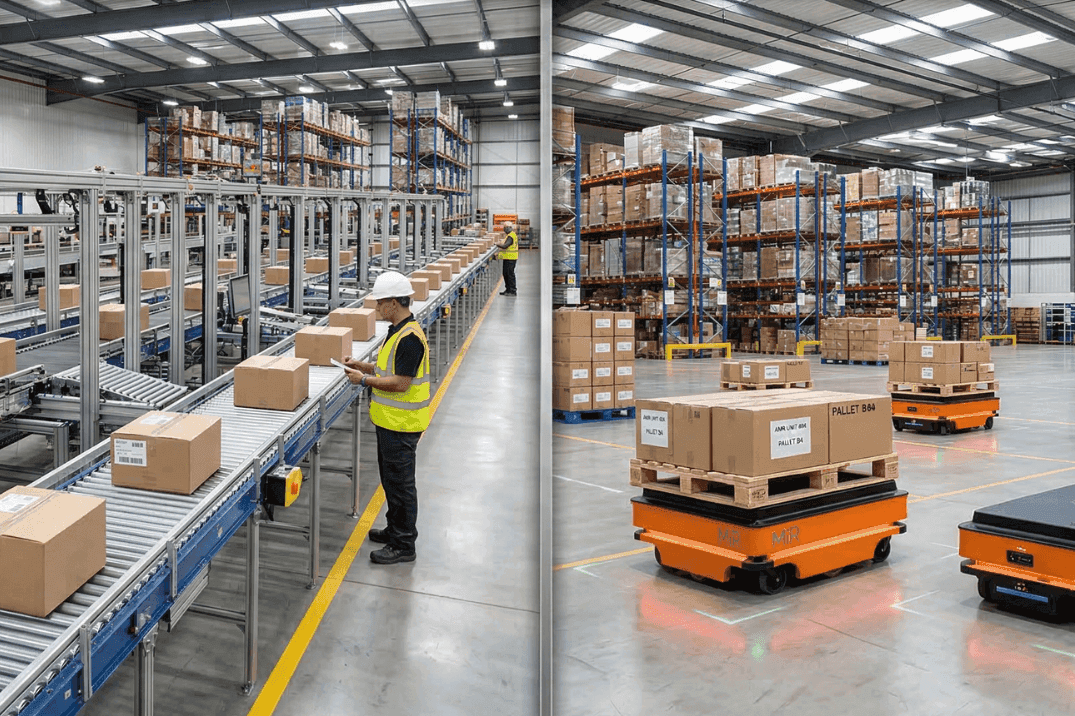
Automated warehouse interior featuring conveyor systems, robotic handling equipment, and intelligent material flow technology supporting modern warehouse automation.

Is Your Robotics Project Ready for 'Day Two'?

Don't let commissioning be your final milestone. Speak to our experts about building a robust implementation strategy that ensures sustained operational value.