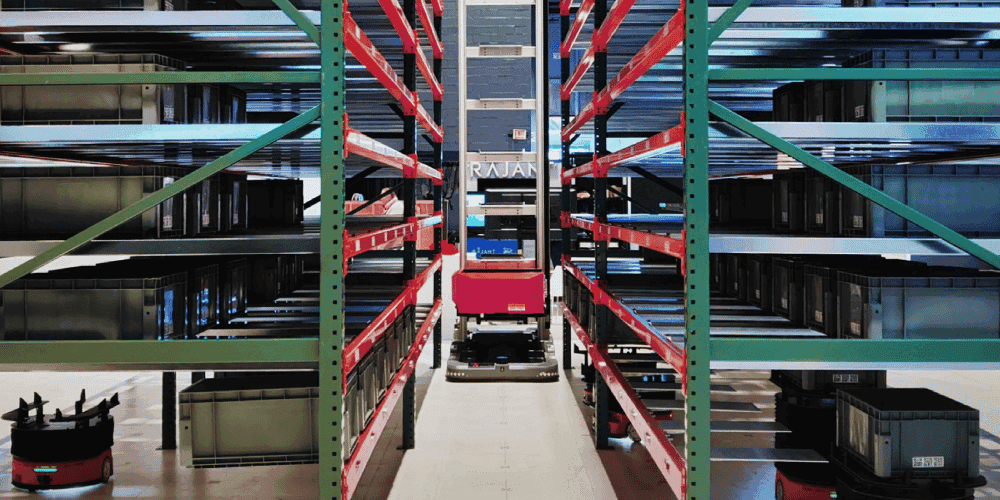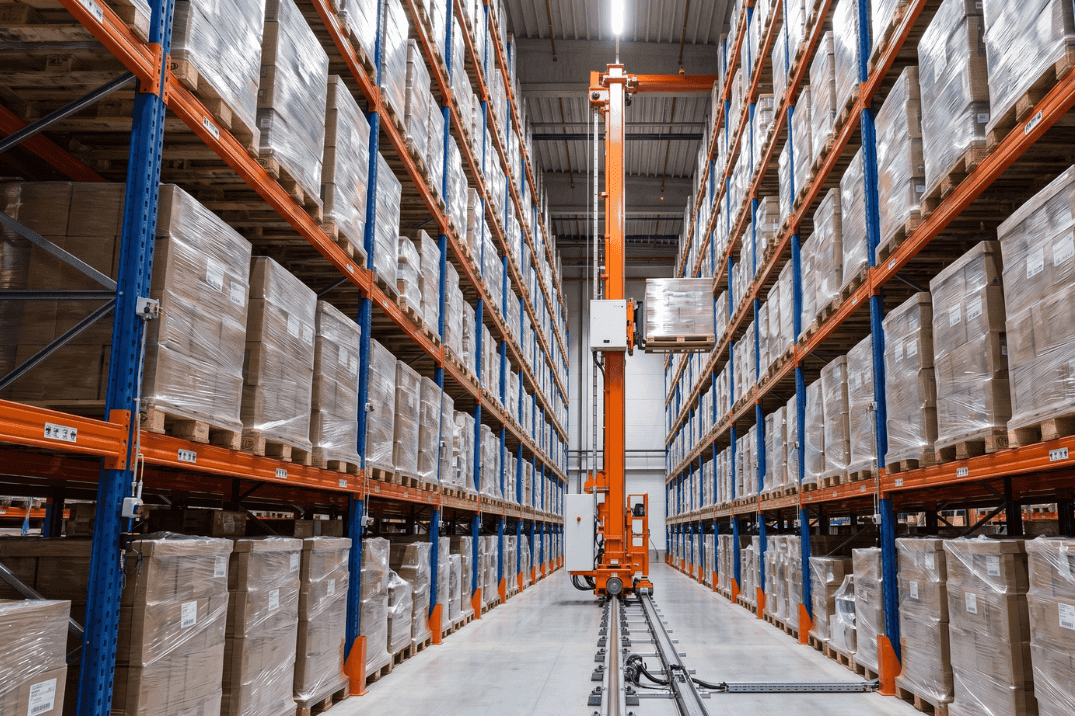
Stacker crane operating within a high-bay automated storage and retrieval system, moving palletised goods along racking aisles in a warehouse environment

ASRS in Greenfield vs Retrofit Projects: What Actually Changes

In today's competitive logistics environment, UK businesses are deploying automated storage and retrieval systems (ASRS) both in newly built facilities and within existing warehouses and distribution centres. The distinction between greenfield and ASRS retrofit projects is significant, as each context presents fundamentally different engineering challenges, cost profiles, and risk factors that affect the outcome of the investment. Understanding what actually changes between these two scenarios is essential for accurate project planning, realistic budgeting, and setting appropriate performance expectations.

In simple terms, a greenfield project allows the building and warehouse infrastructure to be designed around the AS/RS systems from the outset, while an ASRS retrofit requires the automation to fit within the limits of an existing facility. That difference influences everything from layout, vertical space, and pallet racking to inventory management, order fulfillment, and long-term warehouse operations.

The Greenfield Advantage: Designing Around the ASRS

In a greenfield project, the building is designed around the ASRS rather than the other way around. Floor loading capacity, clear height, column spacing, floor flatness tolerances, and service access can all be specified to match the requirements of the chosen system. This alignment between building and automation eliminates many of the constraints and compromises that complicate retrofit installations.


Greenfield projects also allow the conveyor network, fire suppression systems, utility infrastructure, and operational workflows to be designed as an integrated whole.
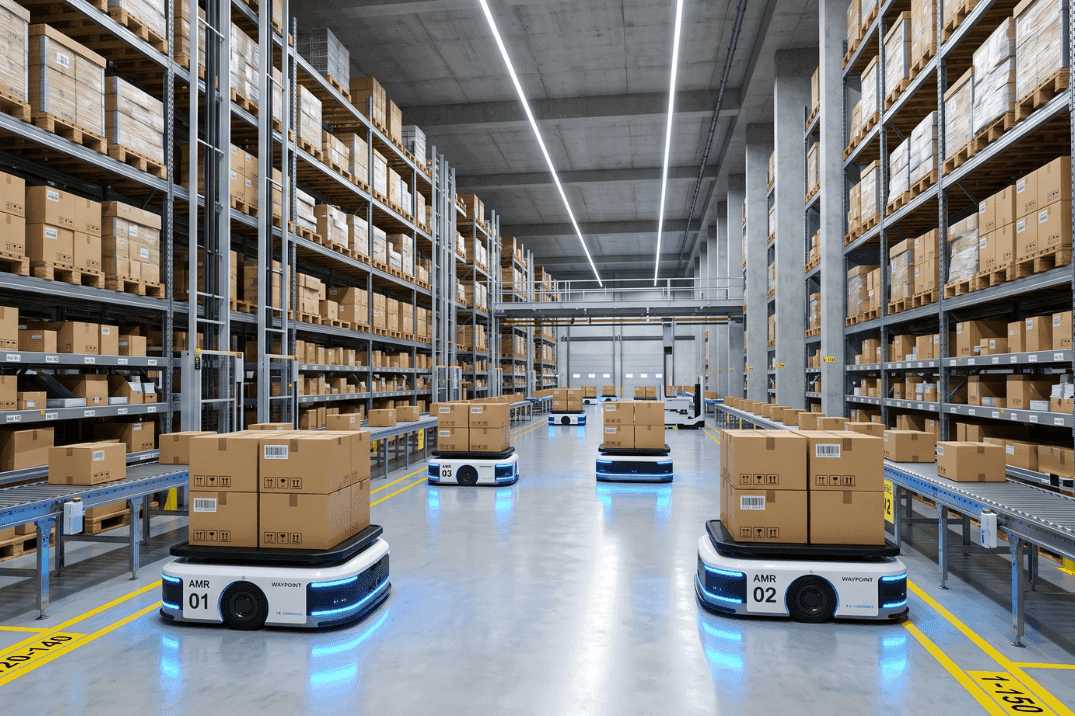
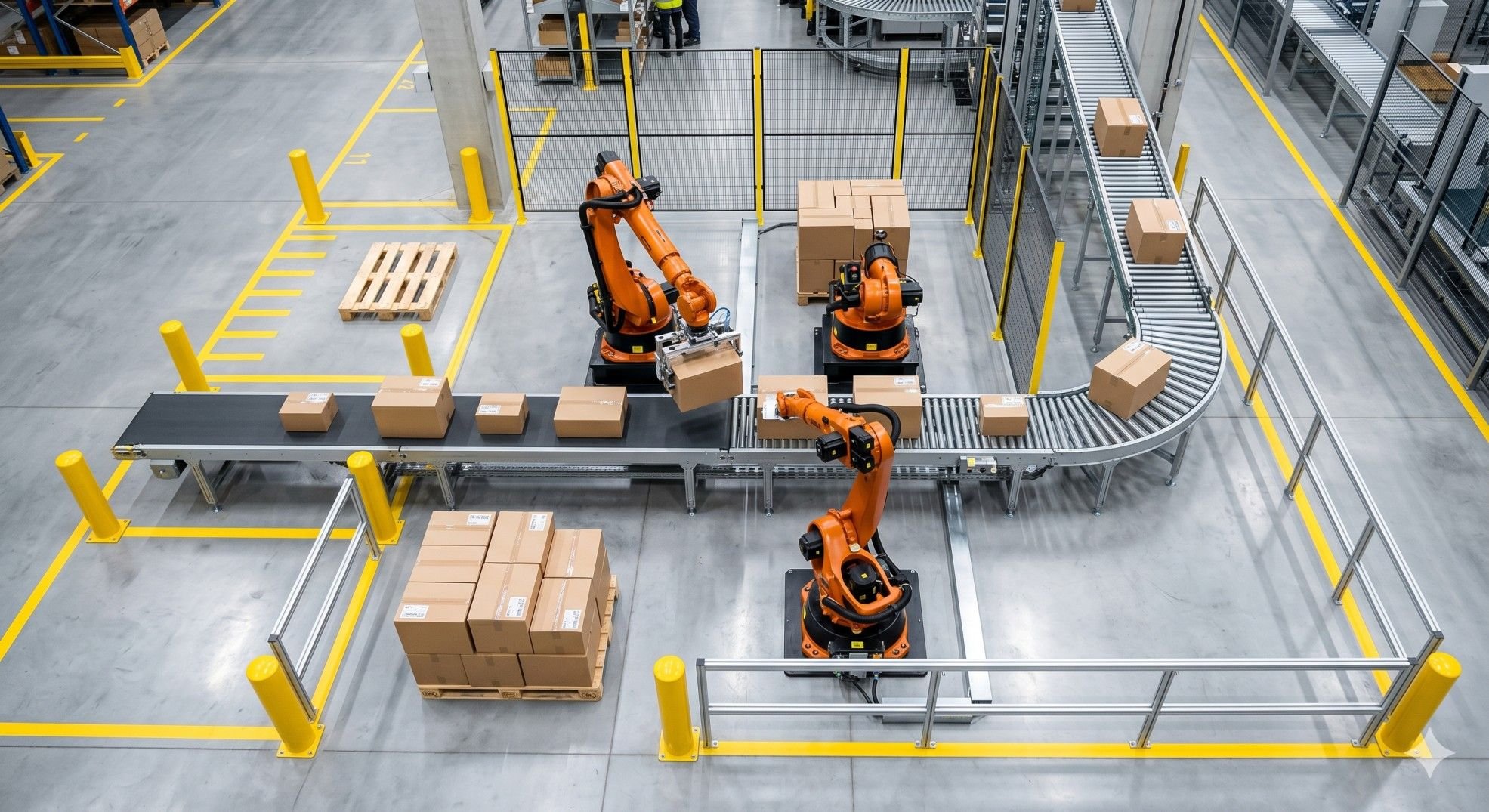
Autonomous mobile robots transporting cartons alongside conveyor systems in a modern warehouse, illustrating flexible automation commonly used in ASRS retrofit projects

This holistic approach reduces the interface complexity that often drives cost and delay in retrofit scenarios, where new automation must be threaded through existing infrastructure and processes. The result is a facility that operates as an integrated system from day one, rather than a collection of technologies fitted together after the fact.


This often creates more freedom in the choice of ASRS Technology, whether that means unit-load ASRS, mini-load ASRS, stacker cranes, vertical lift modules, vertical carousels, or more specialised storage shuttles and cube storage concepts. It also allows tighter integration with the warehouse management system, warehouse management software, and warehouse control system that will govern the wider operation.


The Challenges Specific to ASRS Retrofit Projects


Retrofit projects must work within the constraints of an existing building, which introduces a range of challenges that are absent in purpose-built facilities:

Floor capacity and flatness

Existing floors may not meet the load-bearing or flatness tolerances required by ASRS racking, necessitating remedial work that adds cost and extends the project timeline.

Clear height limitations

The available height in an existing building may restrict the size and configuration of the ASRS, limiting storage density and potentially affecting the viability of the business case.

Column and obstruction placement

Structural columns, fire escapes, existing services, and architectural features may conflict with the optimal ASRS layout, requiring compromises in racking configuration that reduce capacity or throughput.

Operational continuity

Retrofit installations often take place in facilities that are still operating, requiring phased implementation that extends timelines and increases coordination complexity as the new system must coexist with ongoing operations.

Each of these constraints adds cost, time, and engineering effort that would not be present in a purpose-built facility.

In practice, this can also affect pallet racking choices, warehouse racking systems, inventory control processes, and the ability to maintain stable order picking and order fulfillment while the project is being delivered. In distribution centers and other live environments, the challenge is not just physical installation but keeping warehouse operations running safely during change.

How System Specification Differs Between Scenarios

The ASRS technology selected for a retrofit project may differ from what would be chosen for a greenfield installation serving the same operational requirements. Height restrictions may favour shuttle systems over crane-based solutions that require greater clear height. Floor load constraints may limit the weight of stored inventory per location. The need for phased installation may favour modular systems that can be commissioned in stages without disrupting the existing operation.
 

These specification adjustments mean that the ASRS retrofit may not achieve the same density, throughput, or cost per storage location as a greenfield equivalent, even when the operational requirements are identical. This difference must be reflected in the business case and in the performance expectations set with stakeholders.

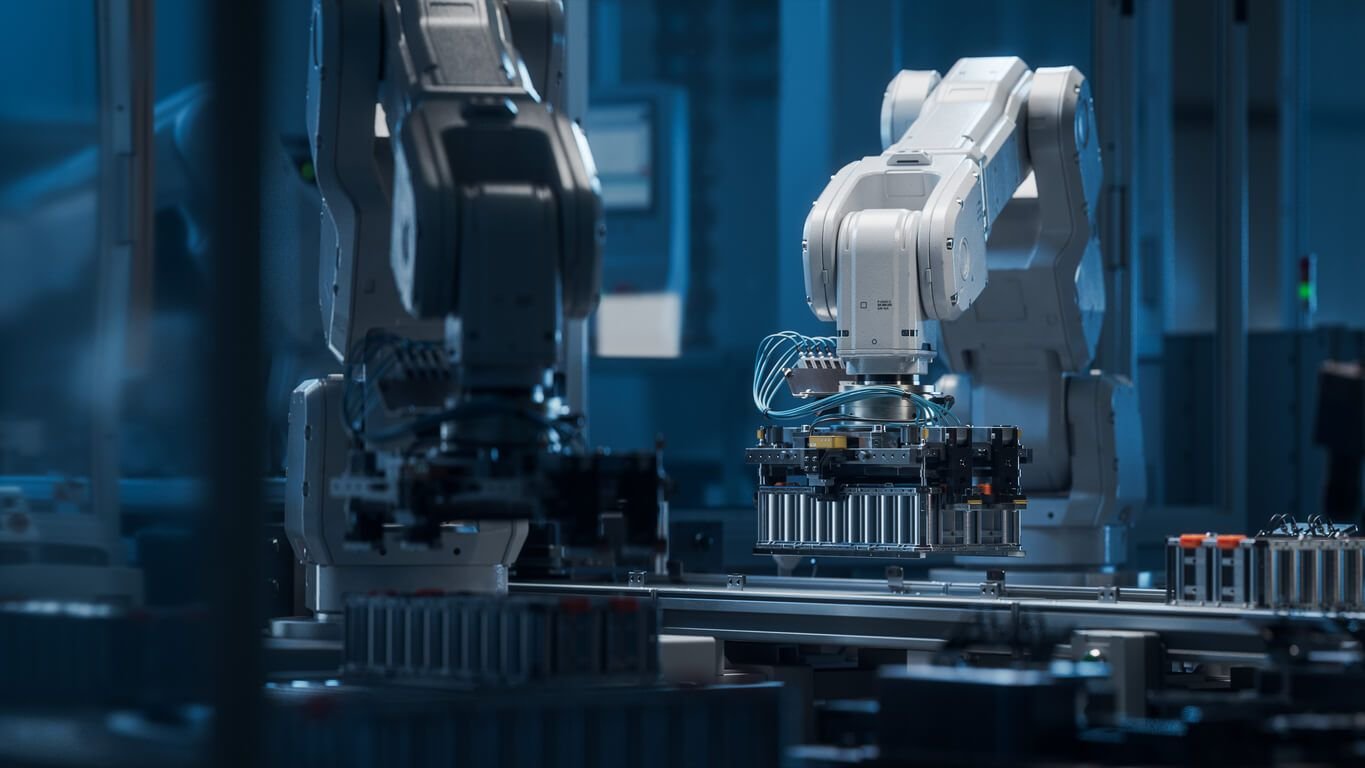
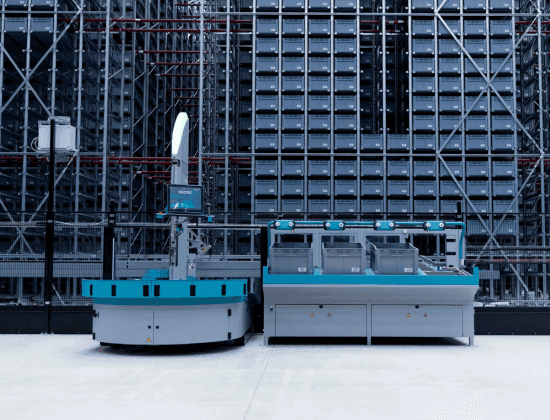
Mini-load automated storage and retrieval system handling totes within dense racking, illustrating a compact ASRS solution suited to retrofit warehouse installations

Comparing a retrofit ASRS against greenfield benchmarks without accounting for these constraints will lead to unrealistic targets and perceived underperformance.


In some cases, retrofit conditions may also favour different automation choices entirely. Vertical lift modules, vertical storage systems, vertical carousels, horizontal carousel solutions, pallet shuttle systems, or smaller AS/RS systems may be more practical than a large crane-based installation. In other cases, mobile robots, autonomous mobile robots, mobile robotics, or robot palletisers may be used alongside the retrofit to reduce the dependence on fixed infrastructure within the existing building.

Cost and Timeline Implications

Retrofit projects typically carry a cost premium of twenty to forty per cent over equivalent greenfield installations, driven by building remediation, phased implementation, and the additional engineering required to resolve interface conflicts between new automation and existing infrastructure. Timelines are also longer, as site surveys, structural assessments, and coordination with ongoing operations all add duration to the project plan.


Accurate budgeting and scheduling for an ASRS retrofit requires a thorough site assessment early in the project to identify all constraints and quantify their impact on cost and timeline. Attempting to apply greenfield assumptions to a retrofit project is one of the most common causes of budget overruns and schedule slippage in ASRS deployments.


This is particularly important in environments such as cold storage, where retrofit work can be even more complex, and in automated warehouses where software integration, temperature constraints, and access planning all increase the difficulty of delivery.

Planning for Success in Both Contexts

As UK businesses evaluate ASRS investments across both new-build and existing facilities, recognising the material differences between greenfield and ASRS retrofit projects ensures that expectations, budgets, and timelines are set appropriately. Thorough planning and experienced engineering support are essential in both contexts to deliver a system that meets operational requirements and supports long-term growth.


The most effective approach is to match the technology and design strategy to the context rather than assuming that the same solution belongs in both environments.

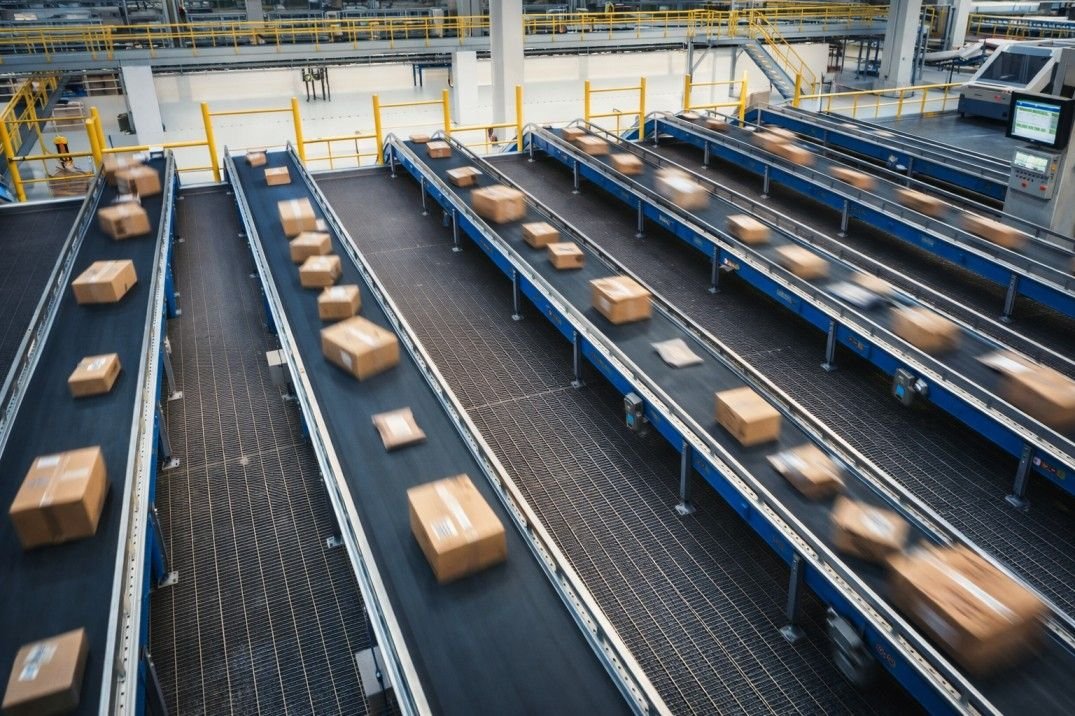
Integrated warehouse system combining conveyor networks and automated storage to manage carton flow and order processing in a distribution centre

Whether the project centres on unit-load ASRS, mini-load ASRS, vertical lift modules, stacker cranes, shuttle systems, or a broader mix of warehouse solutions, success depends on aligning the chosen system with the real constraints of the building, the software landscape, and the operational demands of the business.

Greenfield vs. Retrofit: Avoid the Costly 40% Gap

Existing buildings introduce unique constraints in floor flatness, clear height, and structural load. Whether you are building from scratch or automating an active site, speak to our engineers about a feasibility study to ensure your ASRS fits your facility and your budget.