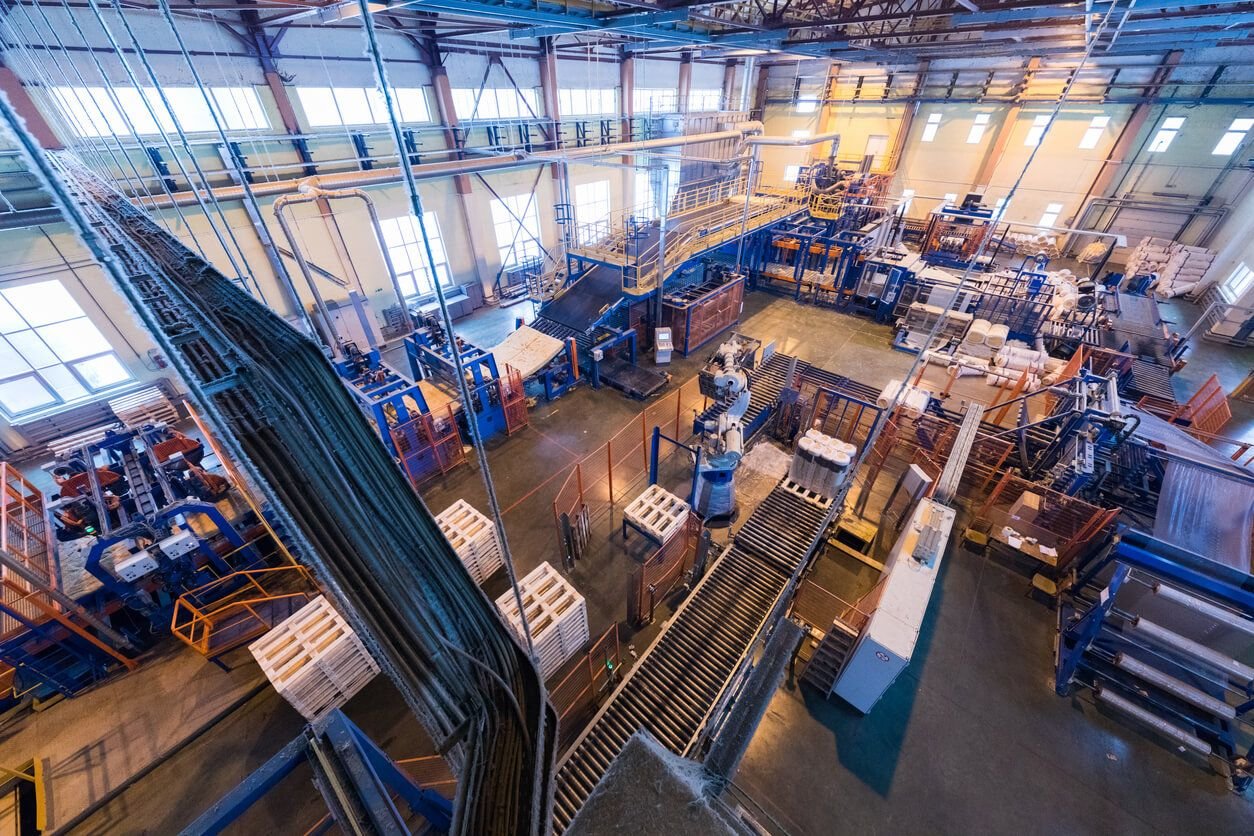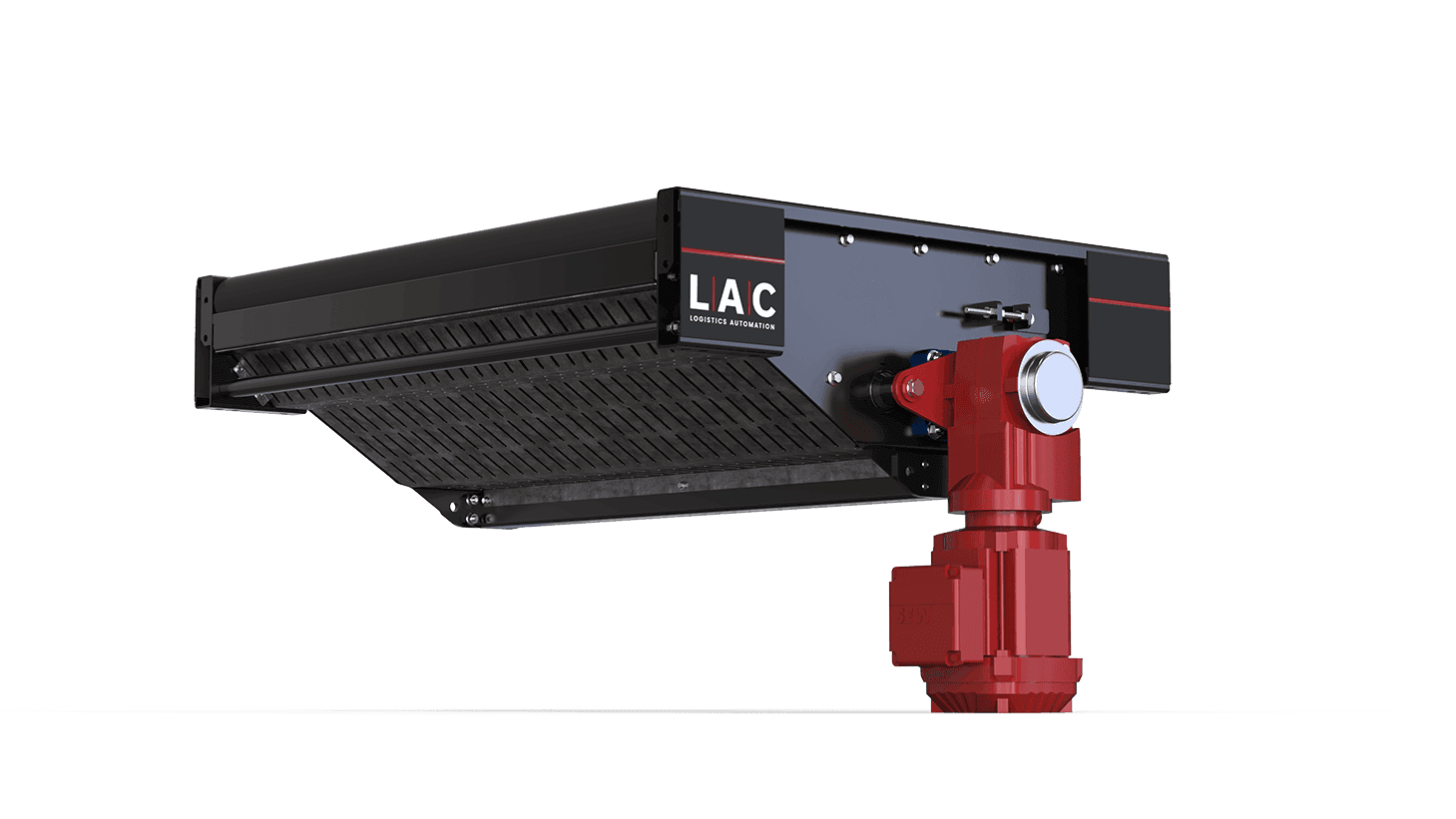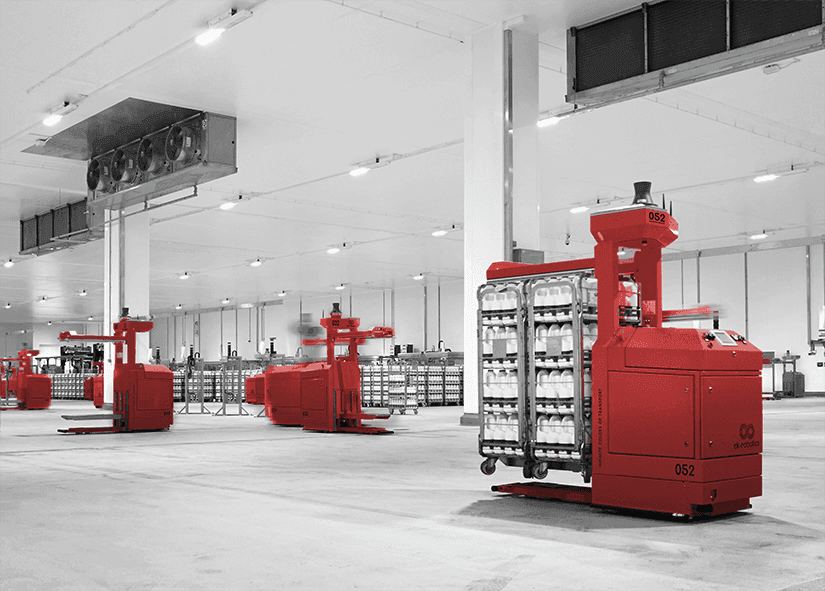
Automated warehouse with robotic picking arms, conveyor system, and autonomous mobile robots integrated with ASRS racking, illustrating system-wide dependencies in warehouse automation

How to Assess Whether Your Operation Is Ready for Automation

Warehouse automation is no longer a technology that only large-scale, purpose-built facilities can access. Across the UK, businesses of a wide range of sizes are evaluating automation readiness as a formal step in their operational planning, driven by labour challenges, rising occupancy costs, and the growing maturity of available automation solutions. Savills' latest research shows UK warehouse vacancy rates at just 2.8%, with prime rents up 69% between 2015 and 2024 and a further 25% growth forecast by 2026.¹ At the same time, Logistics UK reports that more than 18% of businesses are experiencing severe to very severe problems recruiting warehouse staff, a 5-percentage-point jump from the year before.² Together, these pressures are pushing more operators to treat automation as a serious option, rather than a future ambition.

What Automation Readiness Assessment Covers

But readiness assessment is a distinct exercise from automation selection. Knowing which technology to deploy is a secondary question; the primary one is whether the operation, data, and organisation are in a position to absorb automation and deliver on the expected return.

An automation readiness assessment evaluates an operation across four domains: operational data, physical infrastructure, process maturity, and organisational capability. Each domain carries risks that, if unaddressed before the project begins, will reduce the performance of the automated system or increase the cost and time required to achieve it.

A weak assessment in any single domain does not necessarily mean automation is not viable. It means specific preparation is required before the project moves to specification. Identifying these gaps early allows them to be addressed without creating programme risk to the wider automation initiative.

Domain 1: Operational Data


Automated warehouse systems are sized and specified to handle defined throughput profiles. If the operational data used to build the specification is inaccurate, the system will be either over-specified at unnecessary cost or under-specified and unable to meet peak demand from day one. As with any major manufacturing or warehousing investment, robust data is the foundation that allows enterprise systems and the wider business processes to integrate cleanly with the new automated environment.

The data required for a credible automation specification includes:

Order volumes

At least twelve months of daily order volumes with clear identification of seasonal peaks.

Lines and units

Lines per order and units per line, broken down by order channel if relevant.

SKU profile

Active SKU count, product dimensions and weights for the full range, and an indication of fast-moving versus slow-moving lines.

Returns

Returns volumes and the process complexity of returns handling.

Current cycle times

Cycle times for current manual operation across key picking, packing, and despatch processes, used as a benchmark for the automated system's design target.

Domain 2: Physical Infrastructure


The building must support the automation technology being considered. An automation readiness assessment of the physical infrastructure should establish:

Floor flatness and loading

ASRS, AMRs, and pallet conveyors all have floor tolerance requirements. A floor that does not meet specification requires remediation before equipment can be installed.

Clear internal height

Tall-aisle ASRS and multi-level mezzanine systems require significant eaves height. Where this is not available, the specification options narrow, although modular solutions such as conveyor-integrated mezzanines can sometimes work around the constraint.

Power infrastructure

The electrical supply must be adequate for the connected load of the proposed automation equipment. Early engagement with the power supply requirement avoids costly supply upgrades late in the programme. This is increasingly a constraint in the UK, with Savills' 2025 European Logistics Census reporting that 24% of occupiers are now actively seeking warehouses with scope to include automation and advanced technologies, putting power availability higher up the site-selection checklist.³

Dock and access constraints

Inbound and outbound dock capacity and configuration affect how automated inbound receipt and despatch staging functions can be designed.

Domain 3: Process Maturity

Automation does not improve broken processes; it accelerates them. An operation with poorly defined put-away rules, inconsistent product labelling, or frequent exceptions that require manual handling will transfer these process inefficiencies directly into the automated system. The consequences are higher system fault rates, more operator intervention, lower throughput than the design target, and longer cycle times across order fulfilment.

A readiness assessment should evaluate whether key production processes and manufacturing operations are documented, consistently followed, and generating reliable data. Where significant operational bottlenecks or process inefficiencies exist, a process improvement programme should precede the automation specification. The objective is to enter the specification phase with stable, repeatable workflows that automation can scale, rather than asking the new system to compensate for unresolved process changes.

Domain 4: Organisational Capability

Operating an automated warehouse requires different skills from operating a manual one. Maintenance technicians with PLC and control system knowledge, operations managers with experience managing automated throughput rather than headcount, and a data capability that can monitor asset performance and identify issues in real time are all requirements that need to be in place at go-live. Logistics UK has flagged the skills gap in automation, data, and AI as one of the priority issues for the sector, with 99.7% of UK logistics employers being SMEs that face particular challenges in funding the training needed to support modern automation environments.⁴

The recruitment and training programme for these roles should begin well in advance of the commissioning date. Operations that treat the organisational transition as an afterthought consistently struggle in the months following go-live.

Done well, this transition also delivers wider benefits beyond pure productivity. By moving people away from repetitive tasks and into supervisory, exception-handling, and continuous-improvement roles, operators typically see safety improvements, lower attrition, and better engagement, particularly in environments where physical strain and monotony have historically driven turnover.⁵

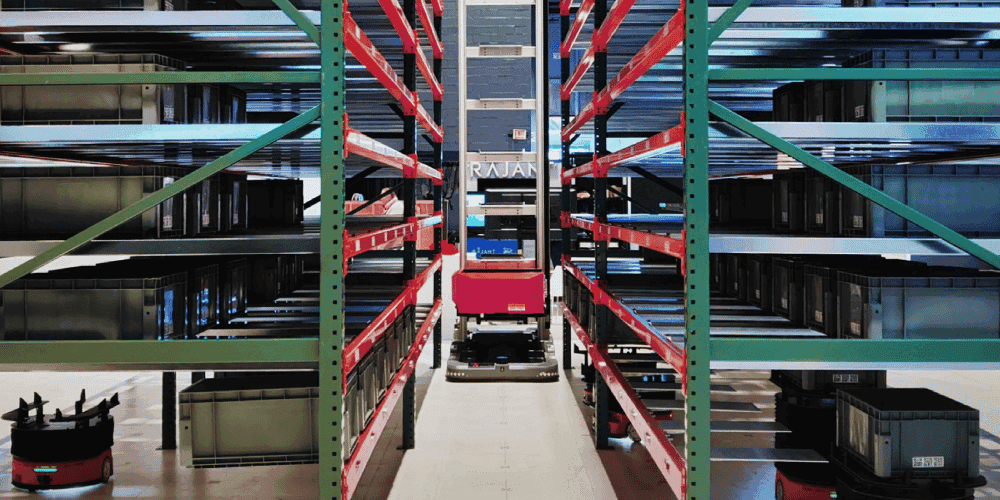
Automated storage and retrieval system operating in a smart warehouse automation environment to optimise inventory and improve picking accuracy

Using the Assessment to Build the Programme

Turning Readiness Into a Roadmap

An automation readiness assessment does not produce a binary pass or fail. It produces a gap analysis that defines what preparation is required before the project begins, and in what sequence. Businesses that conduct this assessment rigorously, address the gaps it identifies, and enter the automation specification process with clean data and a prepared organisation consistently achieve better go-live performance and faster return on their investment.

Whether the long-term aim is to automate workflows in a single zone, deploy modular solutions that grow with the business, or move toward end-to-end workflow automation across the facility, the readiness work is the same. At MotionTech, our integrated approach to automation solutions combines conveyor systems, robotics, ASRS, and intelligent controls with the engineering expertise needed to translate a readiness assessment into a deliverable programme. Speak to our team to run the assessment before any automation technology is selected.

References

  1. Savills, Mind the Gap: why the gap between prime and secondary industrial & logistics rents is growing (2025); and Savills, Warehouse rents will remain affordable despite 25% growth projection by 2026. savills.co.uk
  2. Logistics UK Performance Tracker (2022), reported in Orderwise, Addressing the UK's warehouse labour shortage. orderwise.co.uk
  3. Savills, Spotlight: European Real Estate Logistics Census, Autumn 2025. savills.co.uk
  4. Logistics UK, written evidence to the House of Commons Education Committee on the future of skills (FES0050). committees.parliament.uk
  5. ASCALi, Warehouse Labour Shortages: An Insurmountable Problem? (2026). ascali.co.uk