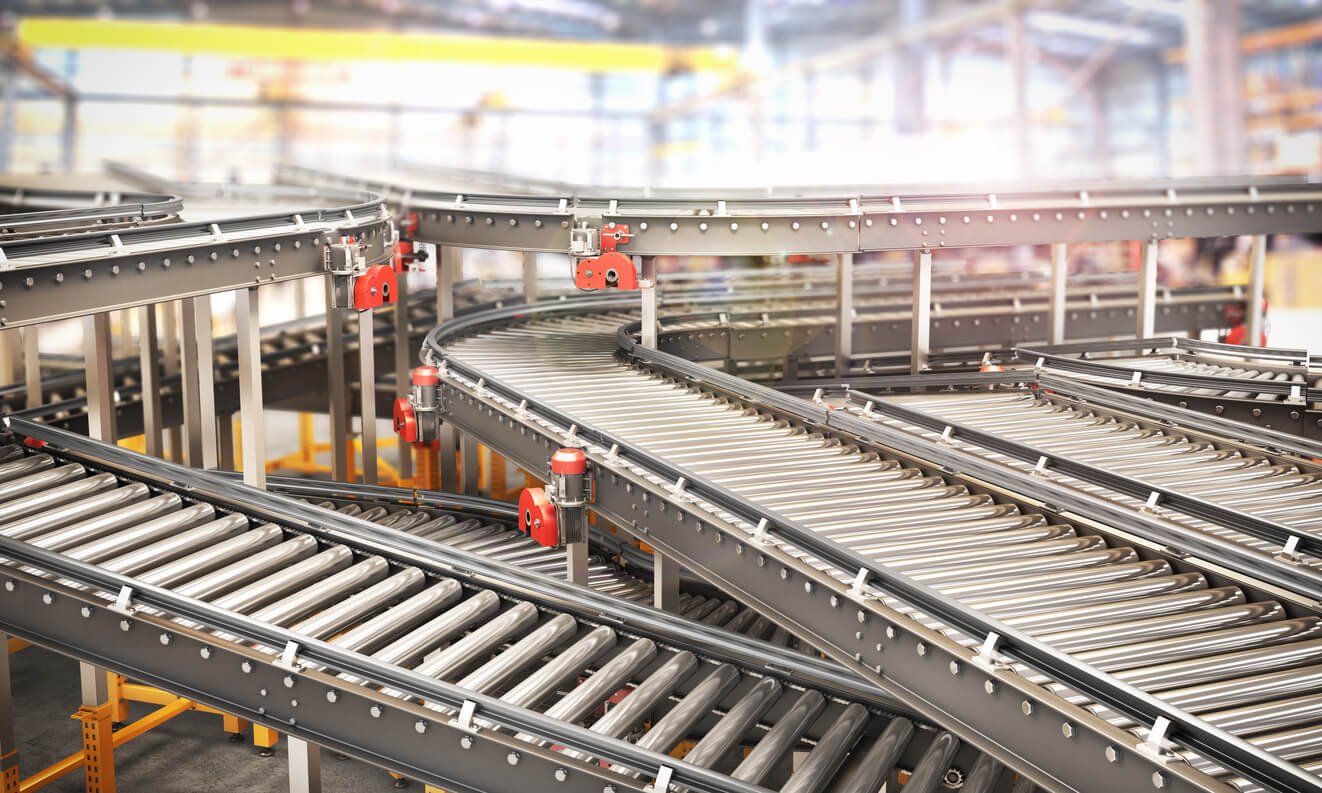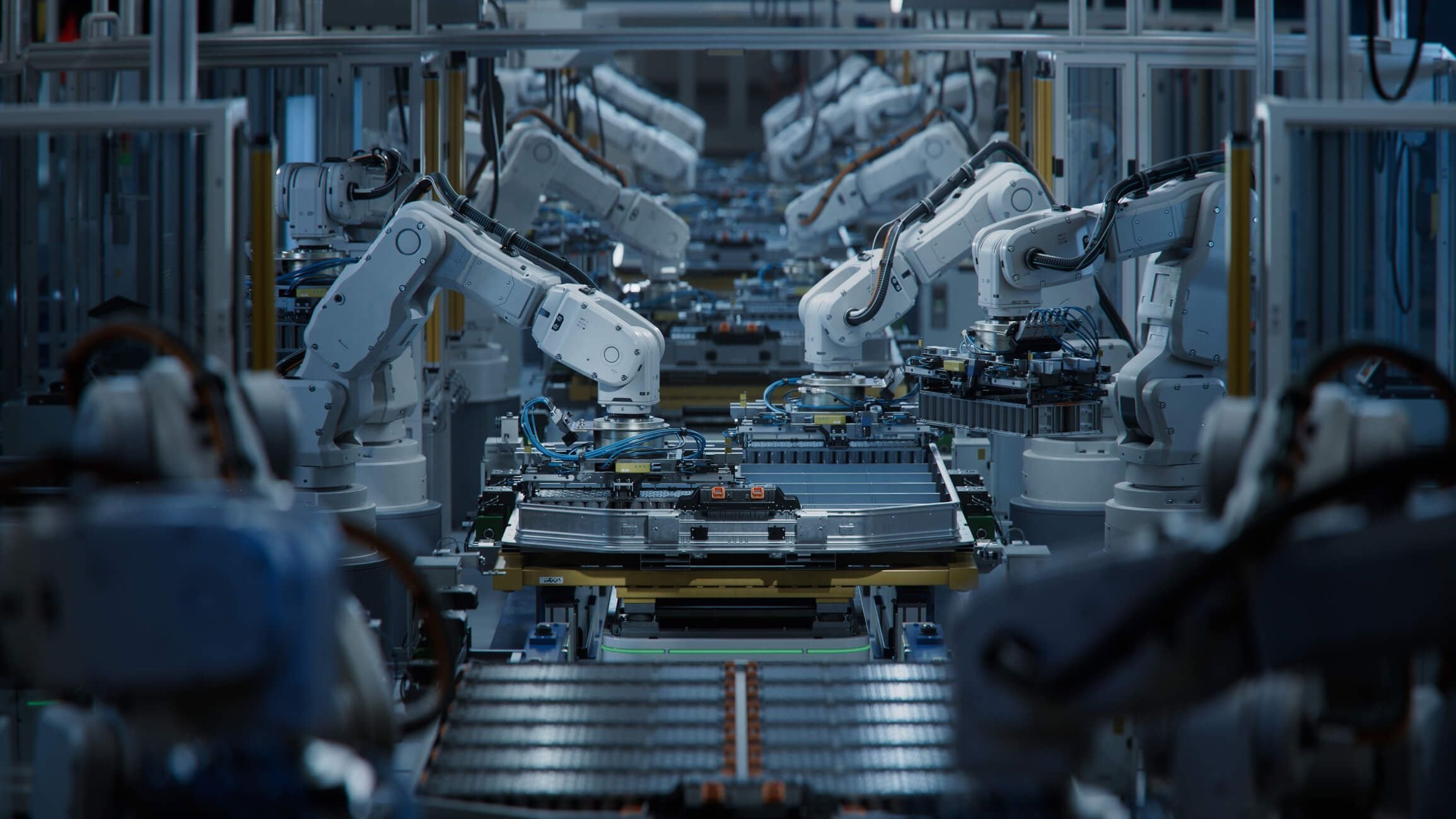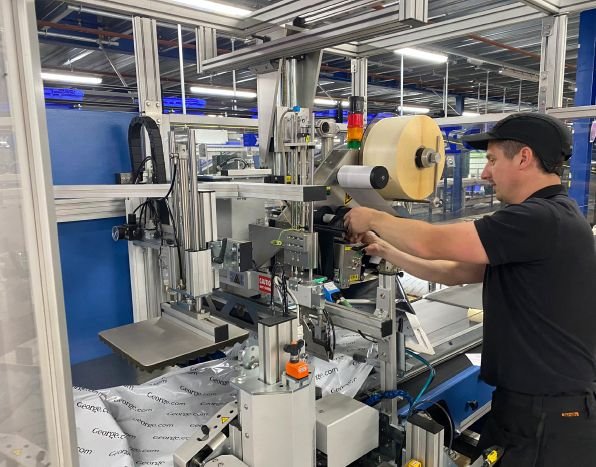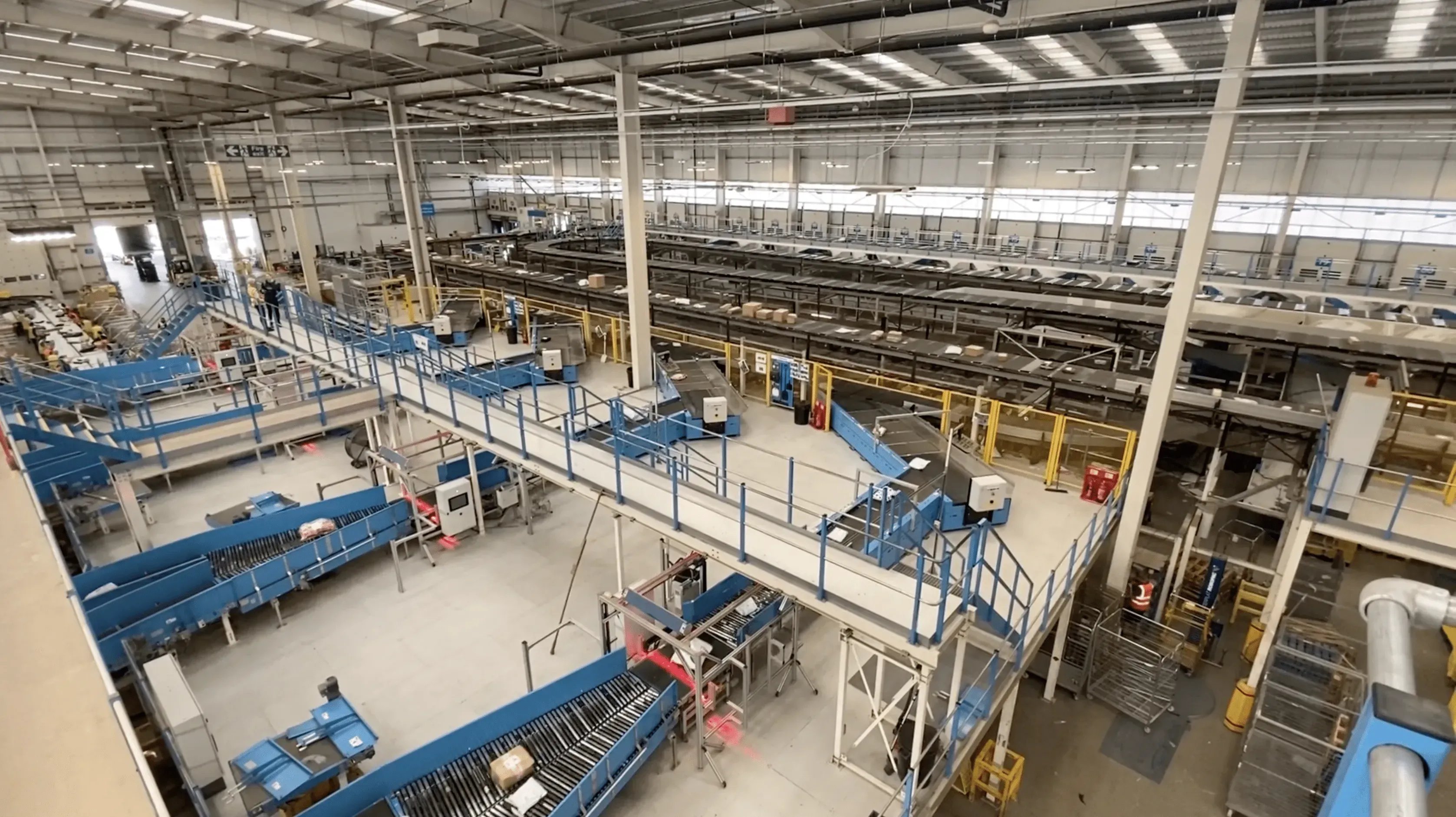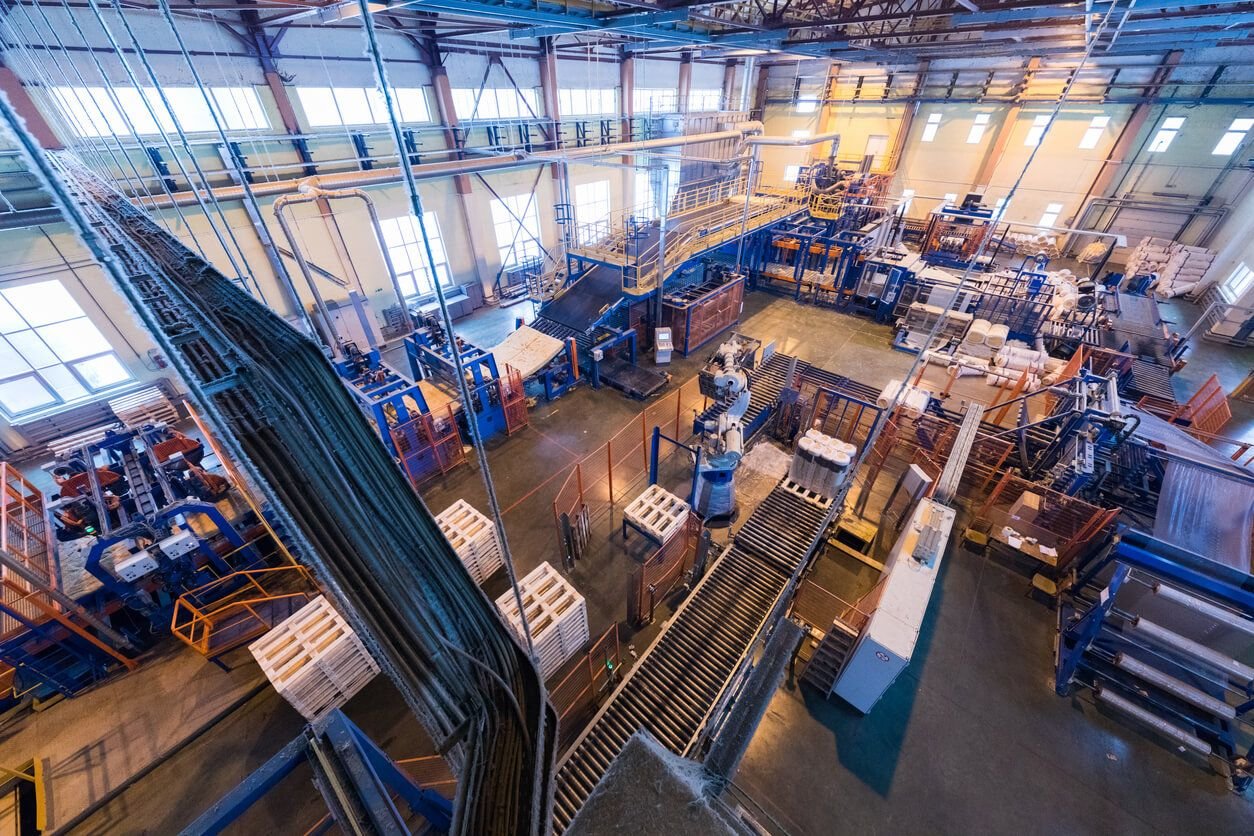
Automated warehouse interior featuring conveyor systems, robotic handling equipment, and intelligent material flow technology supporting modern warehouse automation.

Warehouse Automation Trends: The Growing Role of Robotics and Intelligent Systems

The logistics sector is undergoing a fundamental transformation. As supply chain demands intensify and customer expectations shift, warehouses are no longer static storage facilities. They have become dynamic, highly automated hubs where speed, accuracy, and operational efficiency determine long-term competitiveness. Modern warehouse automation trends are reshaping how goods move from supplier to customer, with robotics, intelligent systems, and advanced material handling solutions now driving innovation.

Increasing pressure from labour shortages, rising order fulfilment requirements, and growing SKU complexity has accelerated adoption of automated systems across the warehousing industry. Distribution centers, fulfilment facilities, and large-scale logistics providers are investing heavily in robotics, digital automation, and connected systems to enhance productivity and meet evolving operational requirements.

The Drivers Behind Warehouse Automation


Several interconnected trends are pushing companies toward automated logistics systems and smarter warehouse management:

Automation adoption is increasing because warehouses must now process faster order fulfilment cycles, manage tighter warehouse space constraints, and respond to fluctuating market demands using digital automation and physical automation tools. Supply chain pressures combined with high customer expectations for speed and accuracy have made robotic systems essential rather than optional.

Key operational drivers include:

Persistent labour shortages affecting manual material handling

Next-day and same-day delivery expectations reshaping order fulfilment workflows

Rising operational costs prompting investment in automated systems

The need to optimise warehouse layout and storage space without expansion

Increasing demand for robust inventory management systems and real-time data visibility

Together, these pressures are shifting logistics operations toward a model powered by autonomous mobile solutions, Automated Guided Vehicles, robotic arms, sortation automation, and data analytics platforms that support predictive maintenance and demand forecasting.

Robotics: From Novelty to Necessity

Robotics now forms the backbone of automated warehousing, enabling faster, more accurate materials handling processes at scale. The warehouse robotics landscape has evolved rapidly, with robotic arms, humanoid robots, AMRs, and AGVs now playing major roles in automating routine tasks.


Autonomous Mobile Robots (AMRs) navigate warehouses independently using smart sensors, mapping systems, and AI-enabled route optimisation. These robotic arms and transport robots move goods between stations without manual intervention, improving productivity and freeing workers for higher-value activities.
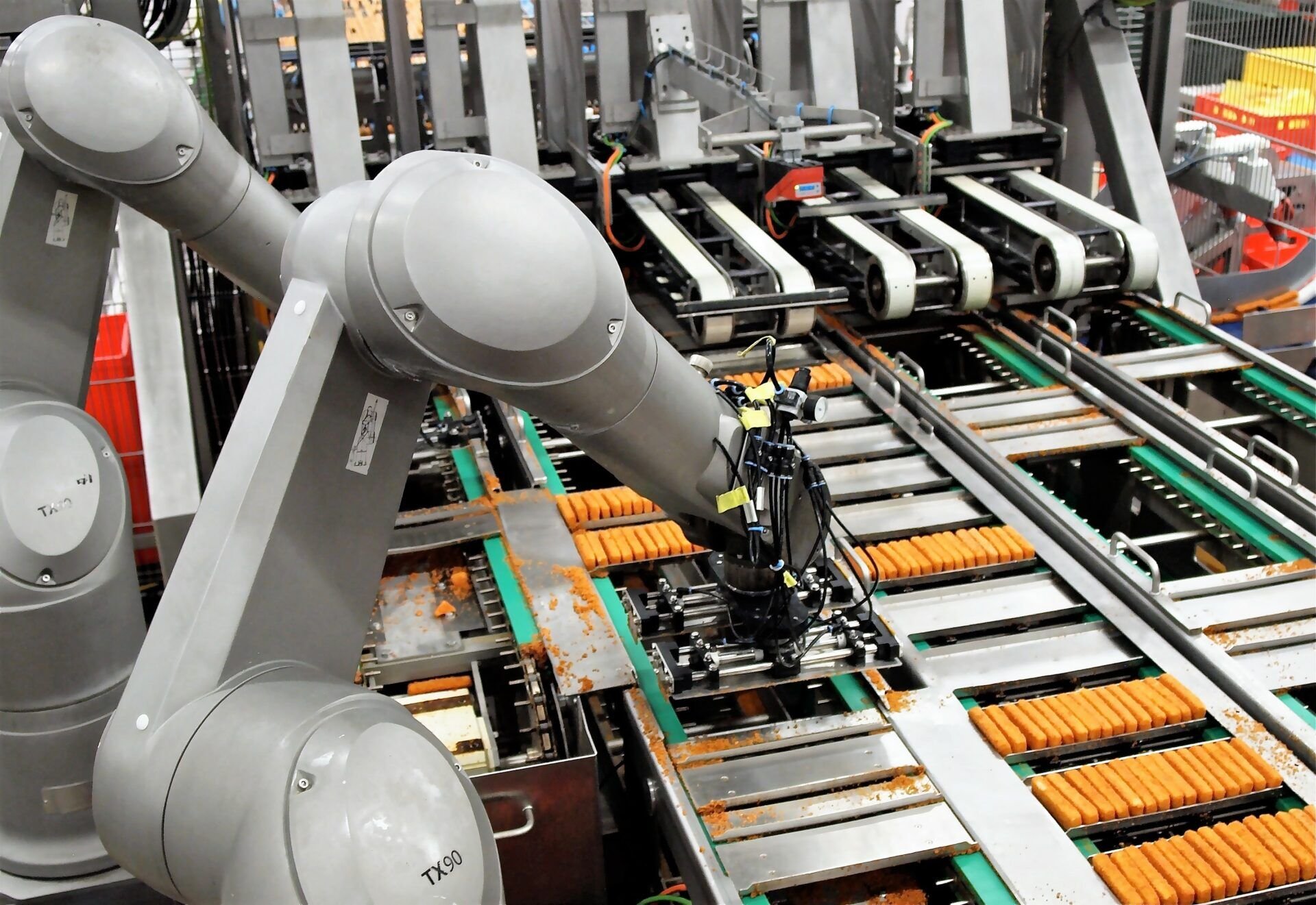
Robotics for Primary Food Handling Tasks

Collaborative robots are reshaping the production and packaging environment, supporting pick and place operations, pallet handling, and repetitive material handling tasks. They enhance Operational Efficiency by allowing people and machines to work alongside one another safely and efficiently.


Automated logistics systems such as AS/RS and Pallet Shuttle systems maximise storage space and eliminate the inefficiencies of traditional racking. These systems increase warehouse capacity significantly while ensuring accurate, high-speed retrieval.


Where robotics deliver the strongest value:


Autonomous mobile solutions speeding up materials handling

AGVs and AMRs improving safety and reducing manual labour

Robotic arms automating complex order fulfilment tasks

Humanoid robots beginning to support highly variable operations

Automated picking systems reducing dependency on human pickers

Intelligent Systems and Data-Driven Decision Making


Beyond physical automation, digital automation technologies have become essential to modern warehouse operations. Warehouse Management Software (WMS), inventory management platforms, and AI-enabled decision engines now manage vast volumes of real-time data across every stage of the fulfilment process, enabling faster and more informed operational decisions. Artificial intelligence plays a key role in dynamic optimisation, supporting functions such as demand forecasting, route planning for Automated Guided Vehicles, and predictive maintenance for conveyor systems and sortation equipment. Machine learning further enhances these capabilities by identifying performance patterns, helping operators reduce downtime, improve throughput, and maintain consistent service levels.


Advanced data analytics and digital twin technology provide live visibility into warehouse operations by creating virtual models of physical environments. These models allow businesses to monitor inventory movement, identify inefficiencies in warehouse layout, validate order accuracy through vision systems, and continuously optimise fulfilment and storage strategies. Together, these intelligent systems enable warehouses to operate with greater accuracy, resilience, and long-term efficiency.


Integration and Scalability Challenges


Although warehouse automation is booming, businesses must address practical challenges when integrating automated systems with legacy infrastructure. Many distribution centers struggle with system interoperability between older warehouse management platforms and new autonomous robotics. Real-time integration is essential, yet difficult for organisations still using fragmented or manual systems.


Warehouse operations also face scalability considerations. Automated systems that work efficiently at current order volumes must still handle seasonal spikes or long-term expansion. Flexible automation solutions, such as modular robotic picking systems and scalable conveyor or shuttle solutions, help future-proof these environments. Workforce transformation remains another critical factor. While automation reduces manual picking and lifting requirements, it increases demand for new skill sets in robot supervision, system configuration, and maintenance.

Warehouse Automation Trends: What Comes Next?

Warehouse automation trends indicate a future where human workers and robotic systems collaborate seamlessly. Autonomous vehicles, robotic arms, inventory tracking platforms, and data analytics will continue driving higher levels of automation.

Key innovations shaping the next generation of automated warehousing:


Growth of humanoid robots for adaptable labour support

Automated mobile robots replacing manual movement tasks

Increasing use of predictive maintenance powered by AI

Expansion of automated picking systems and AGV fleets

Real-time data integration across entire supply chain networks

More advanced sortation automation for high-volume e-commerce

As digital transformation accelerates across global supply chains, automated warehousing will become the operational standard rather than the exception.

Your Next Step in Smart Warehouse Automation

Warehouses that strategically blend robotics, intelligent systems, automated material handling solutions, and data-driven optimisation will be the ones that outperform competitors in speed, accuracy, and efficiency. 


AS/RS, AGVs, AMRs, robotic arms, and predictive analytics form a powerful foundation for building resilient and scalable automated logistics systems.

warehouse automation