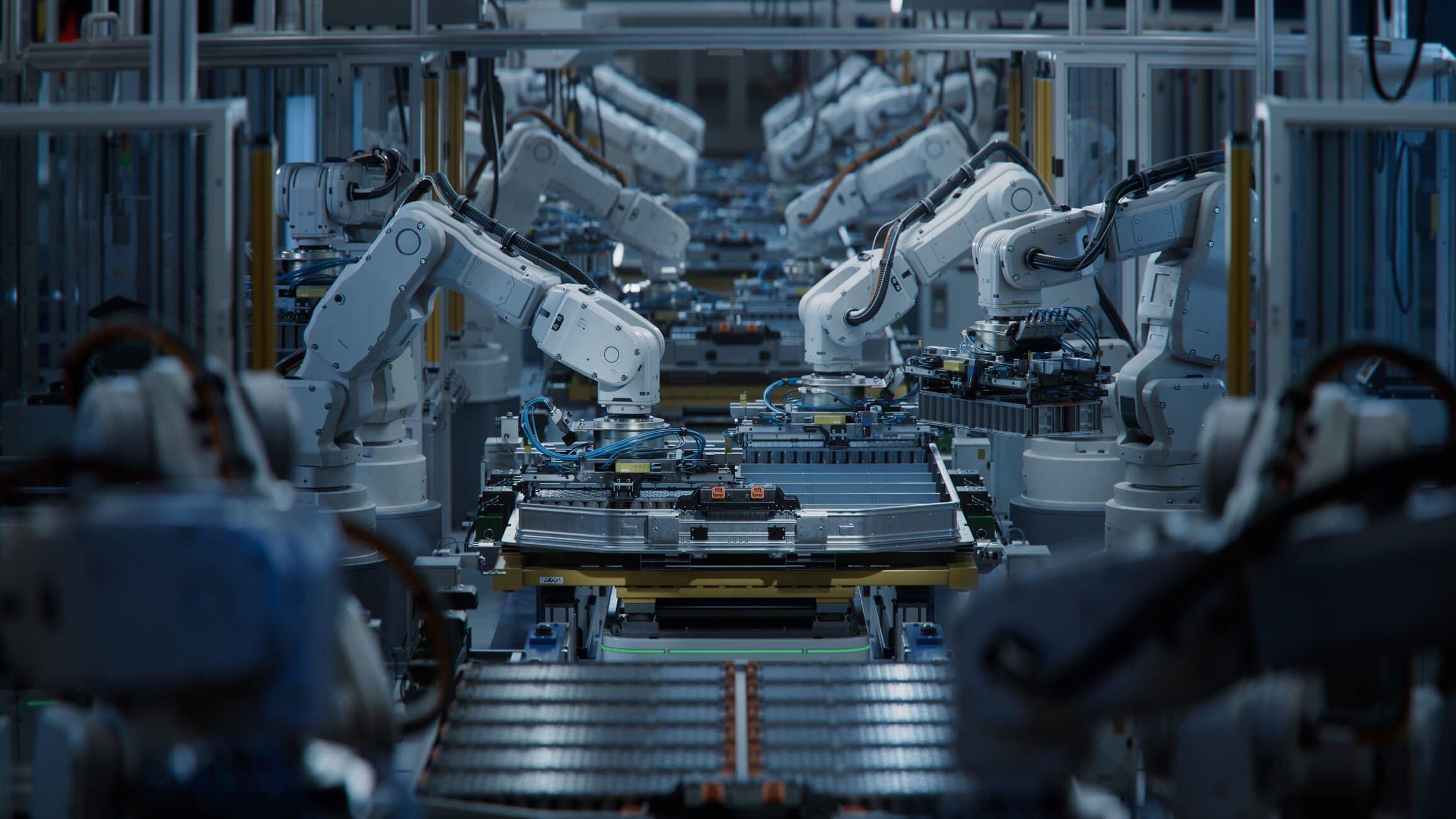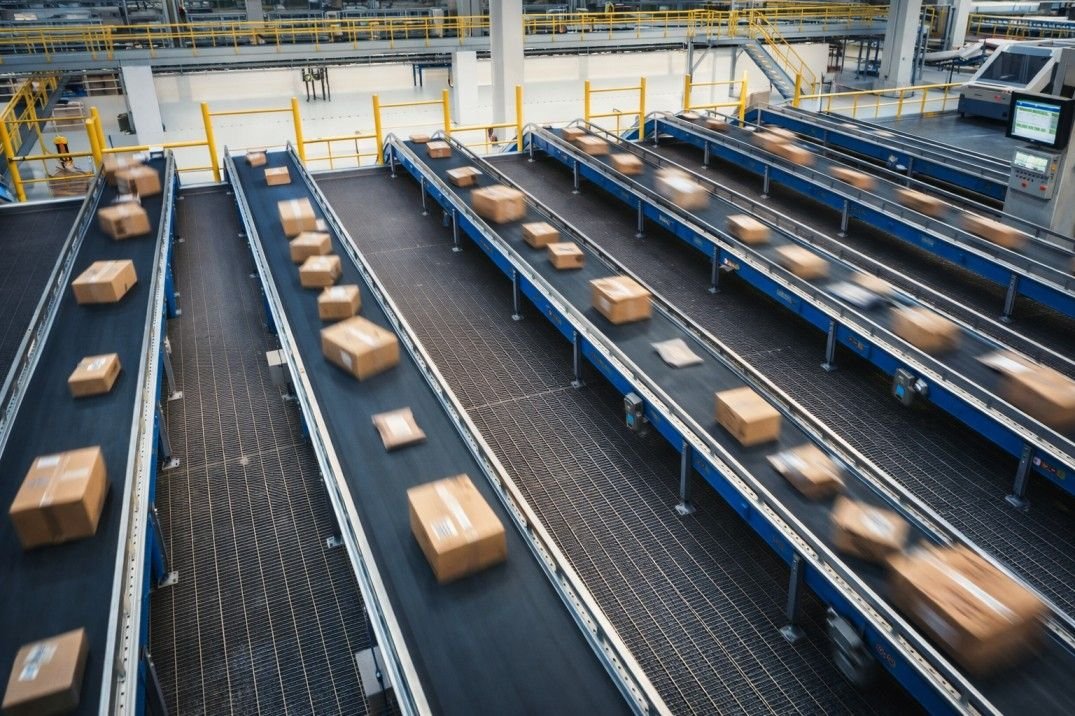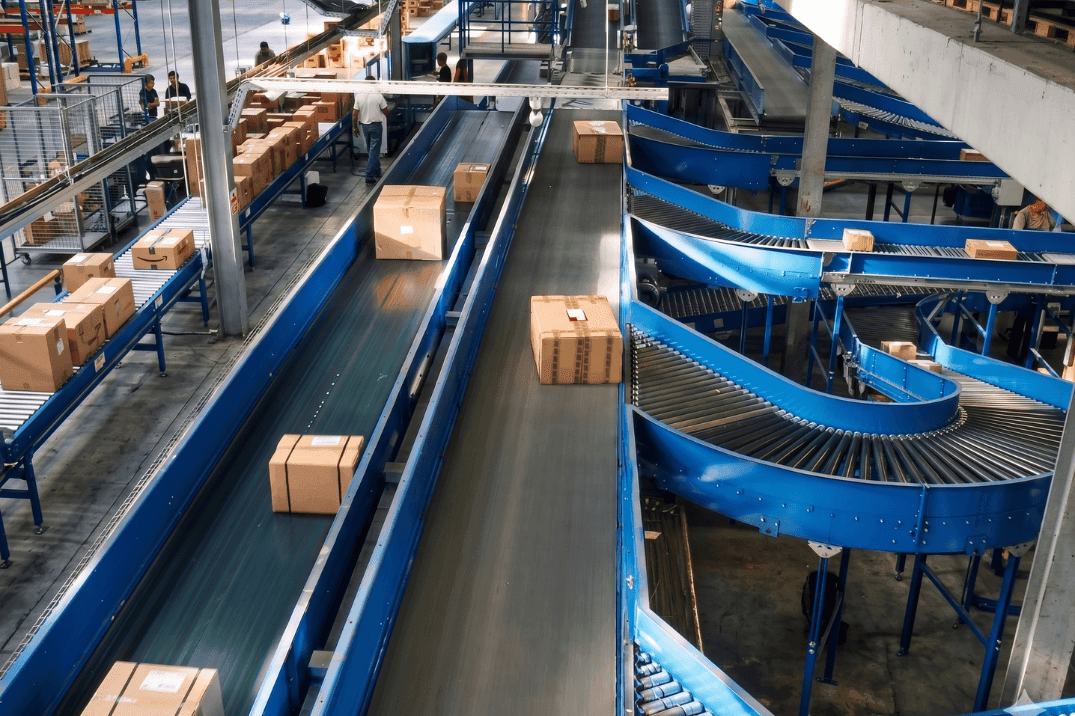
High-speed conveyor sortation system with multiple divert lanes, illustrating how upstream changes can impact downstream routing and accuracy

Accumulation, Zoning, and Release Logic: How Conveyors Actually Control Flow

For decades, conveyor systems have served as the backbone of material handling in warehouses, distribution centres, and manufacturing production lines across the UK. Within any modern material handling system, from a high-volume distribution center to an automated warehouse, conveyors play a central role in maintaining consistent production flow while reducing reliance on manual handling.

While the mechanical elements of conveyors, such as conveyor belts, drive belts, and conveyor rollers, are well understood, the control mechanisms that govern how products actually move through a system are often overlooked. Conveyor accumulation systems, zone management, and release logic are the unseen forces that determine whether a line runs smoothly or grinds to a halt under pressure.

What Are Conveyor Accumulation Systems?

A conveyor accumulation system is a section of conveyor designed to temporarily hold or buffer products without stopping the entire line. These systems are widely used across warehouse operations, factory operations, and order processing environments where maintaining flow is critical.


Rather than allowing products to collide or back up uncontrollably, leading to product damage or inefficiencies, accumulation zones create managed holding points where items can queue until downstream conditions allow them to proceed.
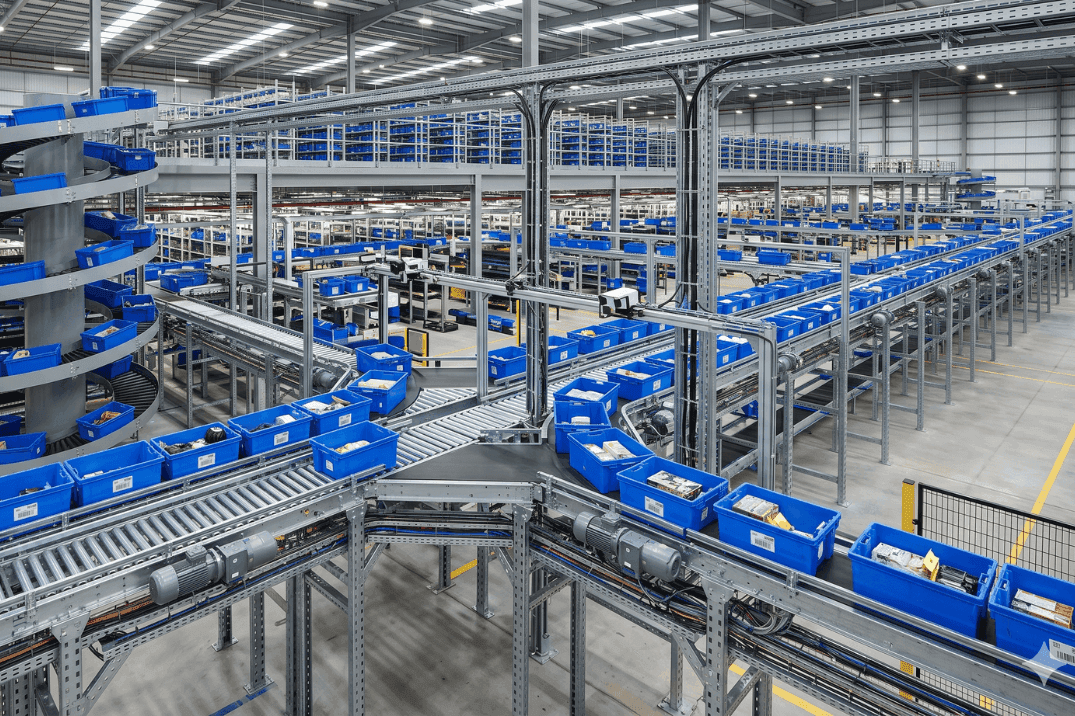
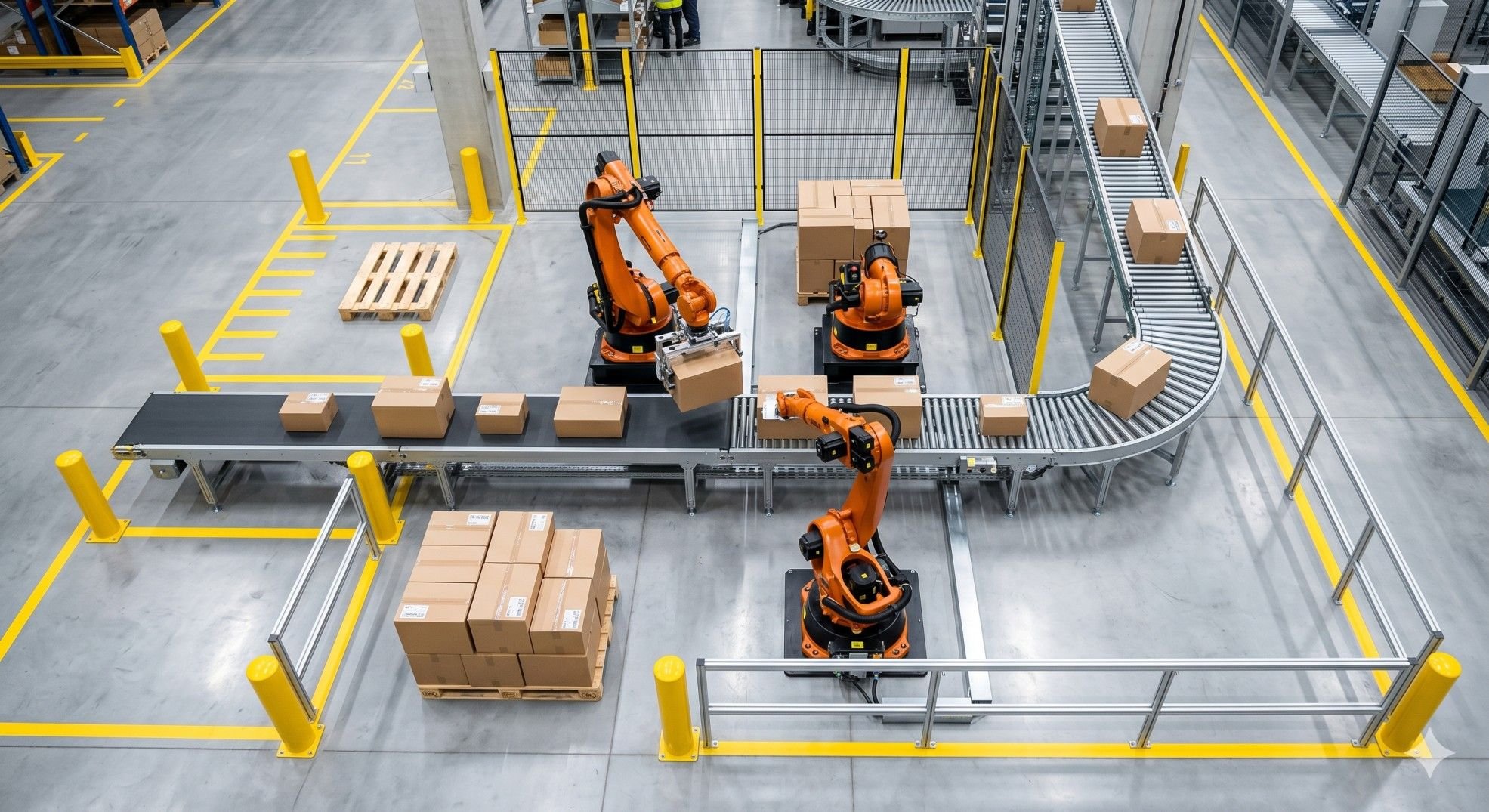
Large-scale warehouse conveyor system with multiple zones and sortation lines, illustrating interconnected material handling and system-wide performance dependencies

Types of Accumulation Conveyor Systems and Their Operational Benefits


In practical terms, accumulation systems help:

Protect product integrity and reduce product damage

Maintain consistent production flow across production lines

Improve product control in automated systems

Support efficient pick and pack and sortation systems

Reduce reliance on manual handling in warehouse facilities

There are several types of accumulation conveyor in common use:

Zero-pressure accumulation

Products are held in discrete zones without touching one another, preventing damage and maintaining product integrity, ideal for pharmaceutical and healthcare applications or fragile goods.

Minimum-pressure accumulation

Products are allowed to lightly contact one another, suitable for robust items where some pressure is acceptable.

Slug accumulation

Groups of products are released together as a batch rather than individually, often used in pallet conveyors, palletising, or case packing operations.

These systems are typically built using combinations of driven rollers, gravity rollers, accumulation rollers, and impact rollers, depending on the handling requirements.

The Function of Zoning in Conveyor Accumulation Systems


Zoning is the practice of dividing a conveyor into discrete segments, each controlled independently by sensors and logic. Each zone typically has its own drive or clutch mechanism, often using driven rollers and drive belts, and a photoeye or proximity sensor to detect product presence.

The zone acts as the fundamental unit of control within a powered accumulation conveyor.

When a zone is occupied, it communicates with adjacent zones to determine whether to:

Hold product

Release product

Slow or buffer product flow

This zone-to-zone communication is what transforms a simple conveyor into an intelligent material handling system capable of managing complex flows across automated transport environments.

Effective zoning improves:

Space efficiency within warehouse automation layouts

Flow balancing across manufacturing production lines

Integration with sortation systems and downstream processes

Overall energy efficiency by only powering active zones

How Release Logic Governs Product Flow


Release logic is the set of rules programmed into the conveyor's control system that determines when and how products are released from accumulation zones.

The simplest form is first-in-first-out (FIFO) sequential release, where products leave in the order they arrived. This is adequate for straightforward applications but insufficient for complex automated systems.

More sophisticated release strategies include:

Demand-based release

Products are released only when a downstream station signals readiness, improving product control and preventing congestion.

Timed release

Products are released at fixed intervals to create consistent gaps for downstream merge or divert operations.

Priority-based release

Products are released based on order priority, destination, or SKU category, critical for order processing and distribution center efficiency.

The choice of release strategy has a direct and measurable impact on:

Throughput across warehouse operations

Product spacing and handling accuracy

Performance of sortation systems and pick and pack processes

Why Accumulation Design Matters More Than Belt Speed


Many operations focus on conveyor speed as the primary lever for increasing throughput. However, in practice, accumulation design and release logic have a far greater influence on sustained output.

A fast conveyor that lacks effective accumulation will generate:

Product damage

Uncontrolled queuing

Bottlenecks across production lines

By contrast, a well-zoned conveyor with intelligent release logic can maintain steady throughput even under variable load conditions.

A well-designed accumulation system enables:

Controlled production flow

Reduced downtime in factory operations

Improved space efficiency in warehouse facilities

Higher energy efficiency compared to continuously running systems

Integration with Wider Automation Technologies

Conveyor accumulation systems do not operate in isolation. They are increasingly integrated into broader warehouse automation ecosystems, including:


  • Warehouse management systems (WMS)
  • Robotic pick stations
  • Automated storage and retrieval systems (AS/RS)
  • Sortation systems


The release logic on the conveyor must be coordinated with these automated systems to maintain balanced flow across the entire operation. When properly integrated, conveyors act as the backbone of automated transport, enabling seamless movement of goods from inbound handling through to dispatch.

Building Smarter Conveyor Flow Control

As UK logistics and manufacturing operations face growing pressure to handle higher volumes with greater flexibility, the intelligence built into conveyor accumulation systems becomes a critical differentiator.

Investing in well-designed zoning, accumulation, and release logic delivers long-term value that extends far beyond the conveyor line itself.

The result:

  • Scalable warehouse automation
  • Improved handling solutions across industries
  • Reliable performance in distribution centers and automated warehouses
  • Reduced reliance on manual handling
  • Greater operational efficiency across production lines
smart conveyor systems

Is Your Flow Controlled or Just Moving?

Throughput is won in the accumulation logic and not just the belt speed. Contact us to discuss how intelligent zoning and release strategies can eliminate bottlenecks and protect your product integrity.