Maintenance and Service Costs
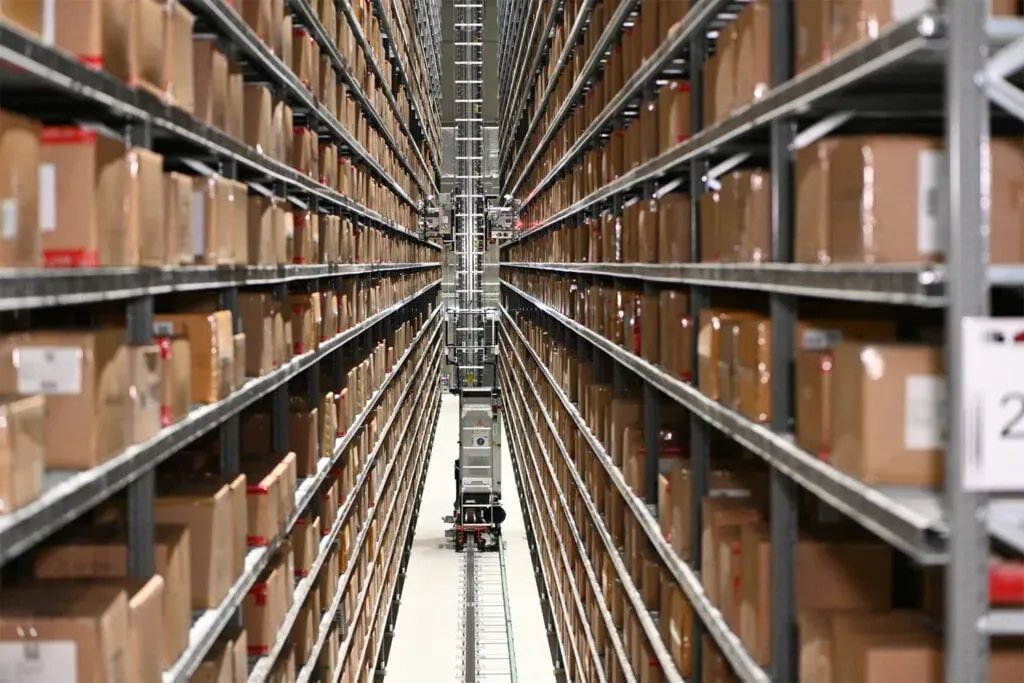
ASRS installations require ongoing maintenance to sustain performance and prevent unplanned downtime that disrupts the wider operation. Cranes, shuttles, conveyor systems, and racking all have wear components that must be inspected, serviced, and replaced on a scheduled basis. The cost of maintenance contracts, spare parts inventory, and specialist service engineers adds significantly to the annual operating expenditure.
Many ASRS operating costs related to maintenance are underestimated during the procurement phase. Vendor maintenance contracts can escalate substantially after initial warranty periods expire, and the availability and cost of spare parts for proprietary components can become a significant cost driver as systems age and original components become harder to source.
Operations that do not budget for these escalations face difficult choices between accepting rising costs and investing in costly retrofits of alternative components.
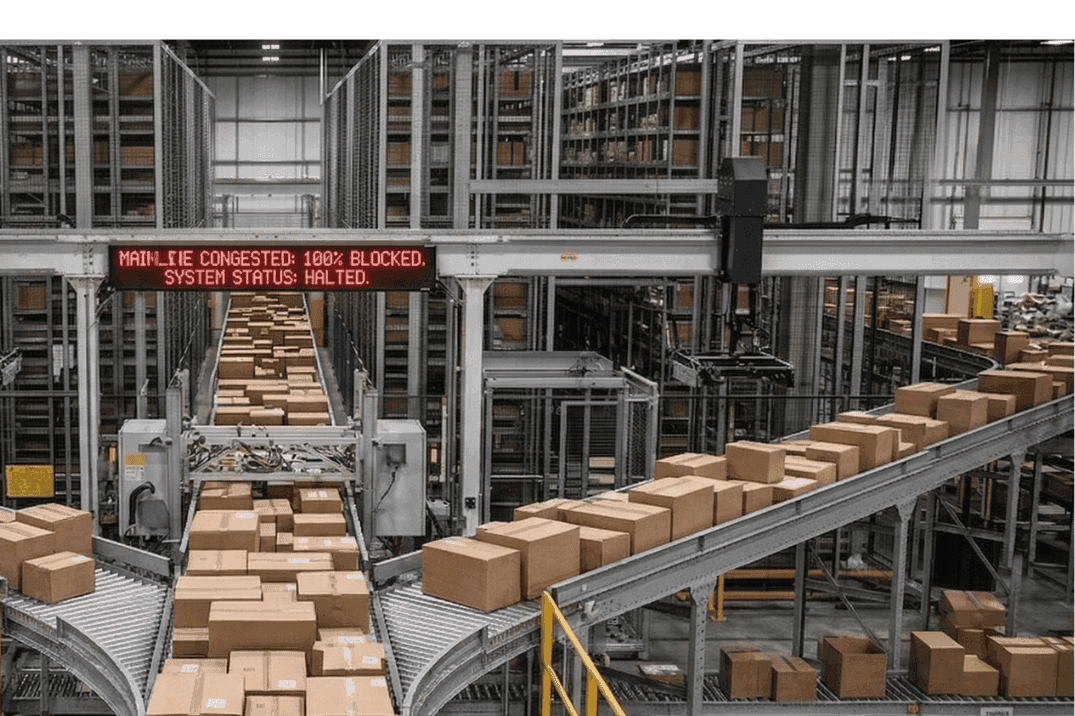
Preventative maintenance is particularly important where the ASRS forms a critical part of order fulfillment, order picking, or inventory control. In these environments, even short periods of downtime can affect order accuracy, customer satisfaction, and the wider performance of the distribution center. For that reason, maintenance costs should be treated as a strategic operating expense rather than a secondary line item.
Software Licensing and Support
The software that controls an ASRS, including the warehouse control system (WCS), control software, and any proprietary optimisation algorithms, typically carries ongoing licensing and support fees. These fees cover software updates, bug fixes, security patches, and access to technical support for operational issues.
As the system ages and operational requirements evolve, software upgrades may be necessary to maintain compatibility with updated warehouse management systems (WMS), inventory management software, accommodate new product profiles, or adapt to changed business processes. These upgrade costs are rarely included in the original business case but can represent a material expense over the fifteen to twenty-five year operational life of the system.
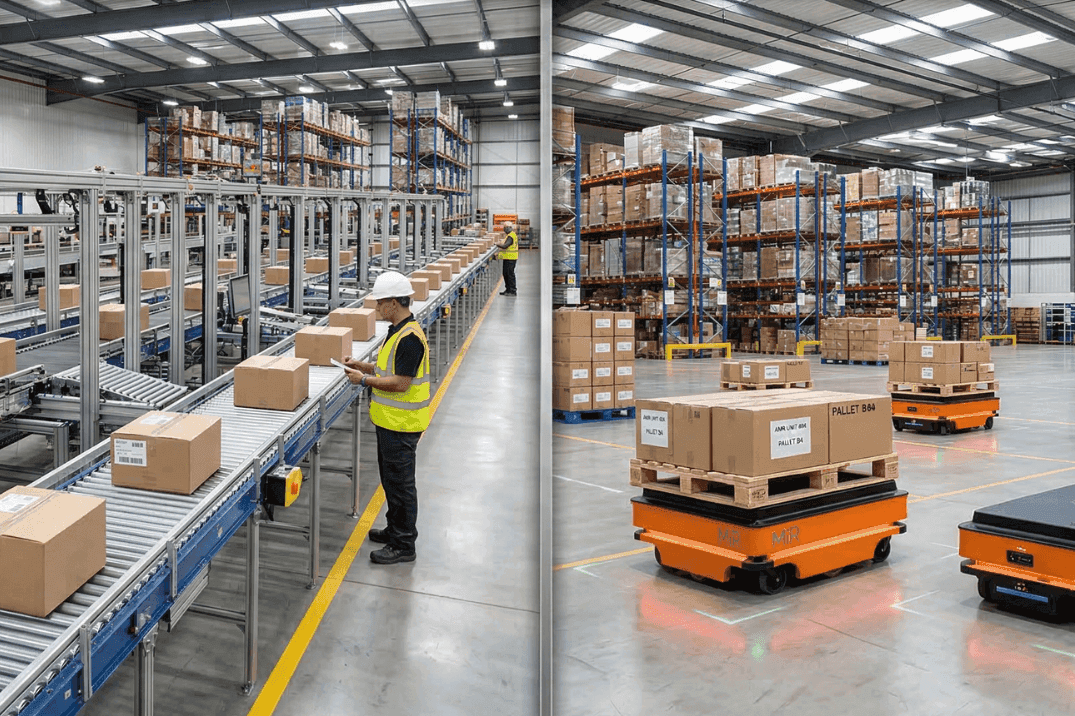
Where ASRS is integrated with wider automated equipment, Robotic Systems, conveyor systems, or Automated Guided Vehicles, the software layer becomes even more important and potentially more costly. Compatibility, integration testing, and interface support can all add to the true operating cost of the automation.