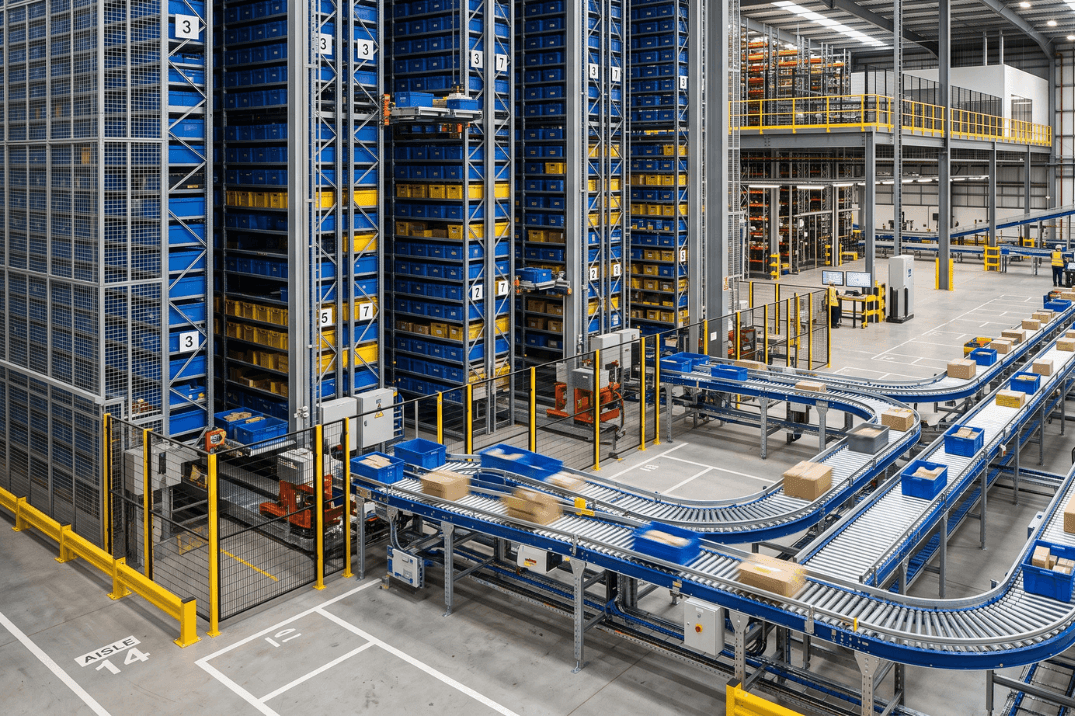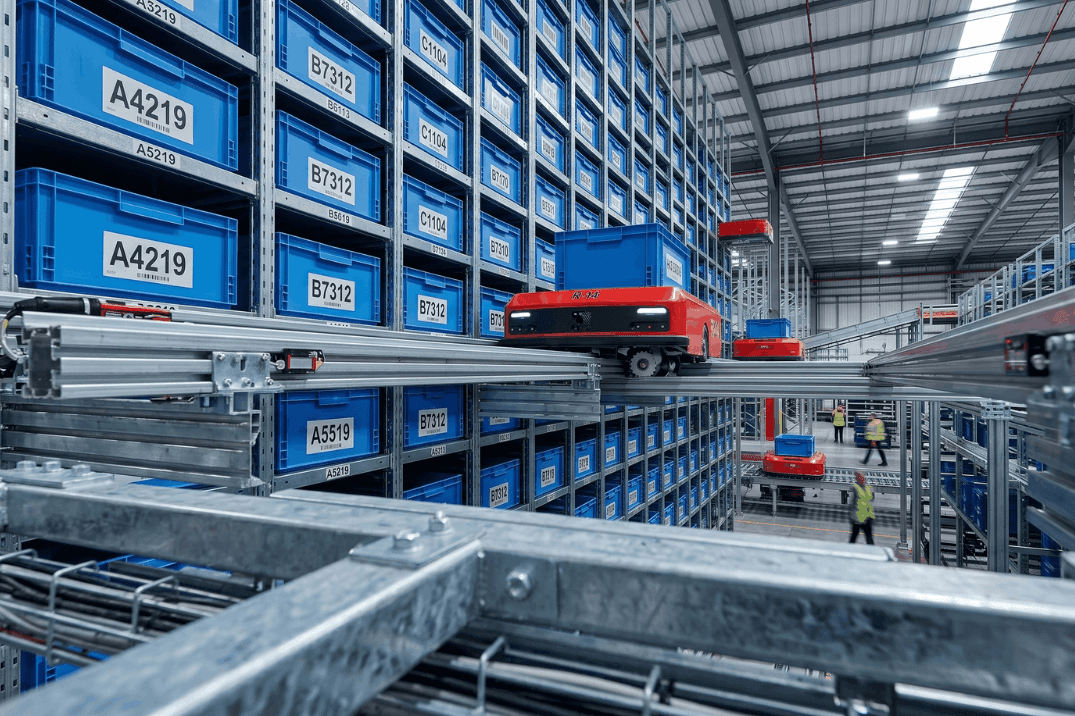
High-density shuttle-based ASRS system with autonomous robots transporting blue storage totes within a structured racking system, illustrating the balance between storage capacity and retrieval responsiveness in automated warehouse operations.

From Manual Racking to an Automated Warehouse Racking System

For decades, manual pallet racking has been the default backbone of UK warehousing, storing goods on static shelving and pallet racking accessed by forklifts and reach trucks. As labour costs rise and available footprint shrinks, the automated warehouse racking system is transforming how businesses manage inventory and storage capacity.

Key Takeaways
  • ✓Manual racking is limited: Manual warehouse racking (pallet racking, static shelving and mobile racking) is constrained by wide aisles, labour and error-prone manual stock counts.
  • ✓Automation brings goods to the operator: An automated warehouse racking system replaces manual handling with racking worked by cranes, shuttle systems and pallet shuttles, bringing goods to the operator.
  • ✓It reclaims aisle space: Automated racking reclaims aisle space to lift storage capacity within the same footprint, easing space requirements and warehouse design constraints.
  • ✓Accuracy improves: System-level tracking raises inventory accuracy and picking accuracy over manual storage options.
  • ✓It integrates end to end: It integrates with conveyors, automated guided vehicles and warehouse management systems as one connected operation.

Why Manual Racking Is Reaching Its Limits

Manual warehouse racking depends on wide aisles for truck access, operator availability, and manual stock counts that are prone to error. As order volumes grow, particularly across e-commerce and grocery, these constraints translate directly into higher labour dependency and slower fulfilment.

Persistent recruitment challenges across the logistics sector mean many operations are structurally exposed every time seasonal demand spikes. A system reliant on manual retrieval has a hard ceiling on throughput that no amount of overtime can lift indefinitely.
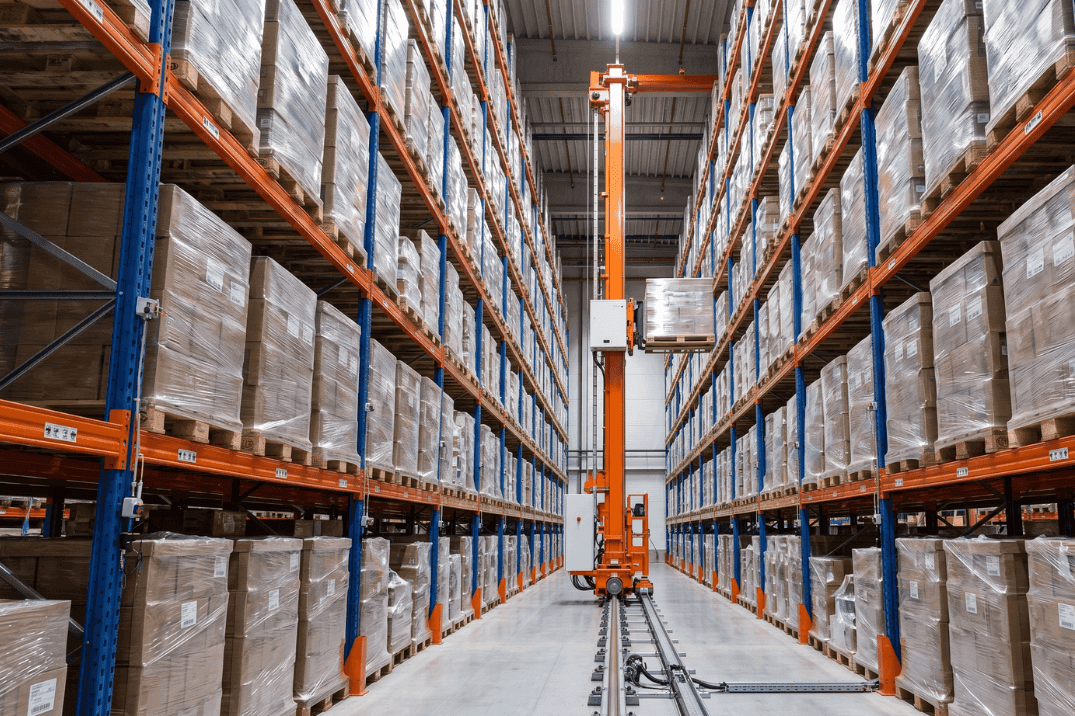
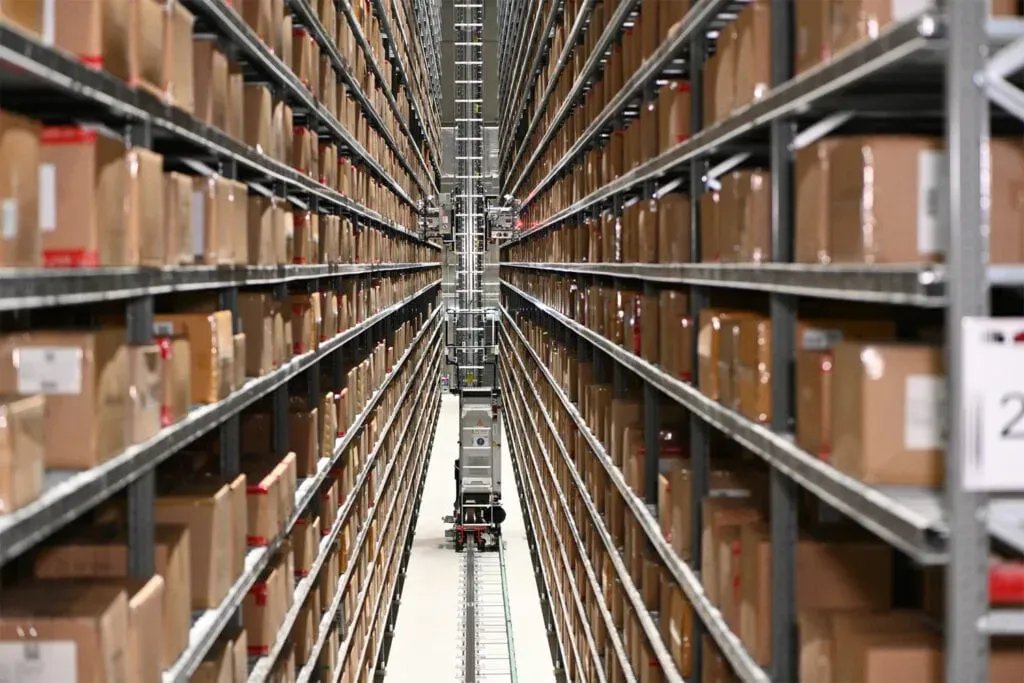
Stacker crane operating within a high-bay automated storage and retrieval system, moving palletised goods along racking aisles in a warehouse environment

What Is Automated Storage?

Automated storage, often delivered as an automated warehouse racking system or Automated Storage and Retrieval System (ASRS), replaces manual pallet or tote handling with robotic cranes, shuttles, or mini-load systems that store and retrieve goods without direct human intervention. Goods are presented to operators at ergonomic pick stations rather than operators travelling to the goods.

This shift from "person to goods" to "goods to person" is the defining characteristic of automated storage, and it is the foundation for the productivity gains that follow.

By the numbers
80-90%
ASRS utilisation, vs 40-60% for manual racking
up to 400%
more storage in the same footprint
<2 yrs
typical payback on automated storage
~50%
of a picker shift lost to walking in manual models

Types of Automated Storage Systems


Pallet ASRS

High-bay cranes that store and retrieve palletised goods across dense, narrow-aisle pallet racking, well suited to bulk storage and buffer stock.

Shuttle Systems

Multi-level tote or carton shuttles and pallet shuttles that move horizontally and vertically within racking, offering high throughput for fast-moving SKUs.

Mini-Load Systems

Compact crane-based systems for totes and cartons, ideal where floor space is limited but pick accuracy and speed matter.

Vertical Lift Modules and Carousels

Enclosed units and vertical storage systems that present trays or shelves to an operator at a fixed access point, maximising cube utilisation in a small footprint.

Mobile Racking

Powered mobile racking that closes aisles to boost storage capacity, a practical step between static racking and a fully automated warehouse racking system.

Density, Accuracy and the Business Case

Automated storage typically increases storage density and storage capacity considerably compared with manual warehouse racking, since aisle space previously reserved for trucks and personnel can be reclaimed for storage. Operators moving from manual to automated racking frequently report they can store substantially more stock within the same footprint, or the same stock within a smaller one.

Accuracy improves in parallel. Automated systems track location and inventory at the point of storage and retrieval, removing the manual counting and location errors that erode service levels. The result is not only tighter inventory management but also better picking accuracy, with fewer costly errors reaching the customer.

Automated storage is increasingly adopted across sectors with very different operational drivers:

Applications Across UK Industry


E-commerce and Retail

High SKU counts and fluctuating order profiles benefit from goods-to-person picking and rapid replenishment.

Grocery and Food and Beverage

Cold-chain requirements and short-shelf-life products in food and beverage benefit from precise stock rotation and reduced dwell time.

Manufacturing

Buffer storage and kitting operations benefit from accurate, on-demand component retrieval that keeps production lines fed.

Pharmaceutical and Healthcare

Traceability and batch control requirements in pharmaceutical operations are supported by system-level tracking that manual racking cannot easily provide.

Integration With the Wider Automation Ecosystem

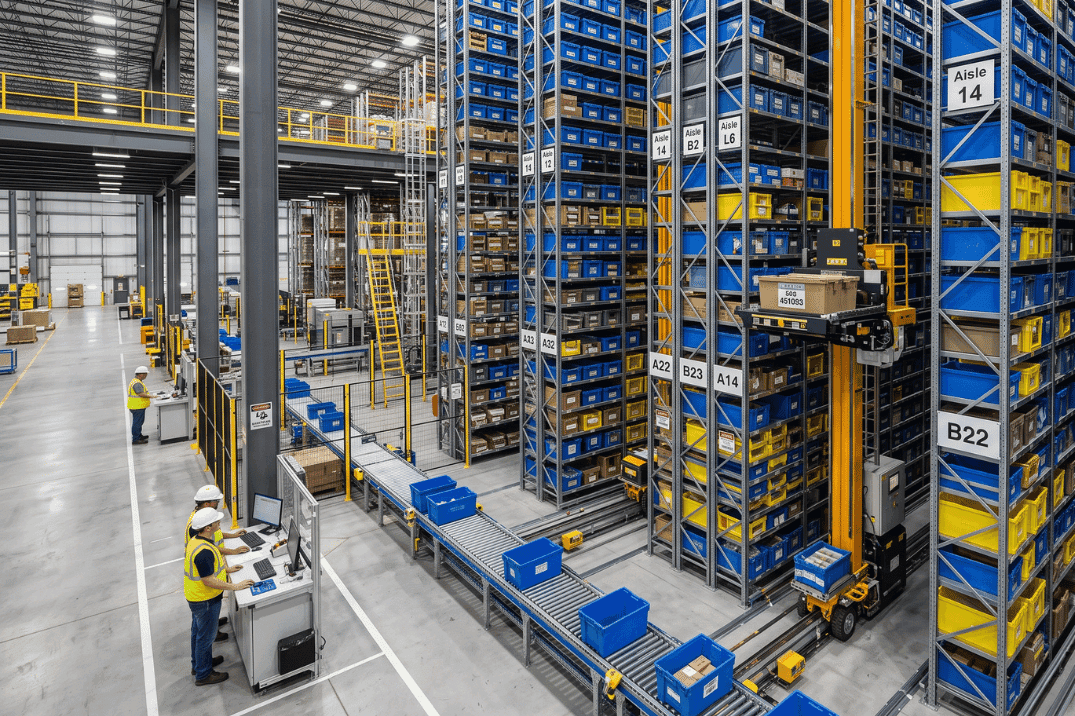
An automated warehouse racking system rarely operates in isolation. It typically integrates with conveyor and sortation infrastructure to move goods between storage, picking and dispatch, and is coordinated by warehouse management systems that sequence retrievals against order priority. This integration is where much of the operational value is realised, since storage efficiency only matters if goods flow smoothly into the next stage.

Robotics, including autonomous mobile robots, automated guided vehicles and robotic pick arms, are increasingly layered onto ASRS installations to further reduce manual handling at pick and pack stages.

Building a Stronger Case for Automated Storage

The direction of travel across UK warehousing is clear: the automated warehouse racking system is moving from a competitive edge reserved for the largest operators to a mainstream requirement for anyone managing rising volumes within a fixed or shrinking footprint. As warehouse automation matures, operations still relying solely on manual racking face a widening productivity gap against automated peers.

Businesses evaluating their next storage investment should weigh automated racking against the long-term cost of labour dependency and constrained capacity, not just against the upfront capital outlay.


For the wider picture of how these systems come together, see our guide to automated warehouses.

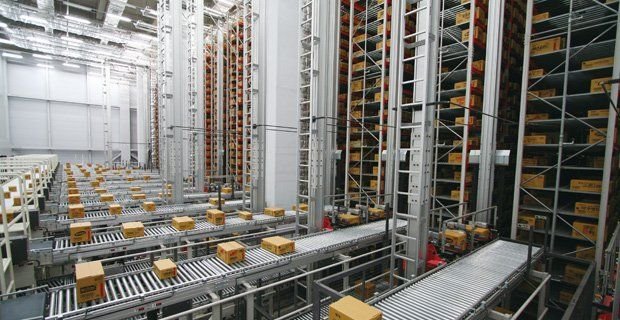
Integrated ASRS and conveyor system moving totes and cartons between automated storage and warehouse processing areas.

Planning a storage or ASRS project? We size the system, cost and payback around your space, SKU profile and throughput.

Speak to a specialist

Frequently Asked Questions