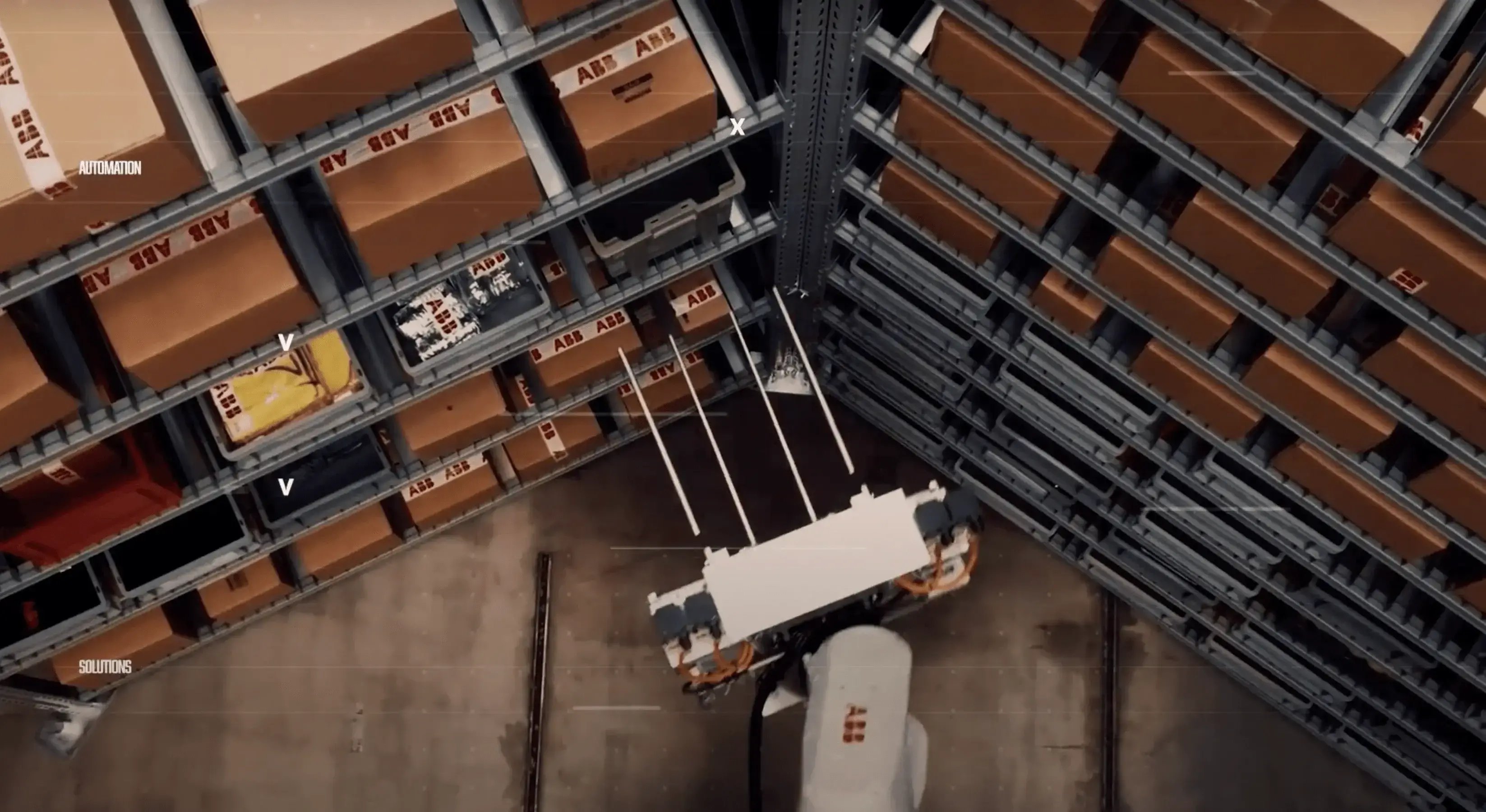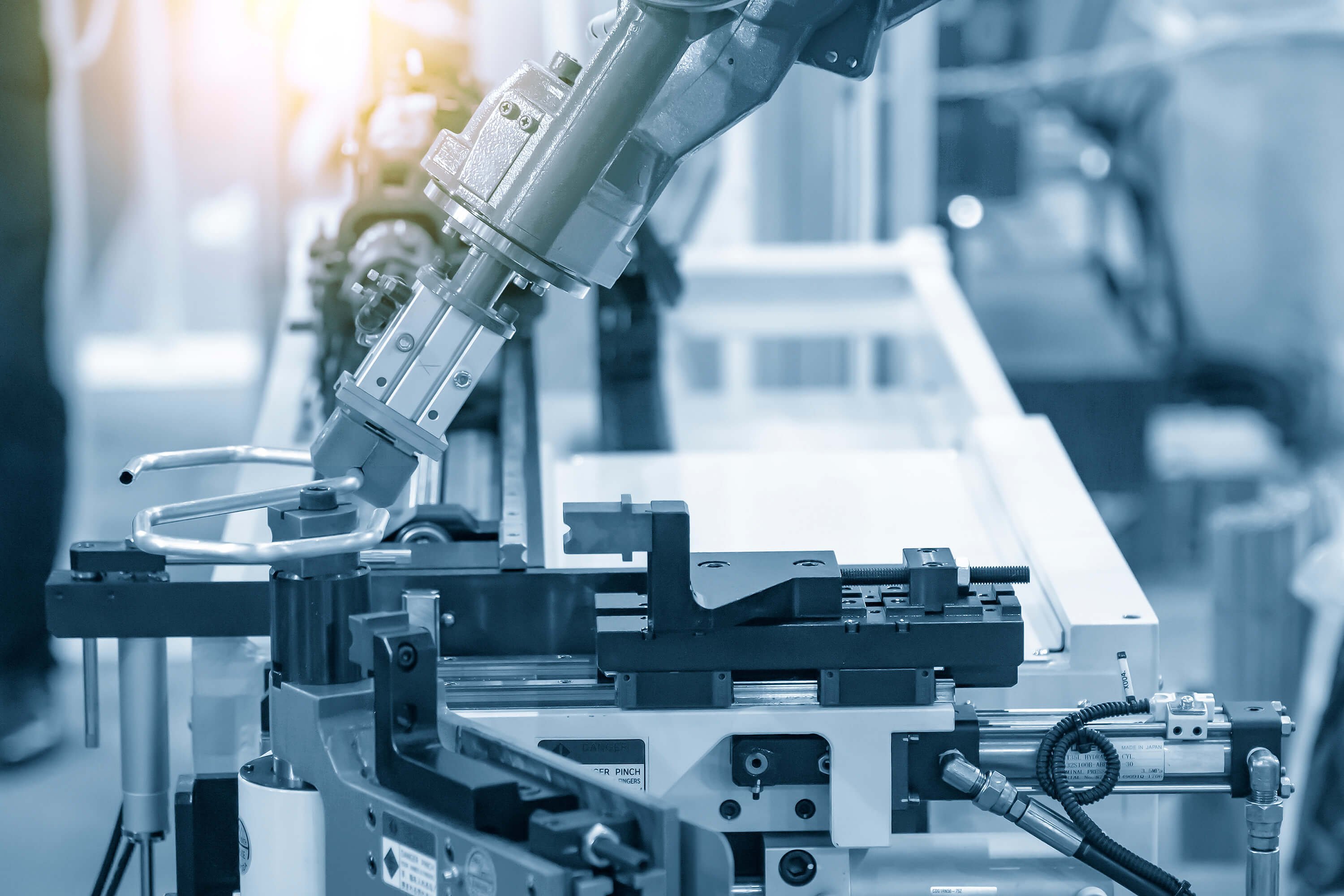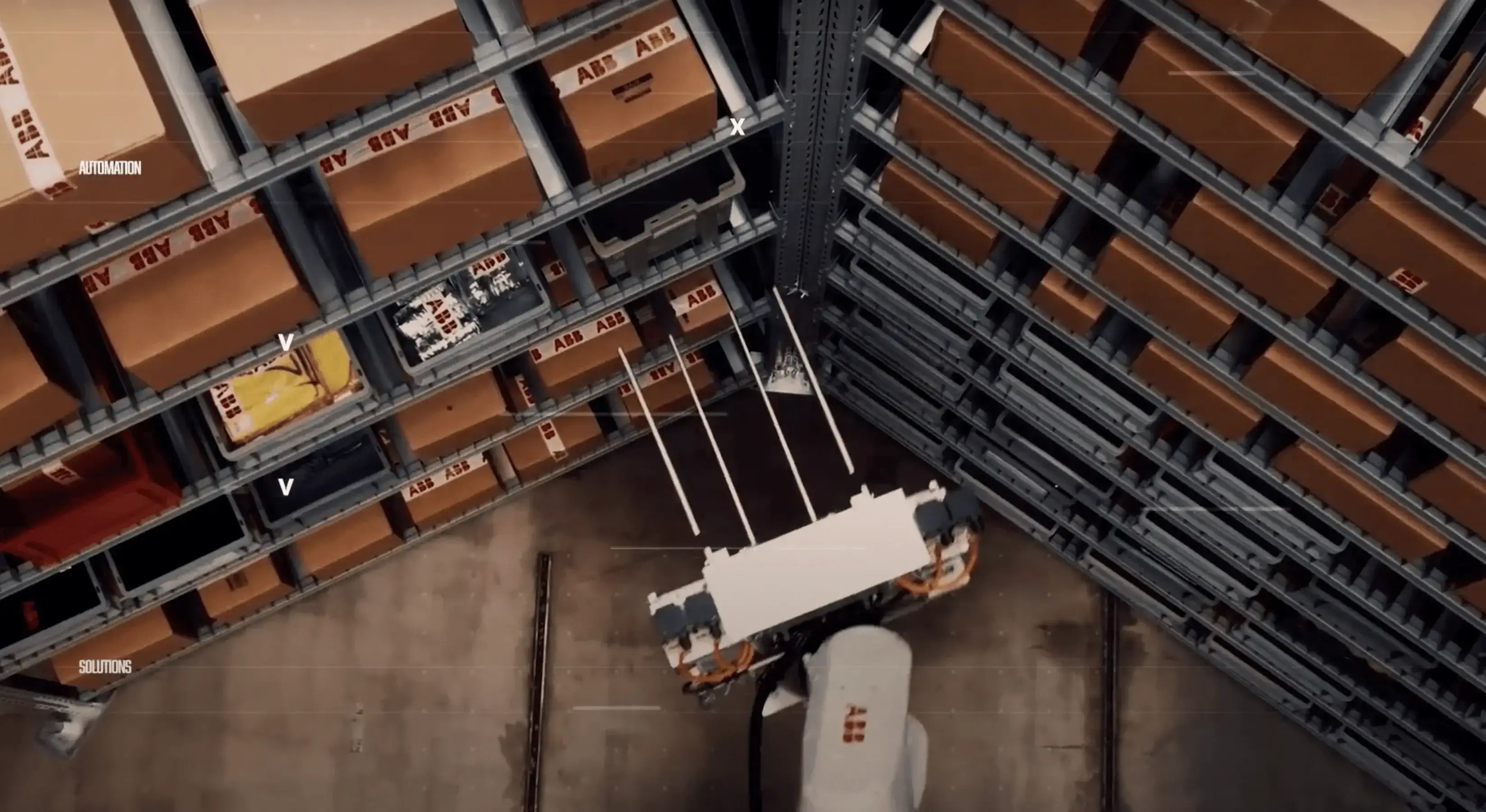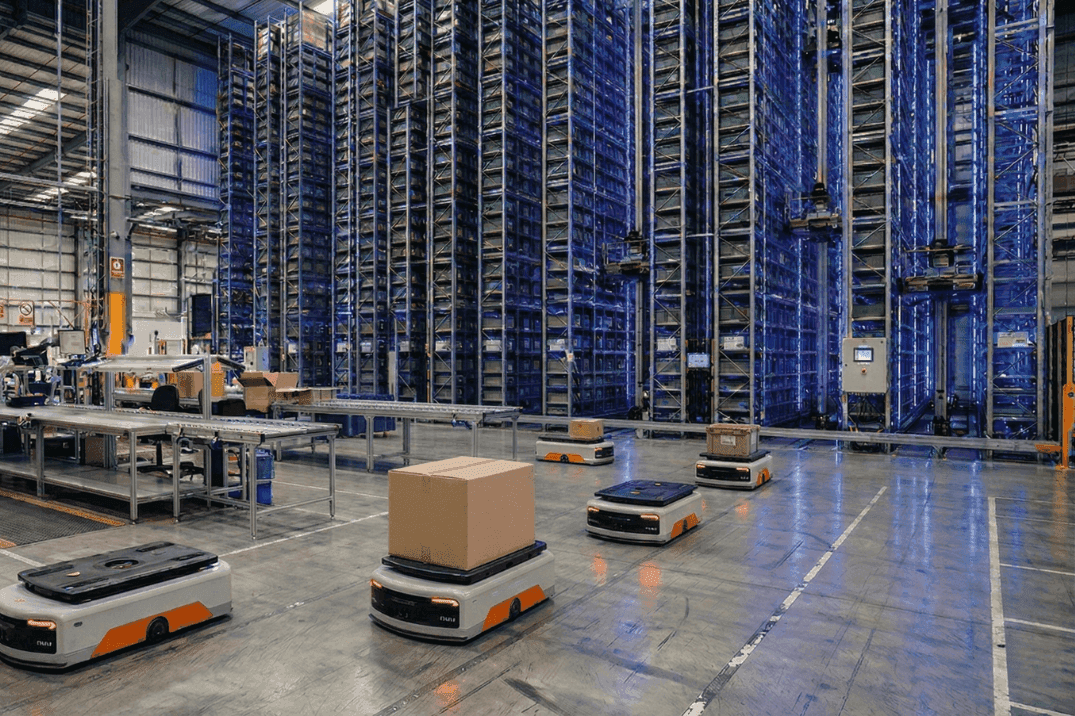
Every manual warehouse carries a hidden liability that rarely shows up on a balance sheet: its dependence on a workforce that is getting harder, and more expensive, to hire. When a single peak, recruitment freeze, or spike in absence can throttle throughput, labour stops being a simple cost line and becomes a structural risk. Robotic automation is increasingly adopted to defuse exactly that risk.
In short: robots reduce labour dependency by taking over the high-volume, repetitive tasks (picking, transport, palletising) that are hardest to staff, delivering consistent throughput without the recruitment, wage, and absence pressures of a manual workforce.